
Service Areas
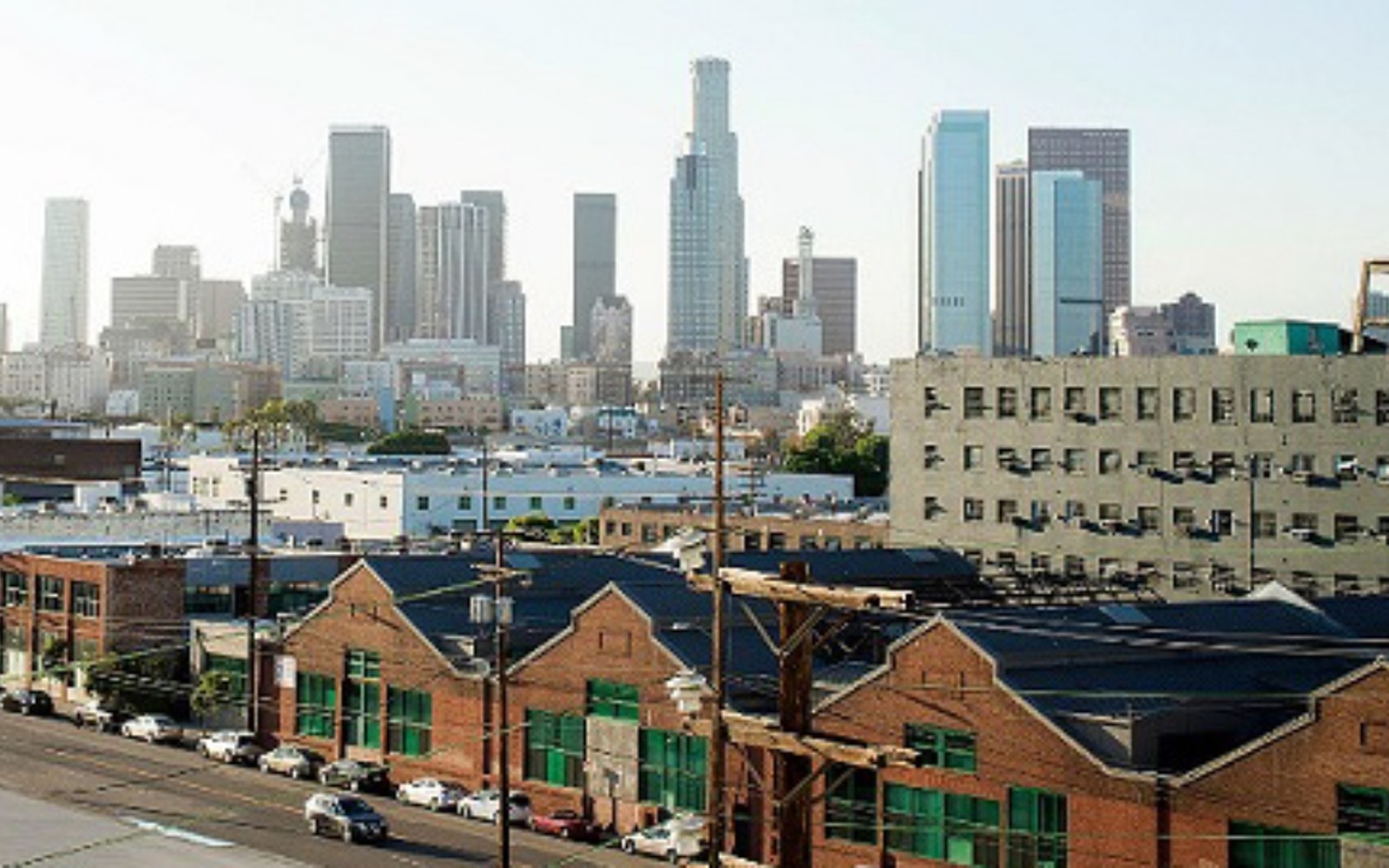
Switchgear Financing in Los Angeles, CA
Los Angeles runs on a power grid that does not forgive delays. Studios in Burbank and Culver City need uninterruptible feeds for their production stages. Ports of Los Angeles and Long Beach run some of the highest electrical loads on the West Coast, with container cranes drawing thousands of amps per lift cycle. Data center campuses in El Segundo and the South Bay are mid-build right now, and every one of those projects has a gear package sitting on a 20-to-40-week lead time. Financing should not be the variable that slips the schedule.
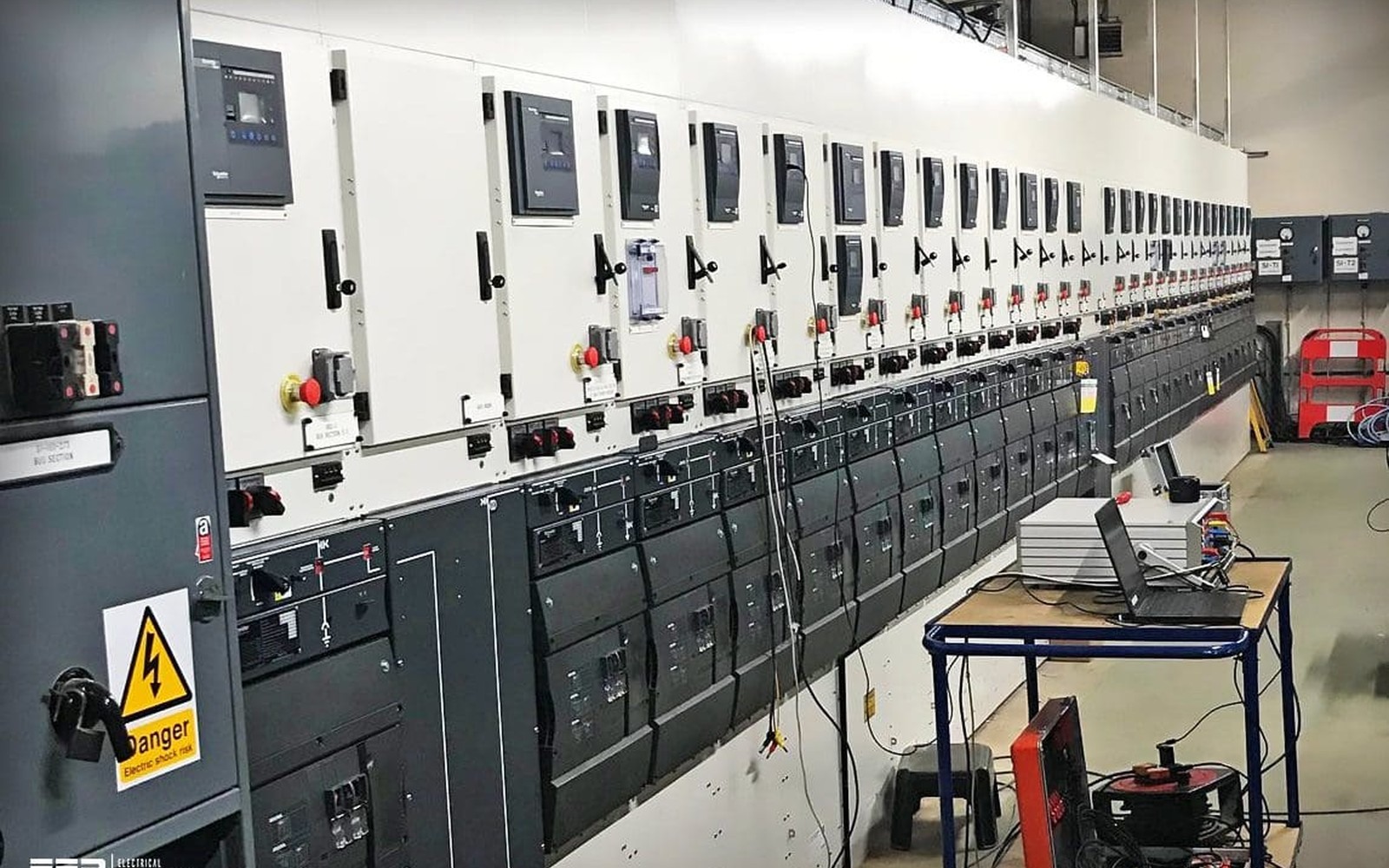
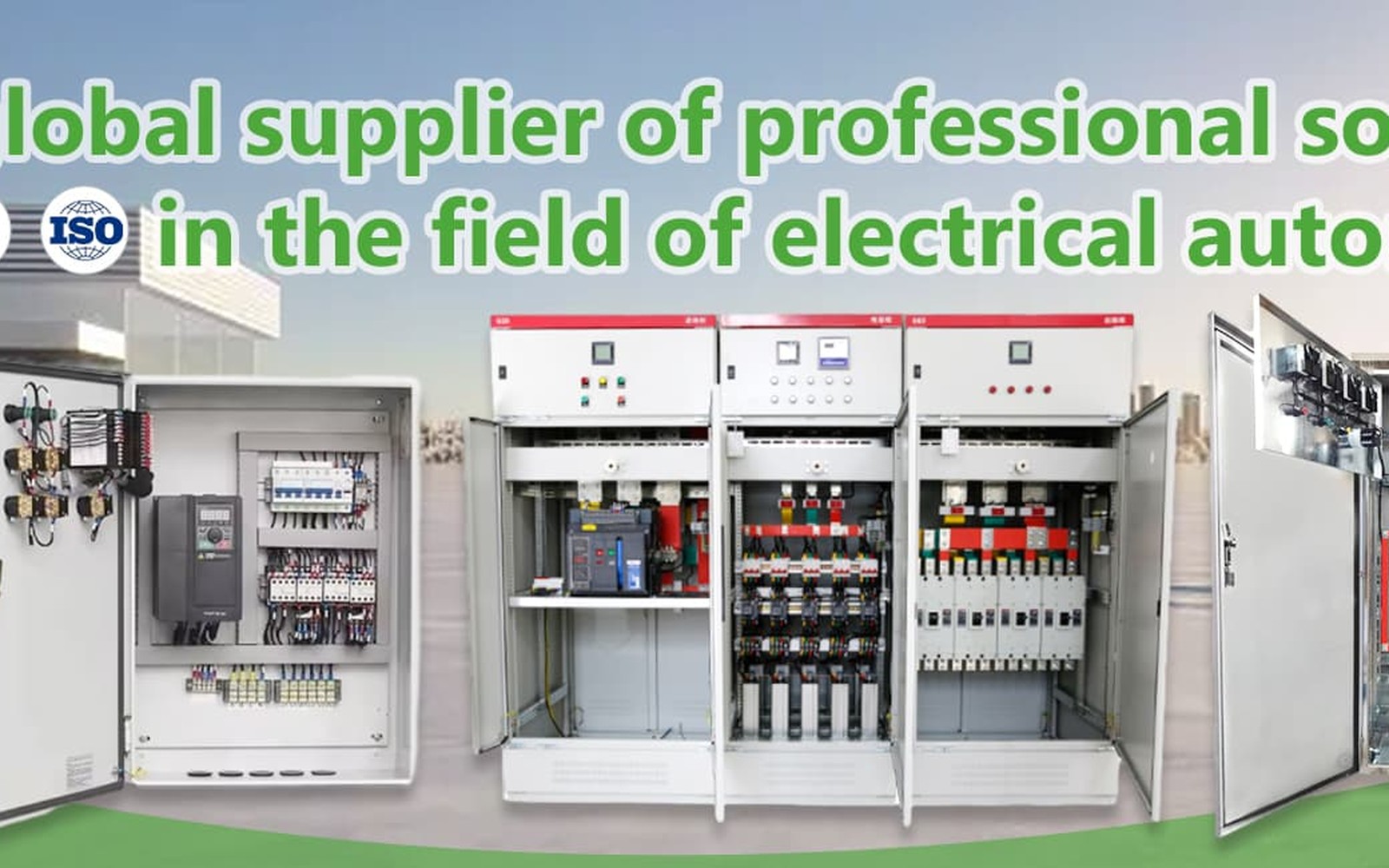
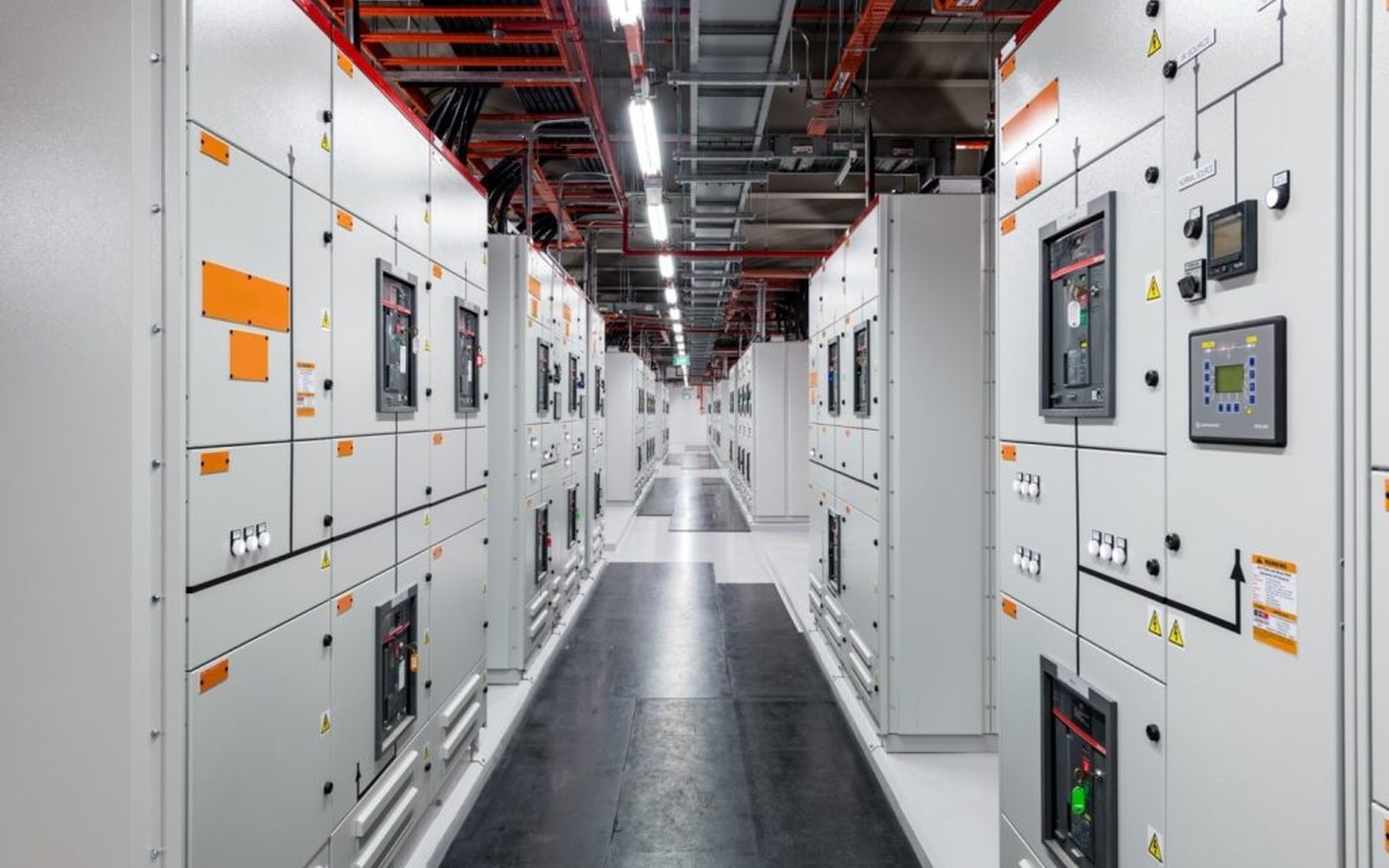
We structure equipment loans and leases on medium-voltage switchgear, motor control centers, unit substations, and the full upstream distribution stack from $50,000 up. Application-only submissions work up to roughly $400,000, which covers most single-section gear packages. Larger deals require three months of bank statements and standard financial documentation. Funding in about one to two weeks is realistic once the submittal package is in order.
The LA Load Profile Is Not Suburban
Los Angeles County contains more than ten million residents and an industrial corridor stretching from the port complex through Vernon, Commerce, and into the San Gabriel Valley. The LADWP territory alone serves over a million commercial and industrial accounts, and the city has aggressive electrification mandates that are converting natural gas-driven processes to electric loads faster than some switchyards can absorb them. That means retrofits. Existing gear running at 80 percent of nameplate gets replaced before it fails, or it gets expanded through paralleling schemes and additional sections.
Entertainment and studio work adds a distinct demand category. Large shooting stages require stable, conditioned power, and temporary power distribution has to be portable and reconfigurable. Automatic transfer switches and portable power distribution units move between jobs. Those assets still need financing, and we can structure it on a lease or loan basis depending on how your shop accounts for the gear.
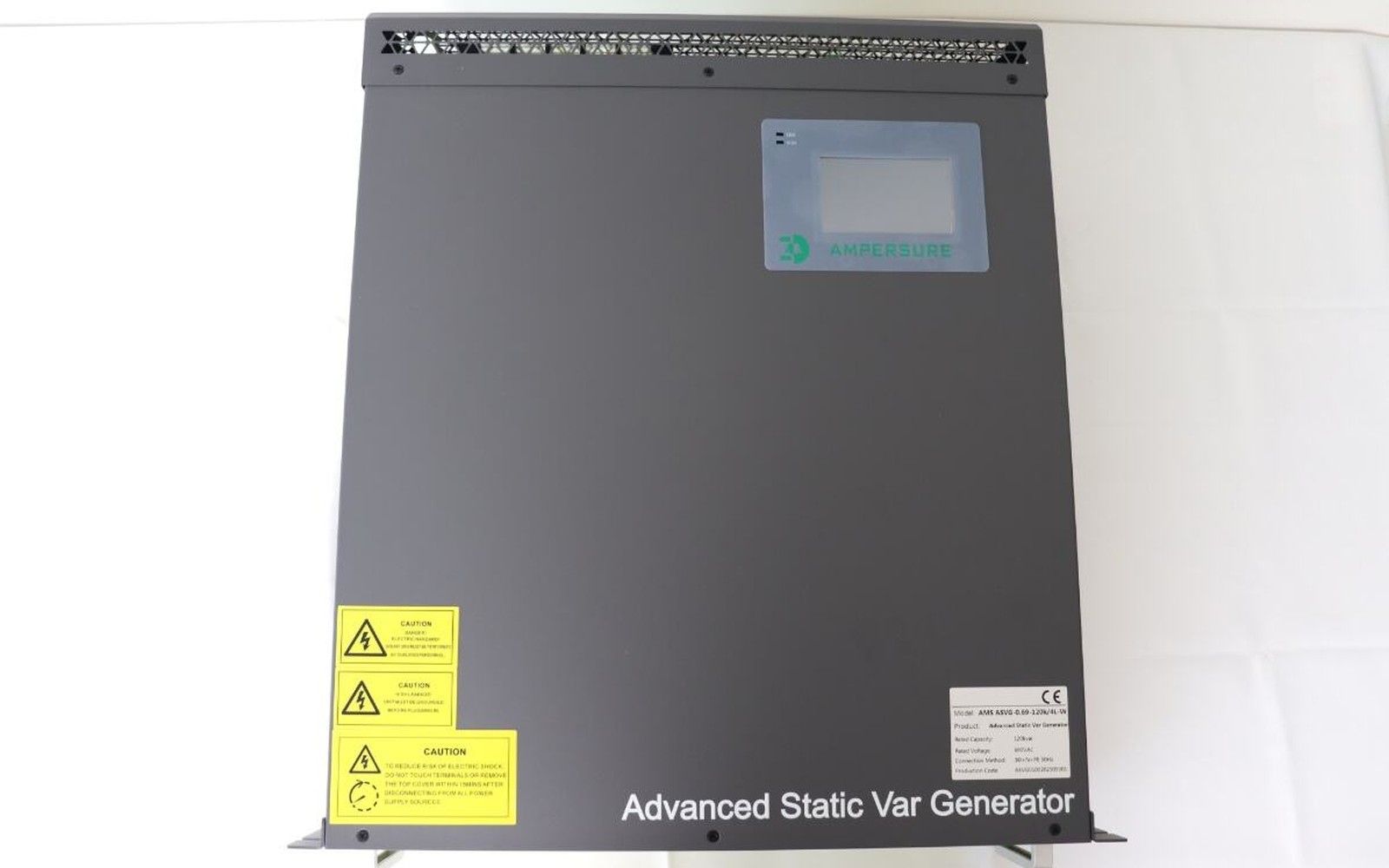
The aerospace corridor in the South Bay, Hawthorne, and Torrance is another heavy user. Facilities running precision manufacturing need clean, regulated power, and the power factor correction equipment and protective relay packages in those plants can easily run six figures on a single project. We understand the procurement cycle in that world: long submittals, strict specs, progress billings. Our progress and deposit financing option covers staged equipment purchases exactly like that.
Gear We Finance In The LA Basin
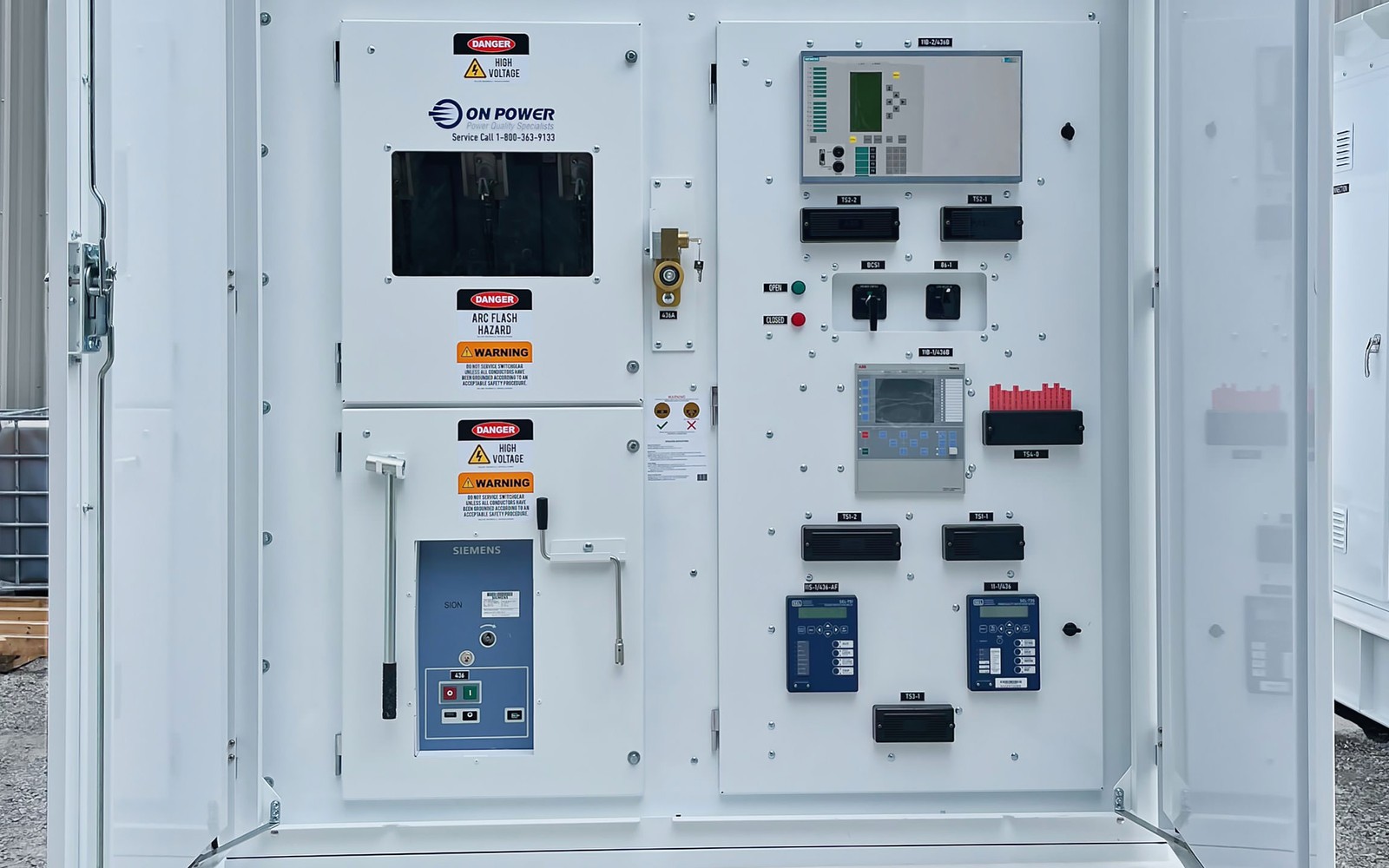
Most projects in the LA market involve at least some medium-voltage work, whether that is a new campus feed coming off a utility tie or a generator paralleling scheme on a critical facility. Metal-clad switchgear at 5kV and 15kV is the workhorse of those tie-ins, and the per-section cost runs high. Eaton, Siemens, ABB, and GE all have representation here, and the brand does not change the financing structure. We work with all of them.
Inland Empire distribution builds are adding substations quickly as warehousing and cold-storage density increases east of the city. Liquid-filled transformers and pad-mounted switchgear for those parks run $150,000 to $400,000 per pad, and the timeline from order to energization is tight. Sale-leaseback is an option if the gear is already on-site and unencumbered: we buy it and lease it back, freeing capital without disrupting operations.
How The Process Works
Start with the project quote or the vendor invoice. If it is application-only territory (under approximately $400,000), we need the one-page application plus a copy of the quote. Above that threshold, three months of business bank statements and basic financial paperwork are added. We do not require a full audit.
Approvals come back in roughly 24 to 48 hours for straightforward deals. Funding follows in about one to two weeks, timed to the vendor's delivery or the project milestone. Progress draws are available on large orders where the manufacturer requires a deposit to reserve a spot in the production queue, which matters a lot when lead times are running 30-plus weeks.
Structures include fixed-rate equipment loans, operating leases with fair market value buyouts, and capital leases with dollar buyouts. Choosing between a lease and a loan often comes down to tax treatment and balance sheet preference. The loan keeps the asset on your books from day one. The operating lease may keep the liability off, depending on your accounting. We can walk through both scenarios without a fee.
Credit And Documentation Requirements
Strong credit simplifies the file. Businesses with solid bank balances, clean credit histories, and project contracts in hand move through the fastest. That said, LA has a large market of growing contractors, startup electrical integrators, and businesses with rougher credit from the past few years. We consider B and C credit files on a case-by-case basis, and we take the gear's collateral value seriously when the credit side is thin.
New businesses present differently. Startup financing for electrical contractors who just licensed and are taking their first commercial jobs does exist, though the advance rates and terms will be more conservative. Equipment under $100,000 with strong collateral value moves through more easily.
On the bad-credit end, a signed project contract or purchase order from a creditworthy end-customer is often the piece that unlocks a deal. A contractor with a contract from a hospital or a government entity has a receivable that lenders can see. That changes the conversation compared to speculative inventory. B/C credit financing is available, but documentation quality makes the difference in the rate you get.
Get A Quote For Your LA Project
Gear on order, quote in hand, or still in the bid stage, we can structure financing around your timeline. Reach out with the project details and we will come back with options fast. No commitment to apply, and no fee to get terms.
Price This Switchgear Financing Package
Send the quote, seller, lead time, deposit requirement, project location, and the electrical package scope. We will review the structure around the purchase schedule.
Review Switchgear TermsCommon Questions on Switchgear Financing in Los Angeles, CA
Straight answers before you send the equipment file.
Can I finance switchgear that is already on order with a long lead time?
Yes. We can fund the deposit or the full purchase price before delivery and structure the repayment to begin when the gear lands, or on a schedule that matches your project milestone. Progress and deposit financing covers this scenario.
We are an electrical subcontractor, not the project owner. Can we still finance the gear?
Subcontractors finance gear regularly. The credit review looks at your business, your bank account, and typically the contract or purchase order that shows you are on the job. Signed contract documentation from a creditworthy GC or owner goes a long way.
Does it matter whether the gear is new from the manufacturer or reconditioned?
Both qualify. New gear from a manufacturer or distributor processes straightforwardly. Used or refurbished gear from a tested source also qualifies, though we may require an inspection report or condition appraisal on older equipment.
My last job had a billing dispute that hurt my credit score. Will that kill the application?
Not automatically. We look at the whole picture: time in business, bank balances, the specific gear, and the project context. A single derogatory event does not end the conversation, especially if there is a clear explanation and current business performance is solid.
We want to lease, not buy. Is that possible for distribution switchgear?
Yes. Equipment leases work well on switchgear, transformers, and MCCs. At lease end you can purchase the gear at fair market value, extend the lease, or return it. The structure depends on your tax and accounting goals, which we can discuss before you sign anything.
Review The Switchgear Financing in Los Angeles, CA Package
Send the equipment quote, seller, lead time, deposit schedule, and project location. The finance desk will review the package against the actual procurement calendar.