
Switchgear Equipment
Unit Substation Financing
A unit substation ships as a single, factory-assembled package, but the lead time from order to delivery still runs weeks, sometimes months. The financing decision needs to land before the purchase order does, or the transformer-switchgear stack sits in a vendor's queue while your crew waits. We work on the same compressed timeline your project demands.
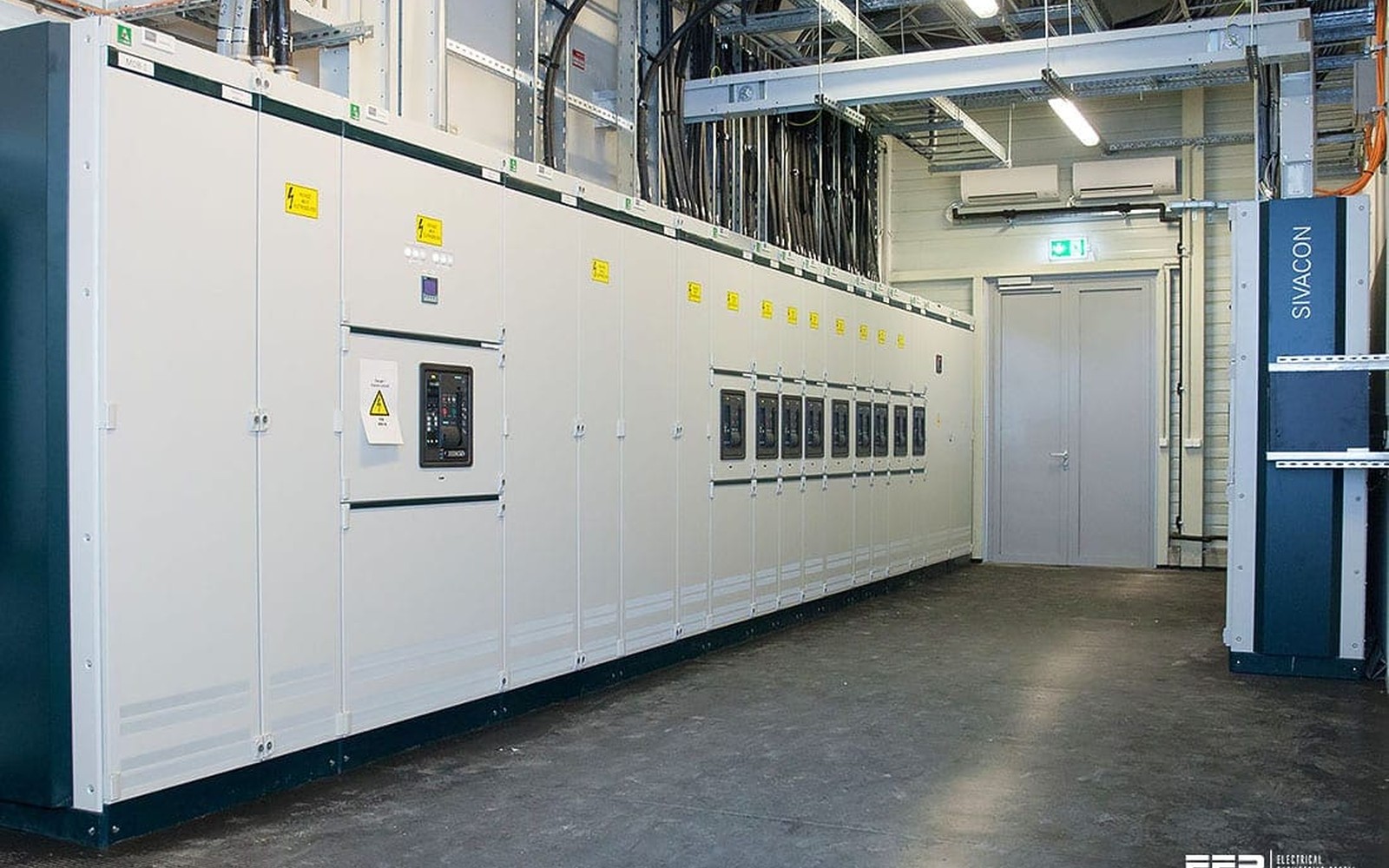
Unit substations combine a primary disconnect, a transformer, and a secondary low-voltage switchgear section into one integrated assembly. They serve commercial buildings, industrial plants, and campus distribution systems where a compact, fully coordinated solution is the right call. The price range on a standard unit substation runs from around $80,000 for a small dry-type unit up to $500,000 or more for a larger liquid-filled arrangement with multiple secondaries. Most of the deals we see land typically $100k to $350k all-in, and our minimum is $50,000.
Whether the substation is new from the manufacturer or a recently refurbished unit, we can structure the financing to fit. Our programs cover purchase, refinance, and sale-leaseback, and credit considerations go deeper than a clean balance sheet. B and C credit is reviewed on the full picture.
What Goes Into A Unit Substation
The primary side of a unit substation typically connects at distribution voltage, most commonly 4.16 kV, 13.8 kV, or 15 kV. The built-in transformer steps that voltage down, and the secondary section distributes power to the facility at 480V or 208V. Because the whole assembly leaves the factory tested and coordinated, site installation is faster and the protection coordination is pre-engineered.
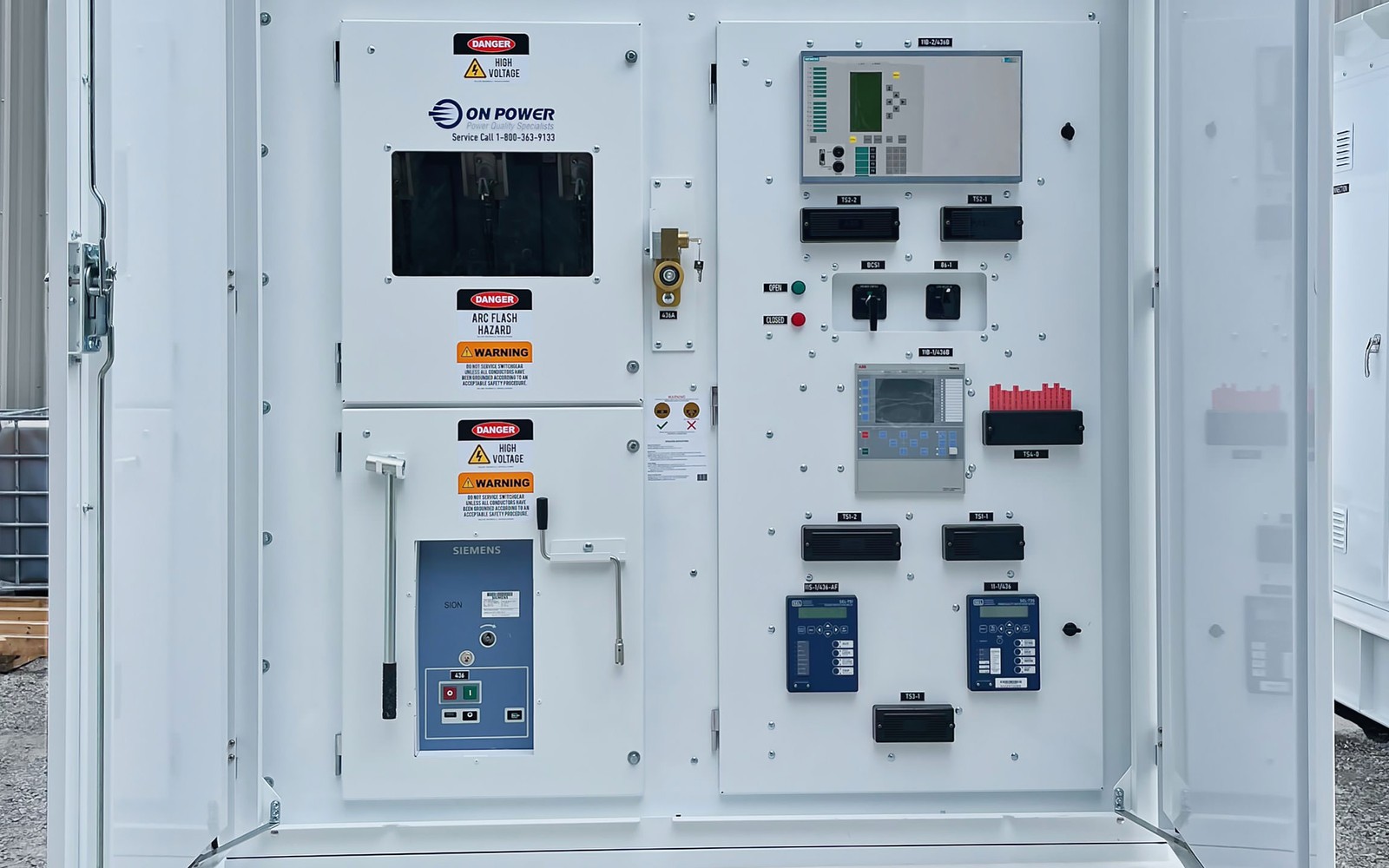
Key specification points that drive cost and financing terms include transformer kVA rating, primary voltage class, secondary bus amperage, the transformer's cooling type (dry-type versus liquid-filled), and whether arc-resistant primary gear is specified. A unit substation feeding a data center or a manufacturing floor is mission-critical infrastructure. Lenders who understand that underwrite differently than those who see a transformer on a collateral list.
We finance both dry-type units and liquid-filled units. For projects where arc resistance is part of the spec, we handle that as well, consistent with our programs on standalone arc-resistant switchgear. If the project also includes a separate medium-voltage switchgear section upstream of the unit substation, we can roll the entire package into one financing request.
Who Buys And Finances Unit Substations
The buyers we see most often are electrical contractors who carry the gear on their own paper before the owner reimburses, industrial plant managers upgrading aging 30-year-old gear, and commercial developers powering up a new building. Campus and healthcare buyers also come through regularly, because a unit substation is a clean fit for a hospital wing addition or a university central plant expansion.
In data center work, unit substations appear behind the utility service entrance, stepping the incoming distribution voltage down to the 480V that PDU chains and UPS systems require. Data center operators often move on very short schedules once site power is cleared, so financing speed matters as much as terms.
Industrial and manufacturing users, particularly those in process industries, often finance unit substations as part of a larger plant modernization or expansion. Financing the gear separately from the civil and structural work keeps the electrical budget cleaner and preserves working capital for the installation costs.
How The Process Works
Most unit substation financing decisions come back within a few business days of a complete application. For requests up to $400,000, the process is application-only, meaning no tax returns and no audited financials are required to get a credit decision. Larger deals do require three months of bank statements and, depending on the amount, some financial documentation.
Funding typically closes in one to two weeks from approval. If the vendor requires a deposit or a partial progress payment before the order is placed, we can structure the advance accordingly. This matters on long-lead unit substations where the manufacturer will not start fabrication without a firm deposit, often 25 to 40 percent of the order value. Our progress and deposit financing program is built exactly for that scenario.
Terms generally range from 36 to 84 months, set to match the equipment's useful life and the project's cash flow. New equipment and low-hour refurbished units both qualify. Used gear from a reputable rebuilder also qualifies under our used equipment financing program, with documentation on the refurbishment scope.
Structuring The Deal
A standard purchase finance structure puts title in the buyer's name at funding, with a security interest retained by the lender. This is the most common approach and works well when Section 179 expensing or bonus depreciation is part of the project's tax strategy. Alternatively, an operating lease keeps the substation off the balance sheet, which some owner-occupant developers prefer.
Sale-leaseback is available for units already placed into service. If a contractor or developer purchased a unit substation with cash or a short-term credit line, a sale-leaseback converts that outlay into working capital while keeping the equipment in place and in service. The process is essentially the same as originating a new deal, with an appraisal or invoice review confirming value.
Rates are not quoted publicly because they vary with credit, term, and deal structure. What we can tell you is that the rate conversation happens after qualification, not before, and the goal is to close on terms that make the project cash-flow positive from day one. Compare the monthly payment against the project's revenue or savings, not against the purchase price in isolation.
Price This Switchgear Financing Package
Send the quote, seller, lead time, deposit requirement, project location, and the electrical package scope. We will review the structure around the purchase schedule.
Review Switchgear TermsCommon Questions on Unit Substation Financing
Straight answers before you send the equipment file.
Can I finance a unit substation that is still being fabricated, before delivery?
Yes. Progress and deposit financing lets us advance funds at specific milestones, including the deposit that triggers fabrication. We work directly with you and the vendor on the advance schedule.
Does the transformer inside the unit substation have to be dry-type, or do you finance liquid-filled units too?
Both are eligible. Liquid-filled units carry somewhat different collateral considerations due to oil containment requirements, but they are routinely financed. The transformer type does not disqualify an application.
I own a unit substation outright that I purchased with cash. Can I pull equity from it?
Yes, through a sale-leaseback or a cash-out refinance. You sell the unit to the lender at fair market value, receive the cash, and continue using the equipment under a lease or loan. The gear stays in place.
My credit score took a hit last year after a slow project cycle. Can I still get approved?
B and C credit is reviewed on the full picture: time in business, equipment value, revenue history, and the strength of the deal. A lower score does not automatically disqualify you. Apply and let the underwriters review the complete profile.
Are there prepayment options if the project wraps early and I want to pay off the financing?
Most structures include a prepayment schedule. Terms vary by lender and deal size. Ask for the prepayment language when reviewing the documents, and we will walk you through the options before you sign.
Review The Unit Substation Financing Package
Send the equipment quote, seller, lead time, deposit schedule, and project location. The finance desk will review the package against the actual procurement calendar.