
Switchgear Equipment
Medium-Voltage Switchgear Financing
The transformer is on order. The utility coordination is done. The medium-voltage switchgear is the piece that actually connects everything, and if it shows up late or the purchase stalls, the commissioning date moves. Projects from 5kV through 38kV run on procurement schedules that do not forgive late orders. Getting financing settled at the front end of the project, not after the submittal is approved, is what keeps the sequence intact.
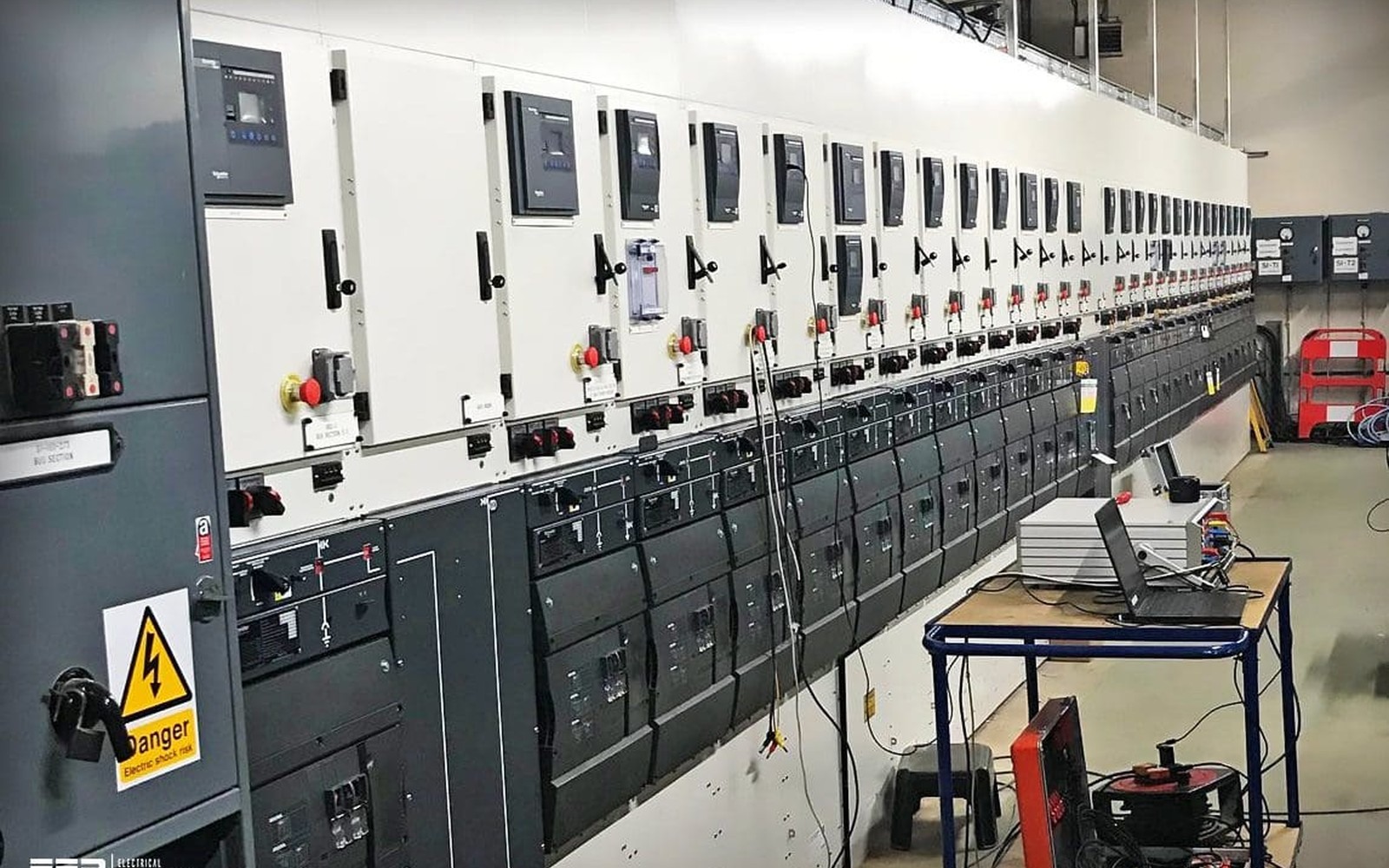
Medium-voltage switchgear covers the range from 5kV to 38kV and handles primary distribution, feeder protection, capacitor bank switching, and generator tie connections at plants, substations, and large commercial campuses. Project values typically start around $150,000 for a small four-section lineup and run into the millions for a full substation switchgear assembly with bus protection, metering, and multiple feeder bays.
We finance medium-voltage switchgear for electrical contractors, plant owners, utilities, and developers. New gear, used lineups sourced through electrical equipment dealers, and refurbished assemblies from tested and certified suppliers all qualify. The minimum transaction is $50,000, and application-only financing is available up to approximately $400,000.
The Range Of Medium-Voltage Configurations
Medium-voltage switchgear is not a single product. The construction type, voltage class, and interrupting medium all vary by application and by what the utility or owner specifies on the one-line.
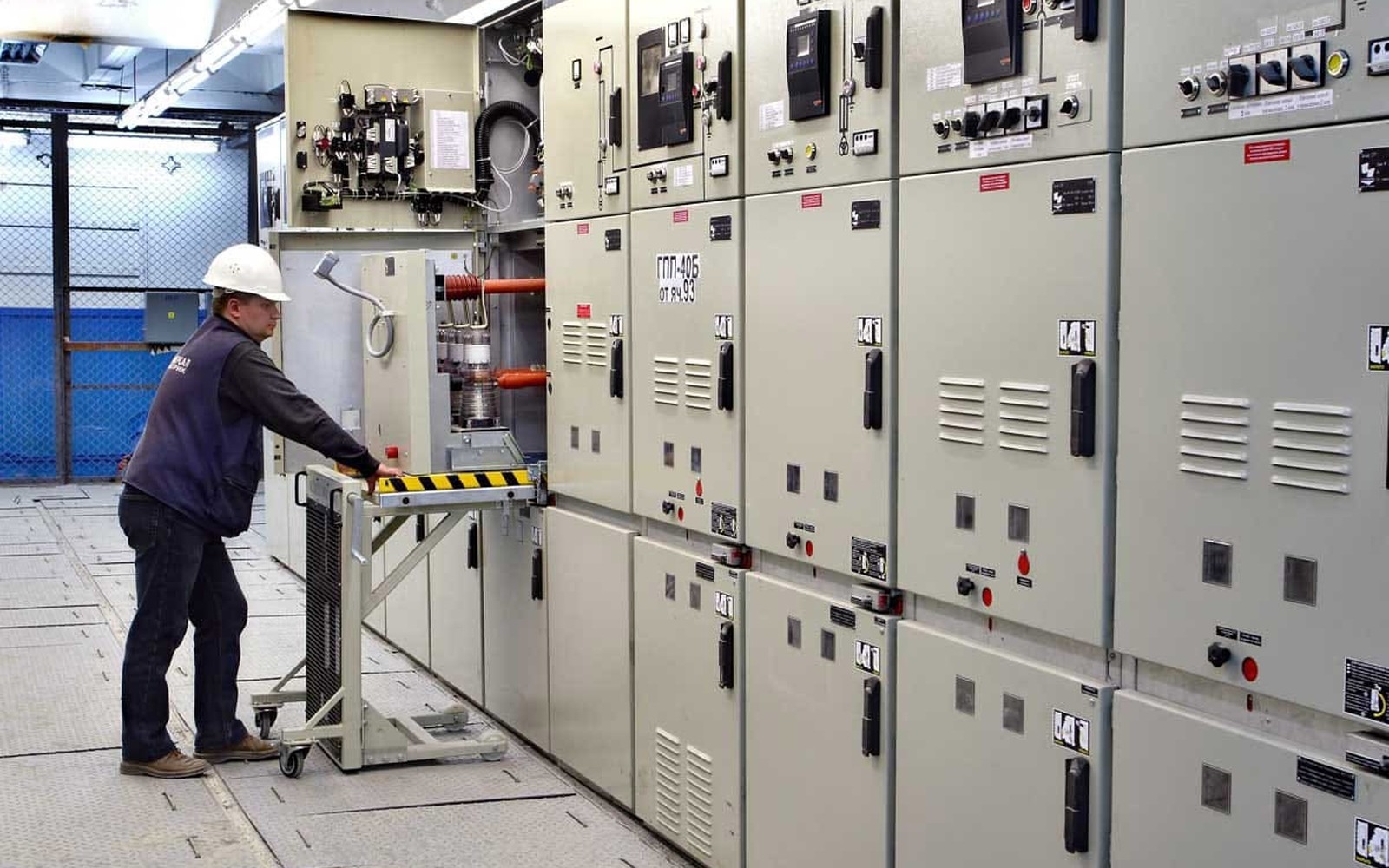
Metal-clad switchgear uses drawout vacuum or SF6 breakers with fully metal-separated compartments. This is the dominant type for industrial and commercial applications in the 5kV to 15kV range. The metal-clad switchgear category has its own page with more detail on construction and financing for those applications.
Metal-enclosed switchgear shares the same voltage class but uses fixed rather than drawout breakers or fused load-interrupter switches. Cost is lower, and the design is common for utility distribution and rural cooperative applications. See the metal-enclosed switchgear page for specifics.
Arc-resistant switchgear adds arc-flash mitigation to the design, redirecting blast energy away from the operator and providing higher ratings under IEEE C37.20.7. Refineries, chemical plants, and petrochemical facilities increasingly specify arc-resistant gear even where the voltage class does not require it. Details are on the arc-resistant switchgear page.
Gas-insulated switchgear (GIS) uses SF6 or alternative gas instead of air as the insulating and arc-quenching medium. GIS takes a fraction of the footprint of air-insulated gear and is common in urban substations and tight indoor spaces. The gas-insulated switchgear page covers that category in detail.
Where Medium-Voltage Switchgear Goes
The industries that drive MV switchgear demand are concentrated in a few sectors where large power capacity is a basic operating requirement.
Industrial and manufacturing plants running 480V distribution on the secondary side of a delta-wye transformer still need 13.8kV or 15kV primary switchgear to connect to the utility service. Motor loads above a few hundred horsepower often feed directly off medium-voltage bus. Industrial and manufacturing facilities are among the largest buyers of replacement and expansion MV gear.
Data centers have made medium-voltage distribution standard practice for any facility above a few megawatts. A hyperscale campus may have dozens of MV feeder sections, each protecting one distribution transformer. Data centers in markets like Ashburn, Dallas, and Phoenix are ordering MV gear in volume and on tight commissioning windows.
Oil, gas, and petrochemical facilities use medium-voltage switchgear to power compressors, pumps, and process equipment rated at the thousands of horsepower. Oil, gas, and petrochemical sites specify arc-resistant gear and full relay protection packages as standard practice.
Renewable energy projects connect solar arrays and wind turbines to the grid through medium-voltage collector systems and step-up transformers with MV switching at the point of interconnection. Renewable energy and solar developers are a growing segment of MV switchgear buyers.
Financing Structures For MV Switchgear Projects
Medium-voltage projects frequently involve progress payment schedules tied to factory milestones. The manufacturer wants a deposit at order, a payment at factory acceptance test (FAT), and the balance at delivery. That payment structure does not match the typical construction draw schedule, and a financing facility that mirrors the manufacturer's milestone schedule keeps the project funded without depleting working capital.
For established businesses with straightforward credit, we can structure term loans or leases with terms running three to seven years. Monthly payments on a $500,000 MV switchgear package over five years with reasonable rates are often well within what the project economics support, particularly when the gear is replacing old equipment that carries maintenance costs or creates unplanned outage risk.
A Sale-Leaseback Financing is worth considering when a plant or facility owns MV switchgear outright. The owner sells the equipment to the financing company and leases it back, releasing cash for other capital needs without interrupting operations. We structure sale-leasebacks on MV gear regularly, including on equipment that is already installed and energized.
What The Credit Review Looks Like
Applications under $400,000 work on an application-only basis for most established businesses. The application asks for business name, time in business, annual revenue, and equipment description. We do not require tax returns or audited financials at this level.
Above $400,000, we add three months of bank statements. For larger MV switchgear projects, a brief business profile and a project description help the credit review move faster because the reviewer understands the transaction context. A substation upgrade for a manufacturing plant reads differently than a startup buying its first distribution line.
Credit quality varies. We work with B/C credit situations. A business with a prior bankruptcy, a tax lien, or bruised credit history can still get financed, particularly with a strong down payment, a short term structure, or equipment that holds value well. If your credit file has complications, note them on the application rather than letting the underwriter discover them. It moves faster.
Price This Switchgear Financing Package
Send the quote, seller, lead time, deposit requirement, project location, and the electrical package scope. We will review the structure around the purchase schedule.
Review Switchgear TermsCommon Questions on Medium-Voltage Switchgear Financing
Straight answers before you send the equipment file.
Can you finance medium-voltage switchgear that's being bought from a secondary-market supplier?
Yes. We finance used and refurbished MV switchgear from recognized electrical equipment dealers. The equipment needs to come with documentation covering the voltage rating, interrupting capacity, and test records. We do not require new gear only.
The project involves both medium-voltage switchgear and a transformer. Can you finance both together?
Yes. We regularly package MV switchgear with associated electrical equipment in a single transaction. A transformer, a lineup of switchgear, and associated protective relays can all be included in one financing facility. This simplifies the paperwork and produces one payment.
We need to pay the manufacturer a deposit before they release the order. How does that work?
Progress and deposit financing is available for exactly this situation. We can structure an advance that covers the manufacturer's required deposit, with subsequent funding tied to delivery or other agreed milestones. This keeps the factory order on schedule without tying up your own cash.
Is a five-year term typical, or can we go longer?
Terms typically run three to seven years on MV switchgear. Medium-voltage gear has a long useful life, often 25 to 40 years for a properly maintained lineup, so a seven-year term is supportable from an equipment-value standpoint. The specific term depends on the transaction size, the credit file, and what payment structure works best for the project budget.
Our company is structured as an LLC that holds a facility. Is that a problem?
Entity structure is not a disqualifier. LLCs, S corporations, C corporations, and sole proprietorships all qualify. If the LLC was formed recently for the project, we may ask for personal guarantee support or additional documentation, but the structure itself is not a barrier.
Review The Medium-Voltage Switchgear Financing Package
Send the equipment quote, seller, lead time, deposit schedule, and project location. The finance desk will review the package against the actual procurement calendar.