
Switchgear Equipment
Metal-Enclosed Switchgear Financing
Utility distribution feeders, rural electric cooperative substations, and mid-size industrial plants frequently specify metal-enclosed switchgear rather than metal-clad because the application does not require drawout breakers and the project budget benefits from the cost difference. The distinction matters on the one-line and it matters in the financing, because buyers in these segments have different procurement timelines and different credit profiles than buyers of metal-clad gear.
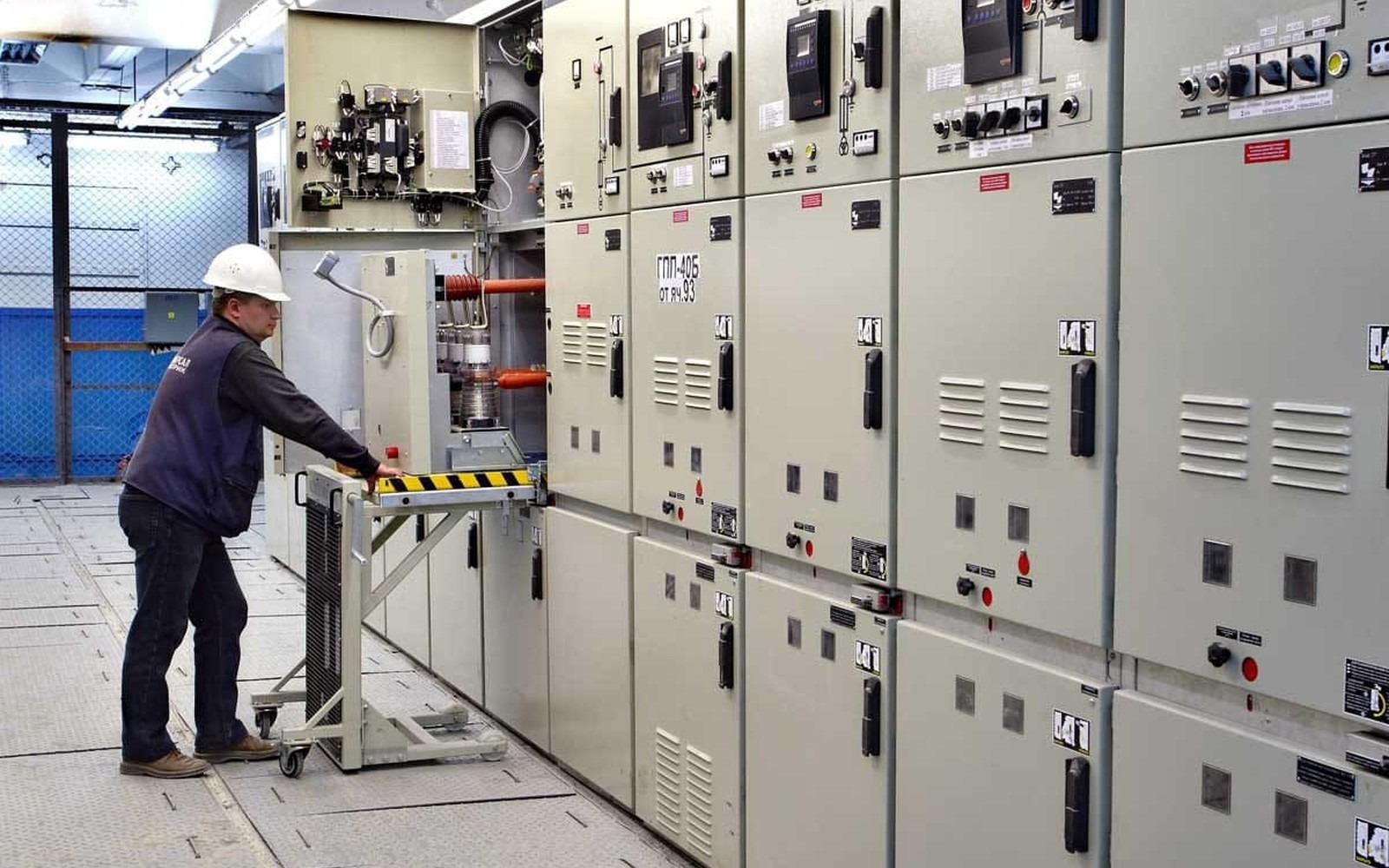
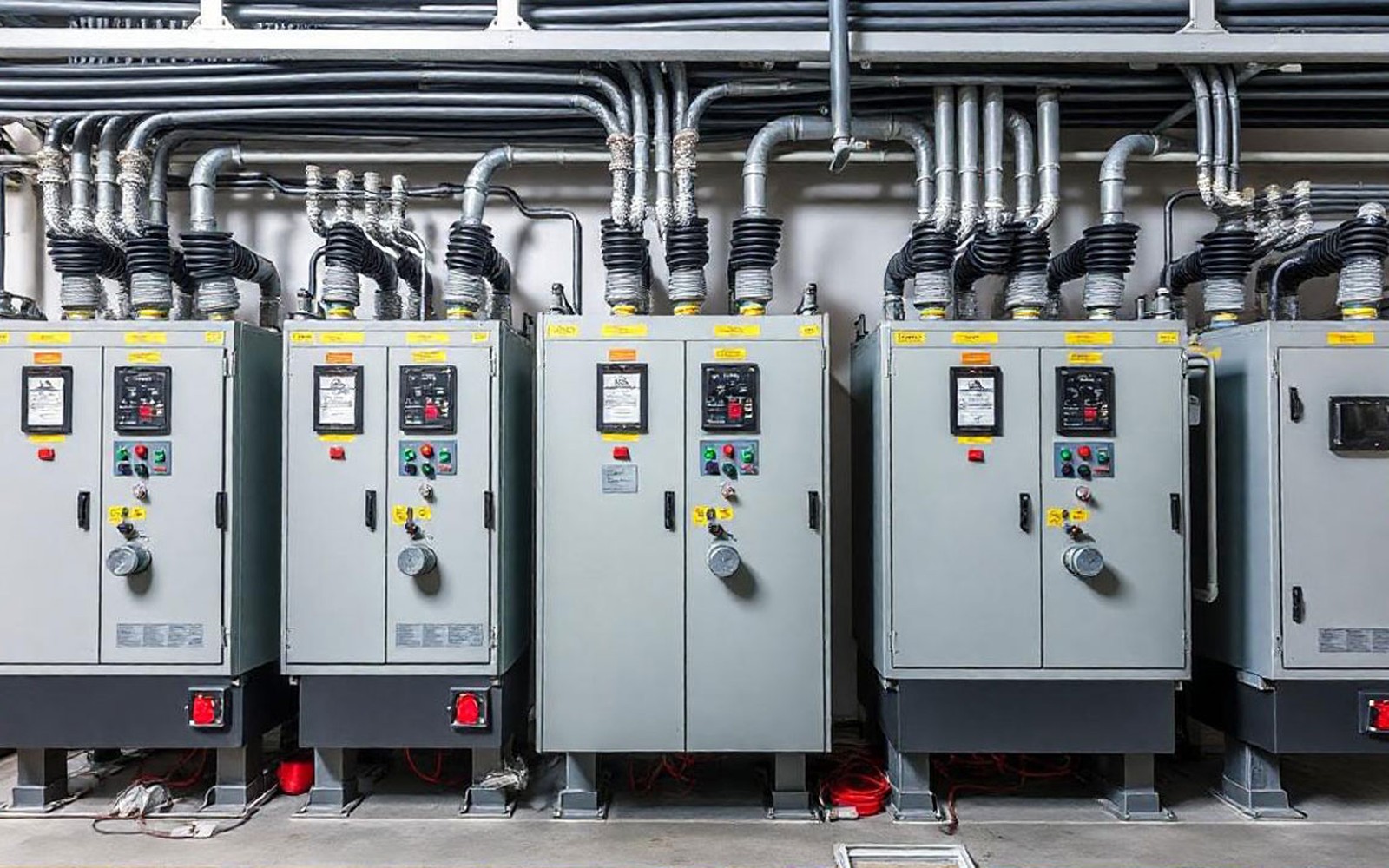
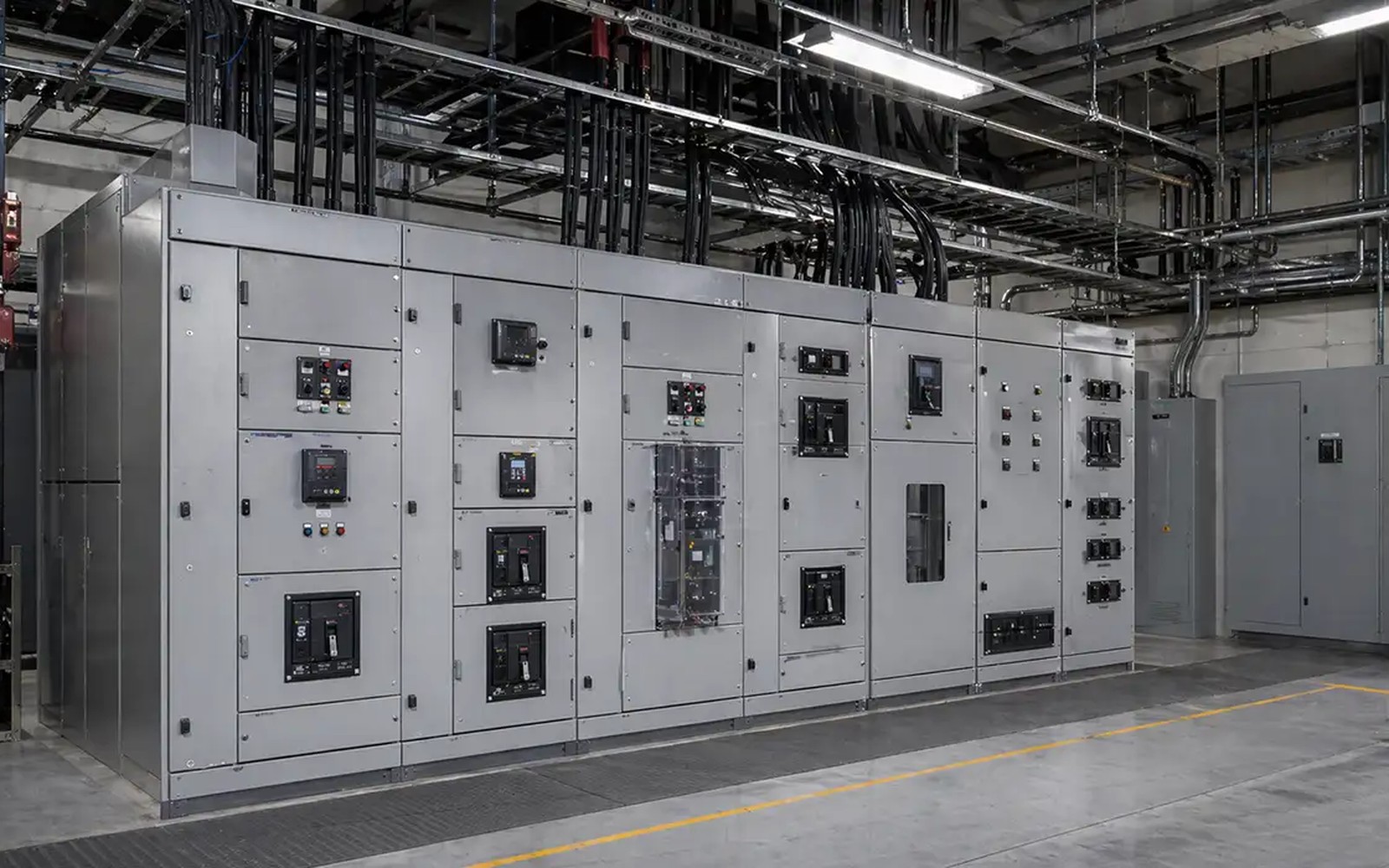
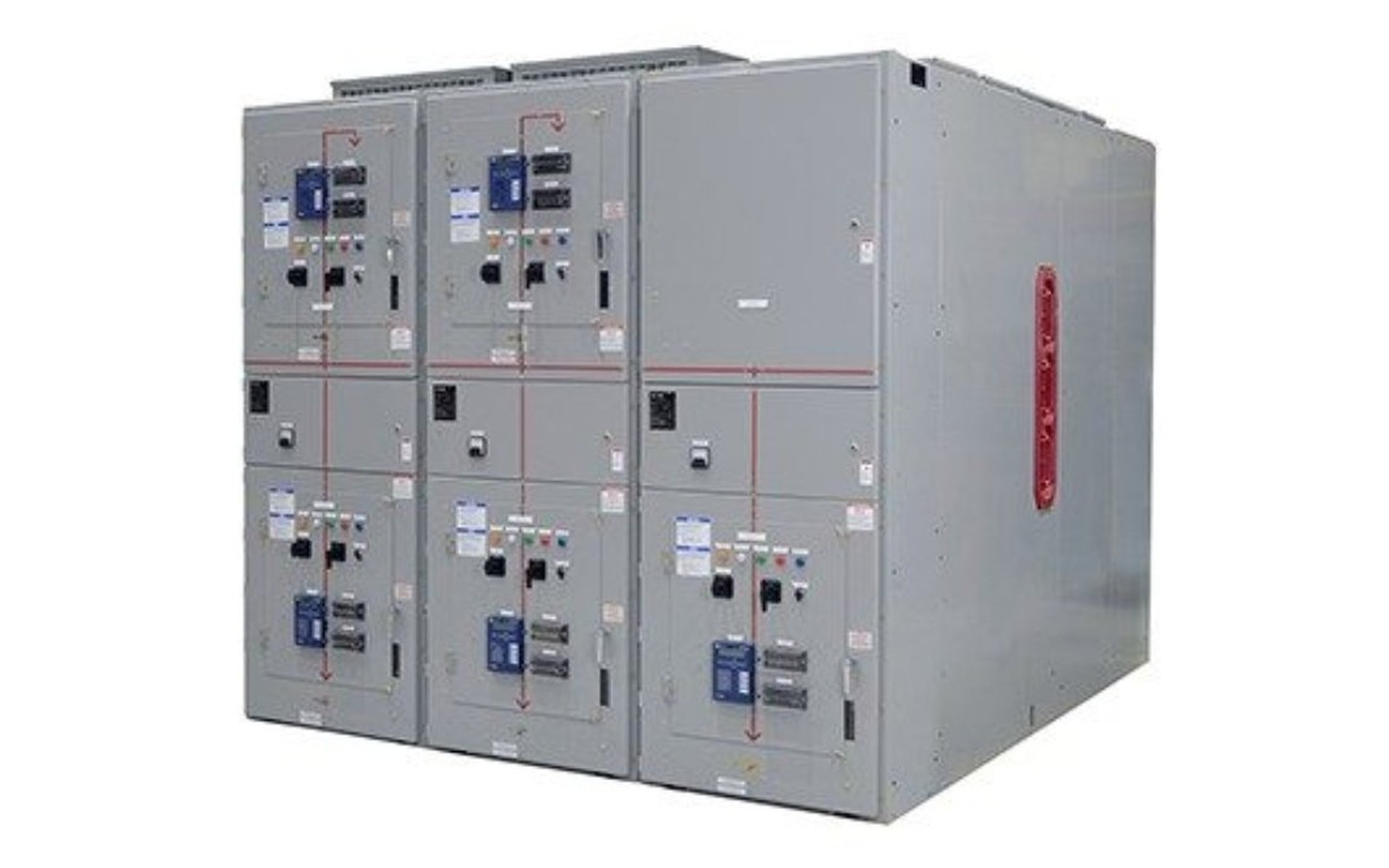
Metal-enclosed switchgear covers a broad range of 5kV to 38kV assemblies using fixed-mounted or drawout vacuum interrupters, fused load-interrupter switches, or a combination. The defining feature is metallic enclosure of all live parts, with metal barriers separating individual sections. Unlike metal-clad switchgear, metal-enclosed designs do not require fully separate metallic compartments for the bus and cable connections, which allows simpler construction and lower cost for applications where that level of isolation is not required.
We finance metal-enclosed switchgear for utilities, cooperatives, electrical contractors, and plant owners. Minimums start at $50,000. Application-only financing covers transactions up to approximately $400,000. Credit decisions come back within 24 to 48 hours on complete applications.
Typical Buyers And Applications
Metal-enclosed switchgear financing serves a distinct set of buyers compared to the metal-clad segment, even though both categories share voltage classes.
Utilities and rural electric cooperatives are major buyers of metal-enclosed fused switchgear and load-interrupter switch assemblies. Distribution substation feeder positions that need switching but not full vacuum-breaker protection are commonly served by metal-enclosed switch lineups. Utilities and electric cooperatives buy this equipment on planned capital project budgets and often move faster on credit than industrial buyers because their financials are straightforward.
Electrical contractors on commercial and light industrial projects sometimes specify metal-enclosed gear when the fault level is lower and the application does not justify the cost premium of metal-clad. Electrical contractors financing OFE equipment on utility-scale or industrial projects are a consistent part of the metal-enclosed buyer pool.
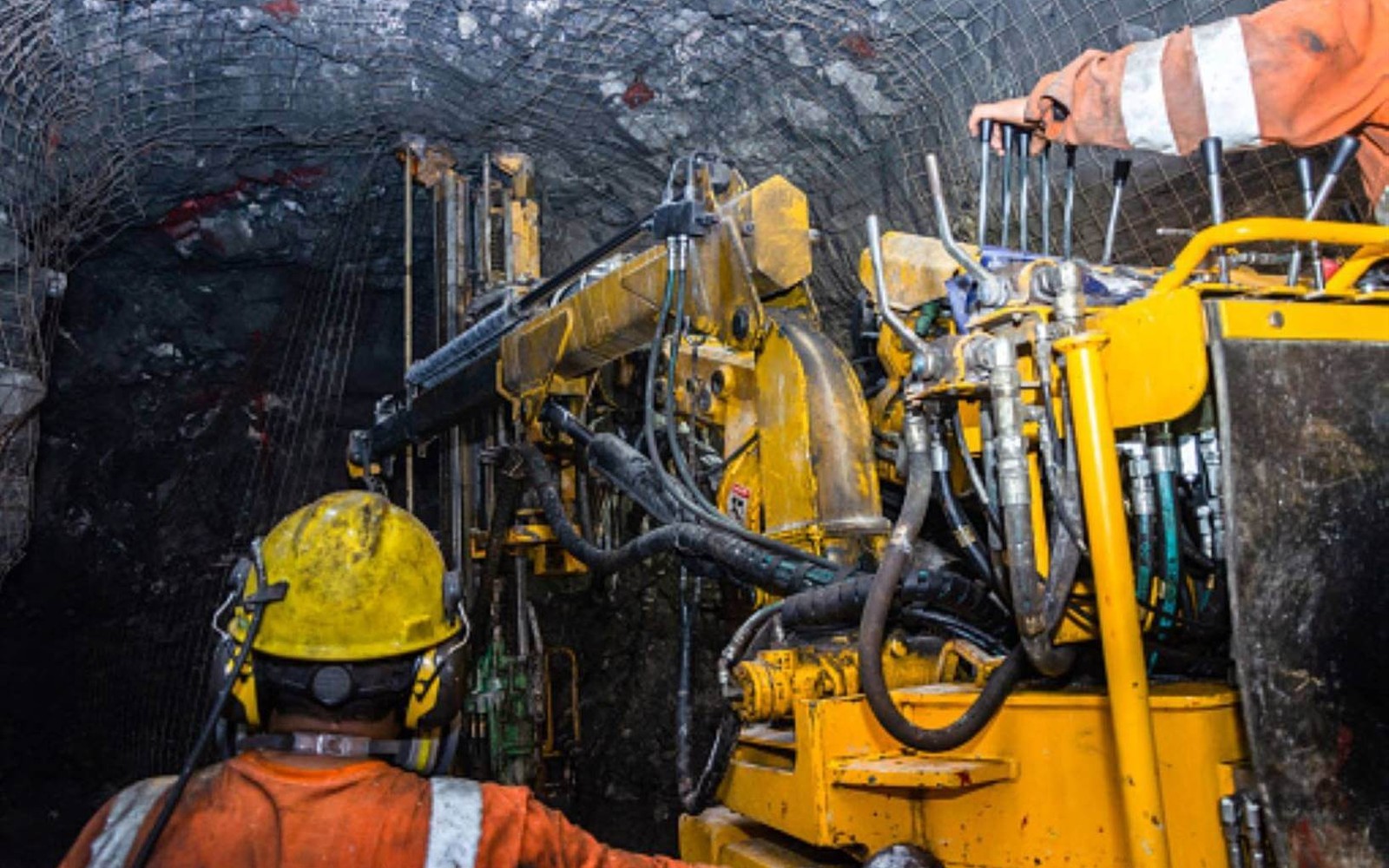
Mining and materials operations at remote sites appreciate metal-enclosed switchgear for its cost efficiency and field-serviceable design. Mining and materials sites in areas with limited electrical service infrastructure often need medium-voltage switching capability that does not need to meet urban-level fault interrupting requirements.
Water and wastewater treatment facilities use metal-enclosed switchgear to feed large-motor pump stations and treatment process equipment. Water and wastewater treatment projects are often publicly funded, which affects the procurement structure but not the equipment financing fundamentals.
New Vs. Used Metal-Enclosed Gear
Metal-enclosed switchgear is produced by a smaller set of manufacturers than metal-clad, and lead times on new equipment vary by manufacturer and configuration. Fused switch assemblies are sometimes available faster than vacuum-breaker designs, but custom bus ratings and relay packages still extend the factory queue.
Used metal-enclosed gear circulates widely in the secondary market. Utility decommissioning programs, plant shutdowns, and substation rebuilds produce tested, documented used lineups that can be available in weeks rather than months. For a project where cost or delivery timeline is the primary constraint, used equipment is worth evaluating seriously.
We finance used metal-enclosed gear with the same structures as new. The documentation requirements are similar: vendor invoice, equipment identification, voltage rating, and available test records. Used equipment that cannot be documented adequately for lending purposes is rare, but it does exist, usually with equipment that has no nameplate and no records. Gear sold through a reputable electrical equipment dealer with proper documentation qualifies without issue.
For projects where a specific brand or configuration is required, we also finance from brands like Siemens and ABB, which manufacture metal-enclosed and metal-clad products across the medium-voltage range. The brand page links to specific model financing options.
How The Deal Gets Done
The process for a metal-enclosed switchgear transaction follows the same structure as other medium-voltage gear financing. Application, credit decision, documents, funding.
For applications under $400,000, there are no tax return requirements. The application covers the business, the equipment, and the vendor. We can return a credit decision the same day or the next business day for most files at this level.
Larger projects add bank statements and sometimes a business financial overview. Metal-enclosed switchgear projects at utility scale often run $500,000 to several million dollars, and transactions at that size get a more detailed review. The review is thorough but not slow. We aim to fund within roughly seven to ten business days after a complete package is received.
Lease and loan structures are both available. A equipment lease preserves balance sheet flexibility, while an equipment loan builds ownership directly. An equipment lease vs. loan comparison helps clarify which structure fits the project and the tax situation better. Terms typically run three to seven years depending on the transaction and the credit profile.
For utility and cooperative buyers exploring whether equipment financing fits better than a bond issuance or a line of credit, the short answer is that equipment financing is faster to close and simpler to document for a specific asset purchase. The working capital vs. equipment financing page covers the key differences. Many cooperatives find that dedicating equipment financing to capital equipment and keeping their line of credit available for operations is the most efficient capital structure for regular gear purchases. Metal-enclosed switchgear, with its long useful life and established secondary market, is exactly the type of asset that equipment financing is built for.
Price This Switchgear Financing Package
Send the quote, seller, lead time, deposit requirement, project location, and the electrical package scope. We will review the structure around the purchase schedule.
Review Switchgear TermsCommon Questions on Metal-Enclosed Switchgear Financing
Straight answers before you send the equipment file.
What's the difference between metal-enclosed and metal-clad switchgear for financing purposes?
From a financing standpoint, both are treated as medium-voltage switchgear and both qualify on similar terms. The technical difference, full compartmentalization in metal-clad vs. metallic enclosure without fully separate compartments in metal-enclosed, affects specification but not the financing eligibility or process.
We're a rural electric cooperative. Can we finance switchgear as a co-op entity?
Yes. We work with cooperatives, including rural electric cooperatives structured under cooperative statutes. The credit review looks at the co-op's financial health the same way it looks at any other entity. Cooperatives with steady member accounts and normal financial operations generally qualify without difficulty.
Can I get financing for switchgear that's part of a larger substation project?
Yes. We finance individual switchgear assemblies as well as broader substation packages that include transformers, relays, and related equipment. A bundled transaction often moves faster than multiple separate applications for the same project.
How does the lender take a security interest in switchgear that's bolted to a substation pad?
Equipment security interests on fixture-mounted electrical equipment are handled through a UCC filing that identifies the specific assembly. The filing does not interfere with the equipment's operation or the facility's other liens. This is standard practice for financing installed power distribution equipment.
Review The Metal-Enclosed Switchgear Financing Package
Send the equipment quote, seller, lead time, deposit schedule, and project location. The finance desk will review the package against the actual procurement calendar.