
Financing Programs
Switchgear Equipment Leasing
Some projects do not need ownership. They need the gear energized on schedule and a payment structure that fits the contract period. Leasing delivers both. You use the equipment, make monthly payments, and at the end of the term you choose between returning it, renewing, or purchasing at a pre-agreed price.
For electrical contractors, data centers, and industrial operators who rotate gear across projects or prefer to keep heavy assets off the balance sheet, leasing is often the smarter move. We structure leases on medium-voltage switchgear, automatic transfer switches, motor control centers, and distribution assemblies from $50k up to multi-million-dollar packages.
How An Equipment Lease Works
The lender purchases the gear and leases it to you for a fixed term. Your payments cover the cost of use, not full ownership. Two main lease types matter here:
- Fair Market Value (FMV) Lease Lower monthly payments. At term end, you buy at whatever the market says the equipment is worth, renew the lease, or return the gear. Good for companies that want operational flexibility or expect technology to change.
- $1 Buyout Lease Higher monthly payments because you are essentially paying off the full cost. At term end, you buy the gear for one dollar. Effectively a loan in lease form, but the payment structure and accounting treatment differ.
The right choice depends on your tax strategy and how long you plan to use the equipment. A more detailed comparison lives on the FMV vs. $1 Buyout Lease page.
Terms typically run 24 to 84 months. Payments are fixed. For projects where gear will rotate after job completion, FMV leases with shorter terms often align better with the actual project timeline.
Switchgear Leasing Specifics
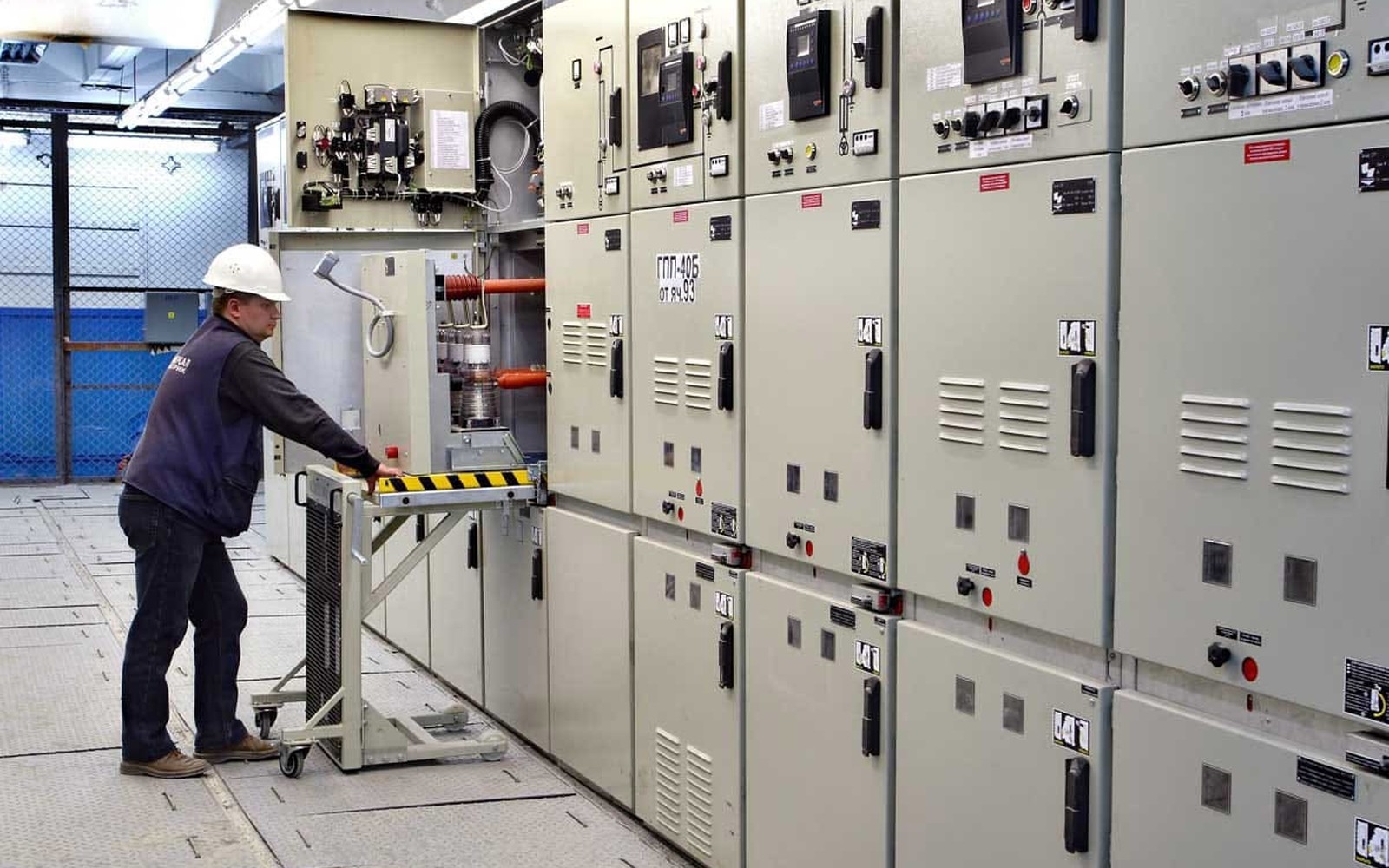
Electrical gear holds value better than most people expect, which is part of why lenders like it as lease collateral. A well-maintained metal-clad switchgear assembly or a arc-resistant switchgear lineup can have a useful life of 30 or more years when properly maintained. That long service life supports residual values that make FMV leases viable and affordable.
Manufacturers like Square D and GE produce gear with strong secondary markets, which helps lenders assign residual value with confidence. That confidence translates to lower monthly payments for the lessee.
One nuance for switchgear leasing: the gear is often custom-built to a specific bus rating, interrupting capacity, and enclosure type. Lenders want documentation of the equipment specifications on the submittal or factory order, not just a line-item quote. Have your submittal or equipment specification sheet ready when you apply.
Best Fit For Leasing
Leasing makes the most sense when at least one of these applies to your situation:
- You want to preserve bank lines for working capital and keep this asset off-balance-sheet.
- The project has a defined contract term and you want payments to match the revenue stream.
- You serve data centers or commercial real estate developers who will own the facility long-term, but you are the contractor installing and commissioning the gear under a specific contract.
- Tax strategy favors fully deducting lease payments as operating expenses rather than depreciating owned equipment over years.
- You are procuring gear for a temporary or modular installation where return or re-deployment at end of term is a real option.
If you want full ownership from day one with no end-of-term decision, a loan is probably the better fit. The Equipment Lease vs. Loan page walks through both sides of that decision with specifics relevant to electrical gear.
What Types Of Electrical Gear Can Be Leased
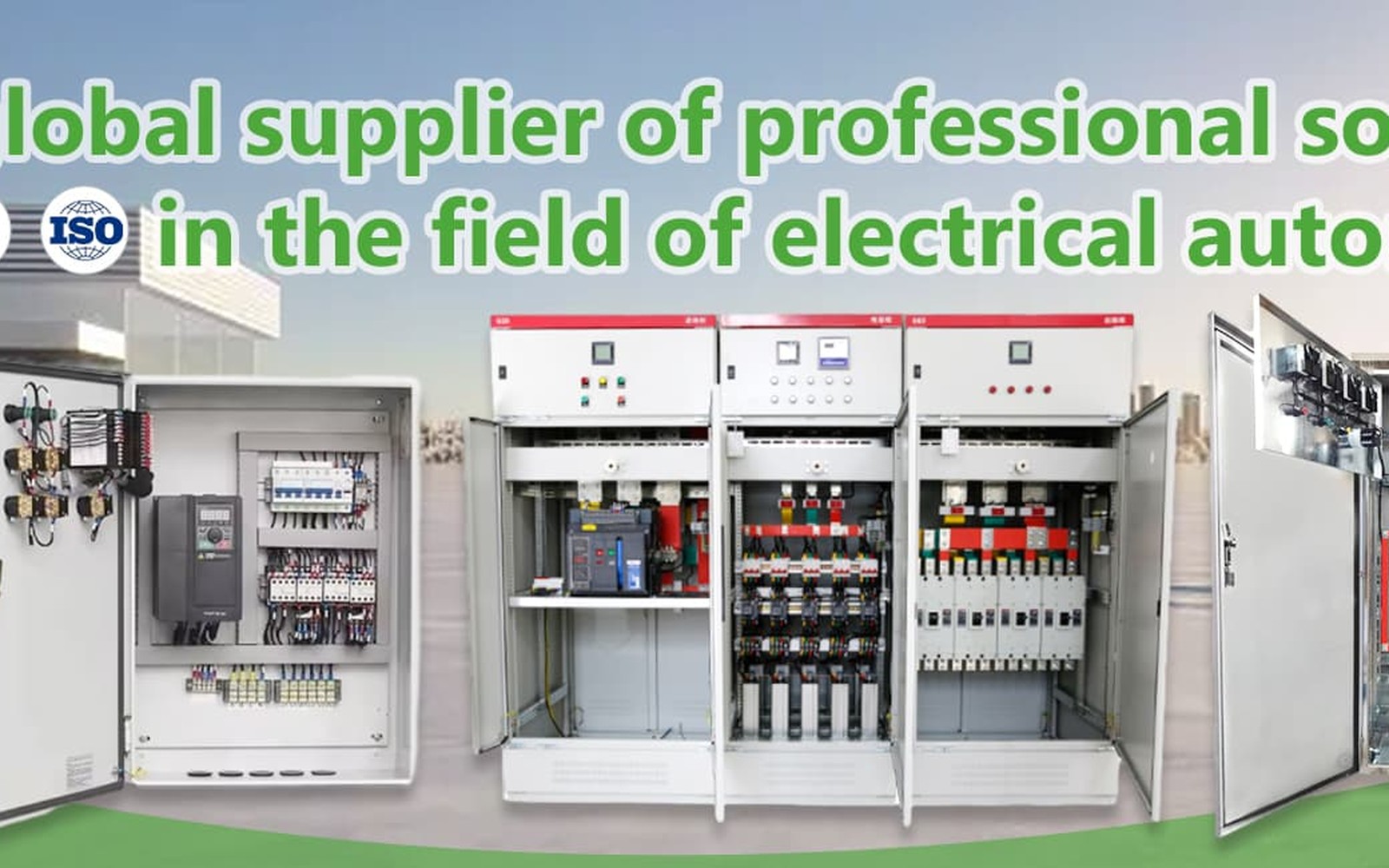
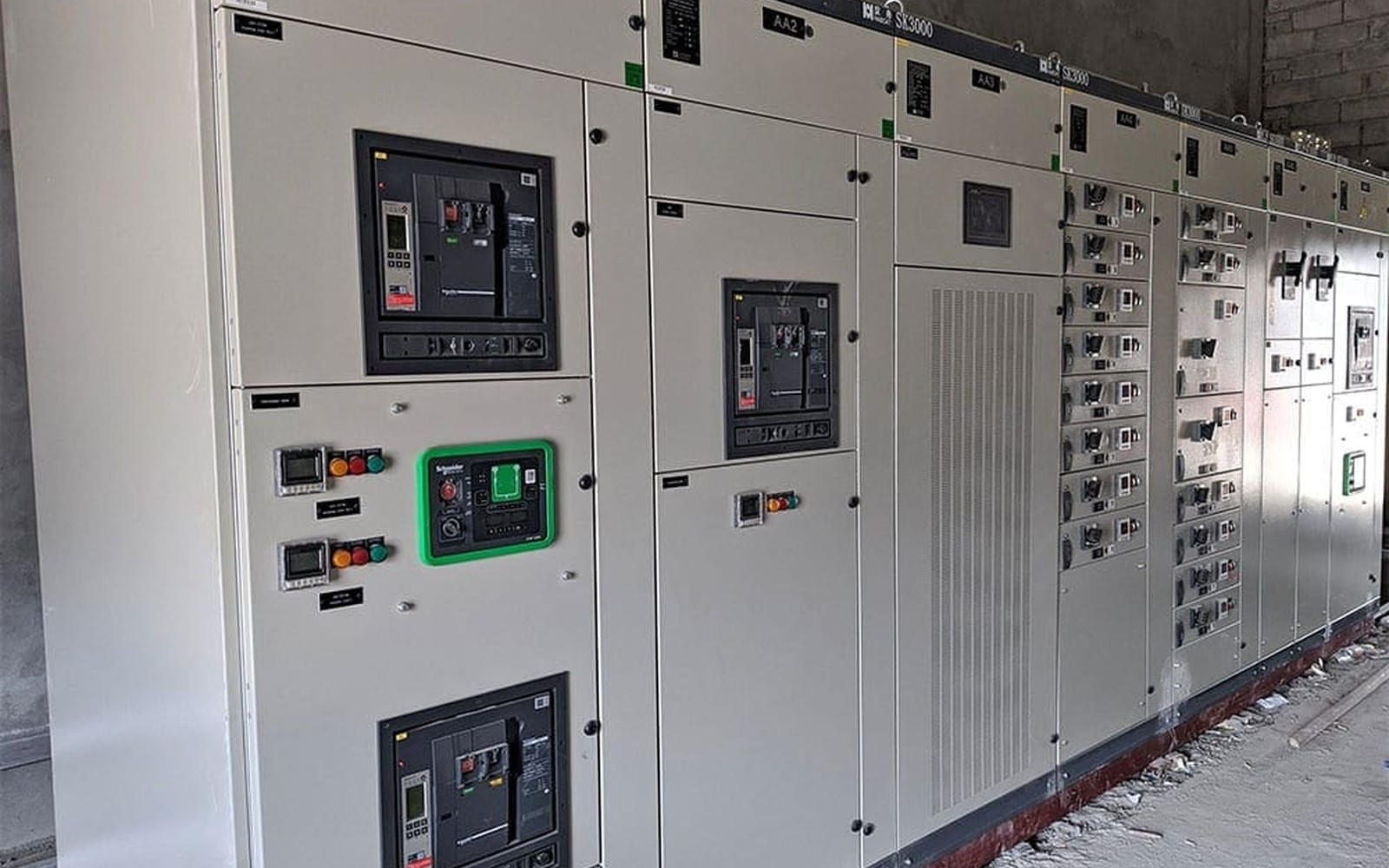
Any electrical switchgear or distribution equipment with an established market value can be structured as a lease. The most common items we see in lease transactions include low-voltage and medium-voltage switchgear lineups, motor control centers for process-critical installations, pad-mounted and dry-type transformers, automatic transfer switches for mission-critical applications, and paralleling switchgear for generator installations. Large substations and custom-engineered assemblies are also leaseable when the manufacturer and specification are clearly documented.
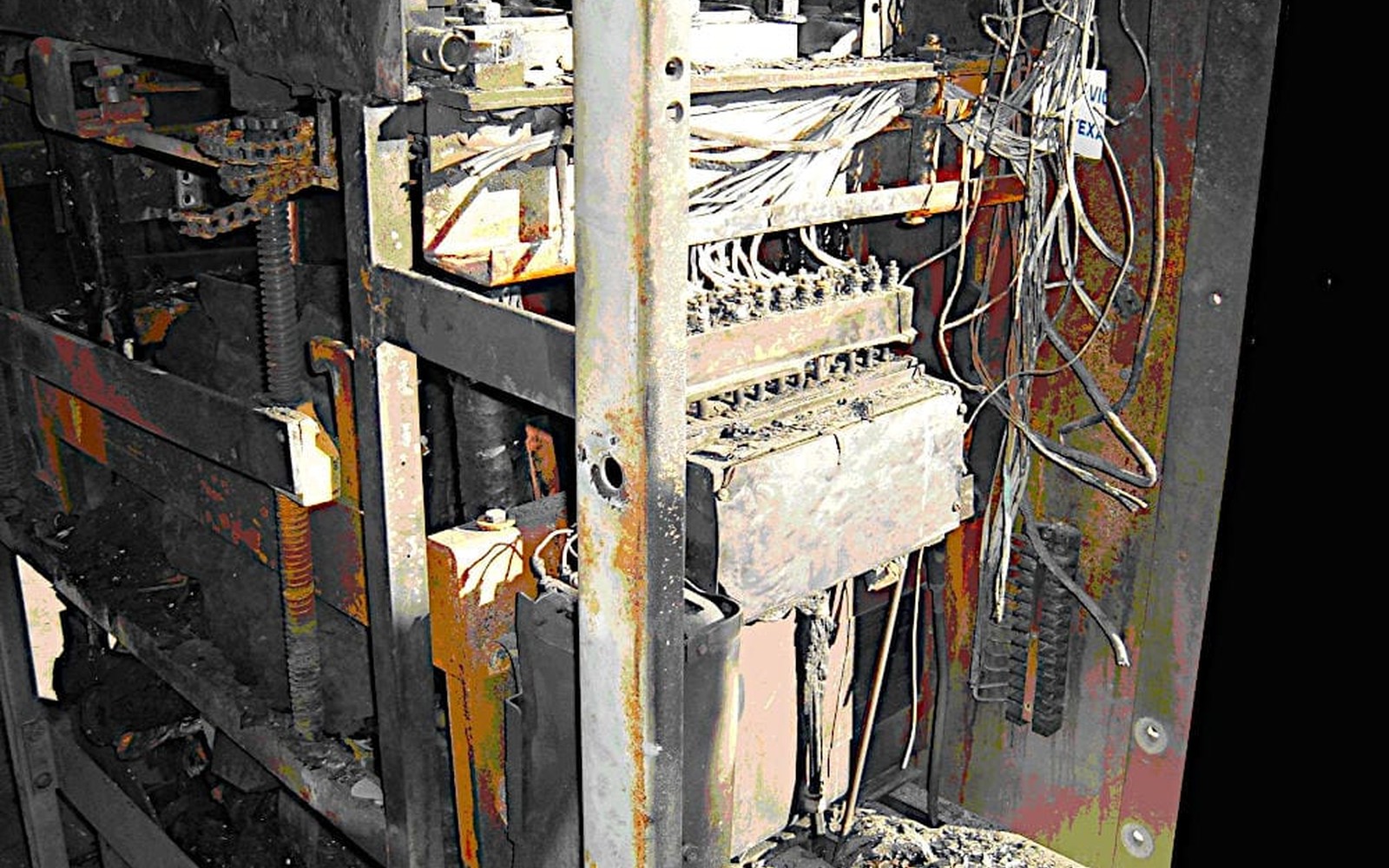
One category worth discussing separately is used switchgear. Used gear can be leased, but the process requires an independent appraisal to establish residual value rather than relying on a vendor invoice. When the used equipment comes with a full refurbishment report from a certified electrical equipment reconditioning shop, the appraisal process is much smoother and the residual value assignment is more favorable. If you are sourcing refurbished switchgear for a lease transaction, get that documentation in order before submitting the application.
Timeline And Application
Lease applications follow the same approval timeline as loans: roughly one to two weeks from application to funding. At roughly $400k or below, application-only review applies and skip the financial statement requirement. Above that, three months of business bank statements is the standard ask.
One document that speeds the lease application significantly is the vendor quote or purchase order. For custom-built switchgear, a submittal with specs, pricing, and lead time gives the underwriter everything needed to assign residual value and structure the transaction. The more detailed the quote, the faster the process.
Start A Switchgear Lease Quote
Send us the equipment spec, the vendor quote, and the term you are thinking. We will come back with lease options including payment estimates for FMV and buyout structures so you can compare before committing.
Price This Switchgear Financing Package
Send the quote, seller, lead time, deposit requirement, project location, and the electrical package scope. We will review the structure around the purchase schedule.
Review Switchgear TermsCommon Questions on Switchgear Equipment Leasing
Straight answers before you send the equipment file.
Can I upgrade or swap the equipment during the lease term?
That depends on the lease agreement. Some FMV leases include upgrade provisions that let you roll into newer gear mid-term. Others require you to complete the term before upgrading. Ask about this before signing if equipment rotation is part of your plan.
Does leasing switchgear affect my bonding capacity?
Operating leases are typically classified differently from debt on financial statements, which can preserve bonding capacity relative to a term loan. Talk to your surety broker about how your bonding company treats equipment leases before making the decision.
What happens at the end of a fair market value lease?
You have three options at the end of an FMV lease: purchase the equipment at its fair market value at that time, renew the lease for an extended term, or return the equipment to the lessor. You are not locked into any of the three.
Is the full lease payment tax-deductible?
Operating lease payments are generally deductible as a business expense in the year they are made. That differs from a loan where you deduct depreciation on the asset and the interest portion of payments. Confirm the tax treatment with your accountant because the IRS has specific tests for operating vs. capital lease classification.
Can I lease used switchgear, or only new equipment?
Used gear can be leased, but the process is slightly different. The lessor needs an appraisal or certified inspection to establish residual value. We can assist with sourcing an appraisal when used equipment is involved.
My switchgear has a 20-week lead time. Can the lease be approved now but fund at delivery?
Yes. Lease approval and commitment can happen before the gear ships, with funding timed to delivery and commissioning. This is standard for custom-fabricated switchgear where the approval process and the manufacturing timeline overlap.
Review The Switchgear Equipment Leasing Package
Send the equipment quote, seller, lead time, deposit schedule, and project location. The finance desk will review the package against the actual procurement calendar.