

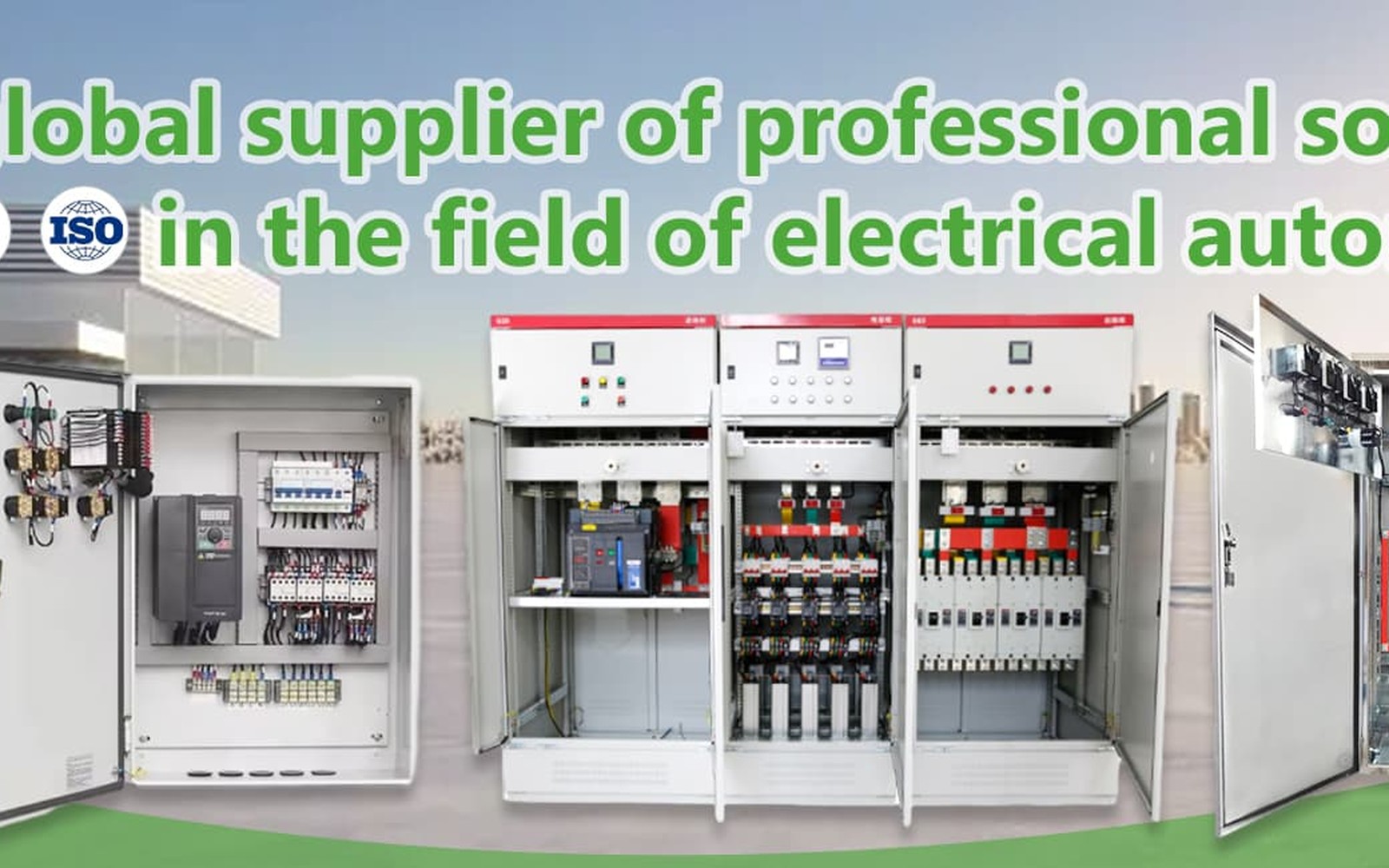
Switchgear Equipment
Motor Control Center (MCC) Financing
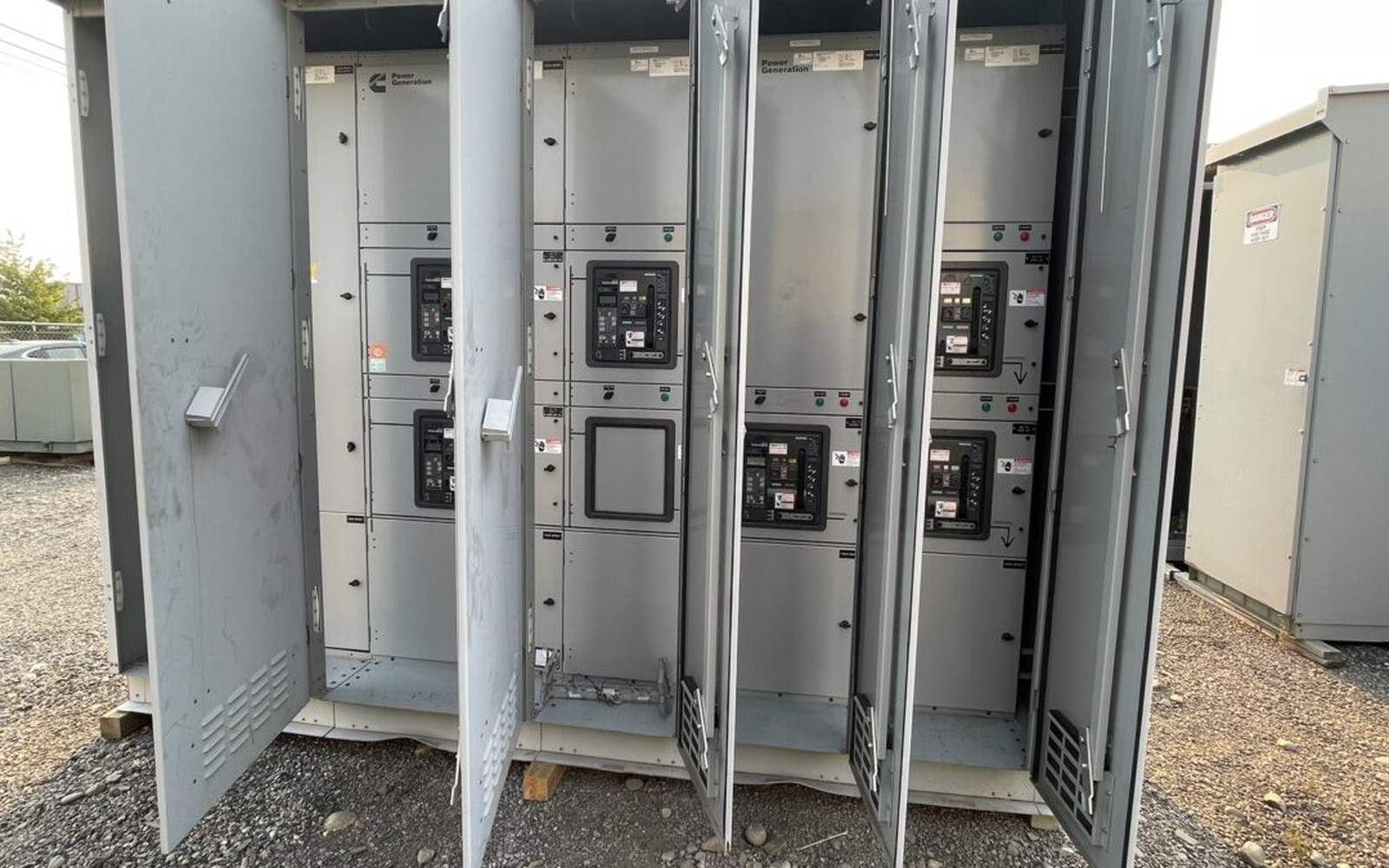
Motor control centers are where the plant's motor loads get their protection, starting, and control in a single organized assembly. Conveyors, pumps, fans, compressors, and process drives all connect to the MCC, which handles line protection, overload protection, and in many modern designs, communication with the plant's control system. A large industrial plant may have dozens of MCCs spread across the facility, each serving a zone or a process unit.
The MCC market spans a wide range from small low-voltage assemblies at $30,000 to $80,000 for a basic unit serving a handful of motors, up to large multi-section assemblies at $300,000 to $600,000 or more for a fully specified control center with variable frequency drives, soft starters, smart motor controllers, and Ethernet communication built into the plug-in units. When the project involves replacing or adding MCC capacity at an industrial facility, the cost adds up quickly and financing makes sense.
We finance motor control centers for industrial plant owners, electrical contractors, and system integrators. Both low-voltage and medium-voltage MCCs qualify. Application-only financing covers transactions up to approximately $400,000. New and used MCC equipment both qualify.
MCC Construction And Configurations
Motor control centers meet NEMA ICS 18, which specifies construction types for the plug-in unit mounting and wiring. The most common construction types are Type B (rear wiring to unit back), Type C (rear wiring to wireway), and Type F (front-accessible wiring), with Type B being the most common in new commercial and industrial construction.
Individual MCC units vary in size and function. Standard combination motor starter units include a main disconnect, a magnetic starter with overload relay, and control wiring terminals. Smart MCC units add a motor protection relay with communication capability. Variable frequency drives in plug-in MCC units are increasingly common for pump and fan applications where speed control reduces energy consumption. Variable frequency drives built into MCC plug-in units are financed as part of the MCC assembly, not separately.
Low-voltage MCCs at 480V are the dominant product in the market. Medium-voltage MCCs at 2,400V, 4,160V, and 6,900V serve large motor loads above a few hundred horsepower. The low-voltage MCC page covers the 480V product in detail. The medium-voltage MCC page covers the higher-voltage products. Both categories qualify for financing under the same terms.
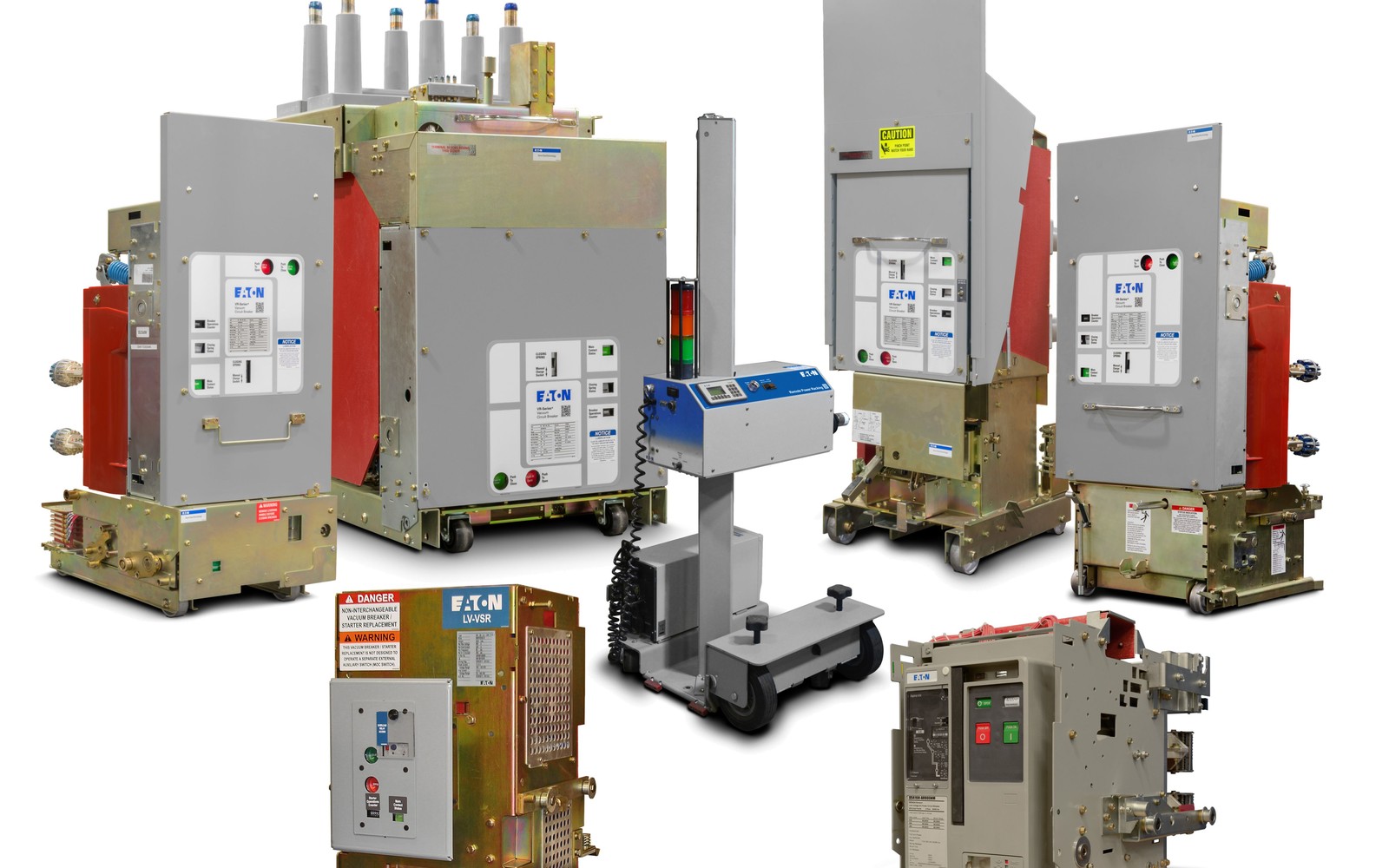
Major manufacturers include Eaton (Freedom 2100 series), Square D (Model 6), and Siemens (tiastar series), each with their own plug-in unit designs, bus ratings, and communication capabilities.
Industries That Buy MCCs
MCCs show up wherever motors are operated in an organized facility. The range is broad, but some industries dominate the MCC financing market.
Water and wastewater treatment facilities run pump and blower systems that require reliable, maintainable motor starters organized in control centers. Replacement of aging MCC equipment is a recurring capital need for treatment plants. Water and wastewater treatment operators, including municipal utilities and private operators, finance MCC replacement regularly.
Industrial and manufacturing plants operate the widest range of MCC configurations. A food processing plant, a chemical facility, and a metal fabrication shop all use MCCs but with very different motor loads, control requirements, and environmental ratings. Industrial and manufacturing facilities replacing end-of-life MCCs or adding capacity for new production equipment are consistent buyers.
Oil, gas, and petrochemical operations at refineries and processing facilities use NEMA 4X rated MCCs in corrosive or washdown environments, and some applications require hazardous-location ratings. Oil, gas, and petrochemical buyers of hazardous-location MCCs face higher equipment costs that push transaction sizes well above the application-only threshold.
Cold storage and food processing facilities run refrigeration compressors, evaporator fans, and conveyor systems from MCCs, often in environments requiring NEMA 4 or NEMA 4X enclosures for moisture resistance. Cold storage and food processing MCC buyers are common in areas with major logistics and refrigerated warehousing activity.
MCC Financing Terms
MCC transactions typically fall typically $50k to $500k all-in for mid-size industrial projects. Larger facilities with multiple MCC replacements can run well above that. The application-only path handles most standard industrial MCC purchases under $400,000. Larger transactions add bank statements and business financial documentation.
Terms run three to seven years. MCCs have a useful life of 20 or more years when properly maintained, which supports longer terms from a collateral standpoint. A five-year term is the most common for mid-size industrial MCC projects, balancing payment size against total financing cost.
A Sale-Leaseback Financing on MCCs already installed and paid for releases capital that was tied up in the equipment purchase. For plants that paid cash for a recent MCC upgrade, a sale-leaseback returns that outlay to working capital without removing the equipment from service. We have structured sale-leasebacks on installed MCCs at industrial plants where the business needed liquidity for other capital projects.
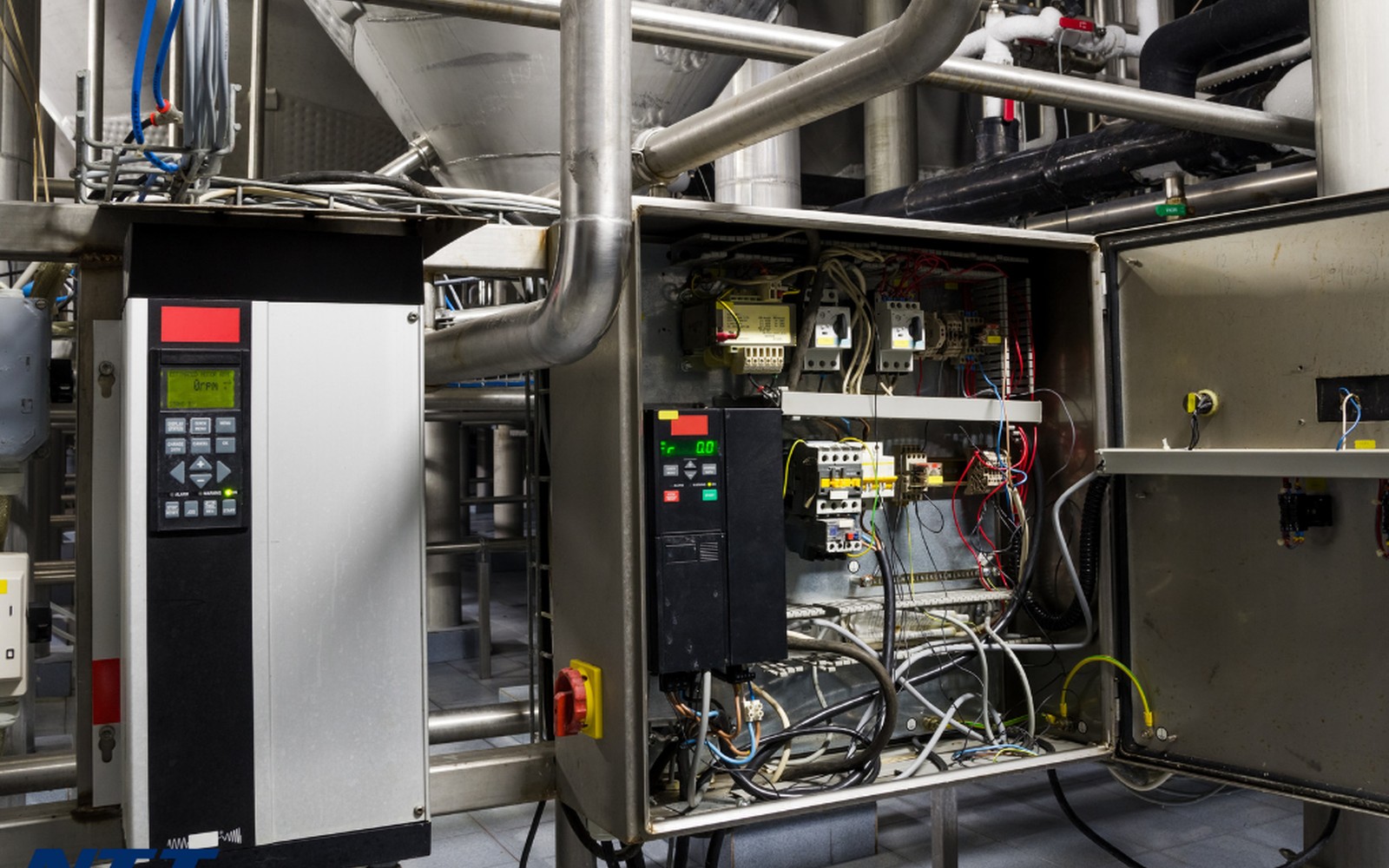
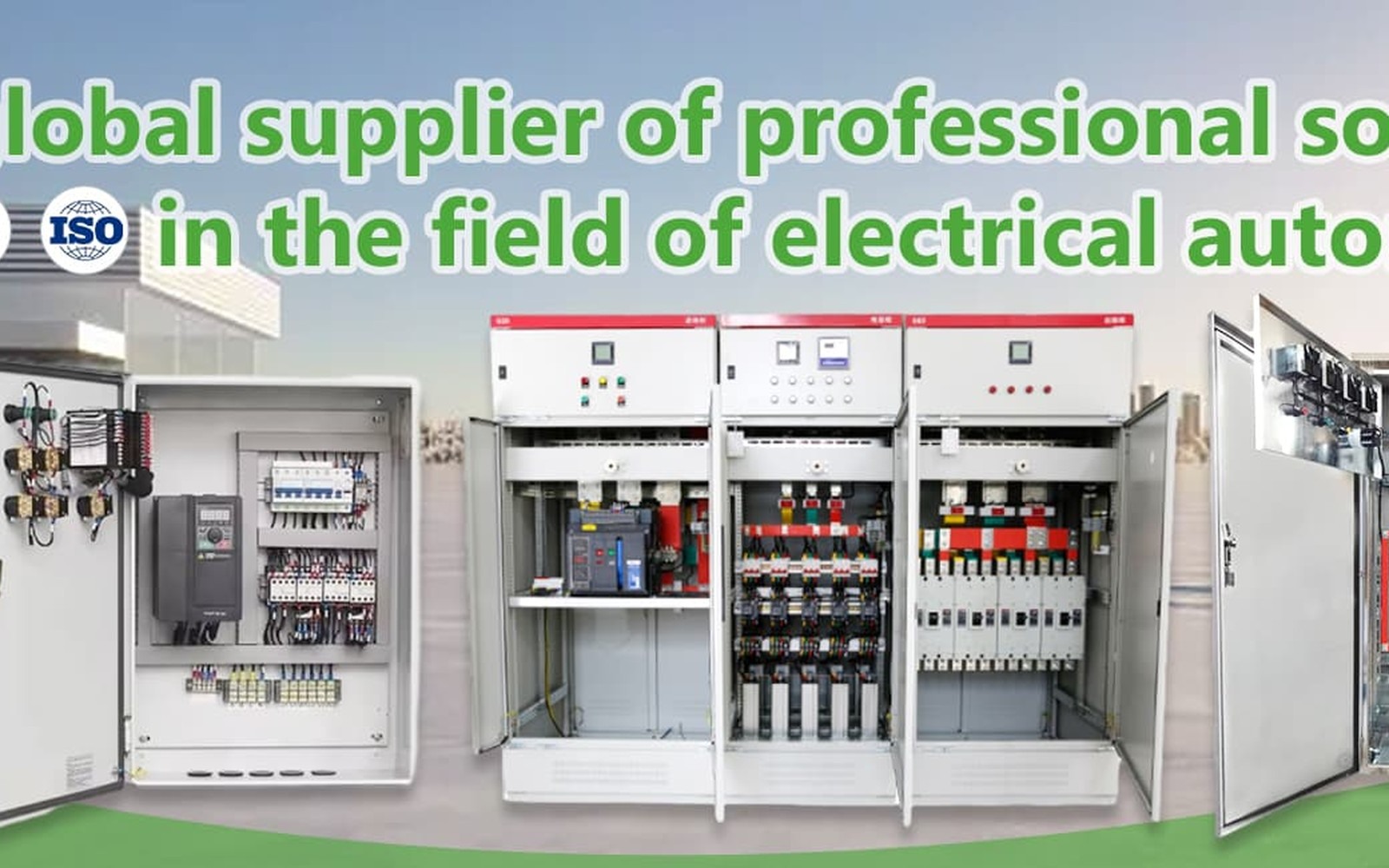
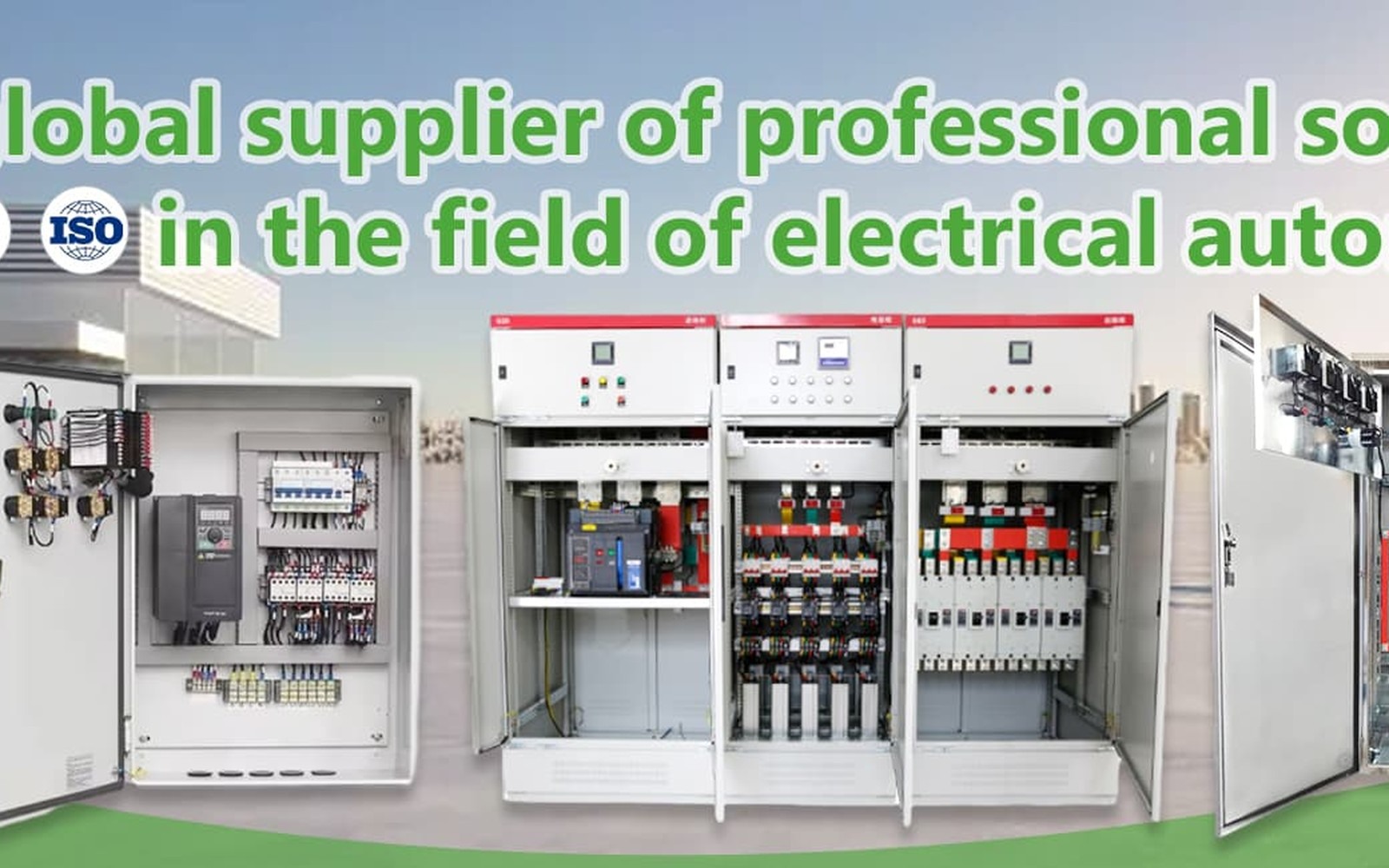
Price This Switchgear Financing Package
Send the quote, seller, lead time, deposit requirement, project location, and the electrical package scope. We will review the structure around the purchase schedule.
Review Switchgear TermsCommon Questions on Motor Control Center (MCC) Financing
Straight answers before you send the equipment file.
Can we finance a mix of MCC equipment, including some sections with VFDs and some with standard starters?
Yes. An MCC assembly with a mix of standard combination motor starter units and plug-in VFD units is financed as a single MCC purchase. The internal unit configuration is a specification decision, not a financing eligibility question.
The MCC is replacing a 1985 vintage assembly during a planned shutdown. Is there a deadline problem if we apply now?
There is no deadline problem if you apply now for an upcoming project. We can approve the financing and hold the commitment for the shutdown period. The timing of funding release can align with when you need to purchase and take delivery of the new equipment.
Can we finance a hazardous-location MCC for a refinery application?
Yes. Hazardous-location MCCs with Class I or Class II ratings qualify for financing. The hazardous-location rating increases the equipment cost, which increases the transaction size, but does not affect the financing eligibility. The application process is the same.
Our MCC project involves both equipment from a manufacturer and a custom wiring and integration package from a third-party integrator. Can all of that be financed together?
Equipment and integration work on an MCC project can sometimes be packaged in one transaction when the scope is contracted under a single turnkey purchase order. When the integration is contracted separately as labor-only, only the equipment portions are financeable. The structure of the contract matters here.
Review The Motor Control Center (MCC) Financing Package
Send the equipment quote, seller, lead time, deposit schedule, and project location. The finance desk will review the package against the actual procurement calendar.