
Switchgear Equipment
Variable Frequency Drive (VFD) Financing
Variable frequency drives are bought for two reasons. The first is control, a process that needs a motor to run at varying speeds. The second is energy. A pump or fan running at 80% speed uses roughly half the power of the same motor running at full speed, and that savings compounds across every operating hour. For industrial plants running dozens of pumps and fans, the energy math alone often justifies a fleet VFD installation without needing any other argument.
VFD price ranges are wide. A 5-horsepower drive for a small pump starts at a few thousand dollars. A 500-horsepower drive for a large centrifugal pump or fan runs $20,000 to $60,000. Medium-voltage drives for large compressors and mills can run $100,000 to $500,000 per unit. When a project involves installing VFDs across multiple motor loads in a facility, the total adds up quickly and financing makes sense.
We finance variable frequency drives for industrial plant owners, electrical contractors, OEMs, and system integrators. Minimum transaction $50,000. Application-only up to approximately $400,000. New VFDs and used units from recognized distributors both qualify.
VFD Technology And Application Ranges
Variable frequency drives convert fixed-frequency AC power to a variable-frequency, variable-voltage output. The AC-to-DC-to-AC conversion happens through a rectifier, a DC bus with capacitor bank, and an inverter using insulated-gate bipolar transistors (IGBTs). The output frequency and voltage are controlled by the drive's software to produce the desired motor speed and torque profile.
Low-voltage drives at 480V or 600V cover the majority of industrial VFD applications. The horsepower range at LV stretches from fractional-horsepower units for small HVAC fans up to a few thousand horsepower for large pumps and fans at the upper end of LV ratings, though very large LV drives are less common than their MV equivalents at that power level.
Medium-voltage drives at 2.4kV, 4.16kV, and 6.9kV handle the motor loads above a few hundred horsepower where LV becomes inefficient. Toshiba makes the G9/H9 adjustable speed drive family specifically for MV applications including demanding retrofit and OEM uses. A large centrifugal compressor, a refinery blower, or a mine mill drive may specify a medium-voltage VFD as the only practical speed control solution at that power level.
Regenerative VFDs can return braking energy back to the supply grid rather than dissipating it in resistors, which is economically significant for cranes, elevators, and downhill conveyors where regenerative braking recovers substantial energy. These drives carry a cost premium but reduce operating cost in regenerating applications.
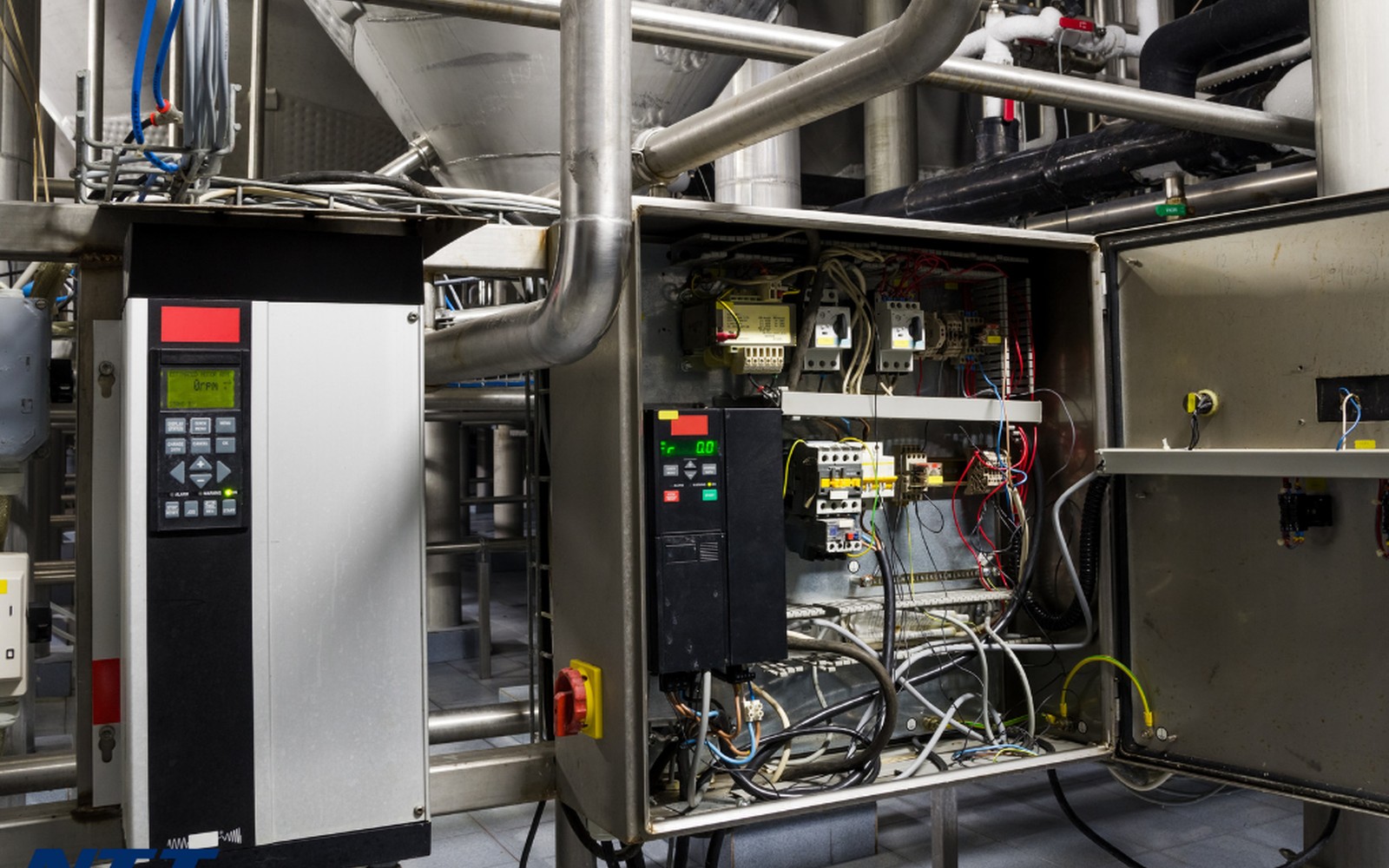
VFDs are frequently installed alongside low-voltage motor control centers as plug-in units in the MCC bus, or as standalone enclosed drives adjacent to the MCC. Some applications use soft starters instead of VFDs where speed control is not needed and only reduced-voltage starting is required.
VFD Buyers And Their Projects
VFD financing follows pump, fan, and compressor applications across industries where motor speed control has a direct energy or process benefit.
Water and wastewater treatment facilities are major VFD buyers. Variable speed pumping for pressure zone control, variable speed aeration blowers for biological treatment processes, and VFD-controlled centrifuge drives all represent common municipal infrastructure investments. Water and wastewater treatment facilities replacing constant-speed pumps with VFD-controlled systems often see energy savings that pay for the drive within three to five years.
Industrial and manufacturing plants running production lines, HVAC systems, and process equipment use VFDs throughout the facility. A plant energy audit that identifies 20 constant-speed motors as candidates for VFD installation can produce a capital project worth $200,000 to $500,000 in drive hardware alone. Industrial and manufacturing VFD projects often include a mix of LV and, in some cases, MV drive installations.
Cold storage and food processing facilities use VFDs for refrigeration compressors, evaporator fans, and condensers where variable speed reduces energy consumption during periods of lower load. Cold storage and food processing operators financing VFD retrofits on existing refrigeration equipment see energy and demand cost reductions that improve facility economics.
VFD Financing Structures
VFD transactions range from a small single-drive purchase that barely meets the $50,000 minimum to large fleet installations running several hundred thousand dollars. The application-only path handles most VFD projects under $400,000 efficiently. Larger projects add bank statements.
For projects where the VFD installation is primarily energy-efficiency driven, the financing term can be matched to the payback period. A drive that saves $20,000 per year in energy costs pays back in a few years; a five-year financing term keeps the annual payment below the annual savings, making the project cash-flow positive from the first year.
Equipment loans for VFD projects may qualify for Section 179 first-year deduction treatment, making the net after-tax cost lower than the sticker price. The Section 179 financing page covers how to structure a transaction to capture that benefit. For businesses that prefer lease treatment and the option to upgrade as technology improves, an equipment lease keeps the option to replace drives with newer models when the lease term ends without the residual value complication.
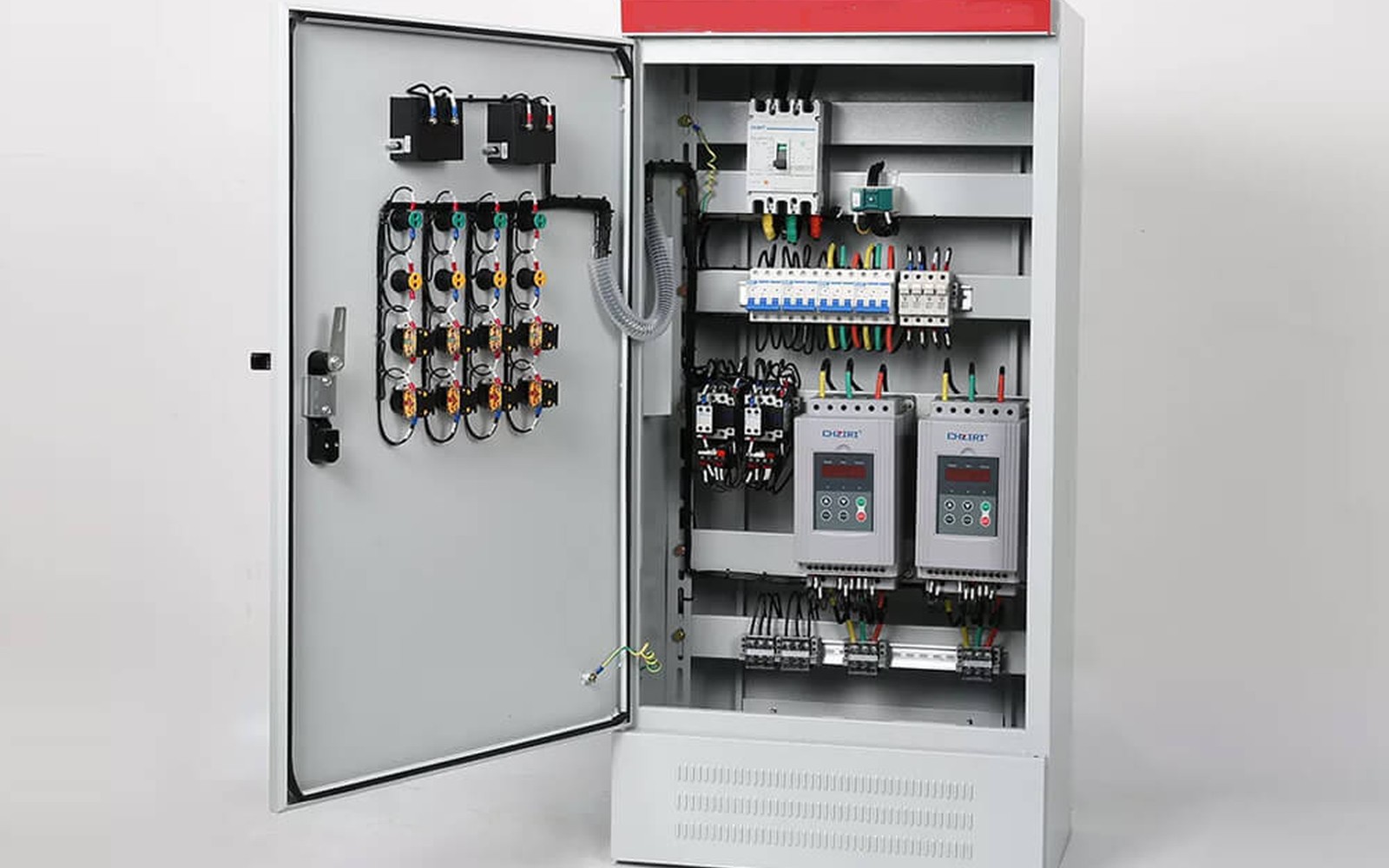
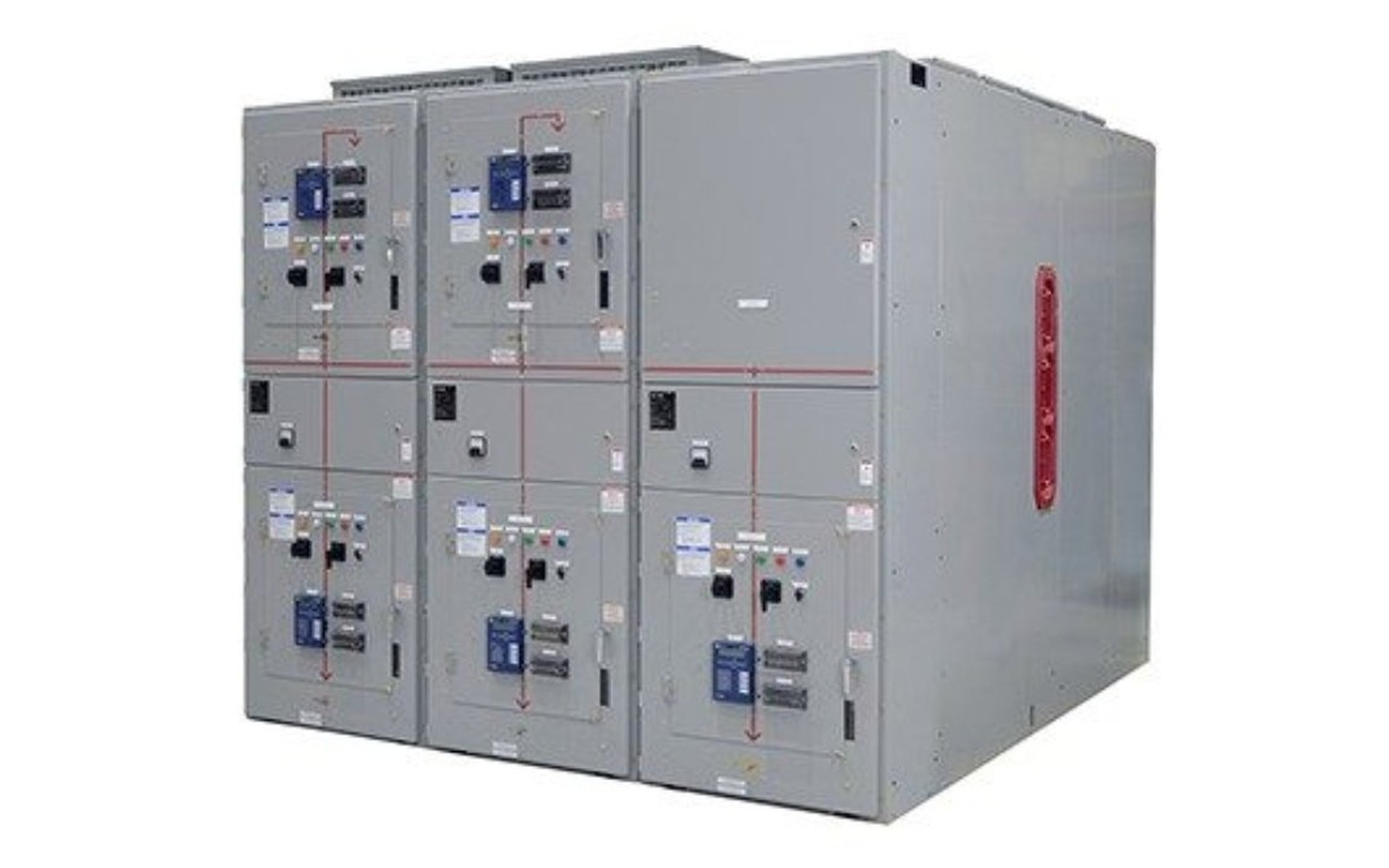
Price This Switchgear Financing Package
Send the quote, seller, lead time, deposit requirement, project location, and the electrical package scope. We will review the structure around the purchase schedule.
Review Switchgear TermsCommon Questions on Variable Frequency Drive (VFD) Financing
Straight answers before you send the equipment file.
Can we finance a VFD retrofit project where drives are being added to existing motors?
Yes. Adding VFDs to existing motor loads qualifies as equipment financing. The drives are the equipment being purchased, and the fact that the motors already exist and are being retrofitted with drives does not affect the financing eligibility.
We're buying drives from two manufacturers because one brand serves our pumps and another handles our fans. Can we finance both in one transaction?
Yes. Multiple VFDs from different manufacturers purchased for the same project or facility can be packaged into a single financing transaction. Mixed-manufacturer purchases are common in VFD projects and do not create a problem for financing.
Can a drive that's being removed from a decommissioned facility be financed if we're buying it for our plant?
Used VFDs from decommissioned facilities qualify if they come through a reputable electrical equipment dealer with documentation. A drive that was properly maintained, has its original documentation, and comes with test records is a good candidate. Drives sold without any documentation or testing records are harder to finance.
We have a strong case for ROI on this VFD project but our balance sheet has a large loan balance. Does that affect approval?
Existing debt is factored into the credit review, but a strong operating business with current debt obligations in good standing is still approvable. The credit review looks at cash flow and payment history alongside total debt levels. A business that demonstrates the ability to service its current obligations and the new payment is in a reasonable position.
Review The Variable Frequency Drive (VFD) Financing Package
Send the equipment quote, seller, lead time, deposit schedule, and project location. The finance desk will review the package against the actual procurement calendar.