

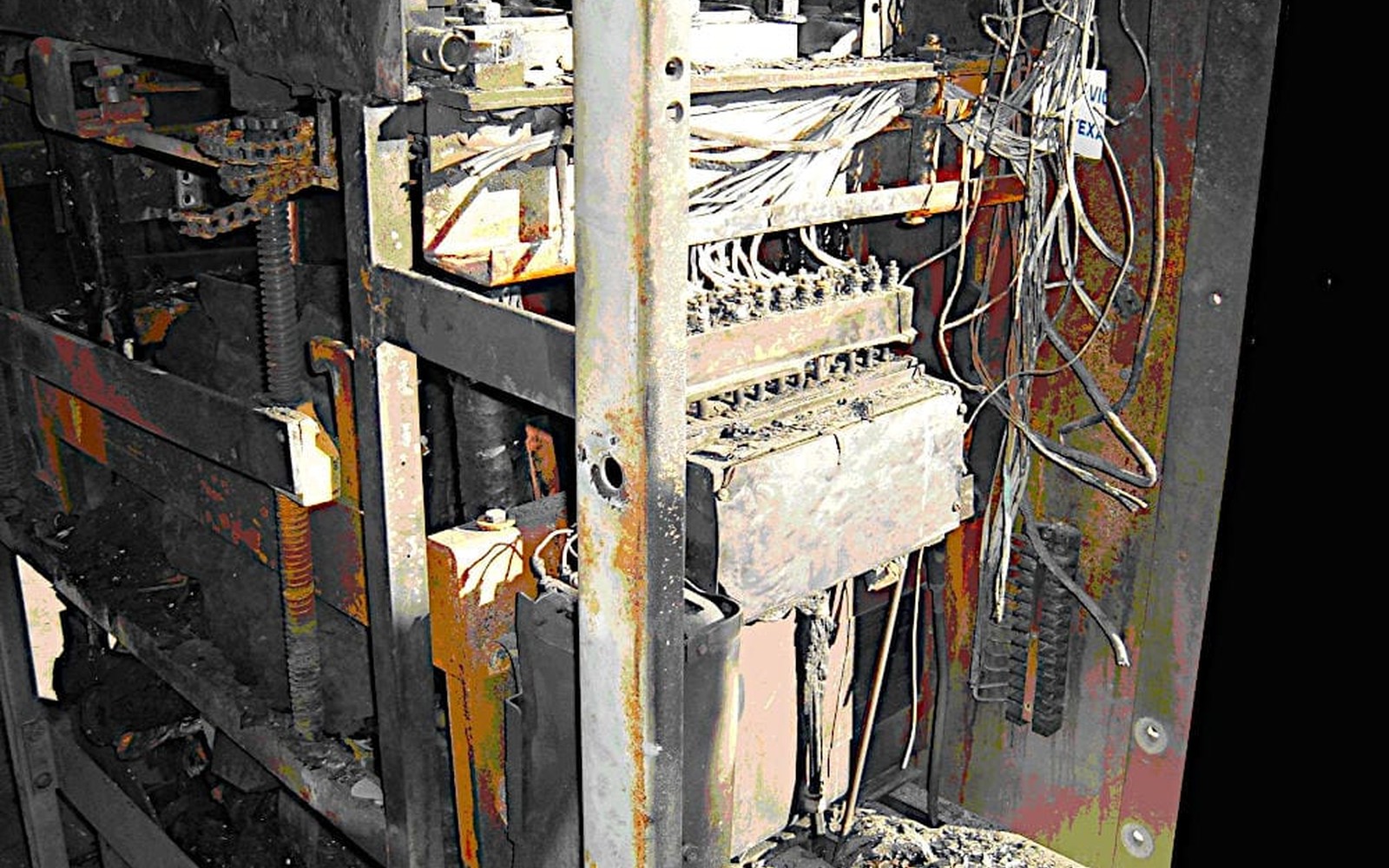
Switchgear Equipment
Arc-Resistant Switchgear Financing
Arc-resistant switchgear costs more and the spec reflects it. Reinforced steel housings, pressure-relief flaps, directed venting channels, and tested performance under IEEE C37.20.7 are what separate arc-resistant designs from standard metal-clad or metal-enclosed construction. Refineries, chemical plants, and process facilities specify this gear because the consequences of an arc flash at a crowded lineup are severe, and the cost of arc-resistant construction is modest compared to the cost of a serious incident.
The arc-resistant premium over comparable standard switchgear typically runs 20% to 40% depending on the manufacturer and the test level required. That premium means larger transaction sizes. A six-section arc-resistant 15kV lineup with full relay protection and arc flash testing can run $400,000 to $800,000 or more. At that scale, spreading the cost over a five-year term is standard practice for most operating budgets.
We finance arc-resistant switchgear as part of our medium-voltage product set. The same terms, process, and credit criteria apply as with standard metal-clad switchgear. Application-only up to approximately $400,000, with bank statements added above that level. Funding typically can fund in roughly seven to ten business days after a complete file.
IEEE C37.20.7 And What It Actually Means
Arc-resistant switchgear is defined by passing the arc flash test specified in IEEE C37.20.7. The test introduces a sustained internal arcing fault inside the switchgear and measures whether the enclosure confines the blast, contains the pressure, and directs venting away from the operator zone. Equipment that passes earns one of four accessibility types, from Type A (no personnel nearby during a fault) to Type 2B (personnel adjacent to the front, sides, and back during a fault).
Type 2B is the most common specification for process industry applications where operators frequently work near energized lineups. The certification requires testing each specific construction type, not just the general product line, which means lead times for arc-resistant gear are sometimes longer than for non-tested equivalents. Buyers who specify a test type that is not in the manufacturer's existing test certification pool may wait several additional weeks for factory testing to complete.
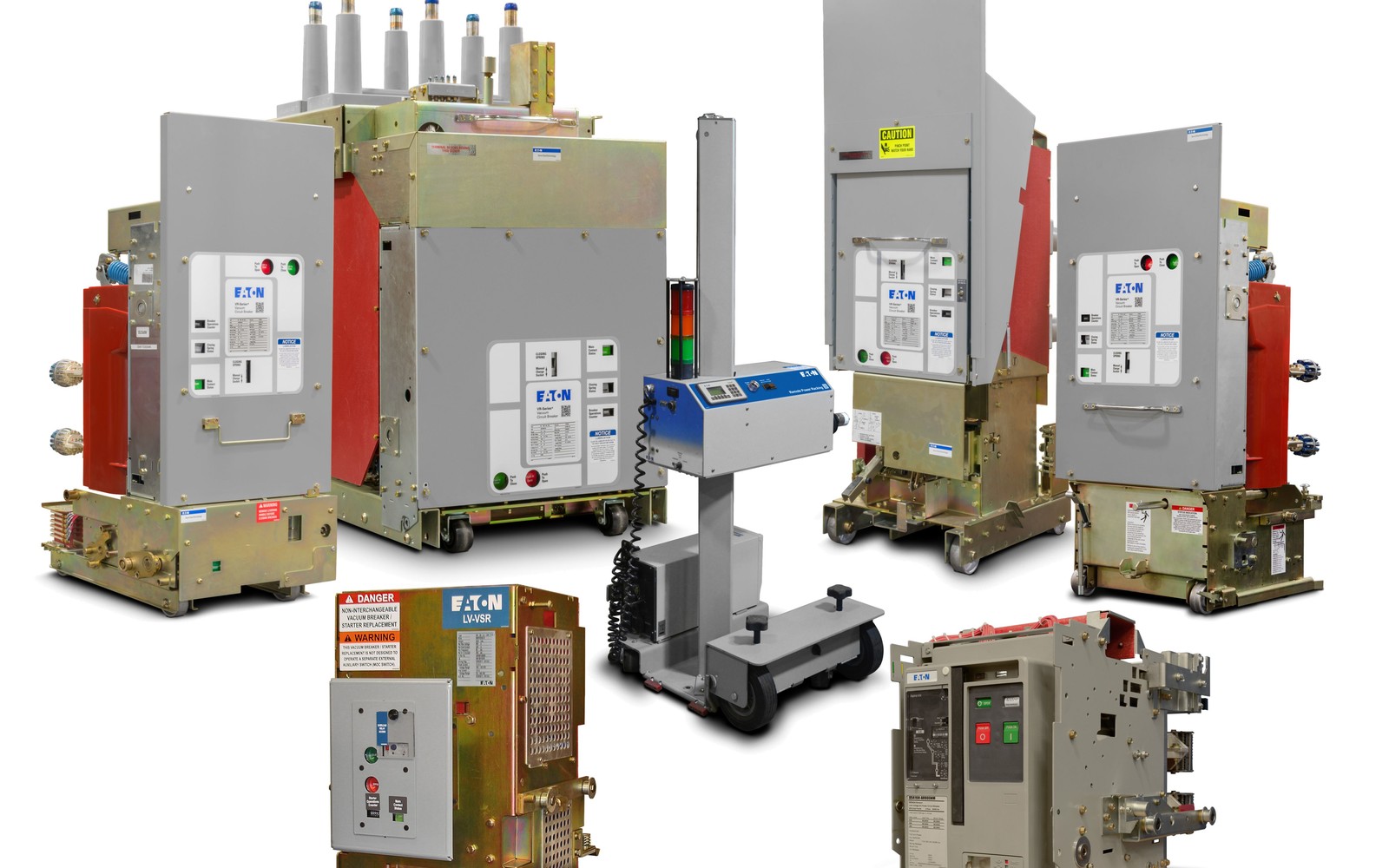
Several manufacturers offer arc-resistant versions of their standard product families. ABB offers the SafeGear arc-resistant lineup, which has been tested to Type 2B accessibility. Square D offers arc-resistant versions of their medium-voltage lineup. Eaton manufactures arc-resistant variants of their VacClad-W metal-clad series. Each manufacturer's arc-resistant offering has its own test record, lead time profile, and price point, and financing can be structured around any of them.
Where Arc-Resistant Gear Gets Specified
The application set for arc-resistant switchgear is concentrated in industries with high energy density, hazardous materials, or high operational risk where a serious arc flash would have consequences beyond the electrical system.
Oil, gas, and petrochemical is the largest buyer category. Refineries and chemical plants routinely specify arc-resistant gear at primary distribution because the process environment already carries hazardous materials risk, and an arc flash incident in that context is a compounding event. Oil, gas, and petrochemical operators often specify Type 2B accessibility at all medium-voltage locations where operators could be present during normal operations.
Mining and materials operations at hard-rock and surface mines specify arc-resistant gear in underground or enclosed processing areas. Mining and materials facilities often run large motor loads at medium voltage, which means the switchgear sees high available fault current and the arc flash hazard is significant.
Utilities and electric cooperatives increasingly specify arc-resistant gear for substations that operators access frequently. The utility sector has pushed arc-resistant design into substations that previously used standard metal-clad construction. Utilities and electric cooperatives may specify arc-resistant gear as a company standard regardless of individual substation size.
Industrial and manufacturing plants with NFPA 70E compliance programs often find that arc-resistant switchgear reduces or eliminates required PPE for routine switching operations. For plants doing frequent switching, the safety benefit justifies the cost premium. Industrial and manufacturing buyers in this category make the arc-resistant specification decision as much from an operational standpoint as from a regulatory one.
Financing Terms For Arc-Resistant Projects
Arc-resistant switchgear projects are generally mid-to-large transactions. A small single-section upgrade may fall below $200,000, but most complete lineups for process industry use run $400,000 to $1 million or more. For transactions at the upper end, the financing structure matters in terms of cash flow impact and balance sheet treatment.
Equipment leases preserve the off-balance-sheet option depending on accounting treatment and company size. Equipment leasing structures for arc-resistant gear run on three-to-seven-year terms with payments matched to whatever period the company's capital budgeting can support. A seven-year term on a $600,000 arc-resistant lineup produces a very manageable monthly payment that stays well within operating budget parameters for most industrial facilities.
For companies that want to own the gear outright, an equipment loan builds equity and offers the potential for accelerated depreciation treatment under Section 179 or bonus depreciation rules. The Section 179 financing page covers how to structure a transaction to align the loan term with a first-year deduction strategy.
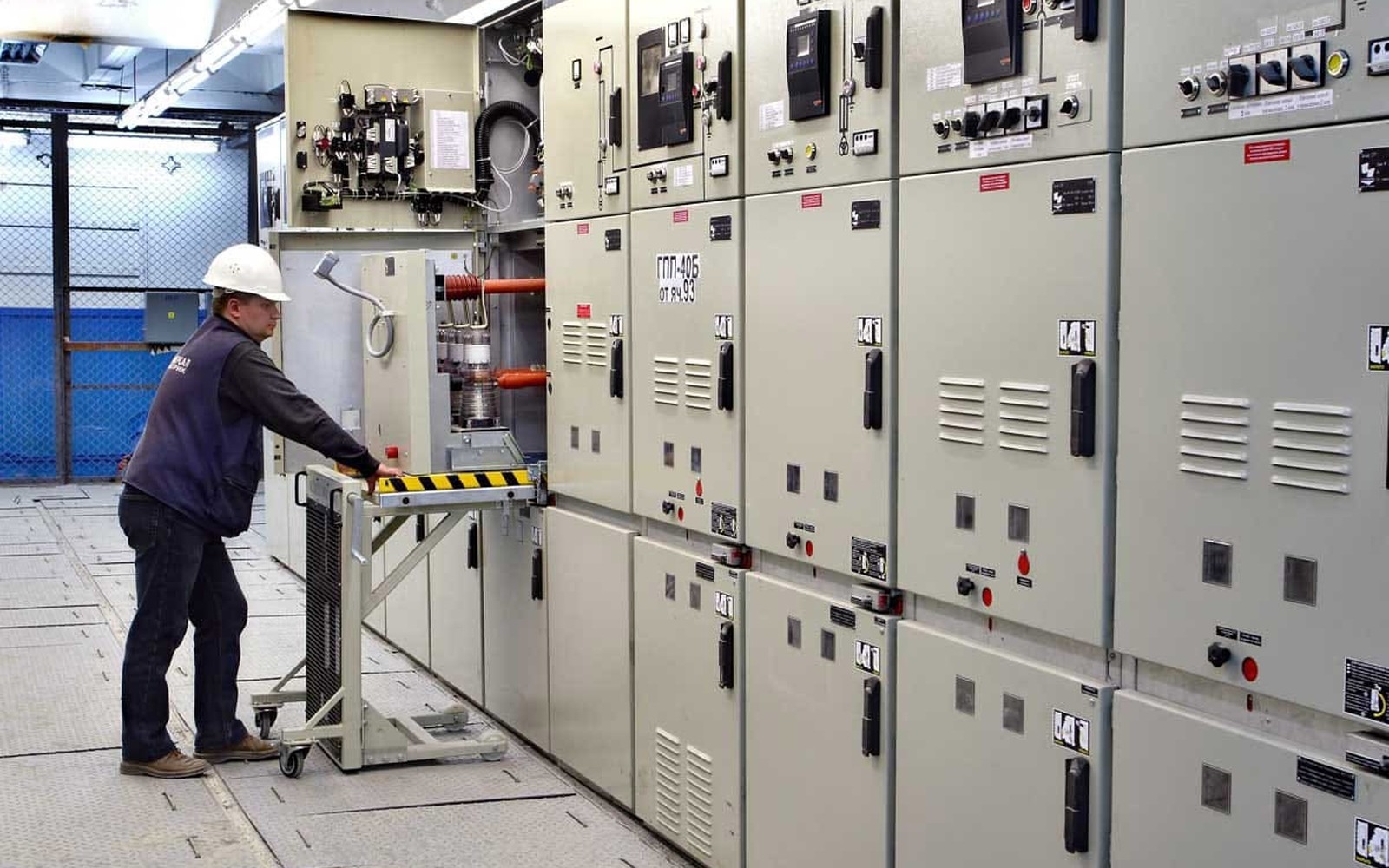
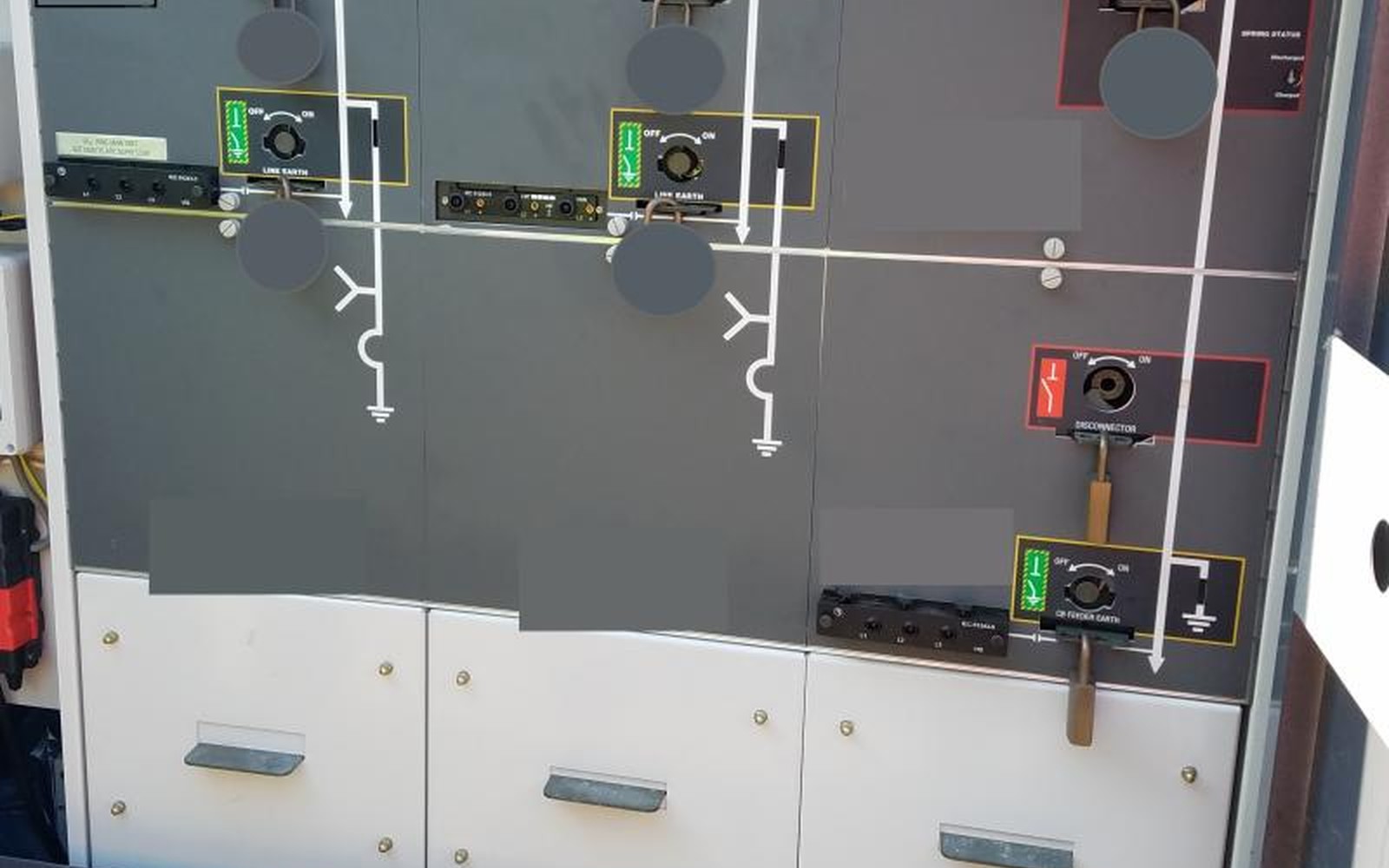
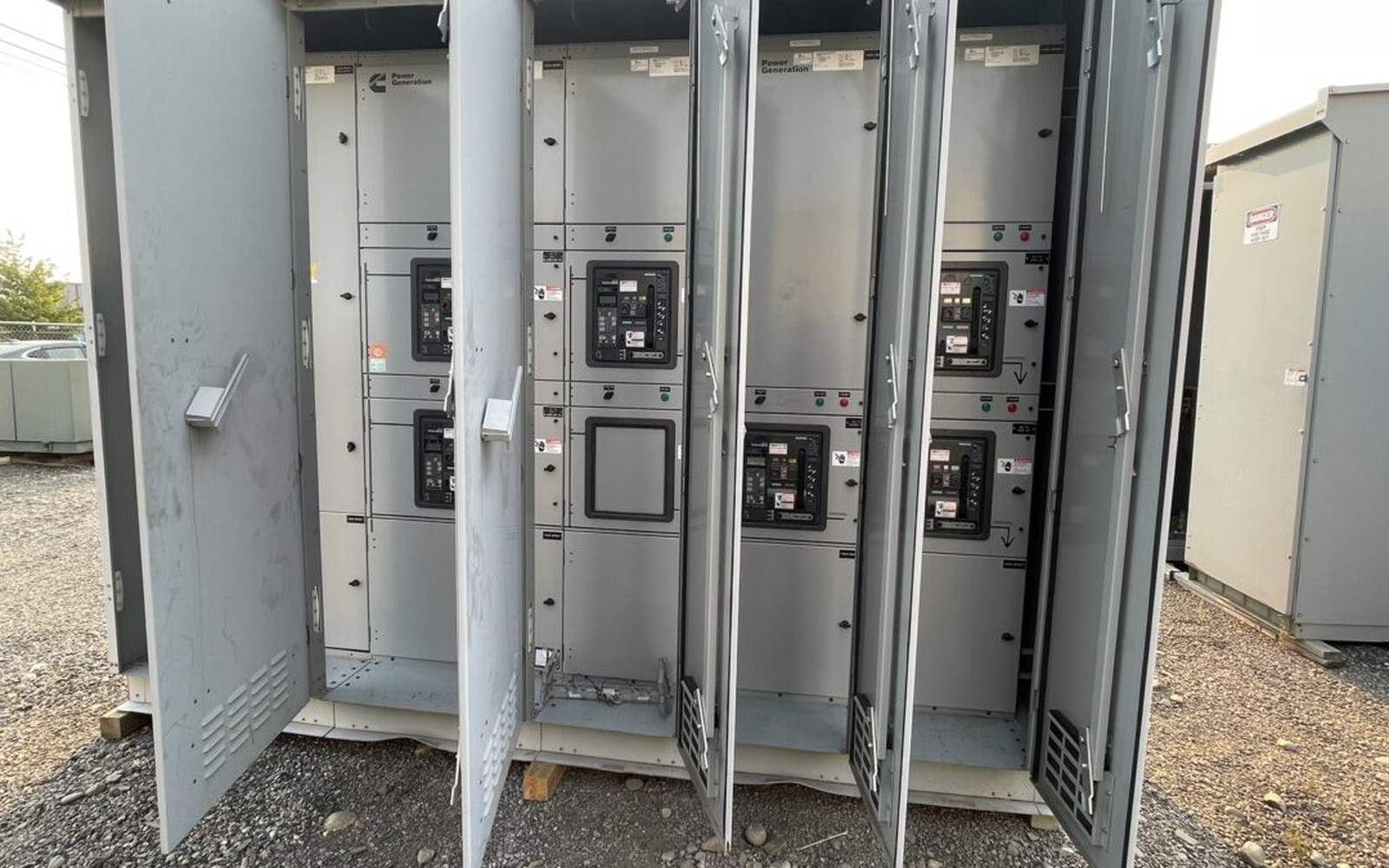
Price This Switchgear Financing Package
Send the quote, seller, lead time, deposit requirement, project location, and the electrical package scope. We will review the structure around the purchase schedule.
Review Switchgear TermsCommon Questions on Arc-Resistant Switchgear Financing
Straight answers before you send the equipment file.
Does arc-resistant switchgear qualify for the same financing terms as standard metal-clad?
Yes. The arc-resistant design is a construction upgrade on top of standard metal-clad or metal-enclosed construction. For financing purposes, the equipment classification, useful life, and collateral value are comparable. The higher purchase price means a larger transaction, but the terms and process are identical.
Can we finance a mix of arc-resistant and standard metal-clad switchgear on the same project?
Yes. A project that specifies arc-resistant gear at high-traffic locations and standard metal-clad elsewhere can be financed as a single transaction covering both equipment types. The combined purchase order from the same manufacturer simplifies the documentation.
We need arc-resistant gear but the lead time is 30 weeks. Can we lock in financing terms that far out?
We can approve the financing and hold the commitment during the manufacturing lead time. The specific terms are agreed at approval, and funding closes when the equipment is delivered or at agreed milestones. You do not have to reapply because the delivery is several months out.
Does the IEEE C37.20.7 test certification affect the resale value if we ever need to sell-leaseback?
Certification generally supports equipment value. Arc-resistant gear certified to Type 2B has broader market appeal than uncertified gear, particularly in the process industry sector where Type 2B is a common specification. This helps the residual value calculation that underlies a sale-leaseback or refinance transaction.
Our facility already has standard metal-clad gear and wants to upgrade specific sections to arc-resistant. Can we finance just the new sections?
Yes. Individual section replacements or additions qualify for financing without requiring the entire existing lineup to be replaced or financed. As long as the new sections meet the $50,000 minimum, the transaction can be structured around the new equipment only.
Review The Arc-Resistant Switchgear Financing Package
Send the equipment quote, seller, lead time, deposit schedule, and project location. The finance desk will review the package against the actual procurement calendar.