
Switchgear Equipment
Metal-Clad Switchgear Financing
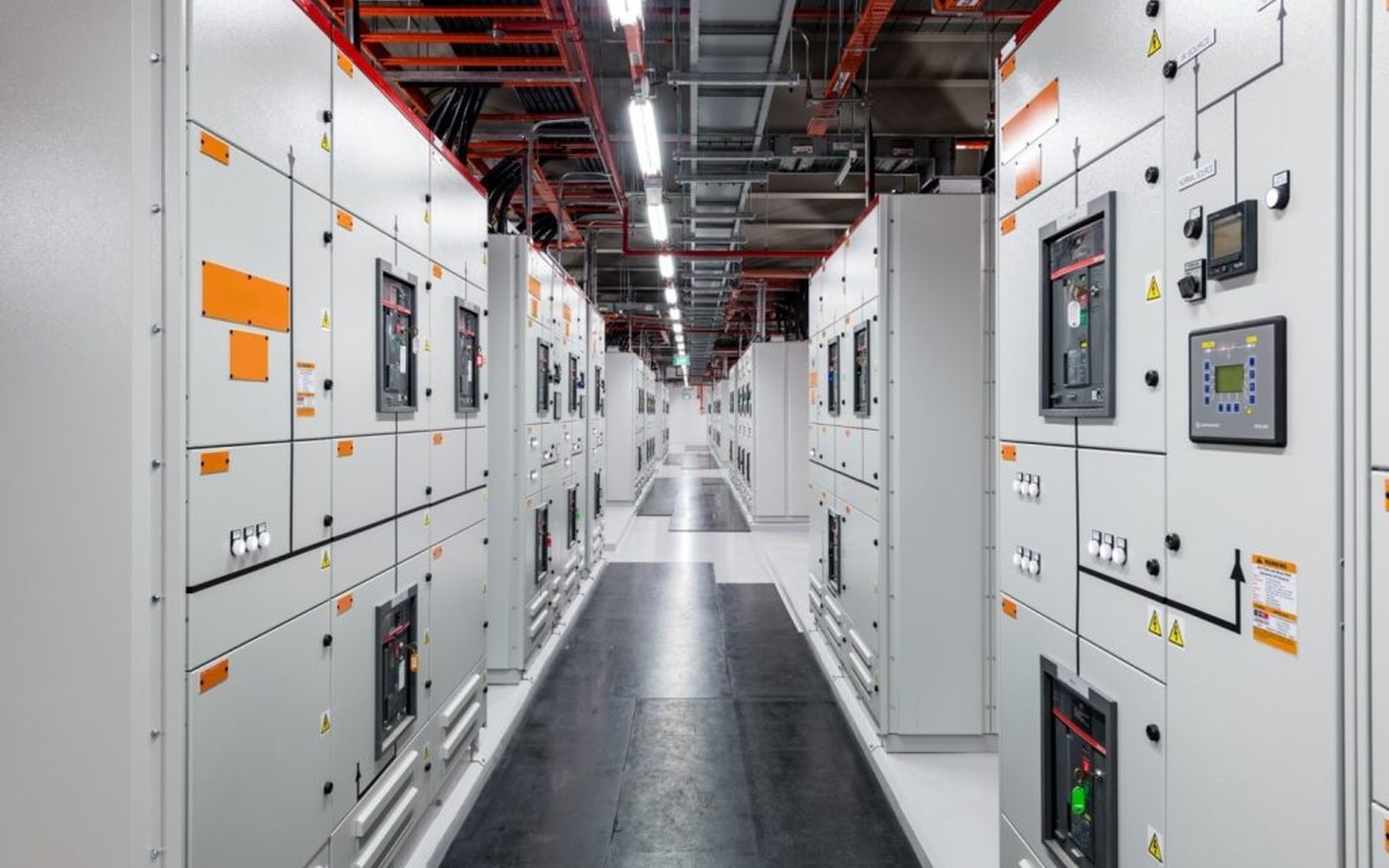
Metal-clad switchgear is the standard for primary distribution at 5kV to 38kV anywhere the owner wants drawout breakers and fully compartmentalized sections. The design goes back decades, the standards are well established, and the gear shows up on one-lines for refineries, hospitals, campuses, and industrial plants across the country. It is not exotic equipment, but it is expensive, it has long lead times, and the project timeline depends on it arriving when the schedule says it will.
A metal-clad lineup typically runs from $200,000 to $800,000 or more depending on voltage class, number of sections, relay package, and whether metering and bus protection are included. Larger substation-scale assemblies climb well above that range. For most projects, the metal-clad switchgear is the single largest electrical equipment line item, and it is the one that sets the energization date.
We finance metal-clad switchgear for plant owners, electrical contractors, utilities, and developers. New factory-built gear, tested used lineups, and fully refurbished assemblies all qualify. We work on application-only up to approximately $400,000 and add bank statements for larger deals. Funding typically can fund in roughly seven to ten business days after a complete file.
Construction Features That Drive The Cost
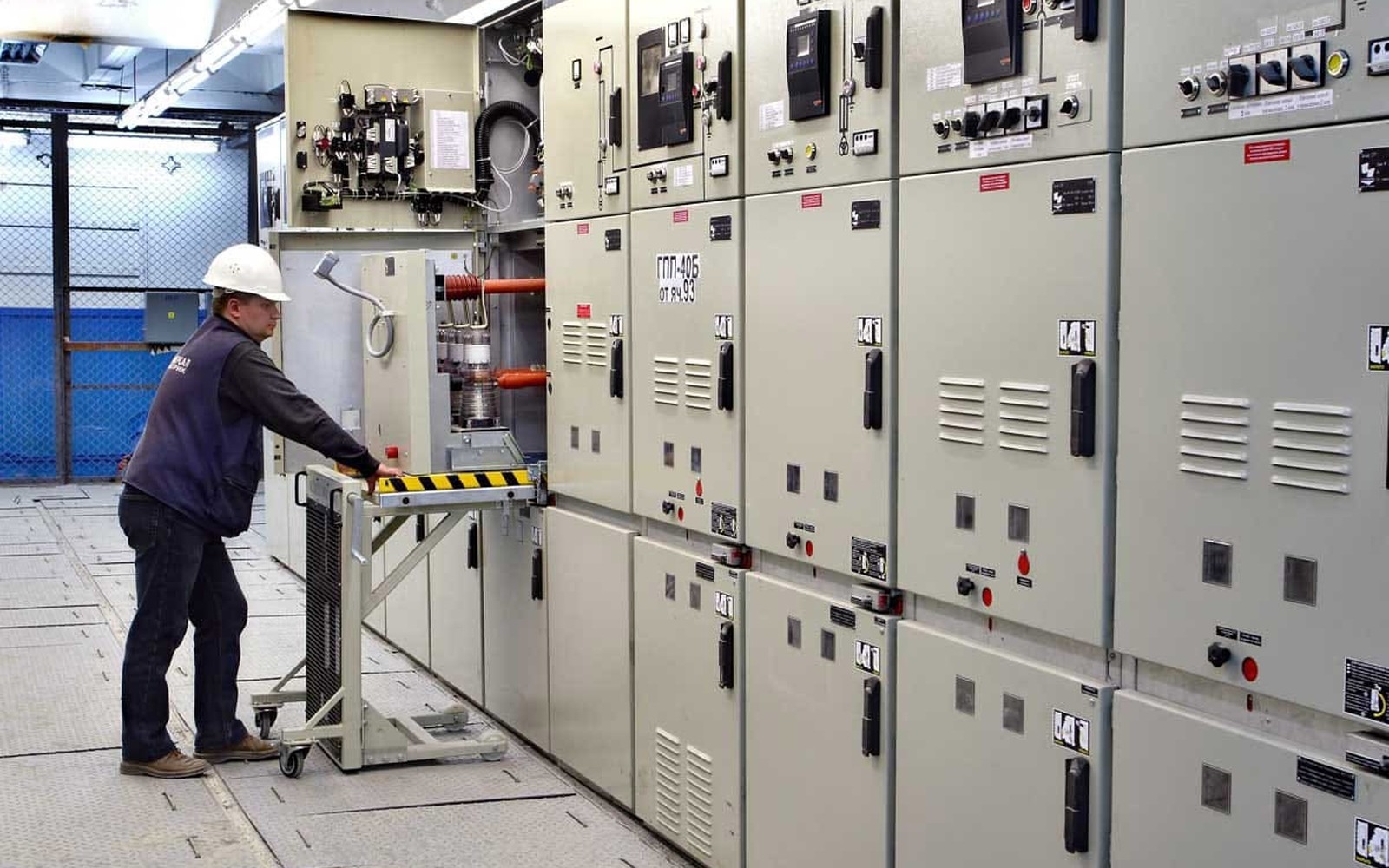
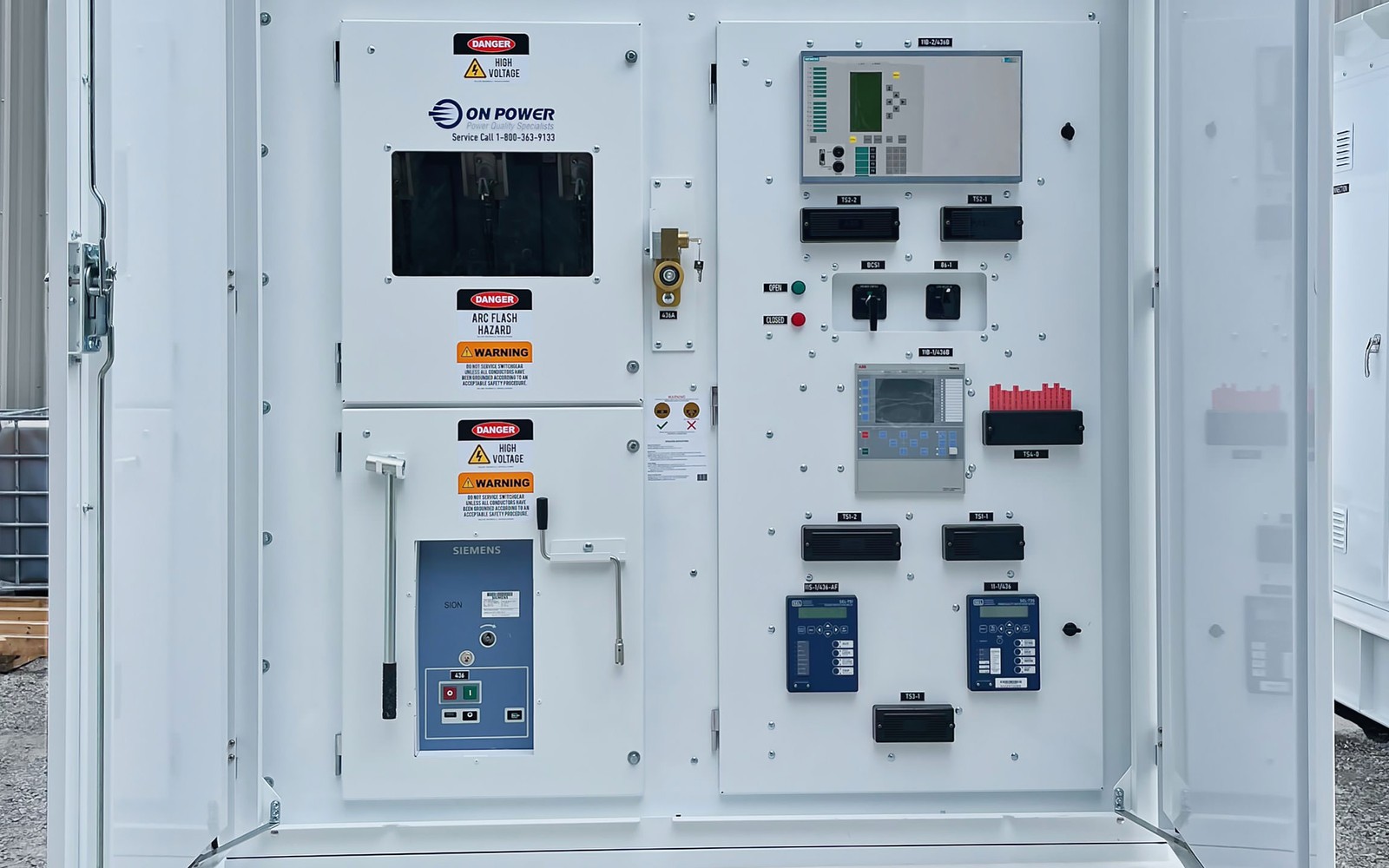
Metal-clad switchgear meets IEEE C37.20.2, which specifies full metal barriers between adjacent compartments. Three compartments in each section are standard: the breaker compartment (housing the removable drawout element), the bus compartment, and the cable compartment. Automatic shutters close over the bus stabs when the breaker is racked out, which is the feature that enables safe maintenance on an energized lineup.
Interrupting medium is vacuum for most 5kV to 15kV applications manufactured today, with some SF6 designs still in service at higher voltages. Continuous ratings typically run from 1,200A to 3,000A on the main bus, with some manufacturers offering higher ratings for utility applications. The interrupting capacity is specified to match the available fault current at the installation point, which varies by utility and location.
Full relay packages add significantly to the cost and the lead time. A section with a numerical relay for overcurrent, differential, or bus protection requires coordination between the switchgear manufacturer and the relay supplier. For projects using specific protective relay platforms, ordering decisions for the relay and the switchgear need to happen together. We also finance protective relays and controls as part of the same transaction when the project bundles them in a single purchase order.
Companion equipment on the same project often includes medium-voltage motor control centers for large motor feeders, unit substations combining the transformer and LV switchgear in an integrated assembly, and automatic transfer switches for emergency or standby power.
Buyers We See On Metal-Clad Deals
Metal-clad switchgear financing attracts a concentrated set of buyers because the equipment itself is concentrated in industrial, utility-grade, and large institutional applications.
- Industrial Plant Owners replacing 20-year-old gear with current IEEE-rated assemblies. Aging metal-clad lineups often carry obsolete breakers with limited parts availability. Replacement is a capital project that benefits from spreading the cost over three to seven years.
- Oil, Gas, And Petrochemical Operators specifying arc-resistant or standard metal-clad gear for upstream, midstream, and refining facilities. Oil, gas, and petrochemical sites run MV switchgear on compressor and pump motor feeders rated in the hundreds to thousands of horsepower.
- Utilities And Electric Cooperatives building or upgrading distribution substations. Utilities and electric cooperatives often procure metal-clad gear on their own account rather than through a general contractor.
- Healthcare And Hospital Systems that require reliable, maintainable primary distribution. Healthcare and hospital facilities use metal-clad gear at the primary distribution level with redundant feeds and automatic transfer capability.
Refinancing Existing Metal-Clad Gear
A sale-leaseback on existing metal-clad switchgear converts installed gear into working capital without taking the equipment out of service. The process is straightforward: we take ownership of the equipment on paper, the facility continues operating it, and the transaction produces a lump sum that the business can deploy elsewhere.
This works well when a plant or facility recently paid cash for a major switchgear replacement and wants to recover the capital outlay. It also works when a business needs liquidity and has electrical infrastructure that holds value. Metal-clad switchgear depreciates slowly when it is properly maintained, which supports the equipment value underpinning the transaction.
The Sale-Leaseback Financing and cash-out refinancing pages cover both structures in more detail. Either can be used for installed metal-clad gear, and either can be combined with financing for new additional equipment purchased at the same time.
Businesses weighing a purchase versus lease decision for metal-clad switchgear can review the equipment lease vs. loan comparison for a clear breakdown of the accounting and tax implications. For buyers with credit challenges, bad-credit equipment financing options are available. Metal-clad gear holds its value well, which supports approval even when the credit file is not clean.
Price This Switchgear Financing Package
Send the quote, seller, lead time, deposit requirement, project location, and the electrical package scope. We will review the structure around the purchase schedule.
Review Switchgear TermsCommon Questions on Metal-Clad Switchgear Financing
Straight answers before you send the equipment file.
We're buying a used metal-clad lineup. What documentation does the vendor need to provide?
For used metal-clad gear, we typically want a vendor invoice identifying the equipment by manufacturer, voltage class, and interrupting rating, plus any available test records showing the breakers have been tested. Factory nameplate data and a description of any refurbishment work helps. The more documentation the vendor can provide, the faster the credit review moves.
Can we finance the relay package separately from the switchgear if it comes from a different vendor?
Yes. We can finance multiple items from multiple vendors in one transaction. If the switchgear comes from one supplier and the relay system comes from a separate integrator, we can package both in a single facility with one payment and one set of documents.
The manufacturer requires 40% upfront at order. How does that work with financing?
We offer progress and deposit financing that covers manufacturer deposits. We advance the funds to cover the required deposit at order placement, with subsequent advances tied to delivery or other agreed milestones. This keeps the factory order on schedule without requiring you to advance the deposit from operating cash.
Can a business with a prior tax lien get approved?
Tax liens complicate a credit file but do not automatically disqualify an application. We look at the whole picture, including how the lien arose, whether it is being paid down, and the current health of the business. A lien that was addressed and is on a payment plan is much less of a concern than one that was recently filed and ignored.
Review The Metal-Clad Switchgear Financing Package
Send the equipment quote, seller, lead time, deposit schedule, and project location. The finance desk will review the package against the actual procurement calendar.