
Financing Programs
Sale-Leaseback Financing for Switchgear
Gear you already own free and clear is capital sitting idle. A sale-leaseback converts that asset into cash at closing, while you keep the equipment in place and continue using it under a lease. The energization schedule does not change. The one-line does not change. Cash shows up in the account.
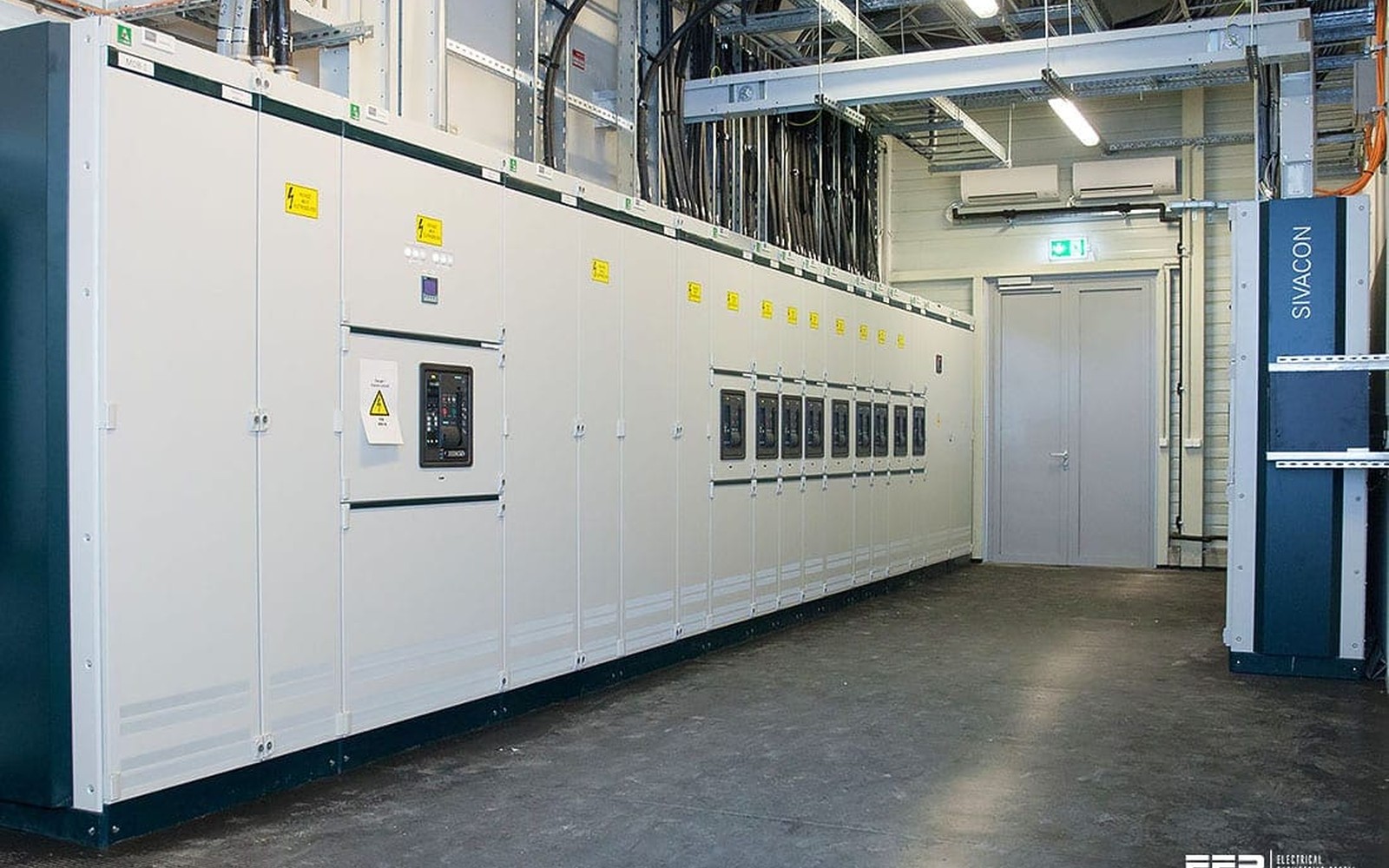
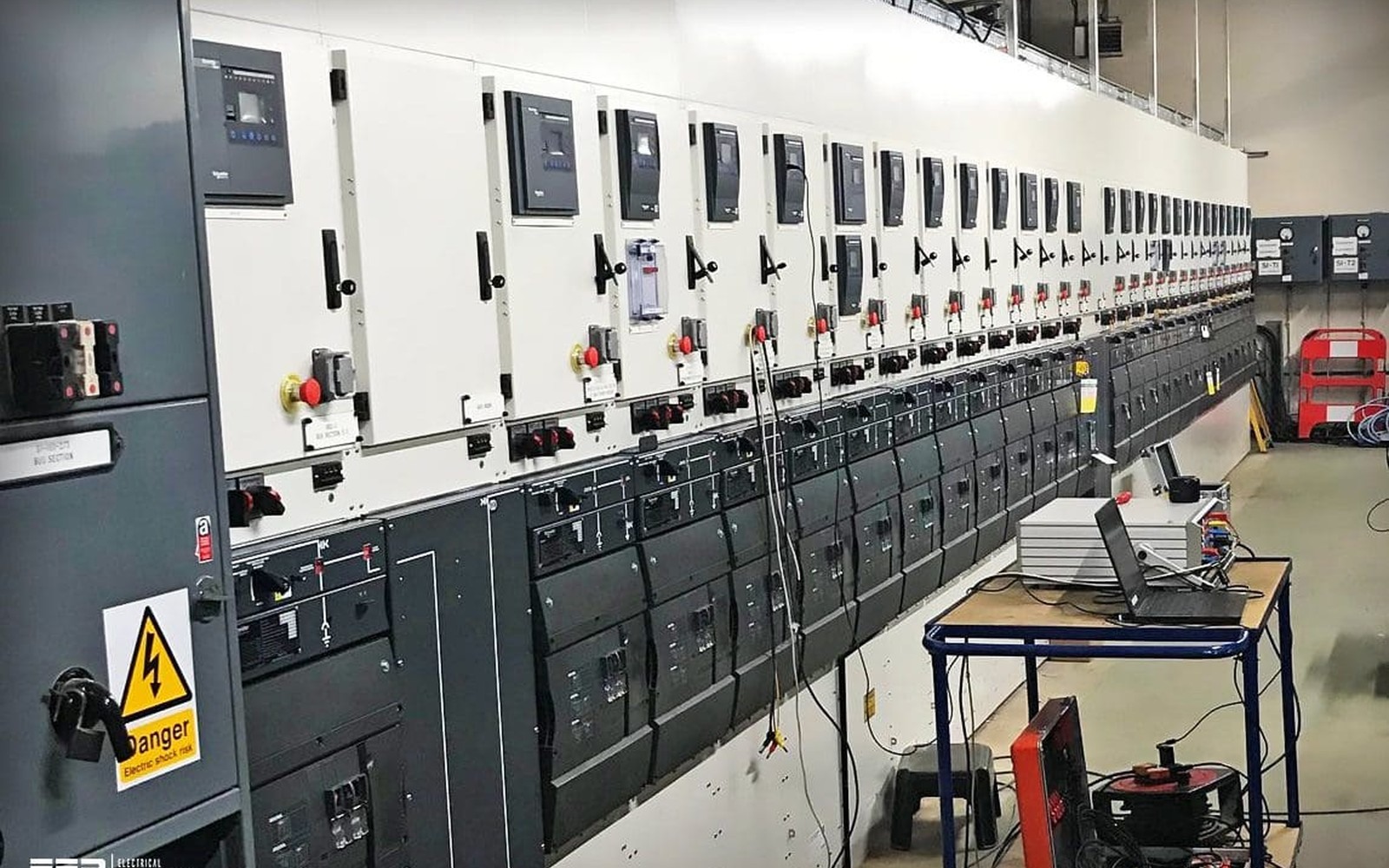
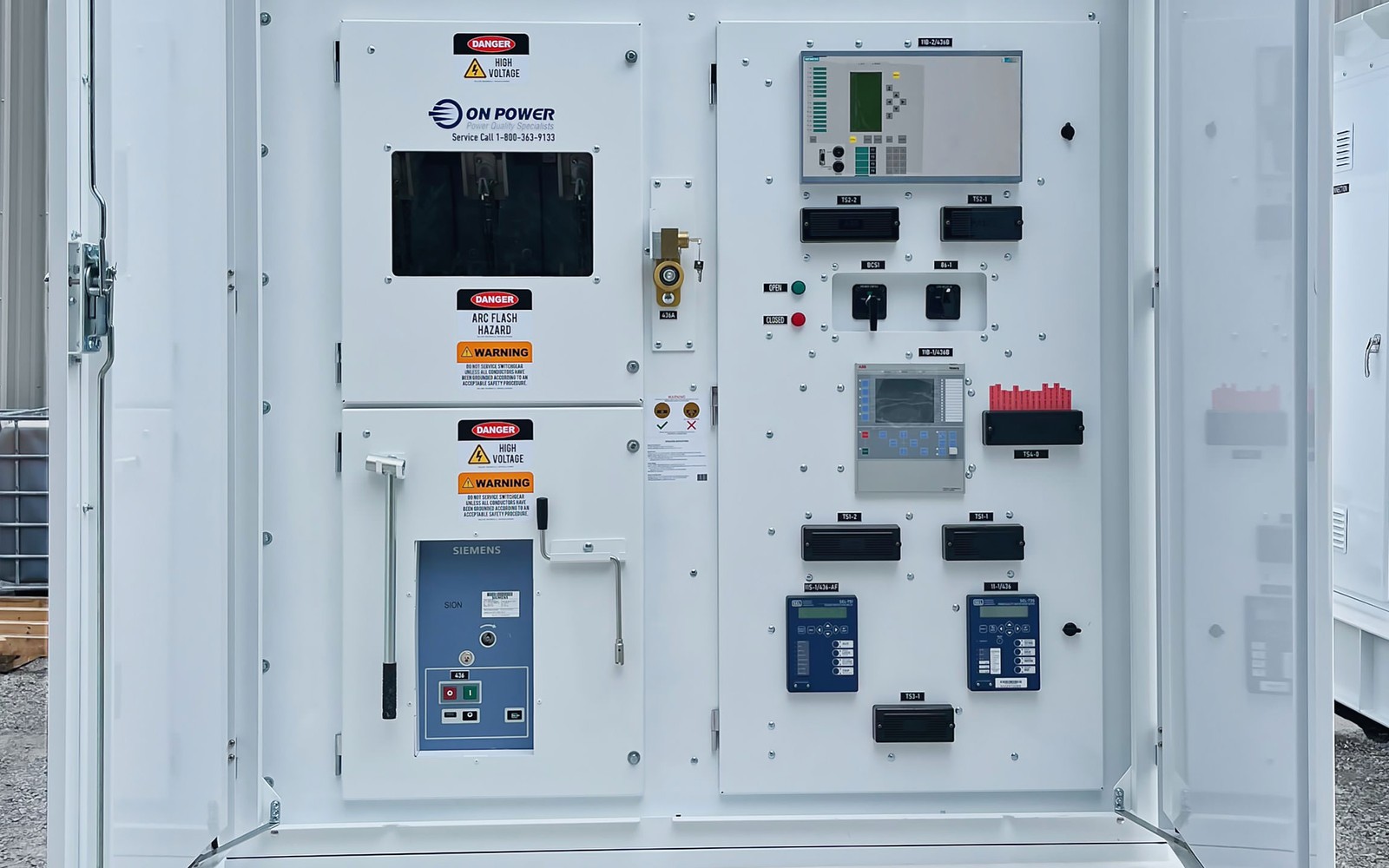
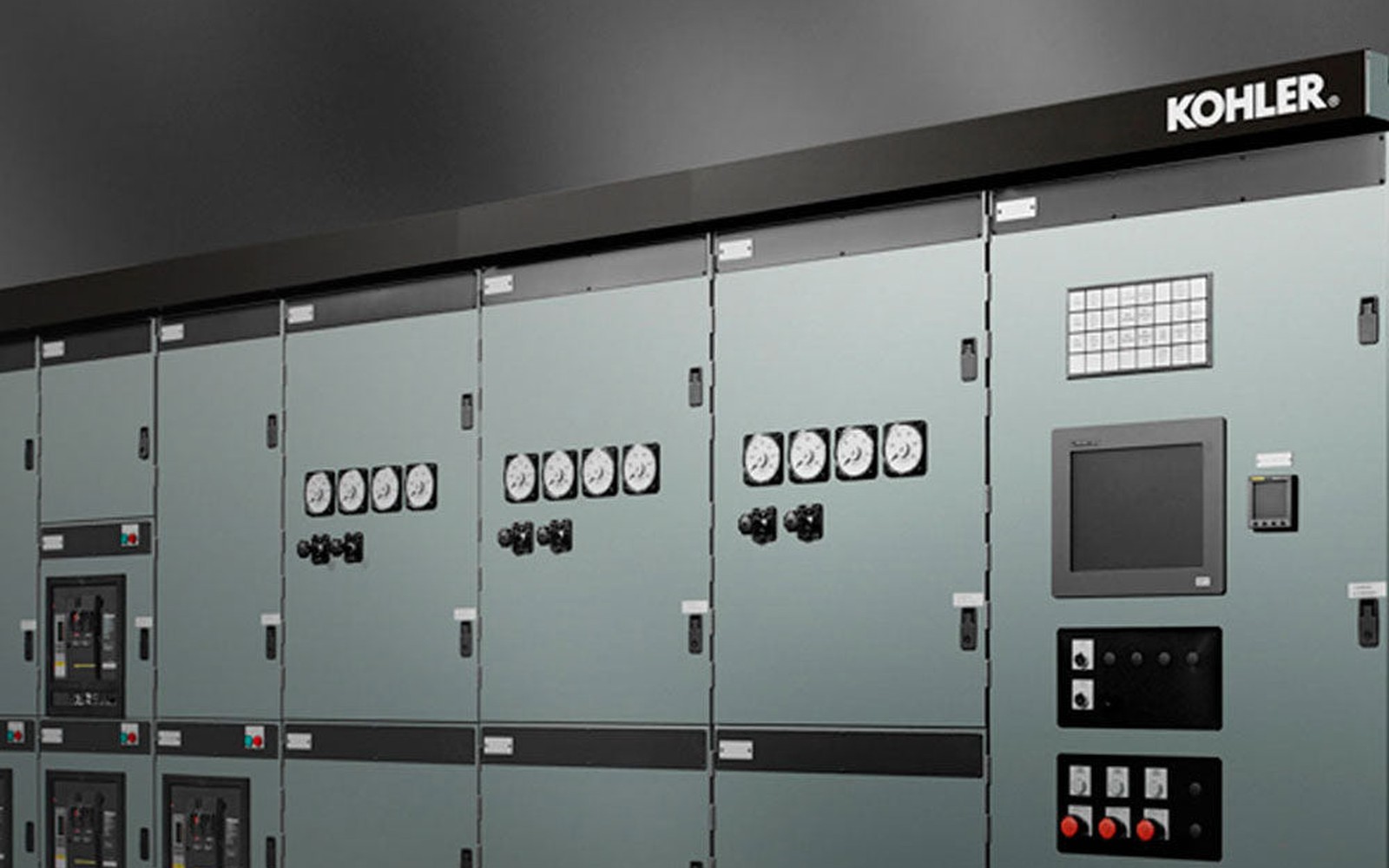
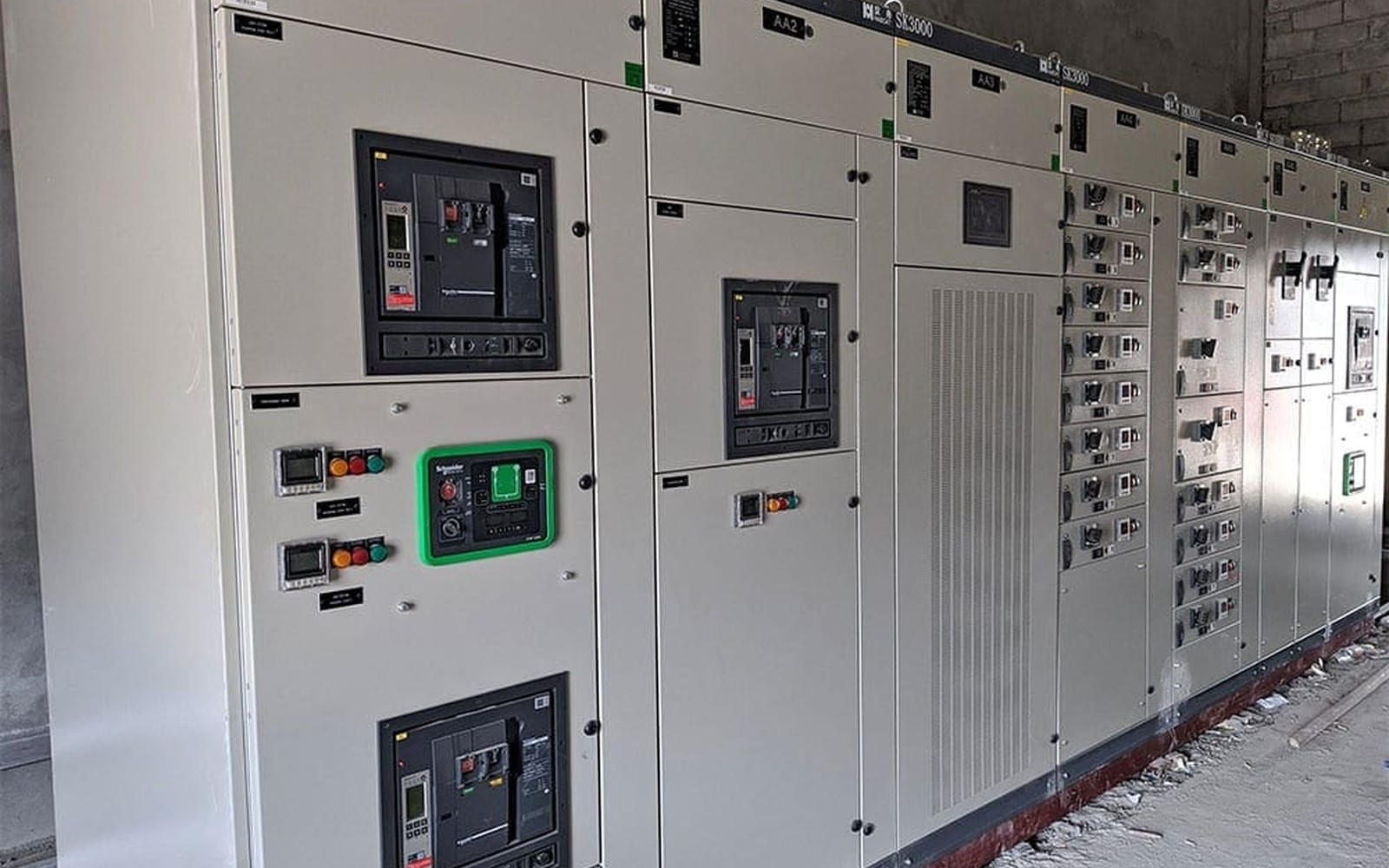
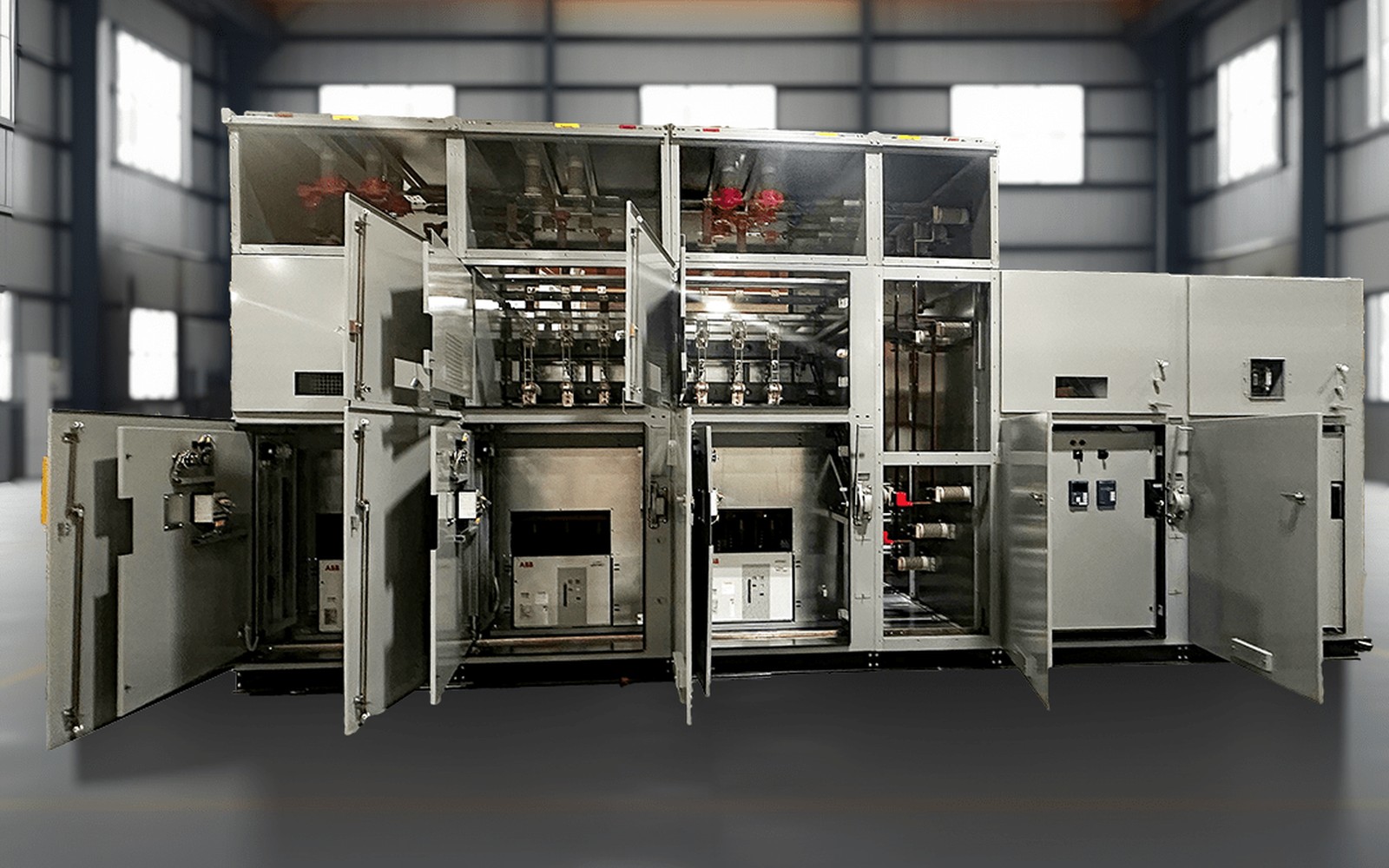
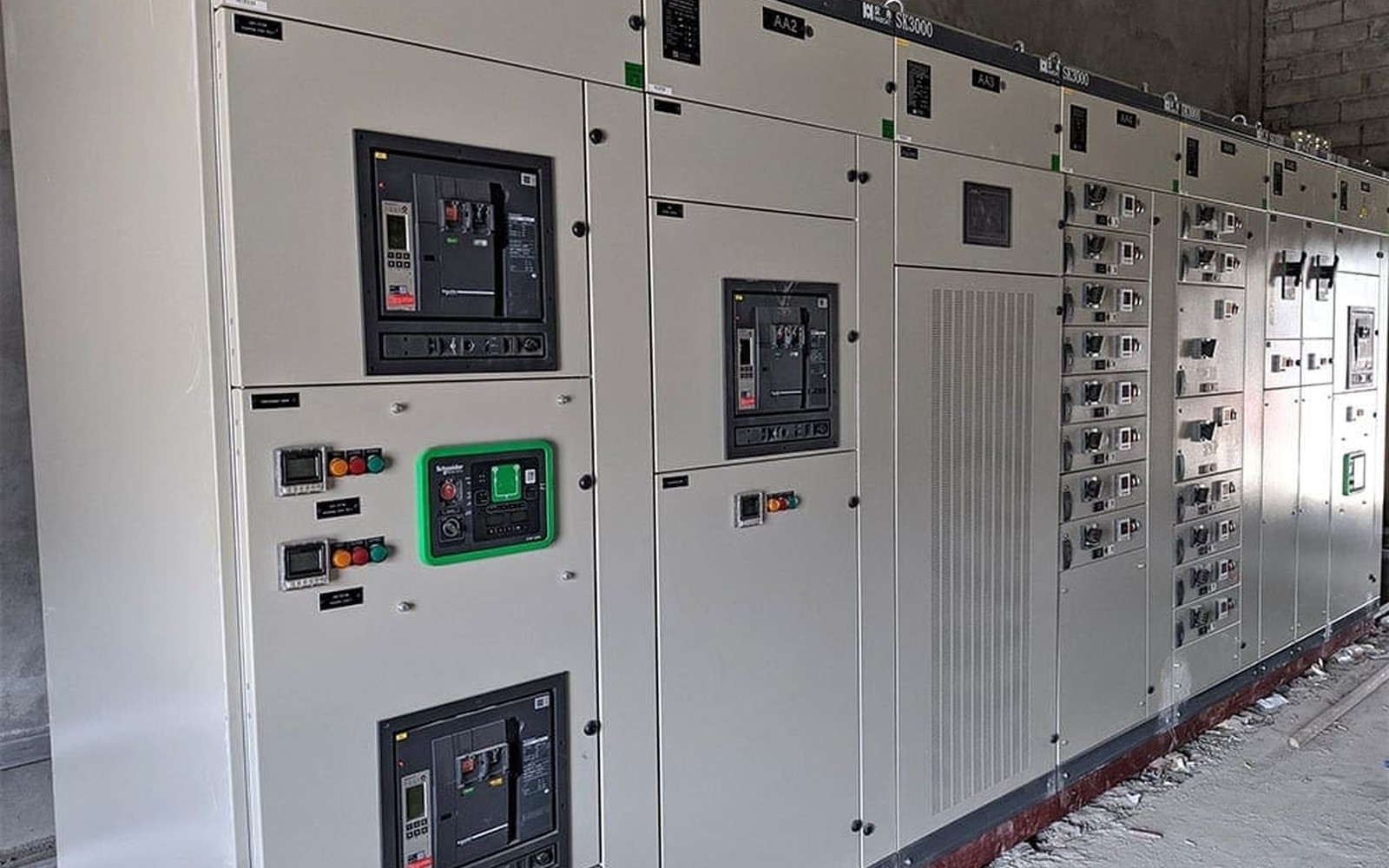
We arrange sale-leaseback transactions on medium-voltage switchgear, unit substations, paralleling switchgear, transformers, and motor control centers. Minimum transaction size is $50k; most deals we work on fall in the $150k to $2M range for power distribution assets.
How A Sale-Leaseback Works For Electrical Equipment
The structure has three steps:
- You sell the equipment to a financial institution or equipment leasing company at an agreed value. That value is typically established by an appraisal or a negotiated amount based on market comps for similar gear.
- The buyer immediately leases the equipment back to you under a new lease agreement. You keep using the gear exactly as before.
- You receive a lump sum at closing and make monthly lease payments going forward.
The lease that follows the sale can be structured as a fair market value lease or a dollar buyout lease depending on your preference. If you want the option to reacquire ownership at term end, a dollar buyout structure preserves that path at a modest cost. The FMV vs. $1 Buyout Lease page explains that choice in detail.
One important accounting note: the IRS and GAAP have specific tests for whether a sale-leaseback is treated as a true sale or effectively a secured loan. True sale treatment is generally the goal because it allows the gain on sale to be recognized and the lease payments to be treated as operating expenses. Your accountant needs to be involved in structuring this correctly.
When A Sale-Leaseback Makes Sense
Three situations come up most often:
- Capital For A New Project. You have $500k of switchgear sitting fully paid on a completed project. A sale-leaseback of that gear funds part of the capital stack for the next job without a new bank loan or equity raise.
- Improving Liquidity Before A Big Purchase. A data center operator planning a major power expansion can monetize existing distribution gear to fund the new equipment purchase without touching bank lines.
- Balance Sheet Restructuring. Converting a fixed asset to cash while moving the associated obligation to operating lease expense can improve financial ratios relevant to bonding, banking covenants, or acquisition conversations.
Sale-leaseback is not the right move if you have a lien on the equipment. The lien must be cleared before the sale can close. If there is still a loan balance, the proceeds from the sale go first to pay off the lender, and only the remaining equity becomes cash to you. If that equity is small, the transaction may not be worth the transaction cost. Check our cash-out refinancing page for an alternative when there is still a loan balance but meaningful equity exists.
Which Switchgear Assets Work Best In A Sale-Leaseback
The most leaseback-friendly electrical gear has three characteristics: recognized manufacturer, broad secondary market demand, and documented service history. Equipment from Eaton, ABB, and Schneider Electric scores well on all three. Generic or one-off custom assemblies from smaller fabricators are harder to get leaseback financing on because lenders are uncertain about residual value.
Age matters too. Gear manufactured in the last 15 years with standard bus ratings and interrupting capacities is most liquid. Older gear is not automatically disqualified, but a clean inspection report and updated protective relay settings help significantly.
For arc-resistant switchgear, gas-insulated switchgear, and similar higher-value assets, the appraisal process is more structured. Plan for a formal third-party appraisal as part of the transaction timeline.
Timeline
Sale-leaseback transactions typically take two to four weeks, slightly longer than a simple purchase loan because the appraisal step adds time. The sequence is: application, equipment appraisal, lender review, term sheet, closing. Most deals that arrive with a clean title, a detailed equipment list, and maintenance records close in under three weeks.
Documentation needed: equipment list with manufacturer, model, serial numbers, and year of manufacture; last three months of business bank statements; lien search or title certification confirming no encumbrances; recent maintenance logs if available.
Price This Switchgear Financing Package
Send the quote, seller, lead time, deposit requirement, project location, and the electrical package scope. We will review the structure around the purchase schedule.
Review Switchgear TermsCommon Questions on Sale-Leaseback Financing for Switchgear
Straight answers before you send the equipment file.
Can I do a sale-leaseback on equipment that is still financed?
The lien must be resolved at closing. Typically the leaseback proceeds pay off the existing loan at closing, and you receive any remaining equity net of fees. If the loan balance is close to the equipment's value, there may be little cash left after payoff. Run the numbers with us before proceeding.
Will the lessor require access to the equipment site?
Usually yes, or at minimum an independent inspection report. The lessor needs to verify condition and confirm the asset matches the description. For gear installed in an active facility, a one-day inspection visit is typically all that is required.
What happens if I want to buy the equipment back before the lease term ends?
Most sale-leaseback agreements include an early termination or early purchase option with a pre-agreed schedule. Read the early termination provisions carefully before signing. The buyout amount early in the term can be higher than expected.
Is the gain from the sale of equipment in a leaseback taxable?
Potentially yes. If the equipment has been depreciated below the sale price, the difference may be taxable as depreciation recapture and capital gain. This is a material tax question and your CPA needs to be part of the conversation before you close.
Can a sale-leaseback be done on equipment inside a leased facility?
Yes, if your facility lease permits it. Review your real property lease for restrictions on encumbering fixtures or equipment inside the space. Some facility leases have provisions that could complicate a sale-leaseback on installed electrical gear.
Review The Sale-Leaseback Financing for Switchgear Package
Send the equipment quote, seller, lead time, deposit schedule, and project location. The finance desk will review the package against the actual procurement calendar.