
Switchgear Equipment
Paralleling Switchgear Financing
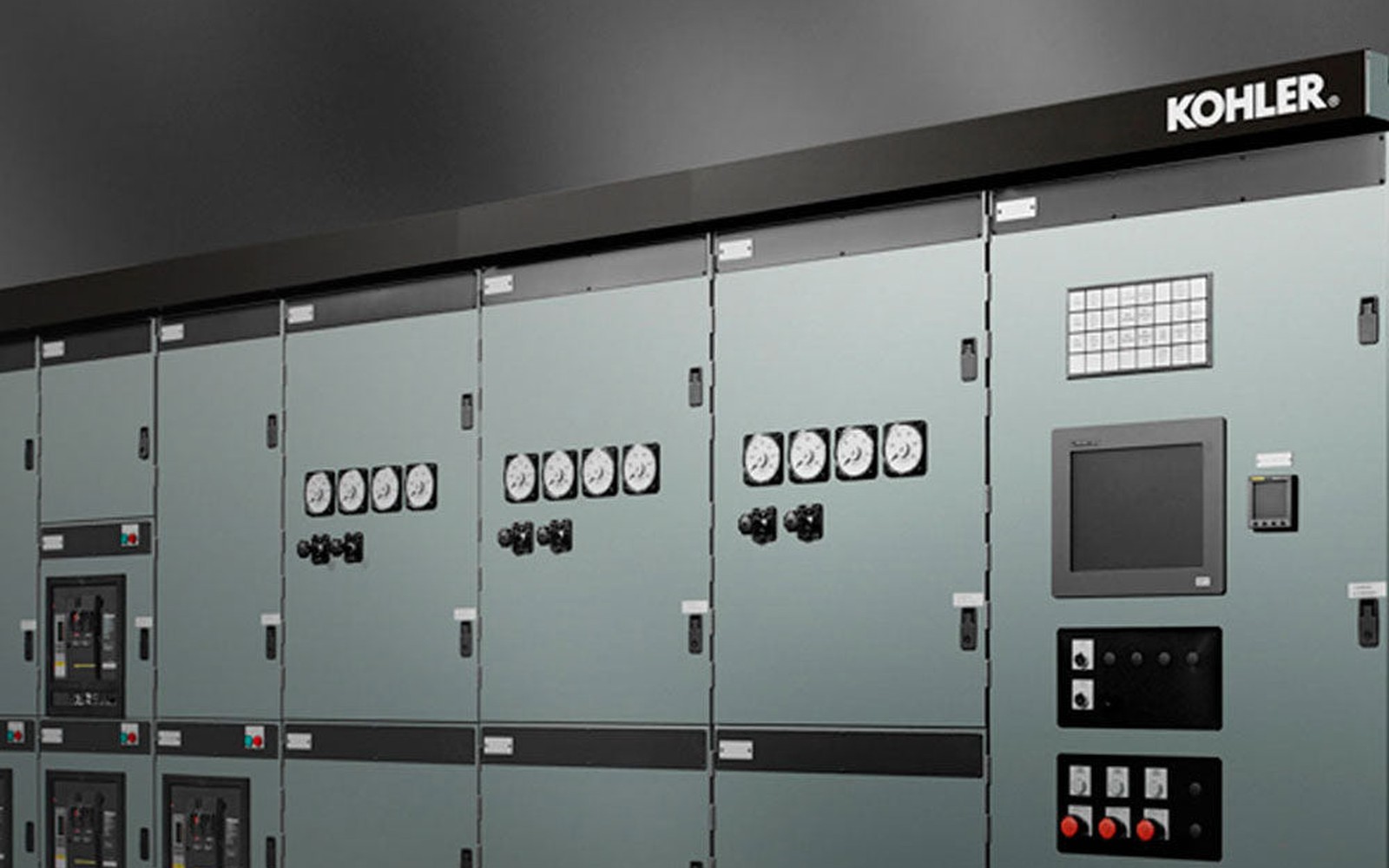
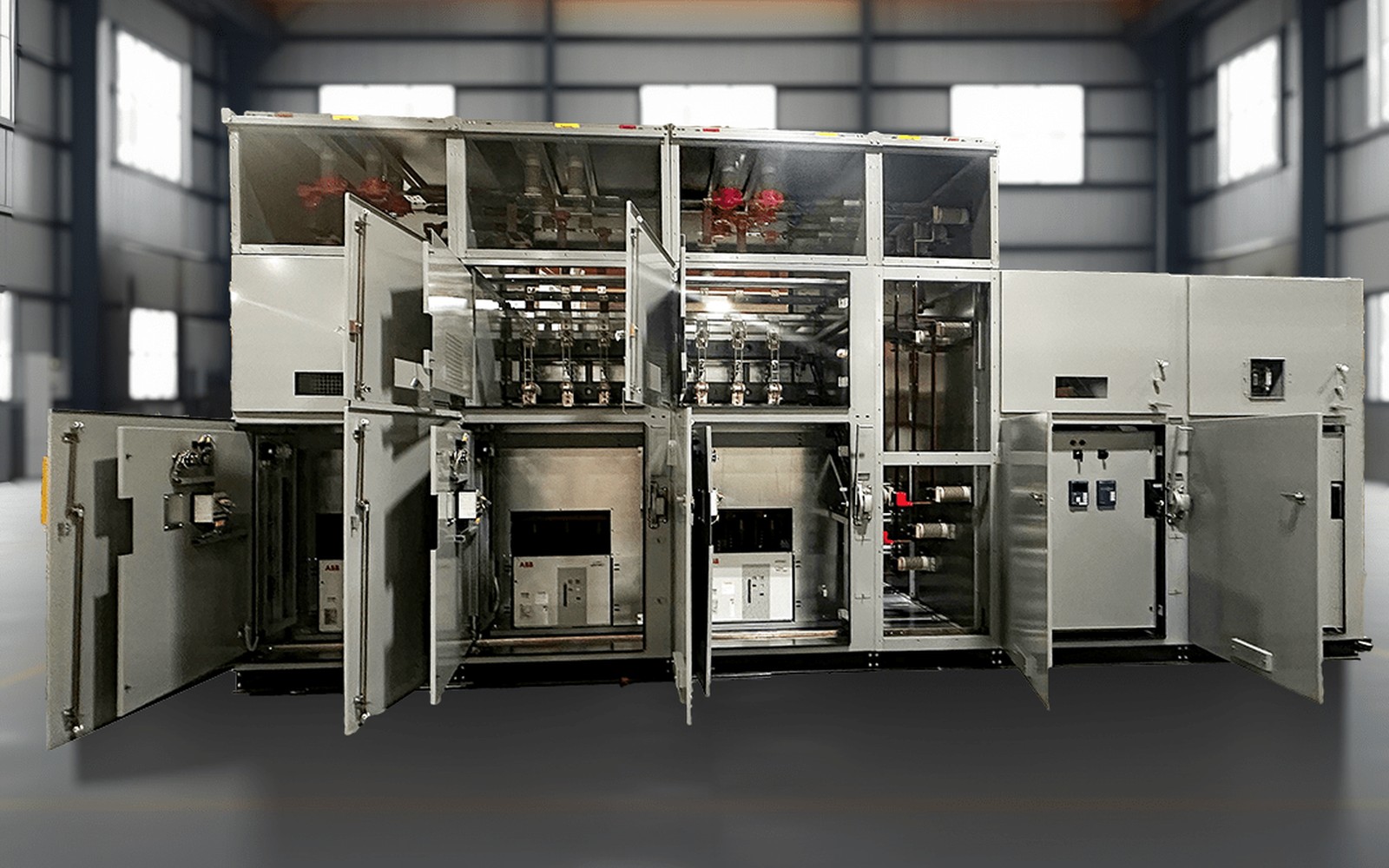
Paralleling switchgear is what makes multiple power sources share a common bus. Two generators, or a generator and the utility, or a solar array and a battery bank all need coordination gear to synchronize frequency, voltage, and phase angle before they can feed the same load. Paralleling switchgear handles that coordination, plus the protection and transfer logic that keeps the system stable if one source trips or the utility fails. Without it, you have independent sources. With it, you have a managed power system.
The applications that drive paralleling switchgear demand share a common characteristic: they cannot afford an outage, or they need flexible power source management to optimize cost. Data centers that run combined utility and generator capacity, hospitals that keep generator sets in parallel during planned utility maintenance, campuses managing peak shaving, and microgrids combining solar and storage with a utility tie all require paralleling capability built into the switchgear.
We finance paralleling switchgear for critical facilities, industrial operators, and anyone running a multi-source power system that needs coordination and protection gear. Minimum transaction $50,000. Application-only up to approximately $400,000. Decisions in 24 to 48 hours on complete files.
How Paralleling Switchgear Works
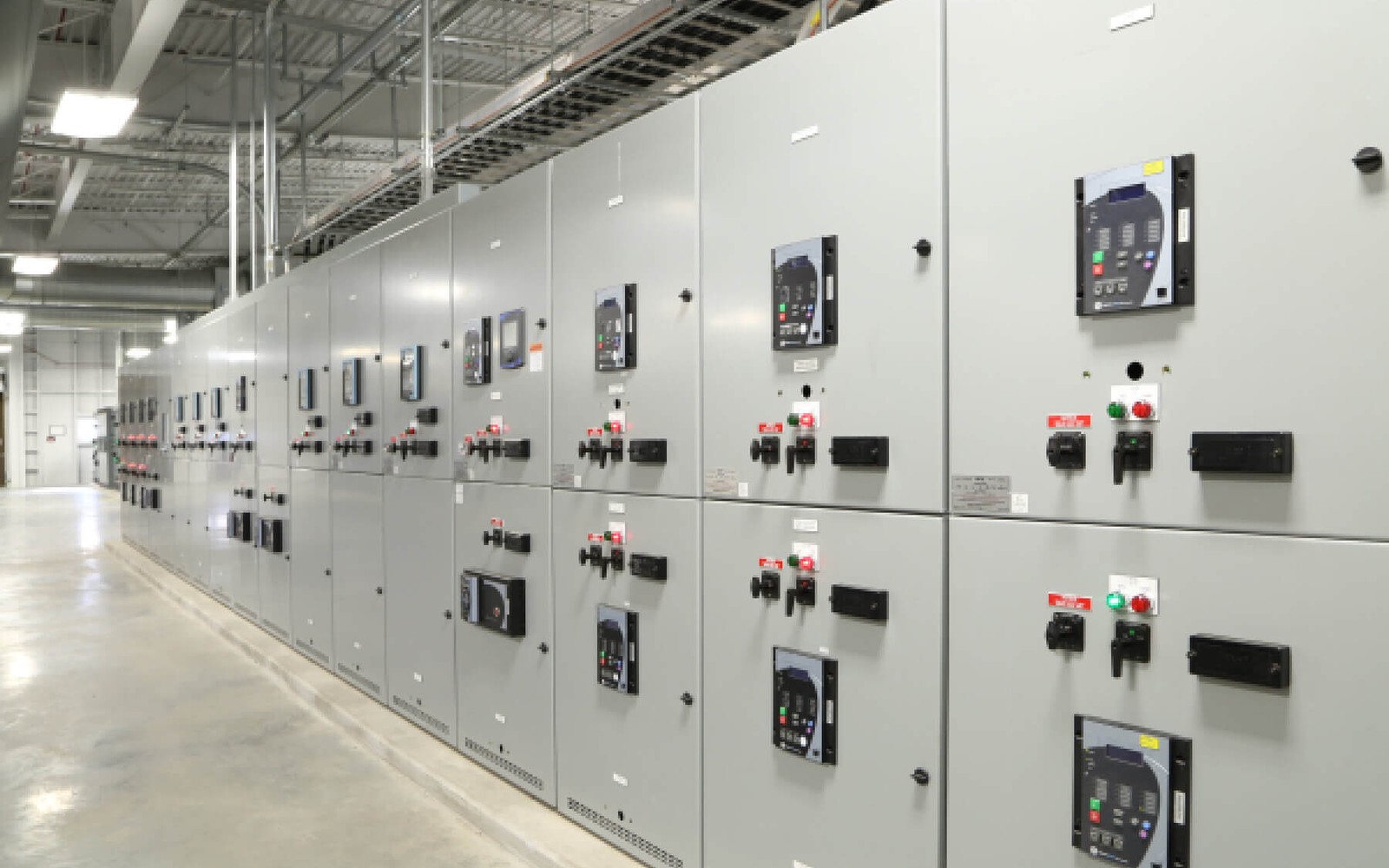
Paralleling switchgear combines transfer switching, synchronizing controls, and protection into a single integrated assembly. The key technical functions are synchronization checking, load sharing, and bus protection.
Synchronization checking confirms that the incoming source matches the bus voltage, frequency, and phase angle within defined limits before the tie breaker closes. A mismatch closes could produce a high-magnitude inrush current or mechanical shock to connected equipment, so the synchronizer holds the closure until the parameters are within spec. This checking happens automatically in fully automatic paralleling gear, with the system managing the sequence without operator intervention.
Load sharing controls distribute load among multiple active sources in proportion to their ratings or as programmed by the operator. For a facility running two generators, the load sharing control keeps each unit at a proportional fraction of its rated capacity rather than allowing one unit to carry all the load. This extends engine life and prevents unit overload during transitions.
Bus protection, including differential protection and reverse power relays, protects against faults on the paralleling bus itself and against a generator motoring under reverse power conditions. These protection functions are especially important in high-availability facilities where a bus fault needs to be isolated within milliseconds to prevent a cascade outage.
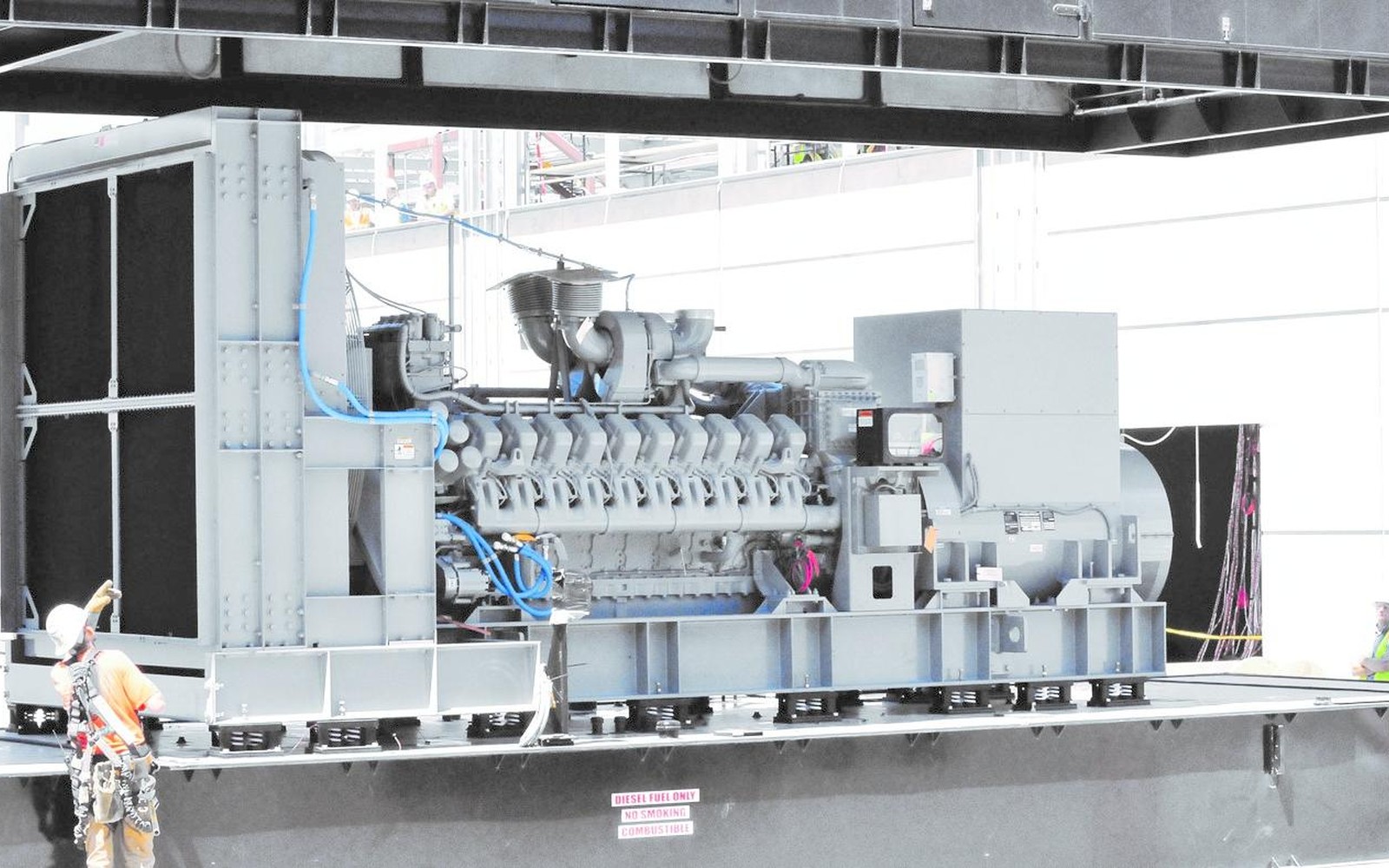
Paralleling switchgear is frequently combined with generator paralleling gear for generator-to-generator synchronization, and with automatic transfer switches for utility-to-generator transfer. The full power system for a critical facility typically includes all three in an integrated scheme. We finance complete power system assemblies under a single transaction.
Critical Facility Applications
Paralleling switchgear financing is driven by industries where uptime is not optional and power source flexibility is operationally valuable.
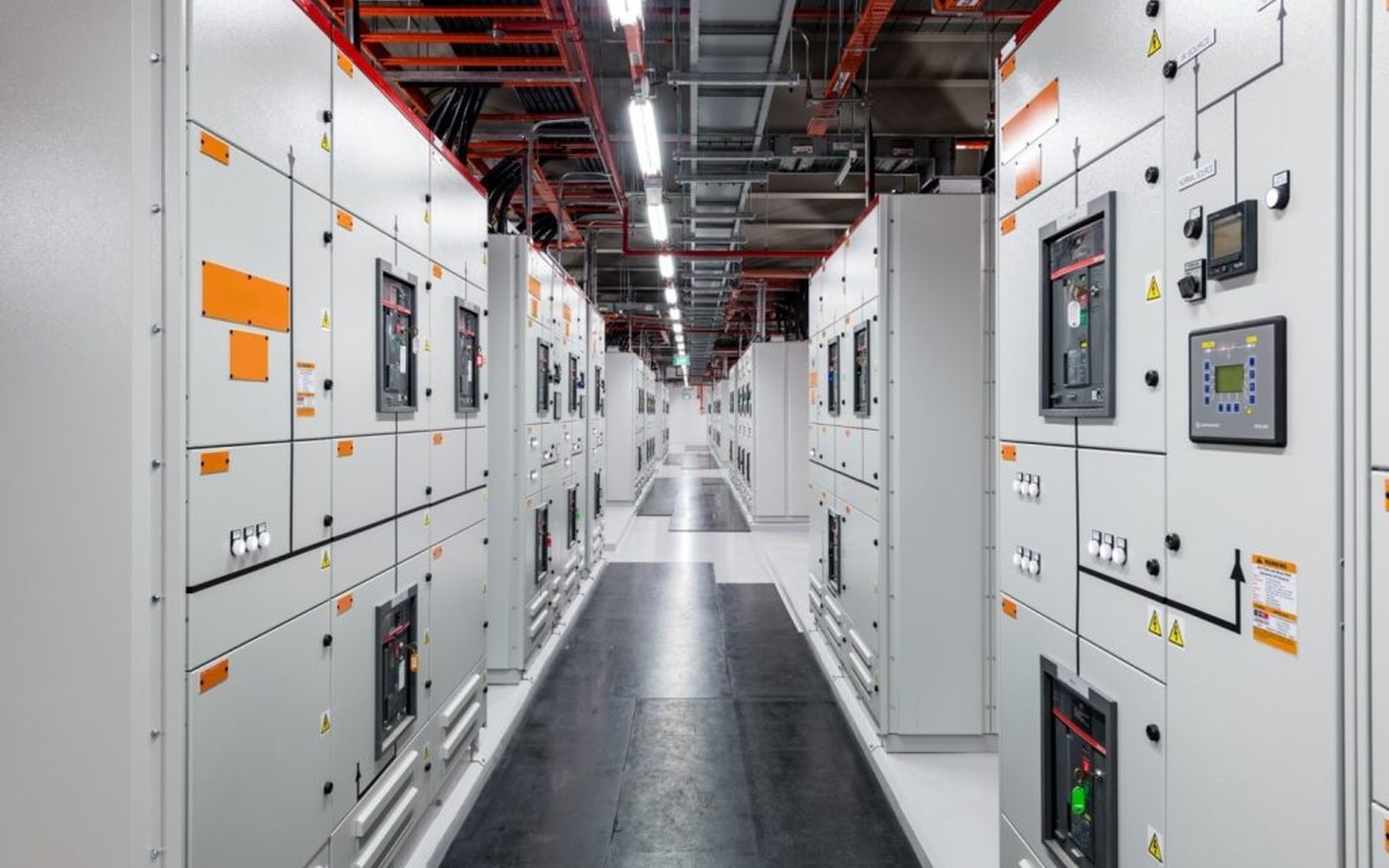
Data centers are the dominant market for advanced paralleling switchgear in commercial and industrial applications. A large data center facility may run multiple utility feeds and multiple generator sets, all sharing a common paralleling bus that allows any combination of sources to serve the load. Data centers in major colocation markets invest heavily in paralleling capability as a differentiator in availability guarantees.
Healthcare and hospitals require paralleling capability to keep generator sets synchronized during planned maintenance on the utility feed, and to manage the transition between normal and emergency power without momentary interruption to life-safety loads. Healthcare and hospitals are subject to NFPA 99 requirements for emergency power, and paralleling switchgear is part of the EPSS (Emergency Power Supply System) design for larger facilities.
Colleges and universities with campus microgrids use paralleling switchgear to manage distributed generation, including cogeneration plants, solar arrays, and battery storage, alongside the utility tie. Colleges and universities that operate their own utility systems are building increasingly sophisticated paralleling schemes as on-site generation grows.
Industrial and manufacturing operators with large standby generator sets use paralleling switchgear to manage planned utility transitions and to peak shave against demand charges. Industrial and manufacturing facilities with 24-hour operations find the operational flexibility of paralleling switchgear valuable beyond the basic backup function.
Financing Structures For Paralleling Projects
Paralleling switchgear is commonly sold as part of a complete power system package that includes the generators, the transfer switches, and the paralleling bus gear. Package pricing for a mid-size critical facility can run $500,000 to $2 million or more. We finance complete power system packages as well as the switchgear component alone.
For large critical facility power system upgrades, we work with both equipment loans and equipment leases on terms from three to seven years. The useful life of paralleling switchgear is long, commonly 20 or more years, which supports longer financing terms. A seven-year term on a $1 million paralleling switchgear package produces monthly payments that fit within capital project budgets for most facilities in this category.
Sale-leaseback is an option for critical facilities that own existing paralleling switchgear outright and want to release that capital for other uses. The Sale-Leaseback Financing page describes the structure and process in detail.
Price This Switchgear Financing Package
Send the quote, seller, lead time, deposit requirement, project location, and the electrical package scope. We will review the structure around the purchase schedule.
Review Switchgear TermsCommon Questions on Paralleling Switchgear Financing
Straight answers before you send the equipment file.
Can we finance paralleling switchgear as part of a complete generator and transfer switch package?
Yes. We finance complete power system packages that include generators, transfer switches, and paralleling switchgear from the same or different vendors. Bundling the package into one transaction simplifies documentation and produces one payment.
We're upgrading an existing paralleling bus to add a new generator. Can we finance just the upgrade sections?
Yes. An upgrade adding sections to an existing paralleling bus qualifies as equipment financing. The new sections are identifiable assets that are financed separately from the existing gear. As long as the upgrade meets the $50,000 minimum, we can structure the financing around the new equipment.
Does paralleling switchgear for a solar-plus-storage microgrid qualify?
Yes. Microgrid paralleling switchgear including utility tie equipment, solar inverter integration, and battery storage coordination gear qualifies for financing. Renewable energy microgrid equipment is treated the same as conventional paralleling gear for financing purposes.
What's the typical term for a hospital power system financing?
Hospital power system financing typically runs five to seven years. The equipment has a long useful life, and longer terms reduce the monthly payment to something manageable within a facility operating budget. Seven-year terms are common for larger hospital power system upgrades, though the specific term depends on the credit review.
Review The Paralleling Switchgear Financing Package
Send the equipment quote, seller, lead time, deposit schedule, and project location. The finance desk will review the package against the actual procurement calendar.