
Switchgear Equipment
Generator Paralleling Gear Financing
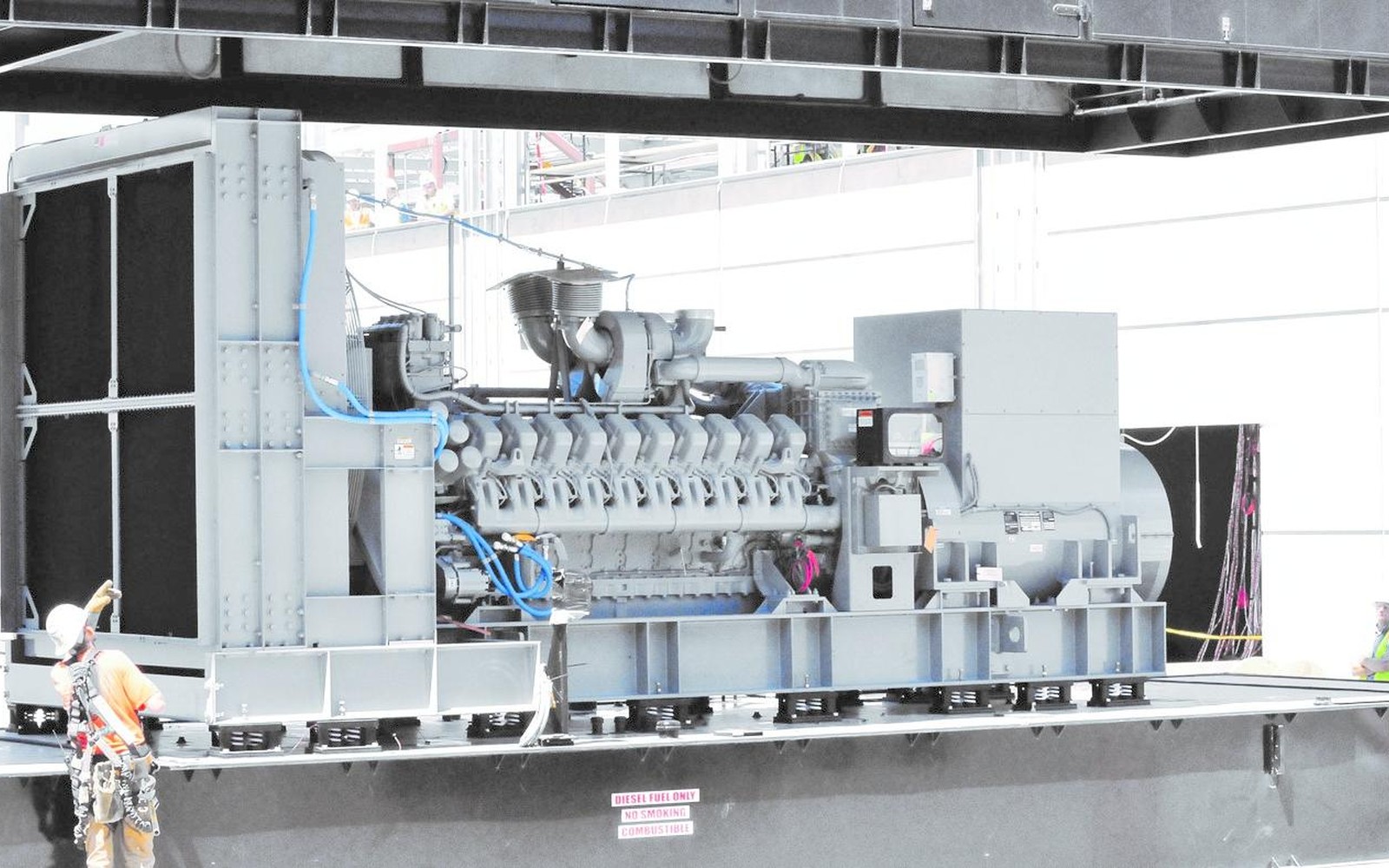
Running one large generator is simple. Running four or six generators sharing a common bus is a different problem entirely. Each unit needs to synchronize with the bus before its breaker closes, each unit needs load shared in proportion to its rating, and if one unit trips, the remaining units need to pick up the dropped load without frequency collapse. Generator paralleling gear handles all of it, and the quality of that gear determines whether the power system behaves well or behaves badly under the moments that matter most.
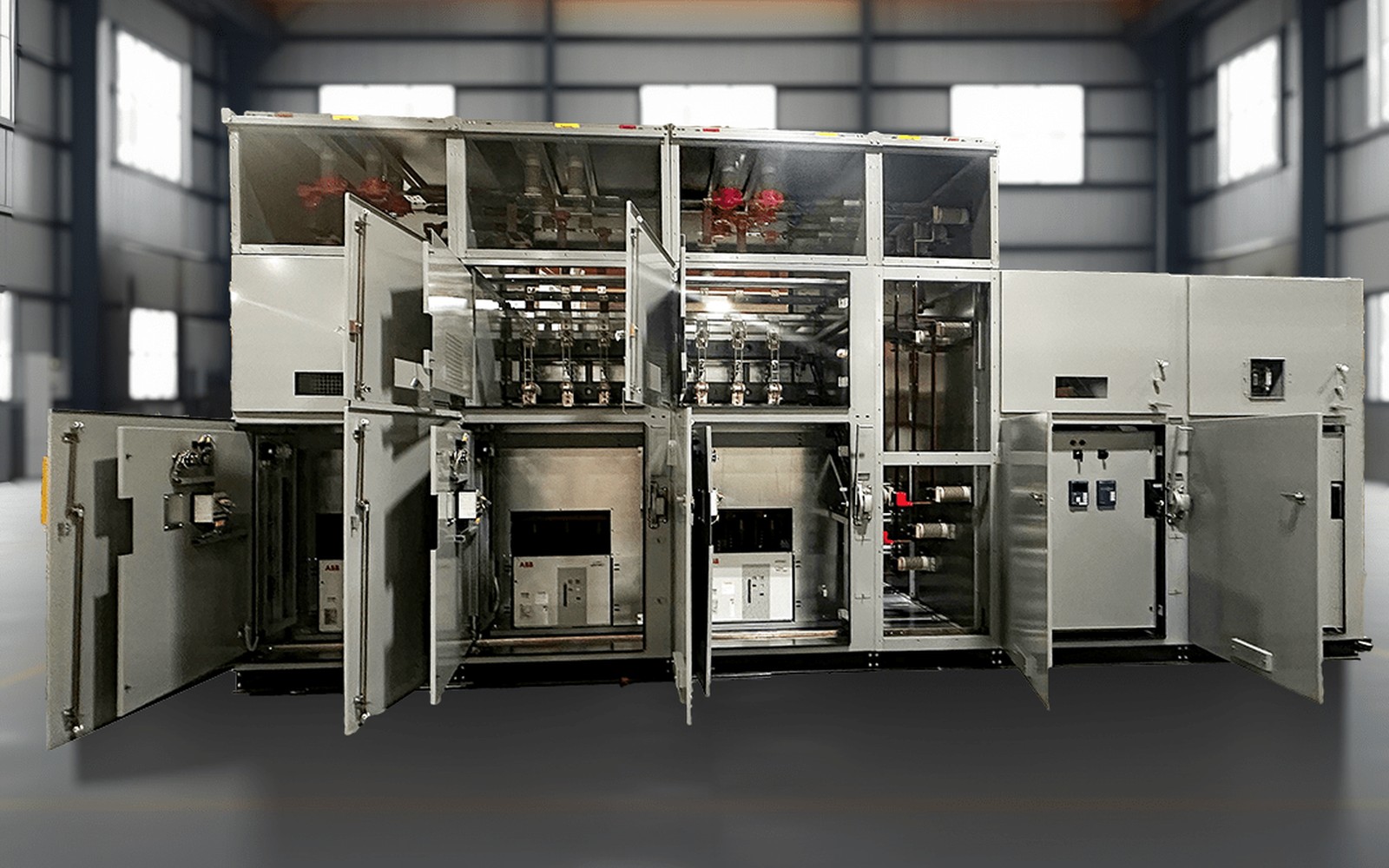
Generator paralleling gear financing covers the switchgear bus, the generator circuit breakers, the synchronizer and load-share controls, and the full protection package as an integrated system. Projects range from a two-generator paralleling panel for a mid-size commercial facility at $150,000 or less, up to multi-megawatt paralleling switchgear rooms for data centers and hospitals in the millions of dollars.
We finance generator paralleling gear for critical facility owners, contractors, and generator system integrators. Application-only financing covers transactions up to approximately $400,000. Credit decisions come back in 24 to 48 hours. New, used, and refurbished paralleling gear all qualify.
Generator Paralleling Gear Components
A generator paralleling system at the switchgear level has several distinct components, each with its own specification and lead time profile.
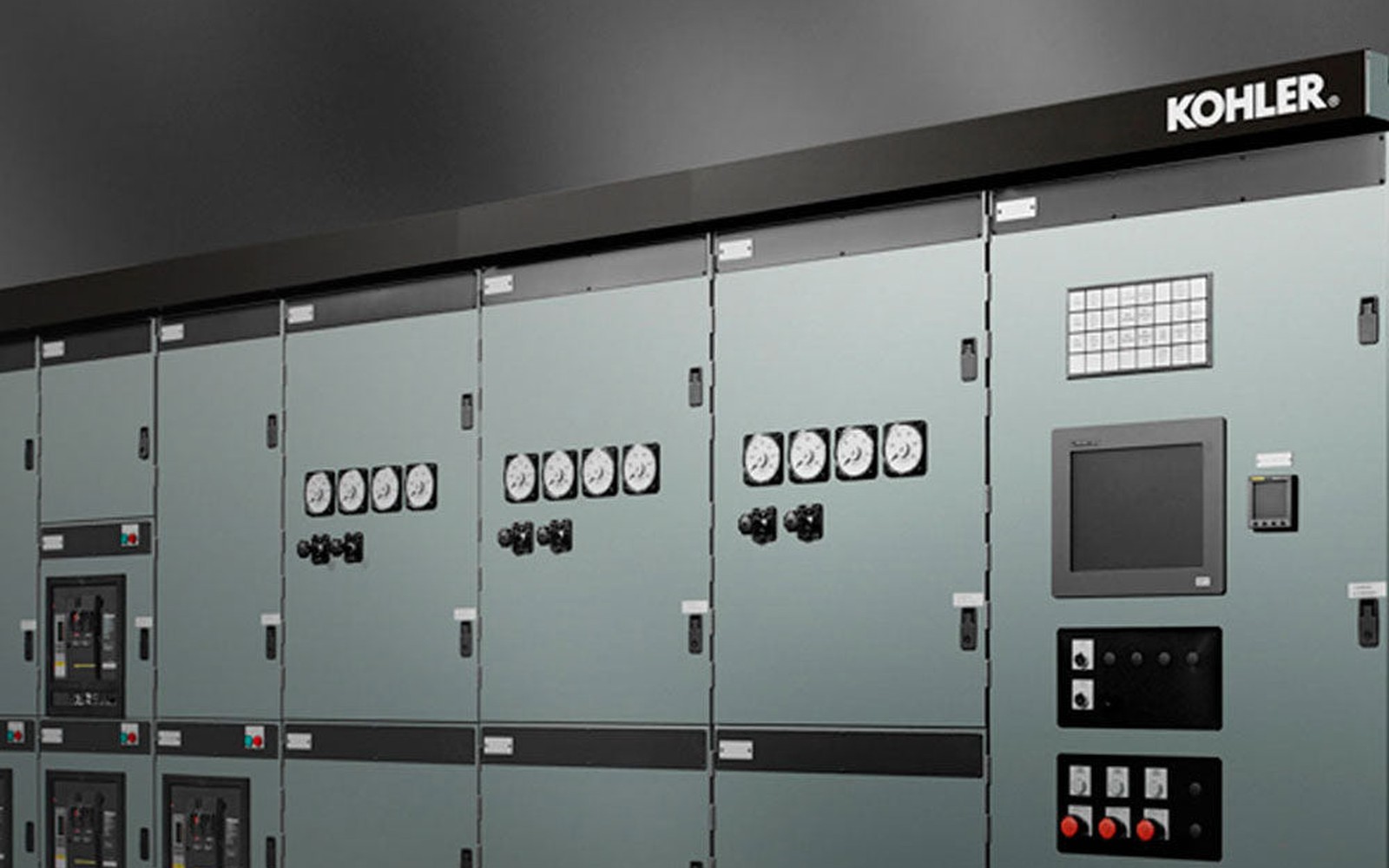
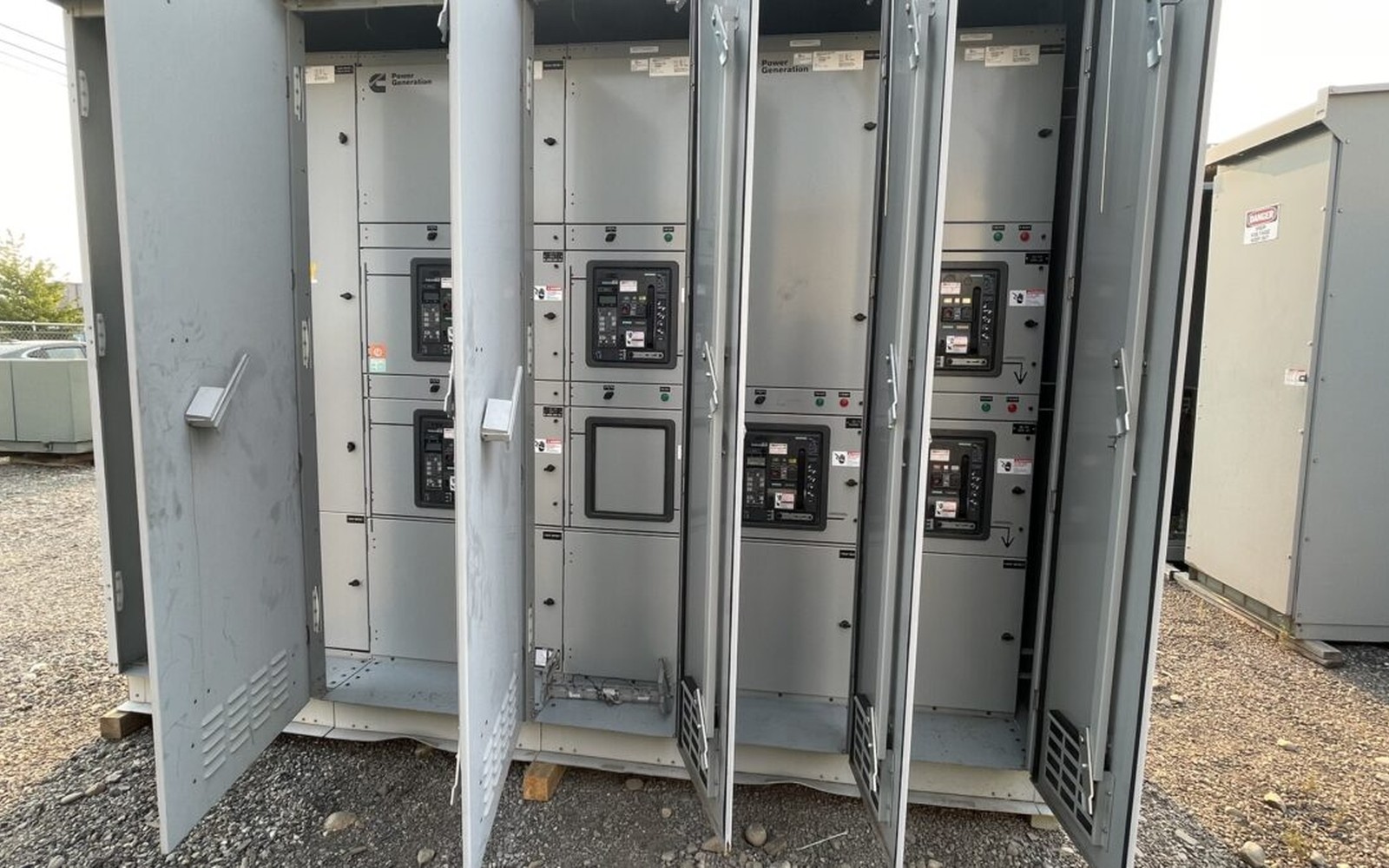
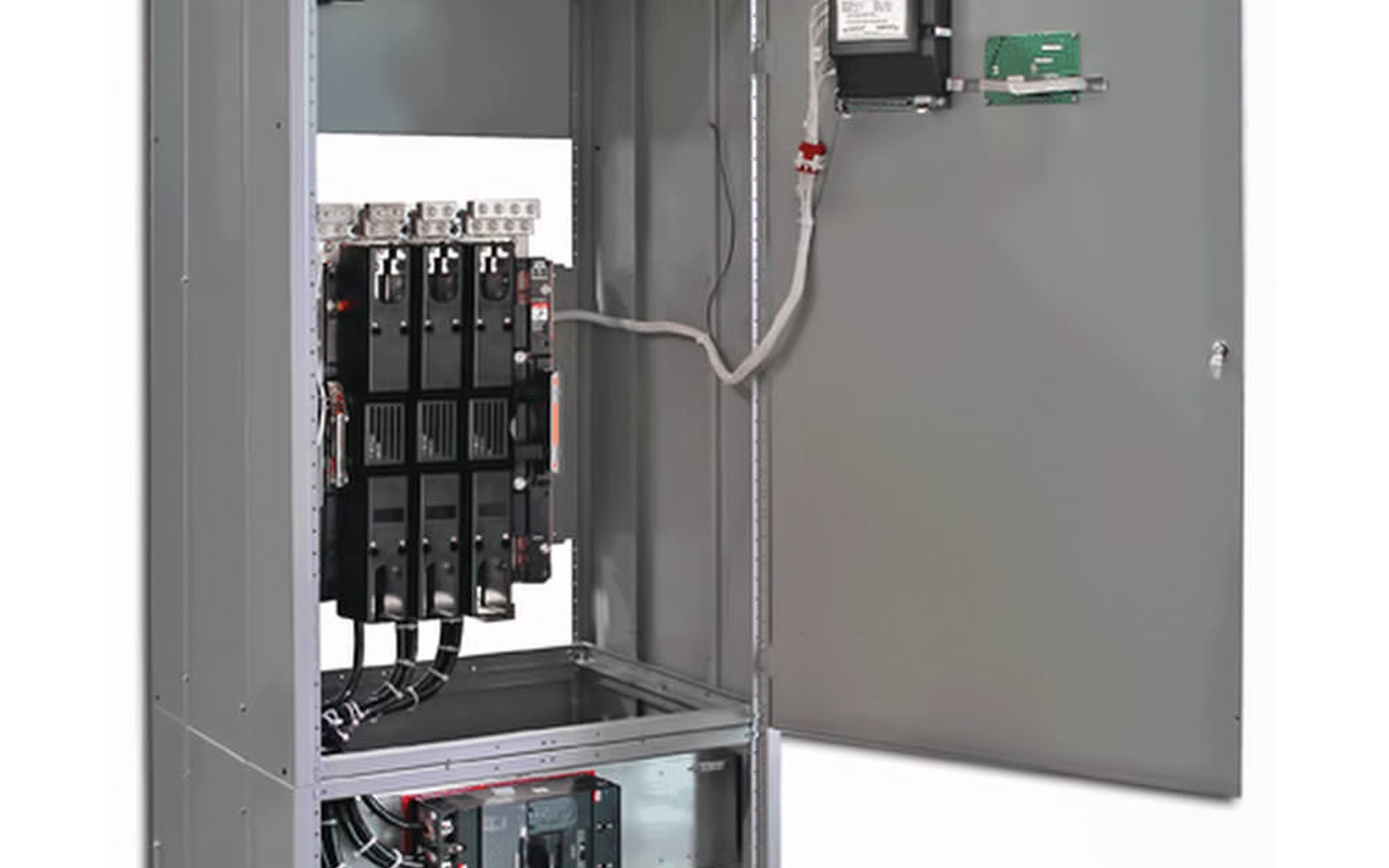
Generator circuit breakers are the primary switching elements, one per generator, sized for the generator's full output rating with appropriate interrupting capacity. These are either low-voltage molded-case or low-voltage power circuit breakers depending on the generator voltage, typically 480V or 600V for most commercial and industrial units.
The paralleling bus is the common copper or aluminum bus bar system that all generator circuit breakers feed into. Bus sizing is based on the total connected generator capacity, with provision for one or more units offline during maintenance. A properly sized paralleling bus operates at full load rating even when one unit is out of service.
Synchronizer and load-share controls are the intelligence layer. These panels accept speed, voltage, and frequency signals from each generator's governor and automatic voltage regulator, check synchronization conditions before permitting tie breaker closure, and continuously manage real and reactive load sharing between running units. Manufacturers like Cummins (PowerCommand), Caterpillar (EMCP), and ASCO (4000 Series) each offer their own proprietary paralleling control platforms.
Utility tie circuit breaker is present in systems designed to parallel generators with the utility, adding an interconnection breaker with anti-islanding protection and utility-grade protection relay packages. This breaker position is subject to utility interconnection requirements and may need to meet specific utility specifications on protection relay settings and communication protocols.
Who Buys Generator Paralleling Gear
Generator paralleling gear is found wherever load is large enough to require multiple generator units and continuity of power is a hard requirement.
Data centers are the highest-volume buyers of commercial paralleling gear. A 10-megawatt data center hall may have six to eight paralleling generator sets, each with its own circuit breaker on the paralleling bus. The entire system, generators, switchgear bus, and controls, is commonly specified and purchased as an integrated package. Data centers set the quality and specification standard for commercial paralleling gear because their operations depend on it running without fault.
Healthcare and hospitals use paralleling gear to operate multiple emergency generator sets as a coordinated EPSS. NFPA 110 specifies transfer time and performance requirements for emergency power, and a paralleling bus design gives the facility flexibility to take individual units off for maintenance while keeping others in service. Healthcare and hospitals investing in new generator plants or replacing aging systems are consistent buyers of paralleling gear.
Government and municipal facilities, including emergency operations centers, water pumping stations, and military installations, specify generator paralleling for N+1 redundancy at critical loads. Government and municipal projects often use competitive procurement that produces well-documented equipment specifications suitable for financing review.
Paralleling switchgear is closely related to the broader paralleling switchgear category, which includes utility-tie paralleling and microgrid applications beyond the pure generator-to-generator scenario.
Getting Generator Paralleling Gear Financed Fast
Generator paralleling gear projects often move on construction schedules tied to generator delivery. The generator lead time from Caterpillar, Cummins, or Kohler may be 20 to 30 weeks. The paralleling switchgear is often ordered from a separate supplier and needs to arrive at site coordinated with the generator delivery so both can be installed and commissioned together. Having financing approved at the outset of the procurement sequence keeps orders moving.
For established businesses, the application process is straightforward. Business information, equipment description, and vendor. Credit decisions return in 24 to 48 hours. Funding closes when the equipment is delivered or at agreed progress milestones. The whole process from application to funded is typically one to two weeks, which means submitting the application the same day you issue the equipment RFQ is perfectly reasonable.
We also work with startup switchgear financing for entities formed specifically to own and operate a facility's power infrastructure. Project companies and SPVs formed for data center or healthcare power system ownership have financed generator paralleling gear through this structure.

Price This Switchgear Financing Package
Send the quote, seller, lead time, deposit requirement, project location, and the electrical package scope. We will review the structure around the purchase schedule.
Review Switchgear TermsCommon Questions on Generator Paralleling Gear Financing
Straight answers before you send the equipment file.
Can we finance the generator and the paralleling gear together in one transaction?
Yes. A complete generator paralleling system including the generators, the paralleling switchgear bus, and controls can be financed in a single transaction, even if the generators and switchgear come from different vendors. We work with the purchase orders and invoices from each vendor to structure a single financing facility.
Our facility uses Cummins PowerCommand controls. Does it matter which brand of paralleling controls we use?
No. We finance paralleling systems using any brand of control platform, including Cummins PowerCommand, Caterpillar EMCP, ASCO 4000 Series, Russelectric, or any other manufacturer. The specific control platform is a specification decision, not a financing eligibility decision.
We're replacing an old paralleling panel that was built in the 1990s. Can we include the demolition and installation costs in the financing?
Equipment financing covers the equipment purchase. Soft costs like installation, demolition, and labor are generally not included unless they are embedded in a turnkey purchase contract with a single vendor. If the project is contracted as a turnkey scope with one invoice, soft costs that are part of that turnkey price can sometimes be included in the transaction.
Is there a maximum number of generator positions in a paralleling lineup that affects financing?
There is no generator-position count limit from a financing standpoint. A four-generator paralleling bus and a twelve-generator bus are both financed as equipment based on the total transaction value. Larger paralleling systems with more positions typically have higher transaction values, and for amounts above $400,000 we add bank statements to the application package.
Review The Generator Paralleling Gear Financing Package
Send the equipment quote, seller, lead time, deposit schedule, and project location. The finance desk will review the package against the actual procurement calendar.