
Financing Programs
Startup and New Business Switchgear Financing
A new electrical contracting business or startup integrator faces a paradox: you need the gear to win the work, but lenders want to see the work history before they fund the gear. That gap is not insurmountable. Startup and early-stage equipment financing exists specifically to move past it, using personal credit, owner equity, and the strength of the equipment as collateral to offset the shorter business history.
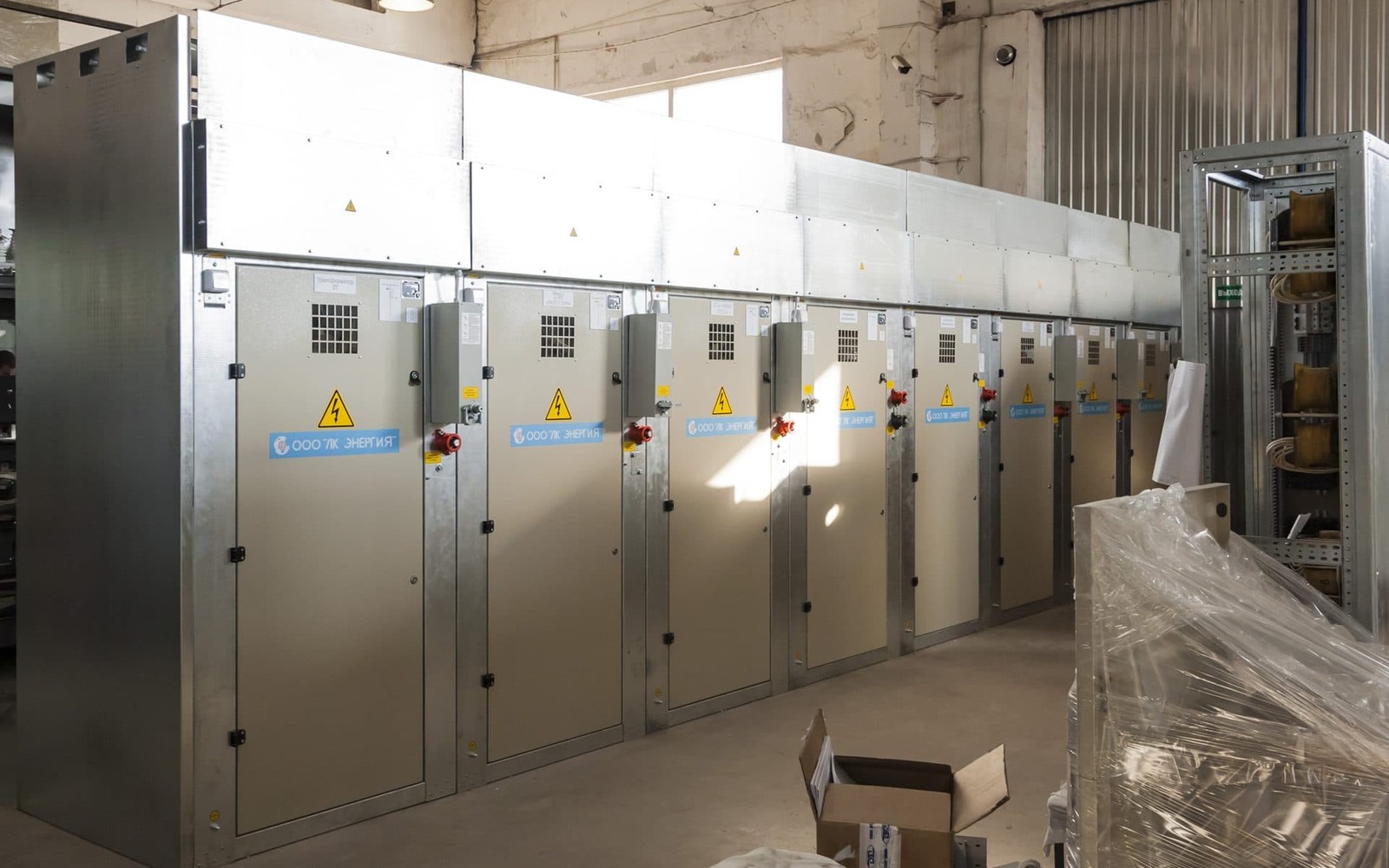
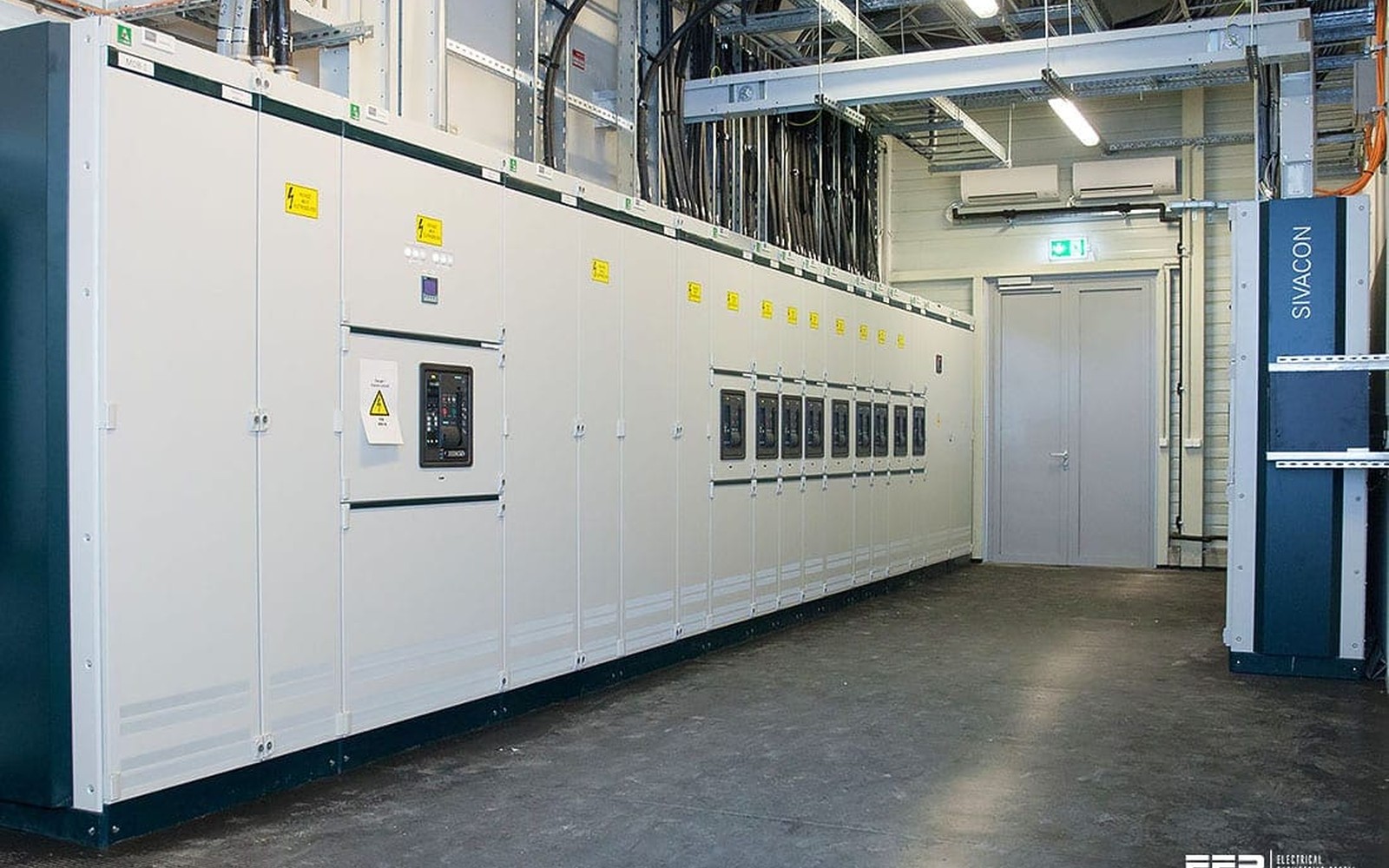
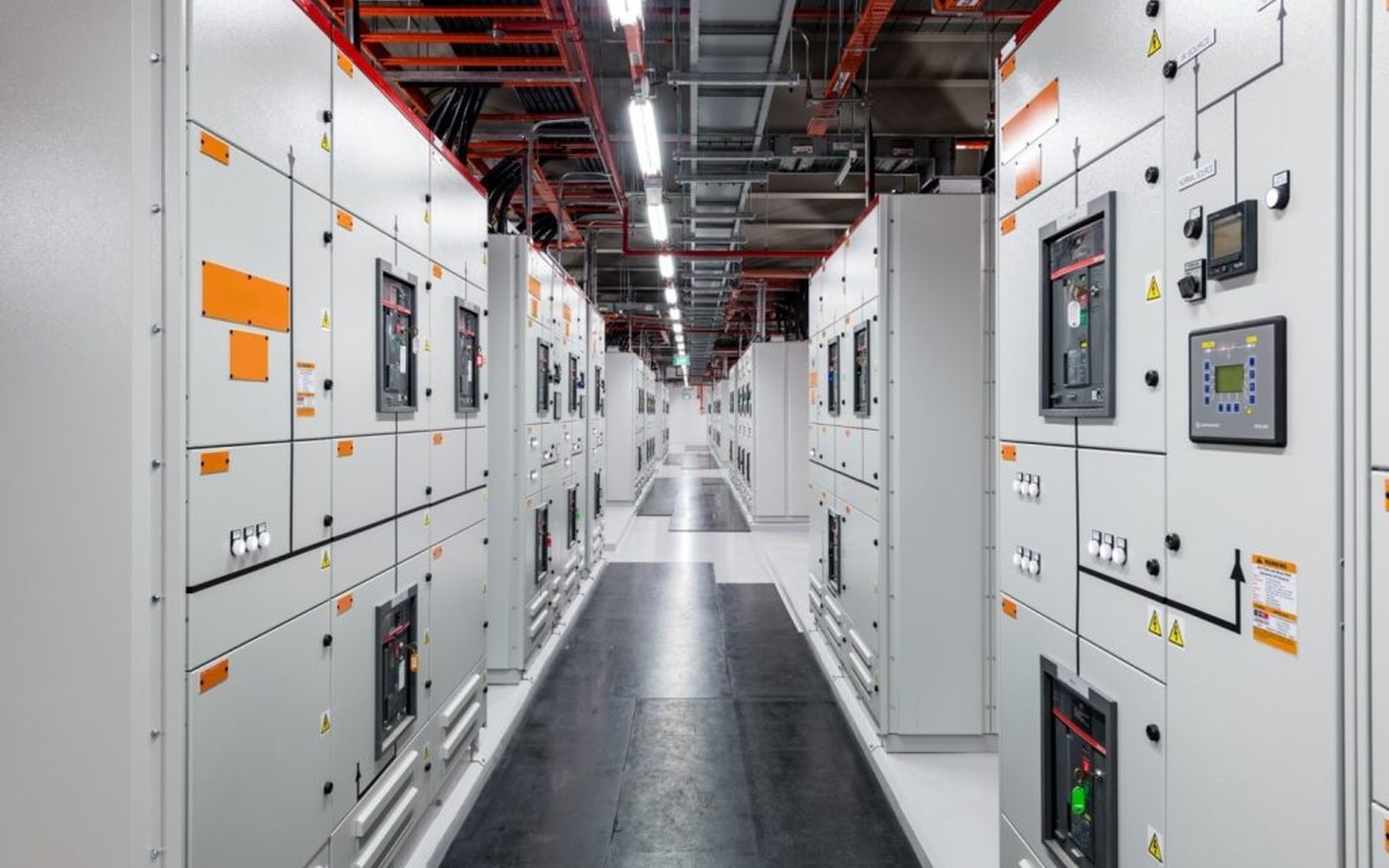
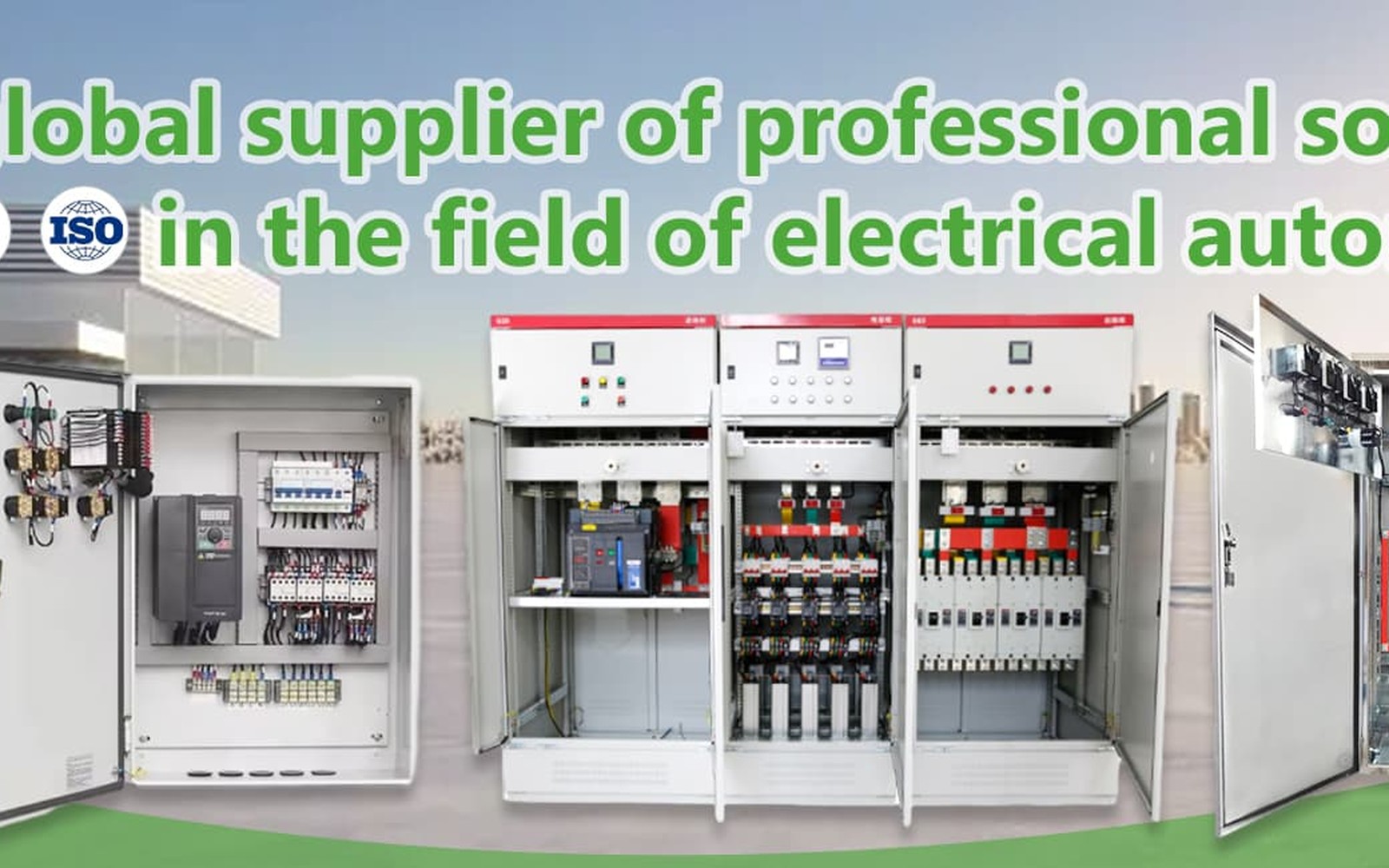
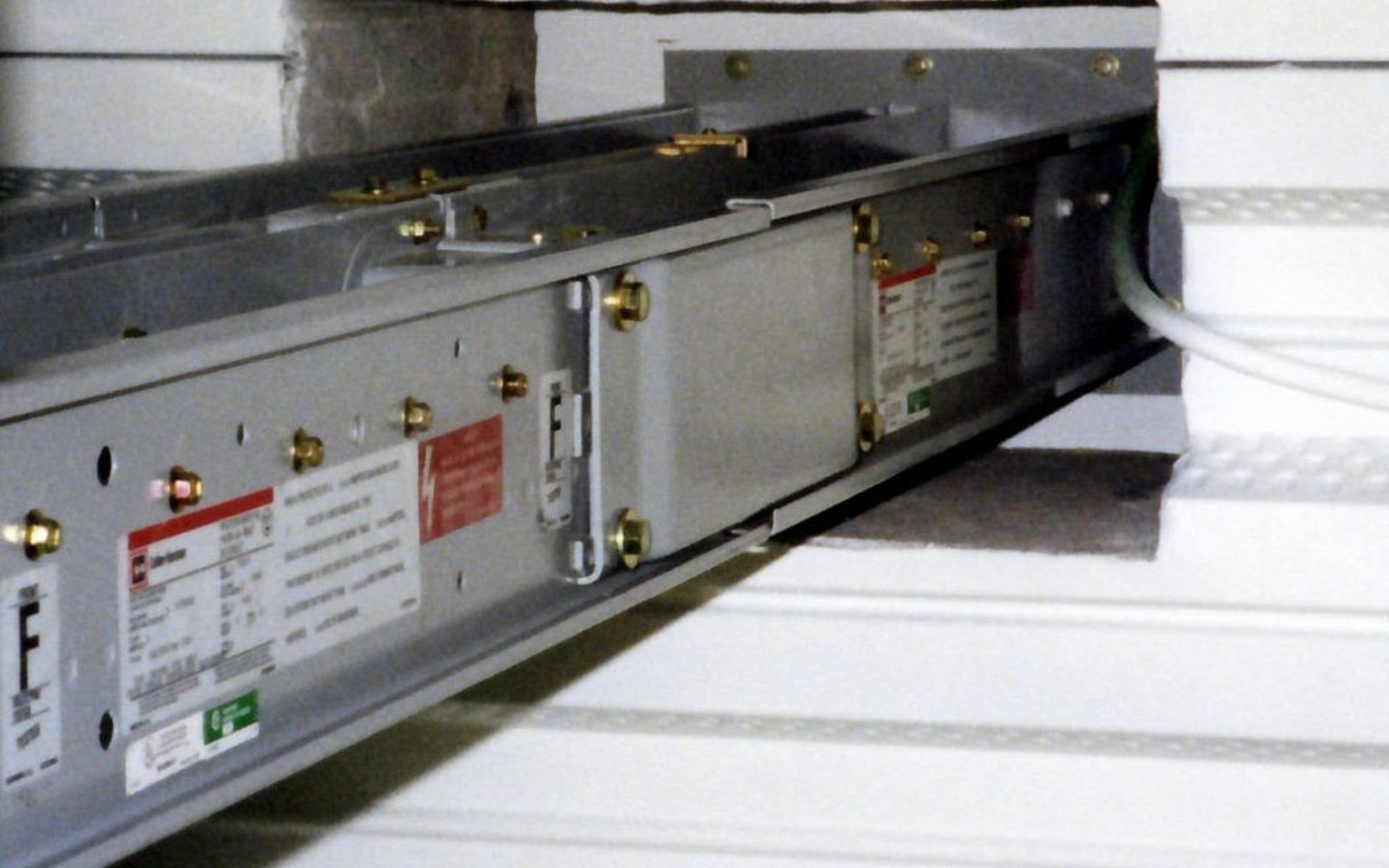
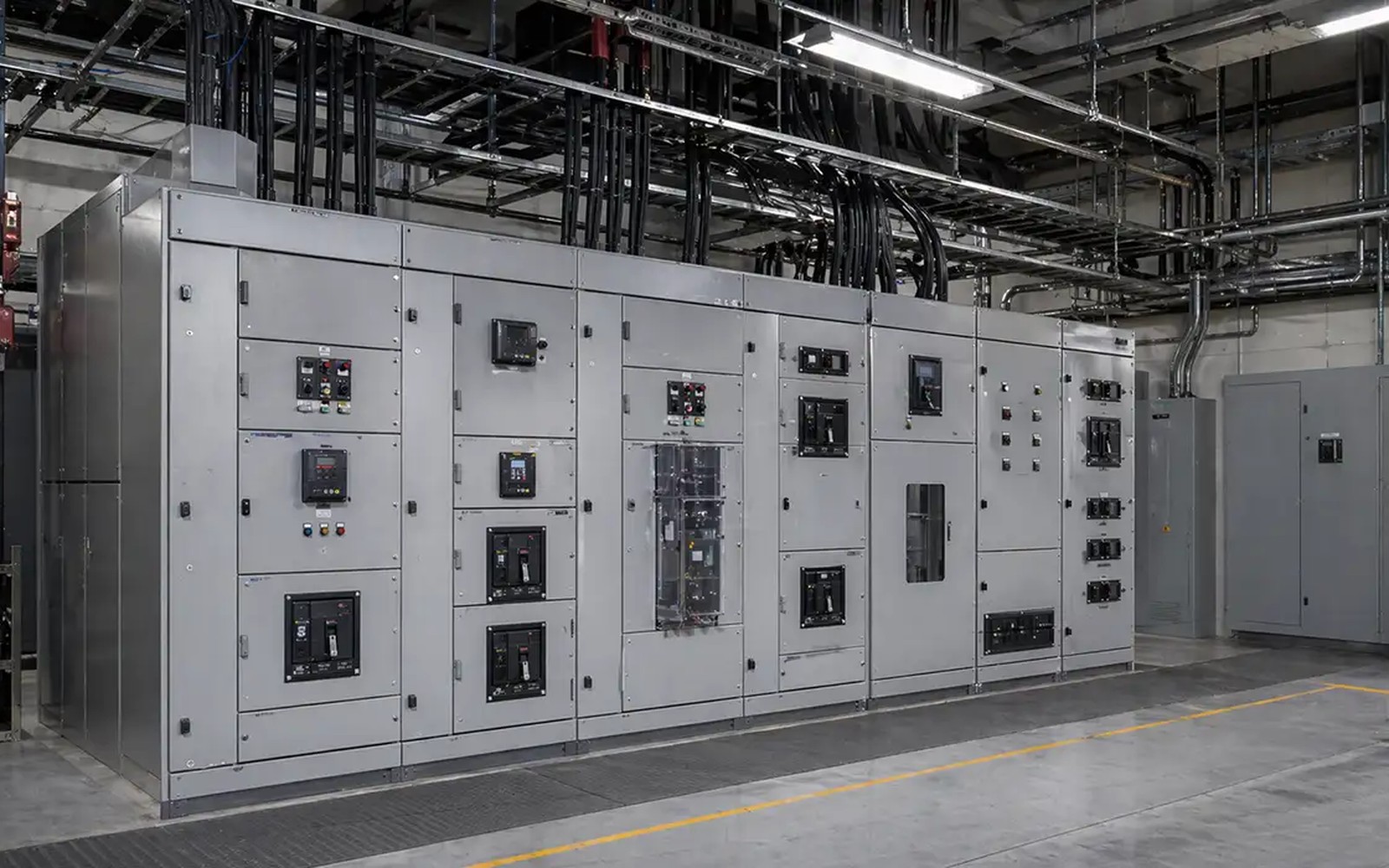
We work with businesses under two years in operation who need to finance low-voltage switchgear, automatic transfer switches, motor control centers, and similar distribution gear to start or scale an electrical service operation. The terms are different from established-business financing. The requirements are different. But the path exists.
What Lenders Look At Instead Of Business History
Without two-plus years of business financials, underwriters shift emphasis to factors that predict future performance. The main substitutes are:
- Personal Credit. A personal FICO score above 680 to 700 is the primary signal in a startup deal. The stronger the personal credit, the better the terms and the more likely approval without a large down payment.
- Owner Equity Contribution. A 10 to 25 percent down payment demonstrates commitment and reduces the lender's exposure. Higher down payments offset weaker credit scores or shorter business history.
- Contract Or Backlog Documentation. A signed contract or letter of intent from a customer is powerful. If you are buying gear to fulfill a specific project, showing that the revenue exists makes the deal substantially stronger.
- Industry Experience. A new business run by someone with a decade of experience in electrical contracting or a related trade is treated differently from a business run by someone new to the industry. Document your experience in the application.
Who Typically Applies
Three types of new business scenarios come up most often:
- Experienced Electrician Going Independent. A journeyman or master electrician who spent years at an established contractor and is now running their own operation. Strong personal credit and real-world experience offset the short business history.
- Electrical Integrator Or Panel Shop Startup. Building a business around assembly and service of motor control centers or power distribution units. Often has an initial client lined up. The first piece of gear finances the first project, which builds the track record for the second deal.
- New Entity For A Specific Project. A contractor forming a new legal entity for a large project. The entity is new, but the principals and guarantors have credit and experience history. Lenders can work with this if the personal guarantees are strong.
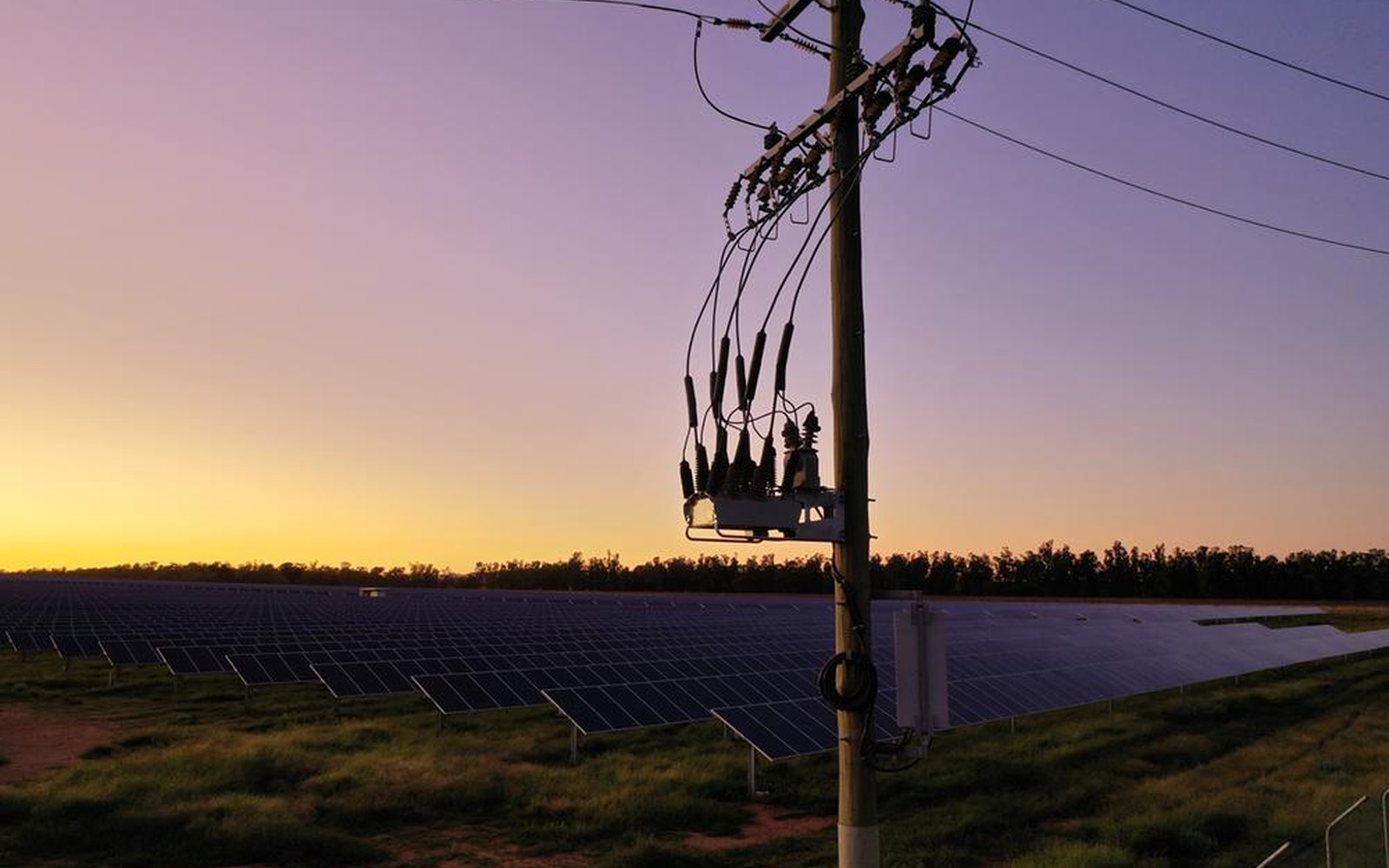
For businesses that serve electrical contractors or operate in the renewable energy space, first-project financing is particularly important because the project often represents a significant portion of early-year revenue.
Documentation For Startup Financing
Startup deals require more documentation than established-business application-only, but less than a full bank underwrite. Typical requirements:
- Business formation documents (articles of incorporation or LLC agreement)
- EIN from IRS
- Personal credit authorization for all owners above 20 percent
- Personal bank statements (3 months) to show personal financial strength
- Equipment description and vendor quote
- Contract, LOI, or project documentation if available
- Resume or brief bio of the principals showing relevant industry experience
Personal tax returns for the prior two years are sometimes requested. They are less about business performance than about confirming the owner's financial picture is stable. If personal finances are strong, the lack of business history is a workable obstacle rather than a hard stop.
What To Expect On Terms
Startup financing comes at a cost premium relative to established-business rates. That is not a surprise. The lender is taking on more uncertainty and pricing accordingly. Practically, this means:
- Rates run higher than established-business rates, often by 2 to 4 percentage points
- Terms may be shorter, particularly on used or specialized gear
- Down payment requirements of 10 to 25 percent are common where an established business might get 100 percent financing
- Transaction limits are typically lower in the startup tier, often capped below $200k
As the business accumulates 12 to 24 months of payment history on the first transaction, subsequent deals get progressively better terms. The first piece of gear is the hardest financing to place. It also builds the relationship and track record that makes the second, third, and tenth deal easier. See our page on equipment loans for what established-business rates and terms look like as a comparison.
Price This Switchgear Financing Package
Send the quote, seller, lead time, deposit requirement, project location, and the electrical package scope. We will review the structure around the purchase schedule.
Review Switchgear TermsCommon Questions on Startup and New Business Switchgear Financing
Straight answers before you send the equipment file.
My business has been open for 6 months. Is that too new?
Not necessarily, but the requirements shift heavily toward personal credit and equity contribution. Six months in operation with strong personal credit and a 20 percent down payment is a workable scenario. Without at least two of those three factors, it becomes very difficult.
Can I get startup financing without a personal guarantee?
Not in this credit tier. Personal guarantees are standard in startup equipment financing. The business is too new to stand alone as a credit risk. If you are not willing to personally guarantee the deal, startup financing is not available.
I have a signed contract for $800k of work. Does that help?
Significantly. A signed contract is one of the strongest things you can show a lender in a startup transaction. It demonstrates that revenue is coming and the gear purchase is purposeful. Include a copy with your application.
Will the lender consider my previous employer's history in the industry?
Not directly, but you can document your industry experience and professional credentials. A master electrician license, relevant certifications, and a history of similar projects help build the narrative that this business is run by someone who knows what they are doing. Include that in the application.
What is the smallest startup deal you can do?
Our minimum is $50k across the board. Startup deals at $50k to $150k are common. The economics of arranging financing below $50k rarely make sense given the transaction costs involved.
Review The Startup and New Business Switchgear Financing Package
Send the equipment quote, seller, lead time, deposit schedule, and project location. The finance desk will review the package against the actual procurement calendar.