
Industries Served
Switchgear and Electrical Infrastructure Financing for Colleges and Universities
Campus electrical infrastructure is invisible until it fails. A unit substation failure during finals week or a transfer switch that does not clear in the middle of a research experiment is the kind of event that makes facility directors regret deferring the replacement. Academic capital budgets move on annual cycles and are heavily contested between new building construction, deferred maintenance, and academic program needs. Equipment financing lets facilities teams fund specific electrical replacements outside the general budget competition, securing the gear on the procurement timeline rather than the appropriations timeline.
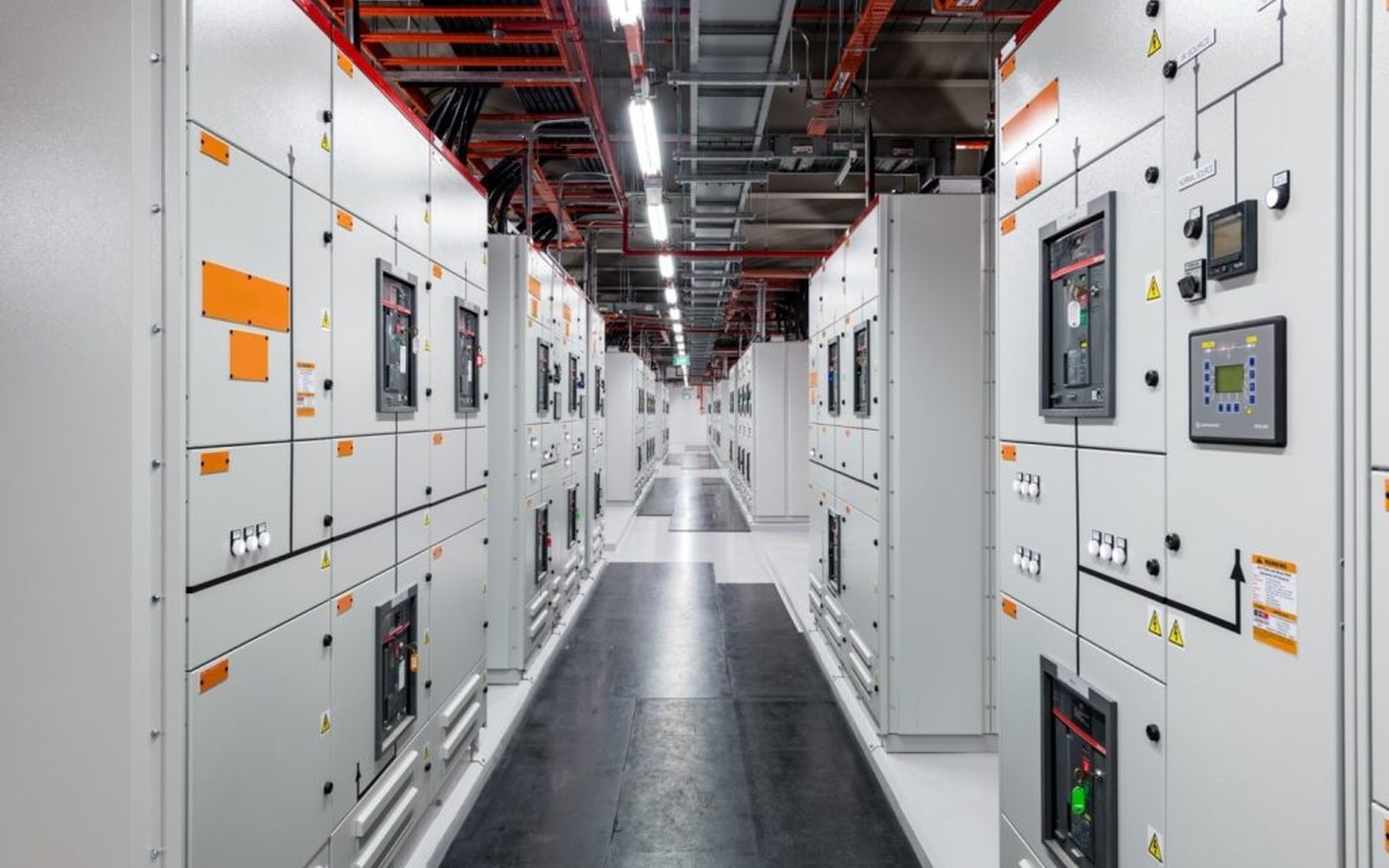
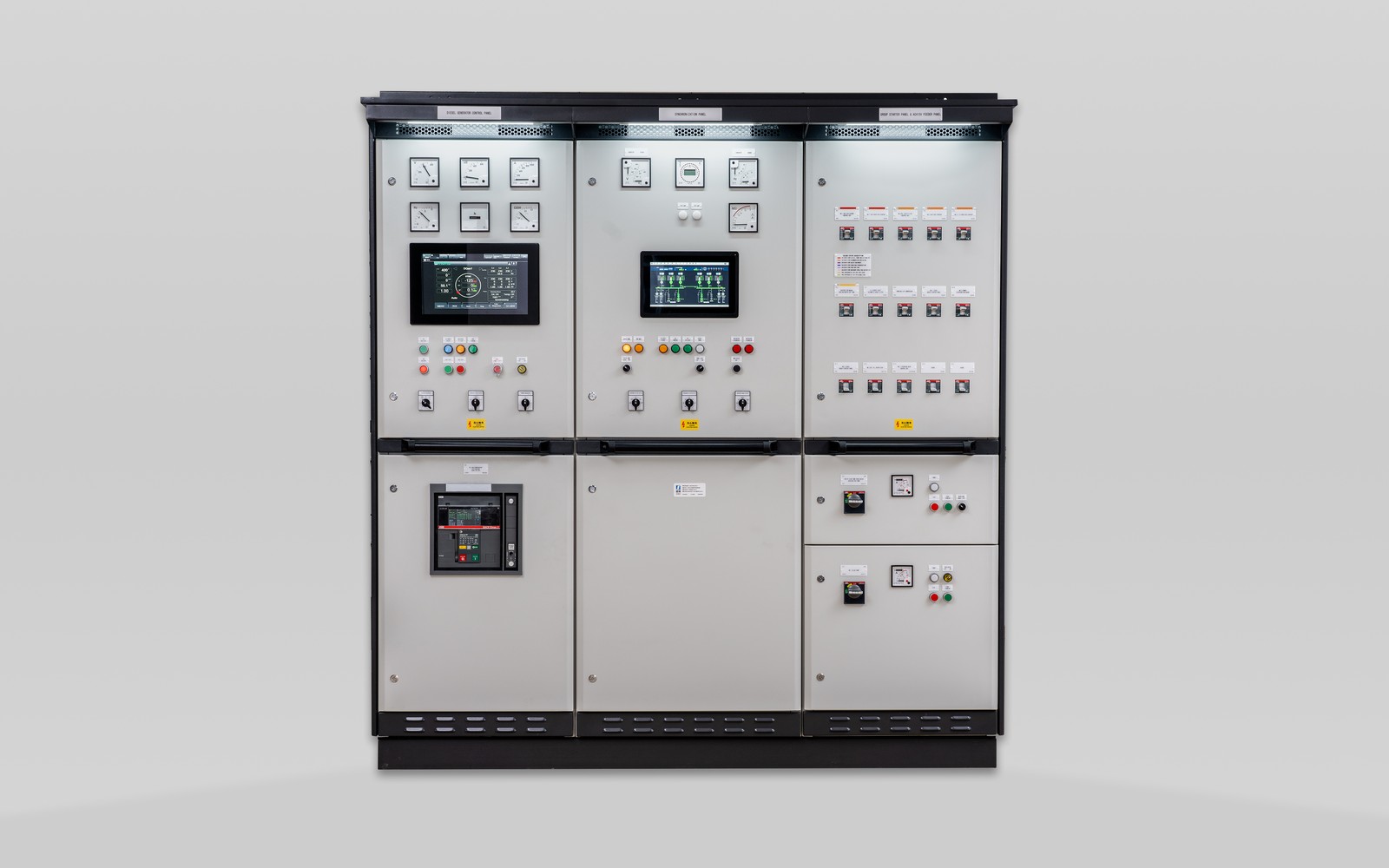
We finance electrical power equipment for colleges, universities, community colleges, and independent schools. Equipment financed includes unit substations serving academic buildings and residence halls, medium-voltage campus distribution switchgear, automatic transfer switches for critical research and healthcare facilities on campus, UPS systems for data centers and research equipment, and the full range of building-level switchboards and distribution panelboards serving individual facilities.
Campus Types And Facility Categories
Research universities with laboratories, data centers, and specialized research equipment are among the most demanding campus electrical environments. Lab facilities require reliable power with fast transfer times for sensitive instruments. Animal research facilities and clean rooms have HVAC electrical loads that cannot tolerate power interruptions. Emergency power system upgrades for those facilities, including new transfer switches and generator distribution, are exactly what this program finances.
Community colleges and smaller independent colleges face a different challenge. Capital access is more limited and bond capacity is often reserved for new construction. Equipment financing for specific electrical replacements, a 30-year-old main switchboard in the science building or an aging transfer switch in the administration complex, provides a practical path to deferred maintenance without a bond measure.
University medical centers and campus hospitals connected to academic medical programs have the critical power requirements of healthcare facilities combined with the procurement patterns of academic institutions. Those combined requirements are familiar to our team. The healthcare and hospital page covers the NFPA 99 aspects of those projects in more detail.
Campus Electrical Equipment Projects
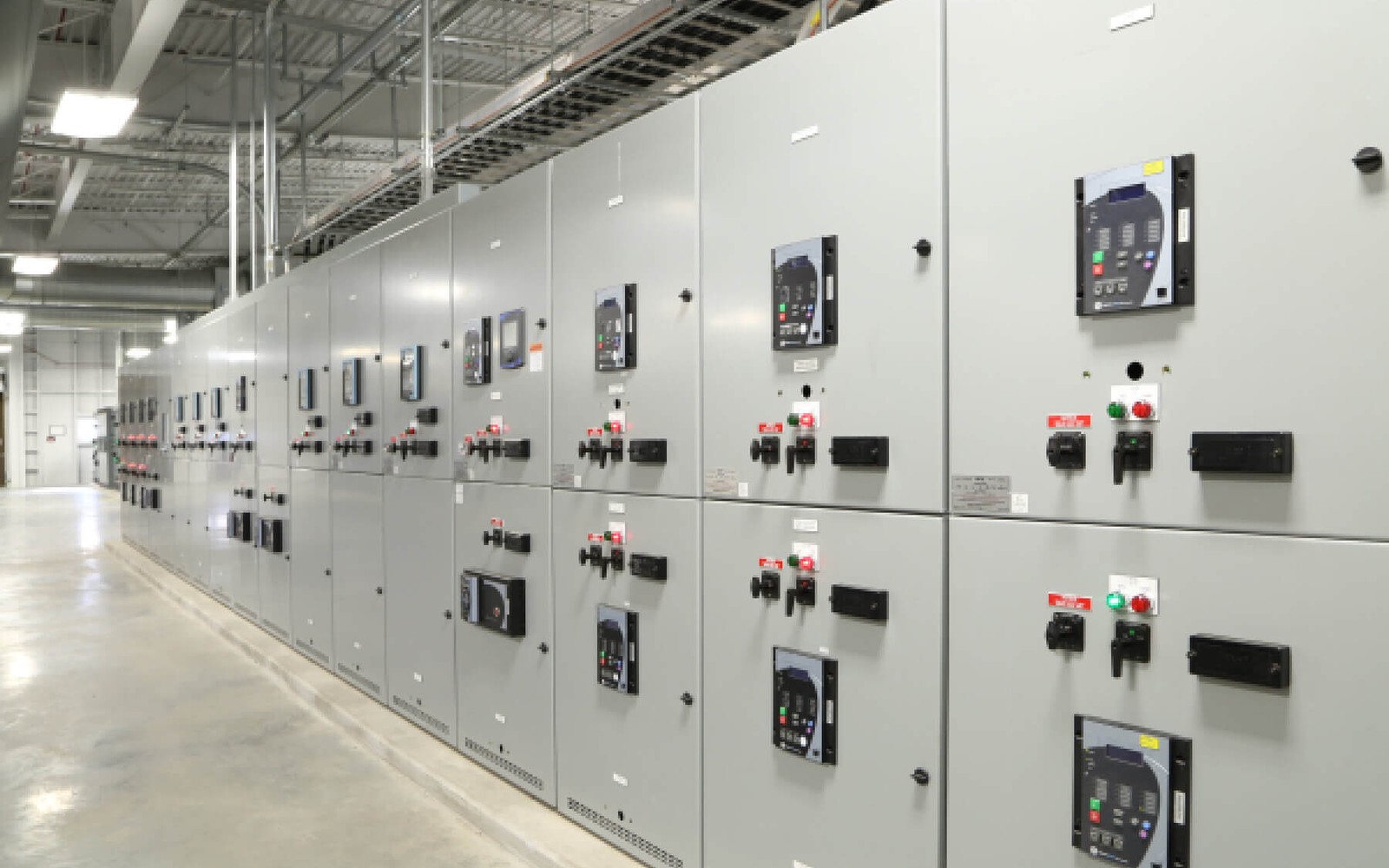
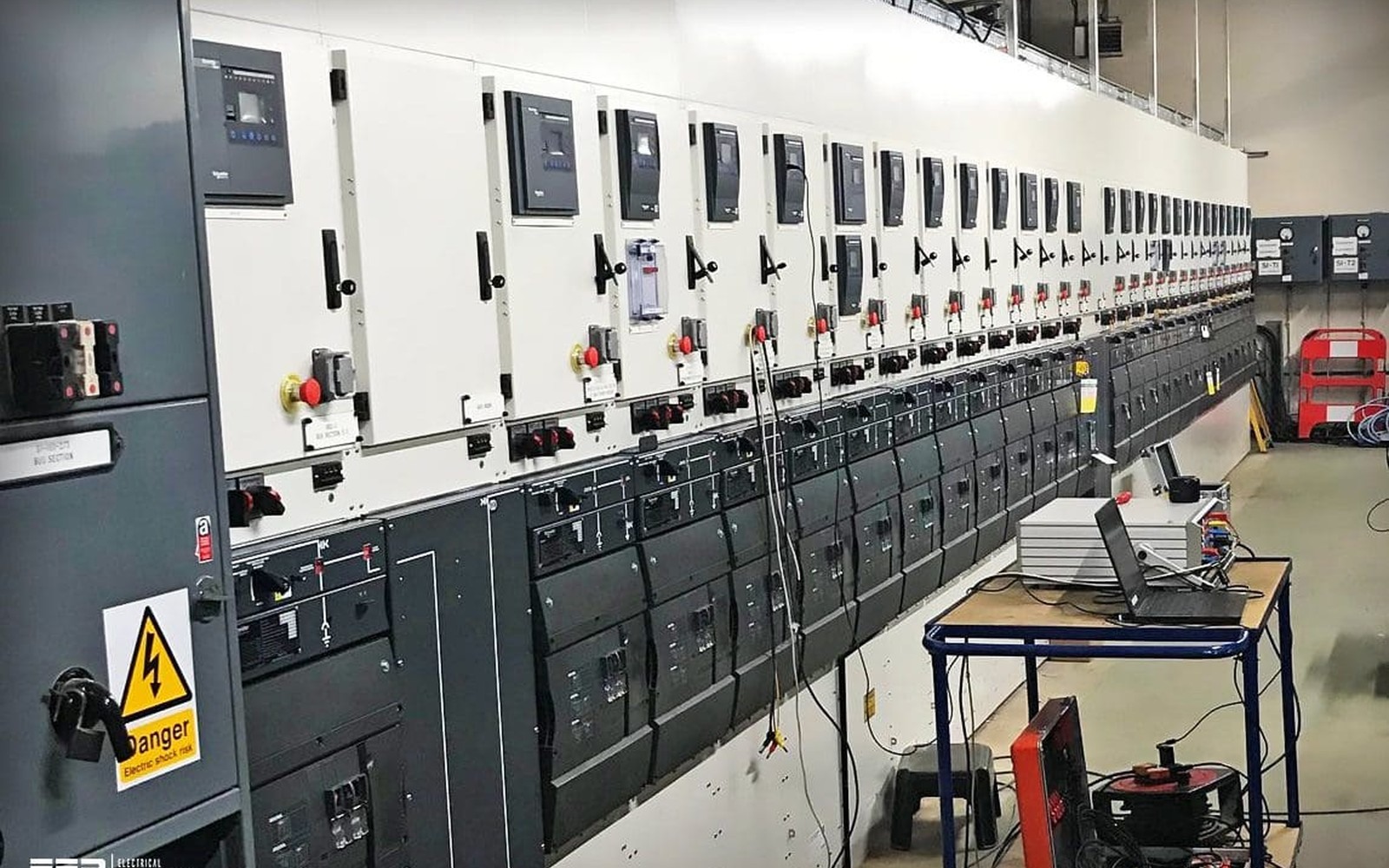
Medium-voltage campus distribution is a significant capital area for large university campuses. Many large research universities operate their own campus electrical distribution systems at 13.8 kV or 4.16 kV, feeding individual building unit substations. That distribution system may have been installed in the 1960s or 1970s, and the switchgear and metering sections protecting individual feeders are reaching the end of practical service life. A section-by-section replacement of a campus medium-voltage switchgear lineup can be a multi-million-dollar project spread over several years.
Building unit substations, including the transformer, primary switch, and secondary switchgear in a single integrated assembly, are the most common single-building electrical replacement project. A unit substation serving a dormitory, classroom building, or laboratory has a service life of 25 to 40 years, and replacements are predictable capital events. Financing these on a building-by-building basis over time keeps the deferred maintenance list from accumulating into a larger problem.
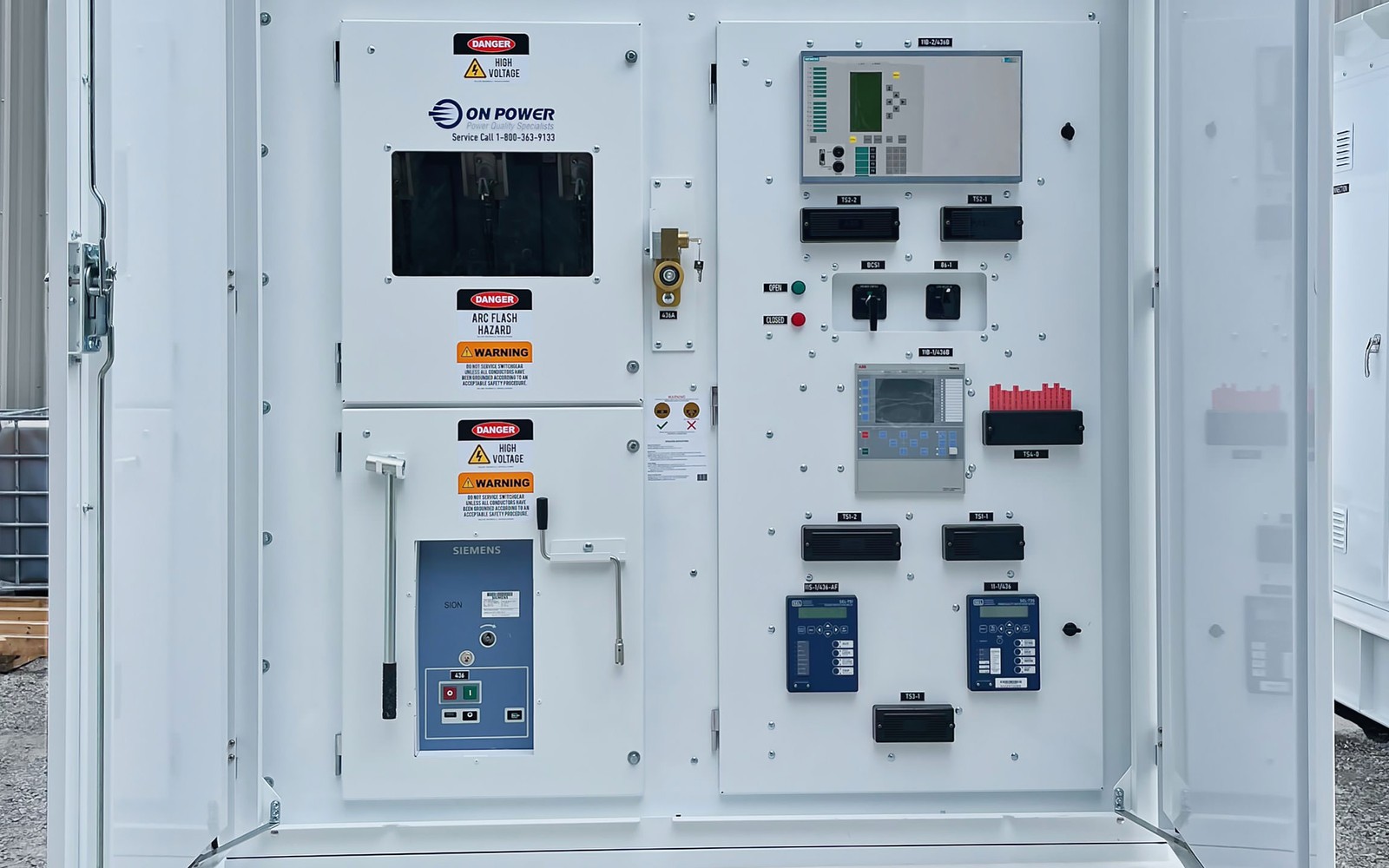
Protective relay upgrades to digital protection on aging electromechanical relays are another high-priority project on many campuses. Digital relays provide better fault recording, coordination flexibility, and remote monitoring. Those upgrade projects often happen in conjunction with switchgear replacement and qualify under the same financing program.
Electrical Infrastructure Age On University Campuses
Many large university campuses in the United States were built out heavily in the 1950s through the 1970s. The electrical distribution systems installed during that era, including the primary medium-voltage switchgear, unit substations, and building distribution panels, are now 50 to 70 years old. That age profile means deferred maintenance on electrical infrastructure is a systemic issue across higher education, not a problem unique to any individual campus.
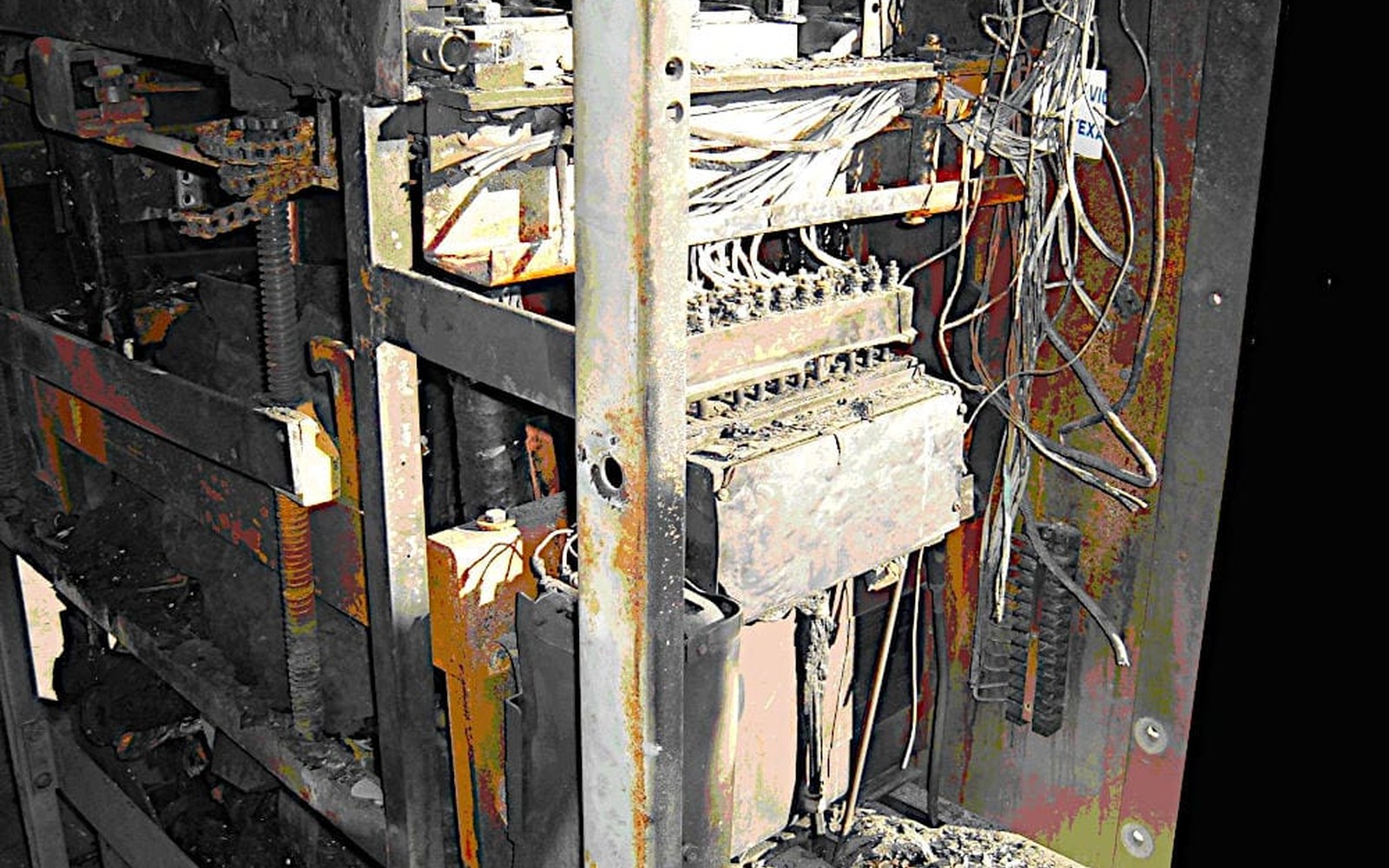
Facilities directors at institutions that have not had a major electrical failure may underestimate the urgency. Switchgear from the 1960s and 1970s can still function but often uses obsolete protection technology, lacks arc flash mitigation, and may no longer have available replacement parts. A failure in aging gear at a critical building, a laboratory, a data center, or a patient care facility on a medical campus, creates an emergency that is many times more expensive than a planned replacement would have been.
The combination of deferred maintenance urgency and constrained academic capital budgets is exactly what equipment financing addresses. Facilities teams can fund specific high-risk replacements on the facilities maintenance calendar, not the capital budget appropriation cycle. Markets like Boston, MA and Philadelphia, PA, with large concentrations of older university campuses, represent significant demand for campus electrical rehabilitation financing.
Underwriting For Academic Institutions
Public universities and community colleges are underwritten on institutional credit quality, operating budget, and the equipment as collateral. State-supported institutions typically have strong credit profiles. Independent nonprofit universities and colleges are evaluated on endowment size, operating revenue, and existing debt obligations.
Documentation for academic institution transactions typically includes a board or administration resolution authorizing the financing, the purchase order, and recent audited financials or operating budget summaries. For smaller transactions, the process is streamlined. For larger multi-million-dollar campus distribution projects, full underwriting with financial review is required.
Private equity-owned student housing and campus-adjacent commercial facilities that support university operations also qualify as standard commercial borrowers, outside the academic institution underwriting framework.
Price This Switchgear Financing Package
Send the quote, seller, lead time, deposit requirement, project location, and the electrical package scope. We will review the structure around the purchase schedule.
Review Switchgear TermsCommon Questions on Switchgear and Electrical Infrastructure Financing for Colleges and Universities
Straight answers before you send the equipment file.
Can a public university finance switchgear outside the state capital appropriations process?
Equipment financing may be within board authority without a legislative appropriation, depending on state statute and the institution's governing documents. General counsel and the finance office should confirm.
Can we finance campus medium-voltage switchgear one section at a time?
Yes. Phased replacement under a master facility with draws per section replacement is standard for large campus distribution projects.
Can a community college without a bond rating qualify?
Yes. Unrated institutions are evaluated on operating revenue, state support, and equipment collateral. A formal bond rating is not required.
Can research lab UPS systems and transfer switches be financed together?
Yes. Mixed equipment types serving the same project are covered under a single facility. Purchase orders from different vendors are fine.
What if installation in a historic building is complex and time-consuming?
Installation complexity does not affect financing eligibility. The loan is tied to the purchase order. Installation schedule is your contractor's responsibility.
Review The Switchgear and Electrical Infrastructure Financing for Colleges and Universities Package
Send the equipment quote, seller, lead time, deposit schedule, and project location. The finance desk will review the package against the actual procurement calendar.