


Service Areas
Switchgear Financing in Boston, MA
The Kendall Square and Seaport biotech clusters have made Boston one of the most capital-intensive construction markets in the United States. Life science lab buildings, GMP pharmaceutical facilities, and the hospital expansion programs at Mass General Brigham and BIDMC run on compressed schedules, and the electrical scope of a modern lab building or hospital addition here is larger than comparable projects in most other cities. The gear lead time is the variable most likely to cause a schedule miss when financing is not in place early. We lock in the financing before the design is complete so the gear order goes in the day the specification is released.
We finance medium-voltage switchgear, dry-type transformers, motor control centers, UPS systems, and complete distribution assemblies for life science, healthcare, data center, and institutional projects throughout Greater Boston. Minimum $50,000, application-only to roughly $400,000. Approvals in one to two business days.
Boston's Electrical Infrastructure Context
Kendall Square in Cambridge is one of the densest concentrations of biotech and pharmaceutical R&D in the world. Lab buildings here are designed for flexibility and power density that exceeds standard commercial space by a significant margin. A modern wet lab or cell therapy facility requires redundant power with automatic transfer switches, UPS protection for critical equipment, and medium-voltage service entrance gear that is sized for the facility's full future load profile, not just the day-one load. Gear packages on a Kendall Square lab build-out run $400,000 to $1,500,000 depending on the scale and redundancy level.
The Seaport Innovation District has generated a second wave of technology and life science construction that mirrors the Cambridge market but in a different physical environment. Seaport buildings are taller and more mixed-use, requiring electrical infrastructure that serves both commercial and lab tenants in the same stack. The distribution architecture for a mixed Seaport building is complex, and the gear package reflects that complexity.
Mass General Brigham, BIDMC, and Dana-Farber run continuous capital programs that include electrical distribution upgrades, emergency power system expansions, and critical care facility renovations. Healthcare facilities in Boston operate under Massachusetts DPH requirements that go beyond standard federal minimums for healthcare electrical infrastructure. The gear specifications are demanding, the lead times are long, and the schedules are fixed by clinical program needs that cannot be moved.
Who Finances Gear In Boston
Electrical contractors working life science and healthcare accounts in Boston carry some of the largest gear exposures in any regional market. A contractor doing a $3,000,000 lab electrical package needs financing for the gear portion to keep the bank line available for subcontractors, payroll, and other materials. Financing the gear at order placement covers the exposure from the day the PO goes in through the final owner payment, which can be many months on a large lab project.
Life science developers and REITs building speculative lab space in Kendall Square and the Seaport use direct equipment financing to keep gear purchases separate from the construction loan facility. This is particularly useful for projects where the tenant is not yet signed but the shell-and-core electrical needs to be built to a defined standard. The gear financing runs as a fixed obligation while the tenanting process proceeds.
Academic institutions, including MIT, Harvard, and Boston University, finance equipment for research facility upgrades when the project is too large for the annual operating budget and too small for a bond issuance. A research building electrical upgrade typically $200k to $600k all-in is exactly the category where equipment financing fills the gap between capital programs.
Terms And Structures For Boston Projects
Terms from twenty-four to eighty-four months. Life science and healthcare projects often prefer longer amortization to match the long useful life of the installed infrastructure. A sixty-month term on a $500,000 distribution package produces a monthly payment that typically compares favorably to the owner's cost of capital for a comparable asset financed through a construction draw.
Structures include fixed-rate equipment loans, operating leases for off-balance-sheet preference, and progress financing for manufacturer payment milestones. The bonus depreciation treatment available on financed equipment placed in service within the tax year is meaningful at the scale of a Boston lab project. We present both loan and lease options with the tax implications clearly explained before you commit to a structure.
Structures That Fit The Boston Market
For life science developers building speculative lab shell-and-core in Kendall Square, a progress and deposit financing structure committed at the start of the design development phase protects the gear order window across a long construction timeline. The approval is issued against a preliminary specification and the final disbursement confirms against the vendor invoice. The tenant does not need to be signed for the financing to be committed; the developer entity is the borrower.
For contractors who have already placed a gear order on a bank line and want to move the exposure to dedicated equipment financing, refinancing at shipment is available. The commitment letter issues before shipment, disbursement confirms at delivery, and the bank line gets freed up at the same time. This is a common structure for Boston-area contractors who started a large gear order on their own working capital and want to recover that capacity before the next project reaches the bid stage.
For established healthcare and institutional clients with significant installed electrical infrastructure, a Sale-Leaseback Financing converts paid-off gear into working capital. A hospital system that has $800,000 of installed transformer and switchgear infrastructure that has been fully depreciated can access meaningful capital through a leaseback without a real estate transaction or a construction loan. The gear stays in service, the monthly payment is fixed and predictable, and the capital goes to the next phase of the capital program. This structure is particularly useful for academic medical centers at the end of a multi-phase construction program where the early phases have fully paid-off electrical infrastructure and the later phases need capital. Healthcare systems in the Boston metro that have done leasebacks on electrical infrastructure consistently find that the process is faster and less document-intensive than a traditional bank loan against real property, and the rate is competitive with the cost of the other capital sources available to them.

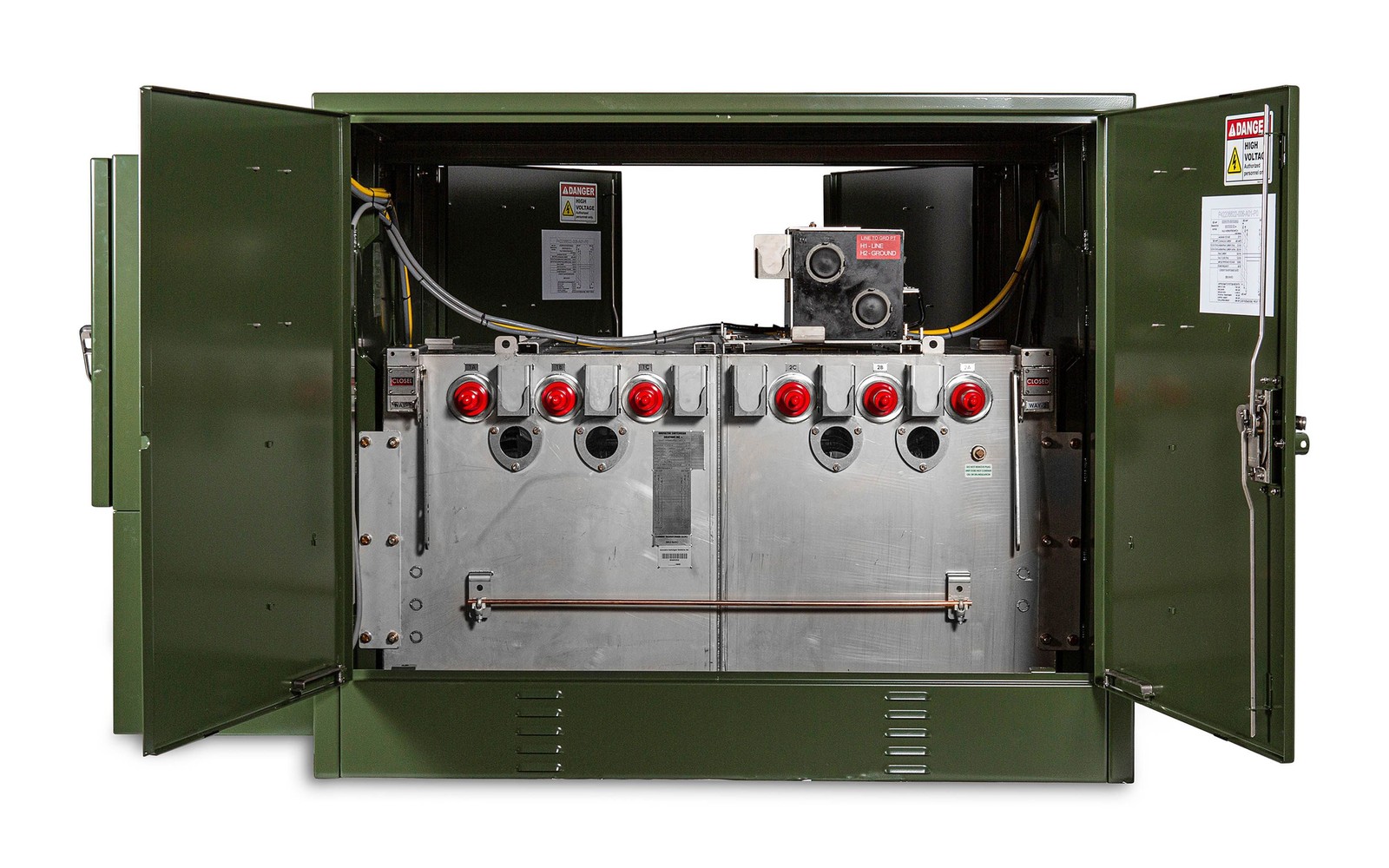
Price This Switchgear Financing Package
Send the quote, seller, lead time, deposit requirement, project location, and the electrical package scope. We will review the structure around the purchase schedule.
Review Switchgear TermsCommon Questions on Switchgear Financing in Boston, MA
Straight answers before you send the equipment file.
We are an electrical contractor on a Kendall Square lab project and the gear package is $800,000. What does the process look like at that level?
Above roughly $400,000, we ask for a recent financial statement or two years of tax returns in addition to bank statements. For a clean file at $800,000, review is typically three to five business days. We issue an approval letter you can use to confirm the purchase order with the manufacturer the same week.
We are a life science REIT financing speculative lab shell-and-core electrical infrastructure. The tenant is not yet signed. Does that create a problem?
Speculative lab shell-and-core financing is underwritten against the developer entity, not the tenant. The creditworthiness of the tenant is not required. The developer's track record, cash flow, and the market context for speculative lab in Boston are the factors we evaluate.
The project requires a medium-voltage switchgear assembly with a custom bus configuration. Lead times are eighteen to twenty weeks. Can we finance before the design is final?
Yes. A conditional approval or term sheet can be issued against the preliminary specification. The final disbursement amount is confirmed from the vendor invoice. Approving early against a preliminary spec is the right approach when lead times are eighteen-plus weeks and the design is still being finalized.
We are at MIT and need to finance a research facility distribution upgrade. Is there a structure for institutional borrowers?
Universities and nonprofit institutions qualify for equipment financing. The qualification is based on the institution's operating financials and its ability to support the monthly payment. We work with procurement offices that have multi-step approval processes and can accommodate the institutional timeline.
Can we include commissioning and startup costs in the financed amount?
Commissioning and startup costs from the equipment vendor can be included when they appear on the vendor invoice alongside the equipment cost. Third-party commissioning from a separate engineering firm is typically not eligible, but manufacturer factory startup and field commissioning on the same invoice can be included.
Review The Switchgear Financing in Boston, MA Package
Send the equipment quote, seller, lead time, deposit schedule, and project location. The finance desk will review the package against the actual procurement calendar.