
Switchgear Equipment
Uninterruptible Power Supply (UPS) System Financing
Three-phase UPS systems protect critical loads from power interruptions, and a system that is not yet installed protects nothing. The selection process, the vendor lead time, and the battery delivery all have to land before commissioning day. Financing that confirms quickly is the mechanism that keeps all of those timelines from compressing against each other.
Large three-phase UPS systems range from 10 kVA to 2000 kVA or more per module, and they appear in data centers, hospitals, industrial control rooms, and any facility where a power interruption is unacceptable. The total installed cost, including the UPS modules, bypass panel, and battery strings, regularly runs from $100,000 to $1.5 million for a complete critical-power UPS installation. Data center buyers purchasing modular UPS frames with multiple plug-in modules often build up incrementally, starting with a partial build and adding capacity as IT load grows. We finance both full initial builds and capacity expansion additions, with a minimum deal size of $50,000 and application-only processing to $400,000.
The UPS is one piece of a critical-power chain that also includes static transfer switches, power distribution units, and automatic transfer switches. We finance the full chain as a package where that simplifies the buyer's procurement and financing.
UPS Topologies And What They Mean For Financing
Double-conversion online UPS systems are the standard for critical data center and industrial applications. In a double-conversion design, the load is always powered through the inverter, with zero transfer time to battery on a utility failure. This topology is specified in Tier III and Tier IV data centers and wherever zero transfer time is non-negotiable. The cost premium over line-interactive designs is substantial but justified for genuinely critical loads.
Line-interactive and standby UPS systems are appropriate for less critical applications, such as single server cabinets, edge computing installations, and small office or laboratory environments. Per-unit costs are lower, but total project costs for a large deployment still commonly exceed our financing minimum.
Modular UPS architecture, increasingly common in large deployments, uses a shared frame with plug-in modules, each typically 25 to 100 kW. This allows incremental capacity addition and eliminates single points of failure in the power conversion path. Financing a modular frame with an initial module complement and a pre-approved expansion capacity is a structure we can build into the deal from the start.
Battery technology is a significant factor in total system cost. Lead-acid VRLA batteries are the traditional choice, while lithium-ion batteries are increasingly specified for the longer service life, smaller footprint, and reduced maintenance. Lithium battery systems cost more upfront but reduce the replacement cycle from every four to six years to potentially eight to twelve years, which changes the total cost of ownership calculation significantly. We finance both battery technologies as part of the UPS system package.
Primary Buyers And Their Scenarios
Data center operators are the largest volume buyers of large three-phase UPS systems by deal count and by dollar value. A co-location facility adding a new hall, a hyperscale operator expanding a campus, or an enterprise deploying a private cloud facility all require UPS capacity scaled to their IT load. The commissioning date is non-negotiable, and the UPS procurement timeline is on the critical path.
Hospitals and healthcare facilities finance UPS systems to protect life-safety loads and electronic medical records systems. Healthcare UPS installations must comply with NFPA 99 and NEC Article 517 requirements for critical branch and equipment branch power, which drives specific bypass and monitoring requirements that add to system cost.
Industrial control room UPS systems protect programmable controllers, SCADA systems, and distributed control systems in manufacturing and process industries. An oil and gas facility or a chemical plant that loses control system power during an upset event faces a safety risk that justifies significant UPS investment. These buyers often finance the UPS as part of a broader control system upgrade that includes new panels, drives, and instrumentation.
New And Refurbished UPS Systems
New UPS systems from manufacturers like Vertiv, Eaton, ABB, and Schneider Electric ship with current technology, full warranty, and fresh batteries. For data center and hospital applications where warranty coverage and service contracts are operationally critical, new is usually the right choice despite the higher cost.
Refurbished UPS systems are a cost-effective option for less critical applications, for backup data rooms, and for edge locations where the load is important but not life-safety. Reputable UPS rebuilders replace the batteries, recalibrate the electronics, and test the system before delivery. Refurbished three-phase UPS systems from established rebuilders are financed under our used equipment financing program with the refurbishment report and test documentation as supporting collateral documentation.
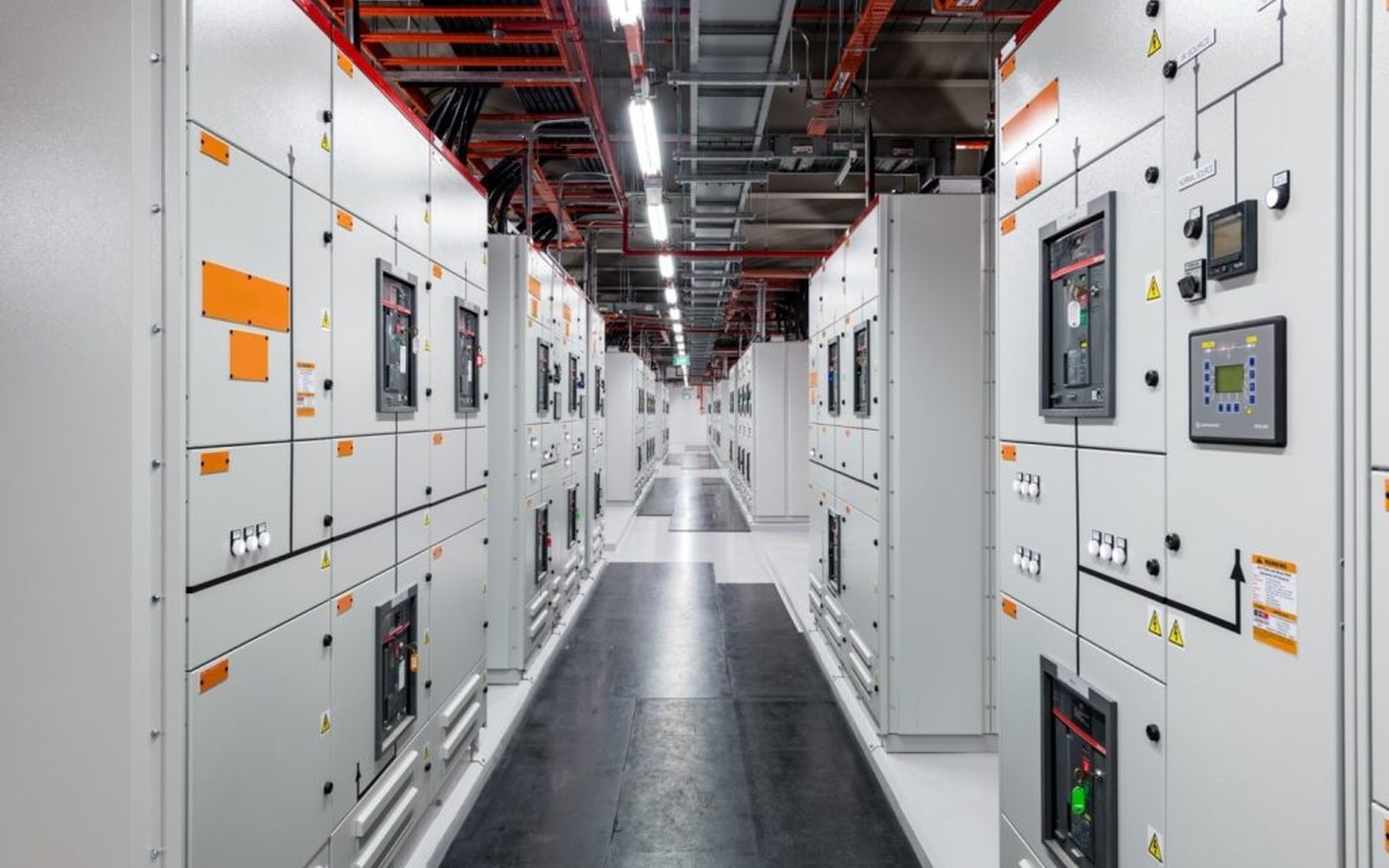
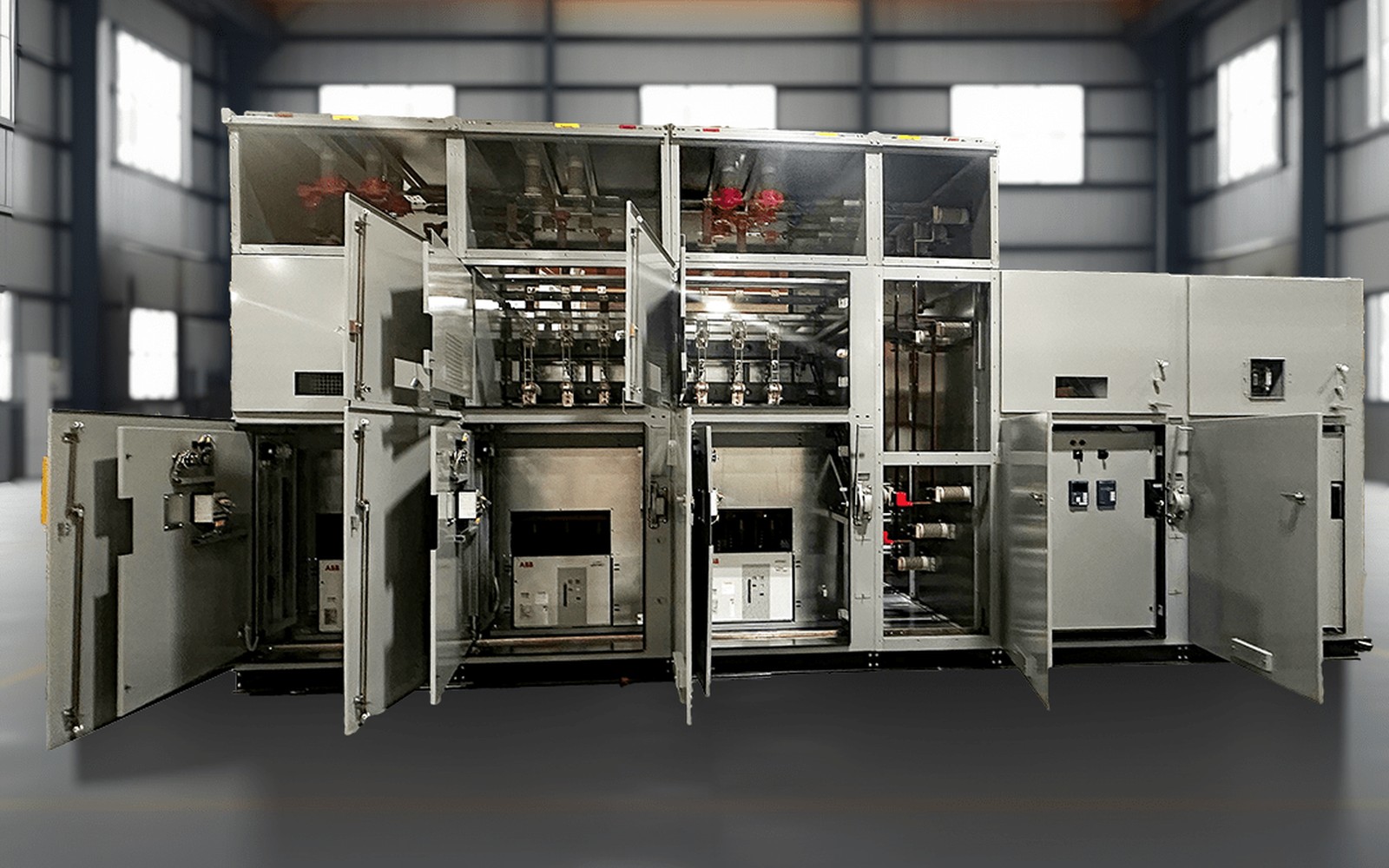
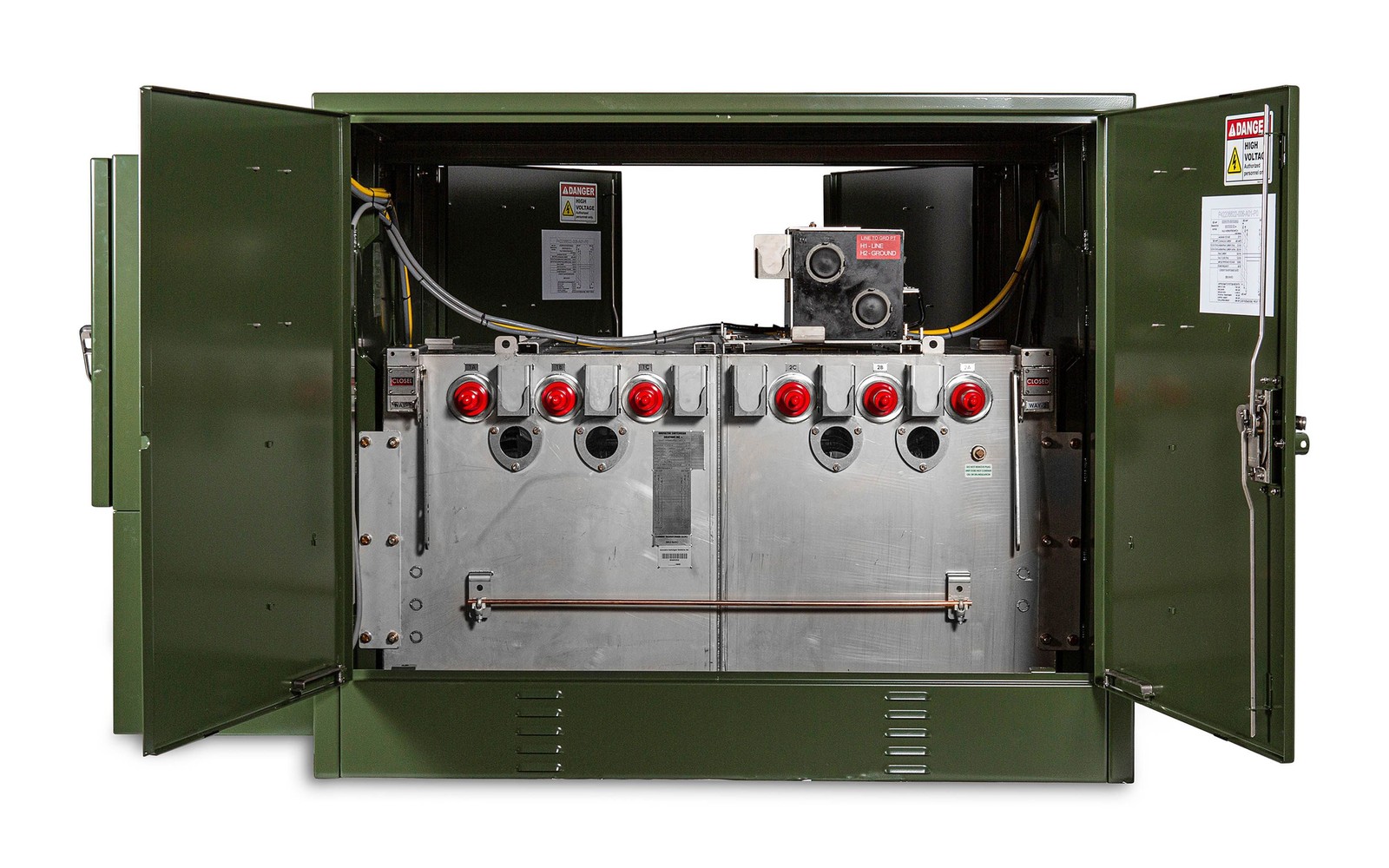
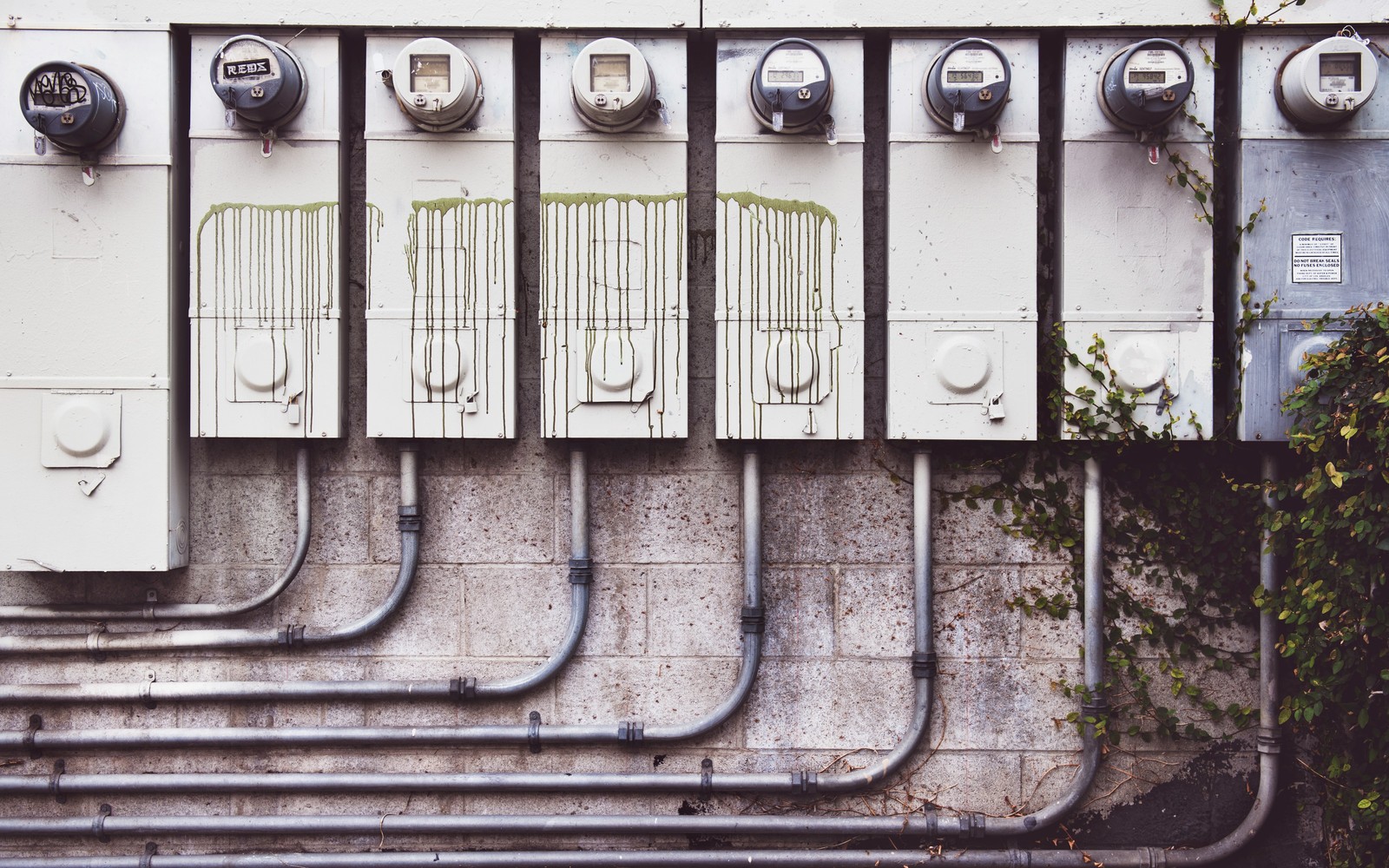
Price This Switchgear Financing Package
Send the quote, seller, lead time, deposit requirement, project location, and the electrical package scope. We will review the structure around the purchase schedule.
Review Switchgear TermsCommon Questions on Uninterruptible Power Supply (UPS) System Financing
Straight answers before you send the equipment file.
Can I finance a modular UPS frame now and add modules later under the same financing structure?
We can structure an initial deal for the frame and first modules and a pre-approved add-on credit for future modules. The expansion financing is not guaranteed in advance but can be pre-approved based on your current credit profile.
Does the battery string get financed along with the UPS electronics, or separately?
The batteries are part of the system and are financed together with the UPS as a single package. Battery-only replacements in a future period would be a separate deal at that time.
I am upgrading from lead-acid to lithium-ion batteries in an existing UPS system. Can I finance the battery swap?
A battery technology upgrade that involves significant capital outlay can qualify for financing, provided the total project cost meets the minimum. The UPS frame and battery compatibility documentation support the underwriting.
My hospital needs a UPS system that meets NFPA 99 requirements for the essential electrical system. Does the regulatory requirement affect the financing?
The regulatory requirement affects the specification and the design, not the financing. A NFPA 99-compliant UPS package is financed the same way as any other UPS system.
Can I use a sale-leaseback on an existing UPS system that we own outright?
Yes. A UPS system in active service with documentation of the purchase, installation, and current operating status can be evaluated for a sale-leaseback. Fair market value is based on the system's age, manufacturer, condition, and remaining battery life.
Review The Uninterruptible Power Supply (UPS) System Financing Package
Send the equipment quote, seller, lead time, deposit schedule, and project location. The finance desk will review the package against the actual procurement calendar.