
Switchgear Equipment
Static Transfer Switch (STS) Financing
A static transfer switch transfers a critical load from one source to another in less than four milliseconds, without any mechanical motion and without any detectable interruption to sensitive equipment. That transfer time is the reason data centers specify STS units between dual power feeds and critical IT loads. But the STS only does its job if it was purchased, delivered, and installed before the load went live. Lead times on industrial STS equipment are real, and they need to be accounted for before the commissioning schedule is set.
Static transfer switches are solid-state devices using thyristors (SCRs) to switch between two independent AC sources without disconnecting the load. They appear in data centers, hospital operating suites, broadcast facilities, financial trading floors, and any application where even a fraction-of-a-cycle interruption is unacceptable. Ratings typically run from 30A to 1600A at 208V or 480V, with three-phase configurations in the larger sizes. Per-unit costs for industrial three-phase STS equipment range from $15,000 for smaller units to $150,000 or more for high-current, high-feature units. Projects requiring multiple STS units for distributed dual-feed architecture can total $200,000 to $500,000. We start at $50,000 and offer application-only processing to $400,000.
How STS Technology Works And What To Specify
The core of an STS is two sets of anti-parallel thyristors, one set per source, that can be gated on and off electronically. The control logic monitors both sources continuously and commands a transfer when it detects a voltage sag, an outage, or a frequency deviation on the preferred source. Because the thyristors have no moving parts and switch in under four milliseconds, the transfer is typically within the ride-through capability of modern IT power supplies and drives.
Critical specification parameters include the current rating, the voltage class, the transfer time, and whether the unit includes an input filter to prevent source interaction. For high-current applications, the interrupting rating and the maintenance bypass provisions are also critical. A bypass switch allows the STS to be serviced without dropping the load, which is a requirement in Tier III and Tier IV data centers where no planned maintenance may interrupt the load.
STS units frequently work in conjunction with UPS systems and automatic transfer switches in the critical power chain. The STS handles millisecond-level transfer between the two UPS outputs (or between a UPS and a generator-backed source), while the ATS manages longer-duration source switching. Understanding where the STS fits in the one-line diagram is important for sizing and specifying correctly.
Who Buys Static Transfer Switches
Data center operators are the primary market. In a standard data center dual-feed architecture, each row of cabinets has two power paths, and an STS at the row or cabinet level ensures that any single-source failure transfers the load seamlessly. Co-location providers building new data halls, enterprise IT teams refreshing critical power infrastructure, and hyperscale operators expanding campus capacity all purchase STS units as a standard component of the power design.
Hospitals and surgical centers use STS units to protect anesthesia machines, monitoring equipment, and surgical lasers from power disruptions during procedures. NFPA 99 governs the critical and life-safety branch requirements, and STS units can be specified as part of the compliance architecture in consultation with the electrical engineer of record.
Financial services firms, broadcast facilities, and government operations centers also specify STS units wherever a power interruption has direct operational consequences. These buyers are often the most willing to accept higher unit costs in exchange for longer service warranties and manufacturer service contracts, which are financeable as part of the total package in some program structures.
Application Process And Timeline
For STS packages under $400,000, the application-only process requires the vendor quote, basic business information, and a brief project description. No financial statements, no tax returns. A credit decision typically comes back within a few business days, and funding closes in about two weeks from approval.
For larger packages requiring full documentation, three months of bank statements and basic financial records are the starting point. The project context, including the data center or hospital facility it serves, is relevant supporting information that underwriters use to contextualize the deal.
Buyers choosing between purchasing the STS outright and financing it often benefit from seeing the comparison laid out explicitly. An STS with a ten-year service life financed over 60 months costs a predictable monthly amount with known total interest expense. Set against the cost of a single critical load failure or the insurance premium reduction that redundant transfer provides, the math usually strongly favors installing the equipment and financing it. Our lease vs. loan page walks through the structural options in detail.
Related Equipment We Also Finance
The STS is one component in the critical power chain. We routinely finance the full chain as a package, which simplifies procurement and often results in better overall terms than separate deals for each component.
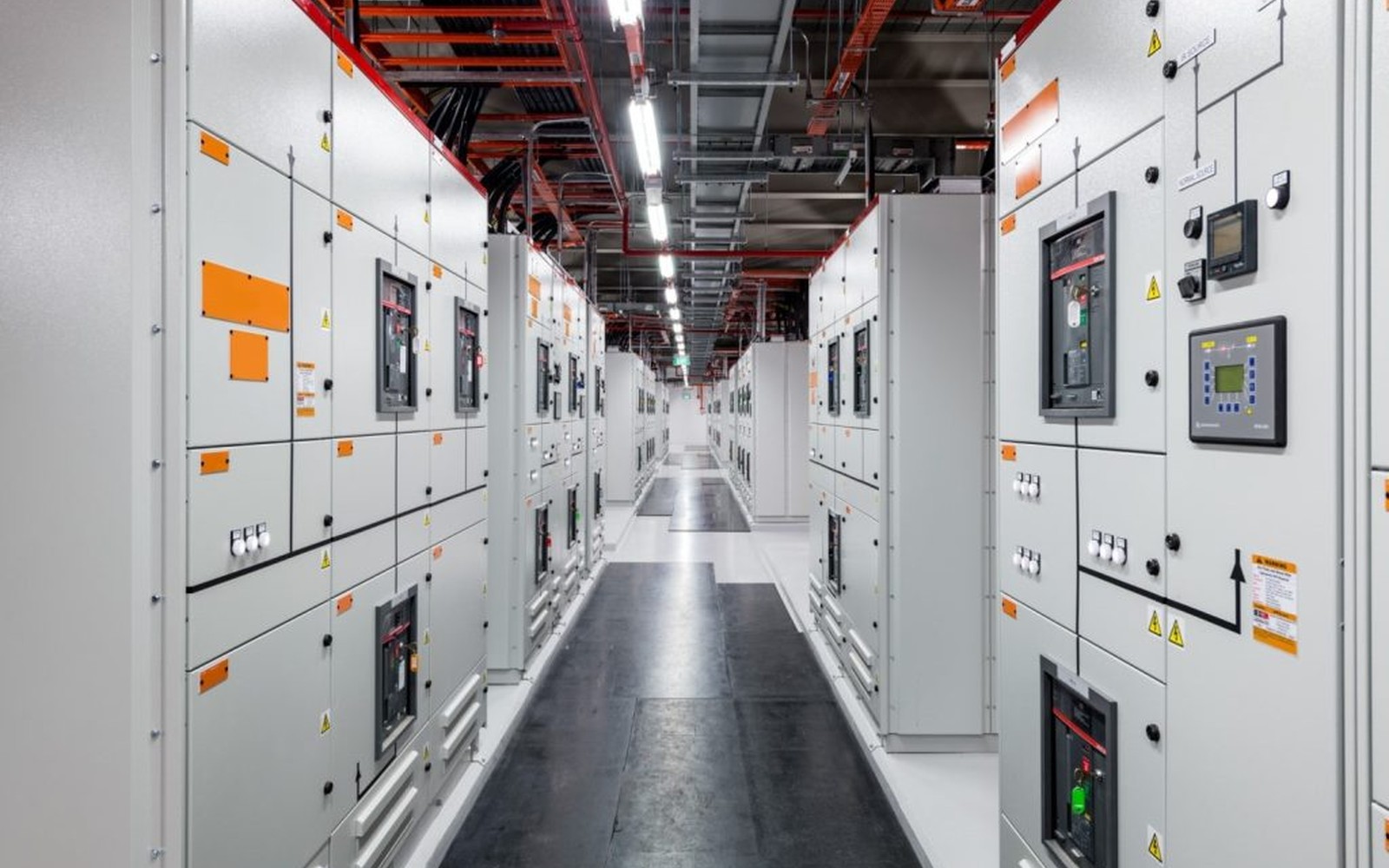
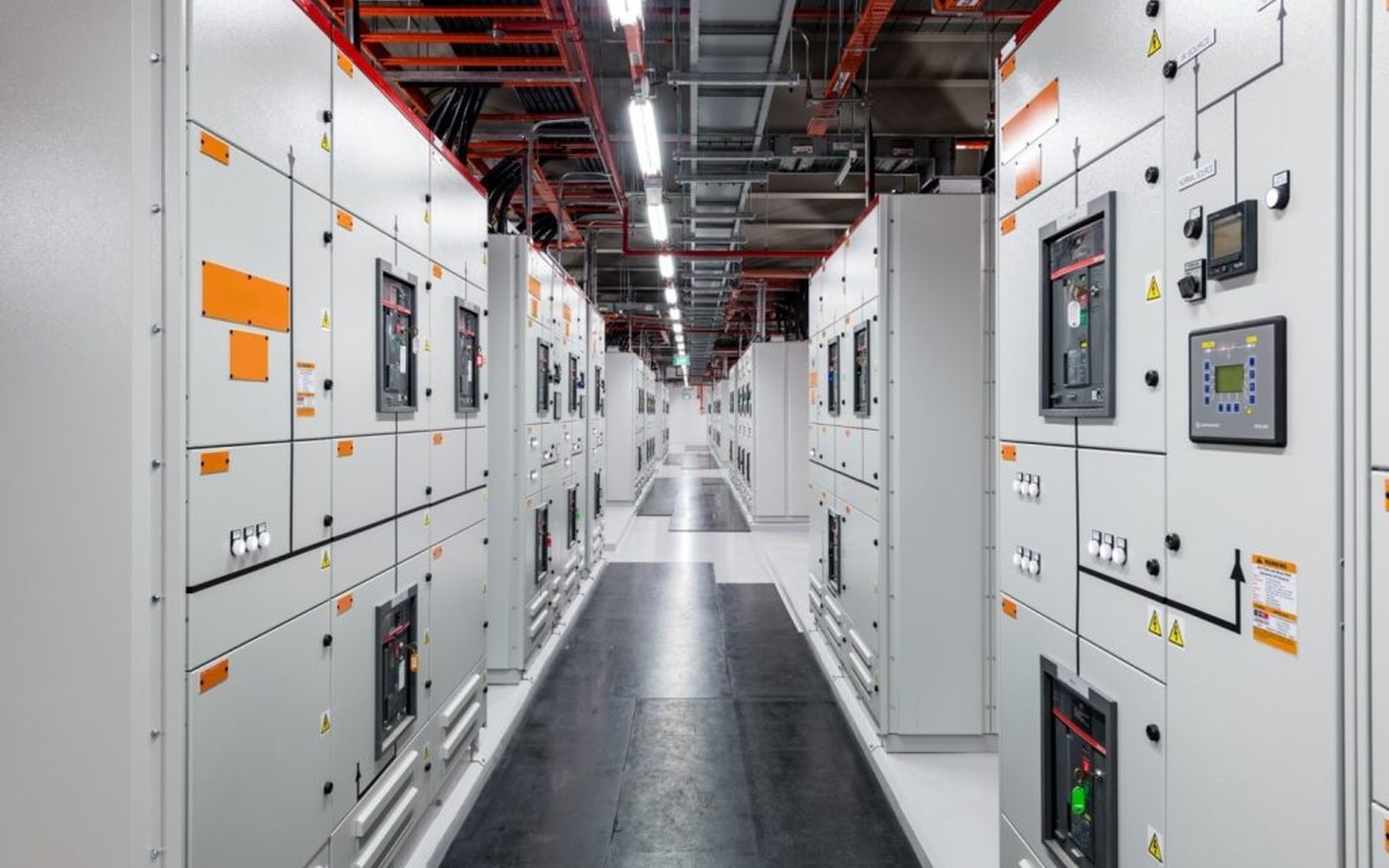
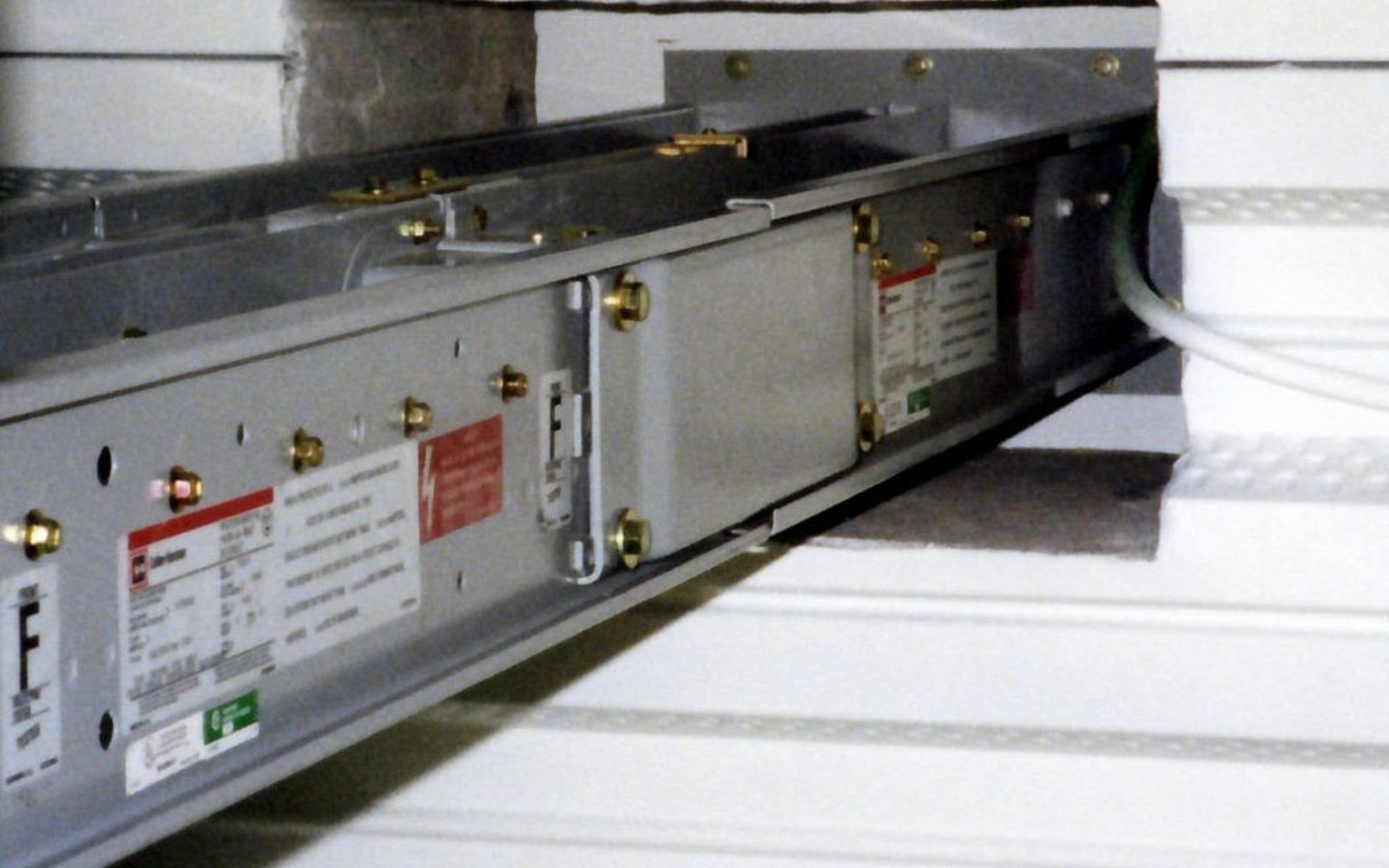
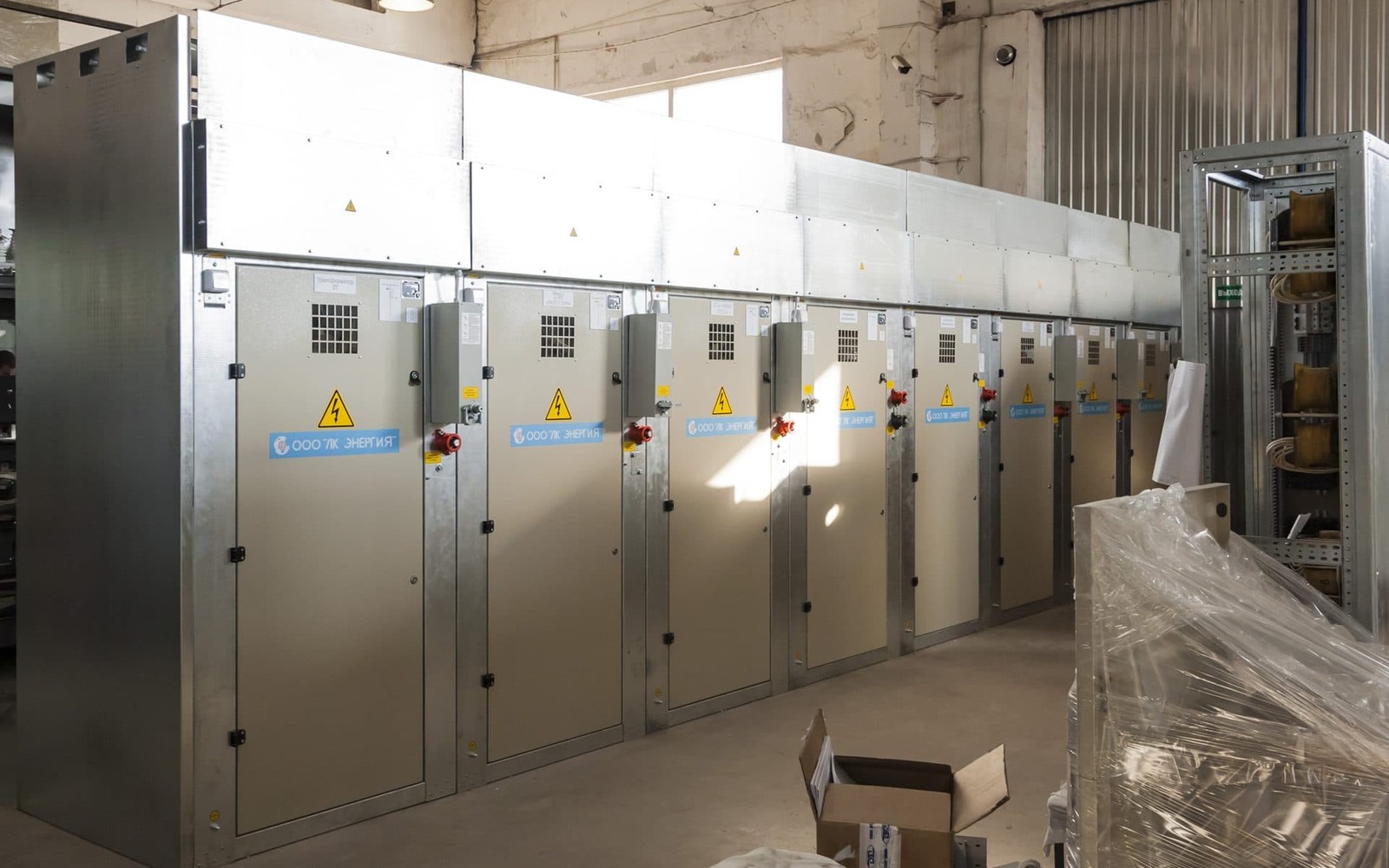
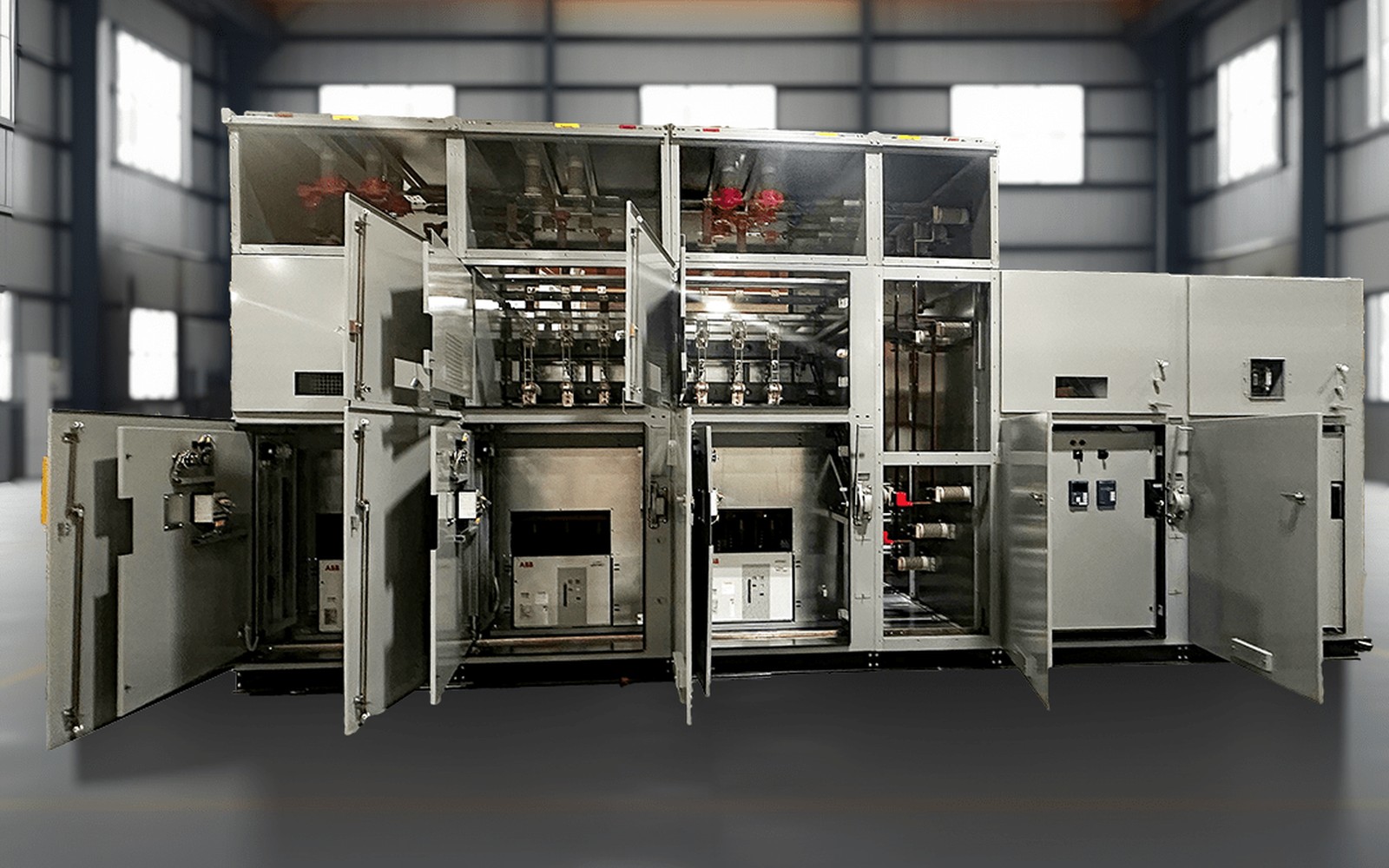
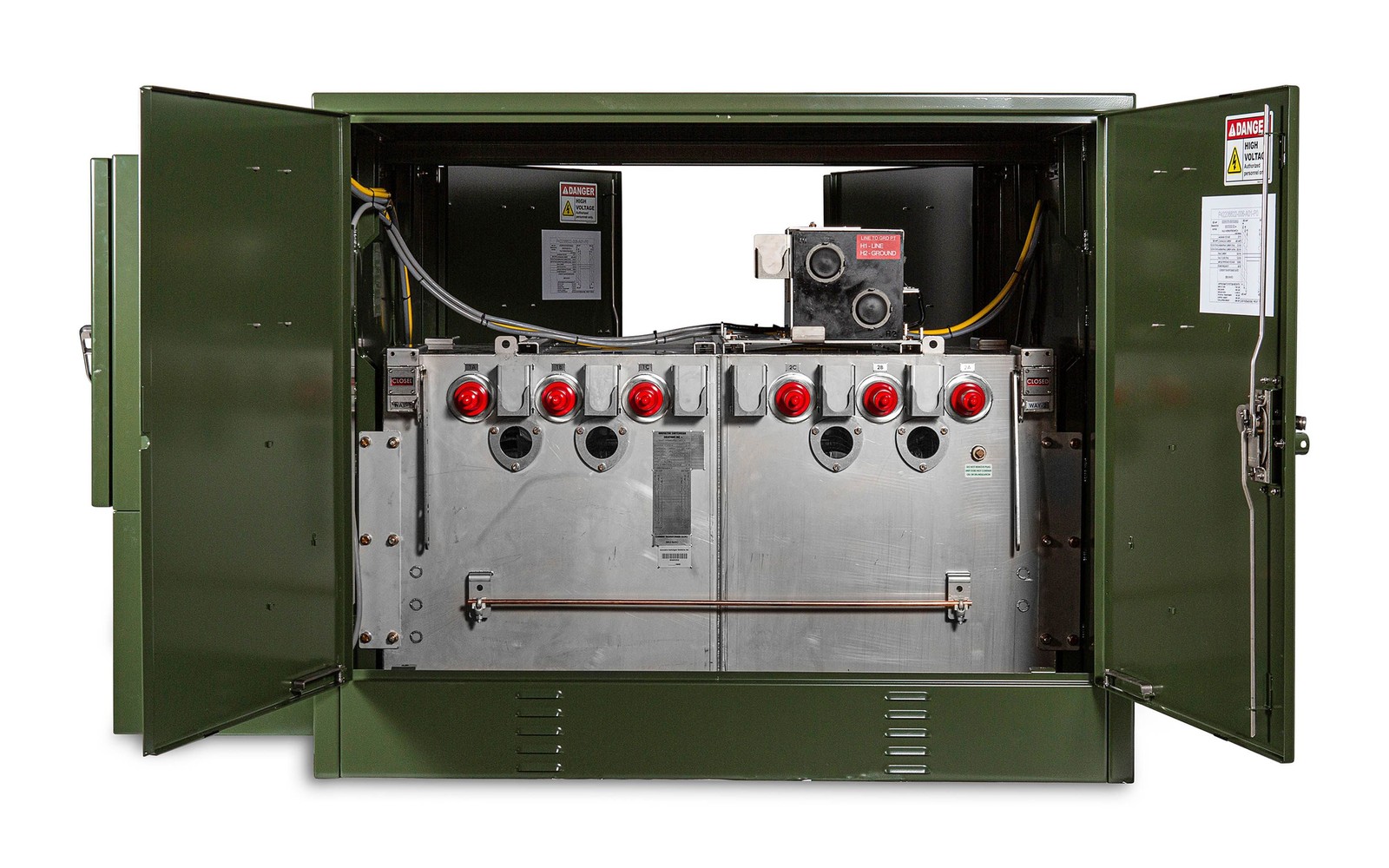
The adjacent components most often financed alongside an STS purchase include UPS modules and battery strings, power distribution units at the row level, switchgear enclosures housing the critical distribution gear, and in some architectures, the upstream automatic transfer switches that manage generator-to-utility source selection. Packaging all of these into one financing request reduces paperwork and consolidates the payment into one monthly obligation.
Price This Switchgear Financing Package
Send the quote, seller, lead time, deposit requirement, project location, and the electrical package scope. We will review the structure around the purchase schedule.
Review Switchgear TermsCommon Questions on Static Transfer Switch (STS) Financing
Straight answers before you send the equipment file.
Can I finance an STS together with the UPS system it protects as a single package?
Yes. Packaging the STS, UPS, batteries, and PDUs as a single deal is the most common approach for critical power projects. One application, one set of documentation, one funding event.
What is the minimum STS current rating you finance as a standalone item?
We do not set a minimum current rating. The minimum is a $50,000 deal size. For many industrial three-phase STS units, a single unit exceeds that threshold. Smaller single-phase units typically would not meet the minimum unless purchased in quantity.
Do you finance static transfer switches for hospital operating room installations?
Yes. Healthcare applications are a regular part of our business. The NFPA 99 context is relevant to the spec but does not affect financing eligibility.
The STS vendor requires a 30% deposit before starting manufacturing. Can financing cover the deposit?
Yes. Progress and deposit financing advances the deposit as part of the total financed amount. You do not need to come out of pocket for the deposit and then finance the balance separately.
I operate a co-location data center and need 20 STS units for a new pod. Can all 20 be on one application?
Yes. Large-quantity procurements are financed as a single deal based on the total purchase price. You do not need a separate application for each unit.
Review The Static Transfer Switch (STS) Financing Package
Send the equipment quote, seller, lead time, deposit schedule, and project location. The finance desk will review the package against the actual procurement calendar.