
Financing Programs
Equipment Lease vs. Loan for Switchgear
The gear spec is settled. The vendor quote is in hand. Now the question is how to pay for it. A loan puts the equipment on your balance sheet and title in your name from day one. A lease keeps it off the balance sheet and gives you an exit option at the end. Neither is universally right. The answer depends on your project structure, tax position, and how long you actually plan to use the equipment.
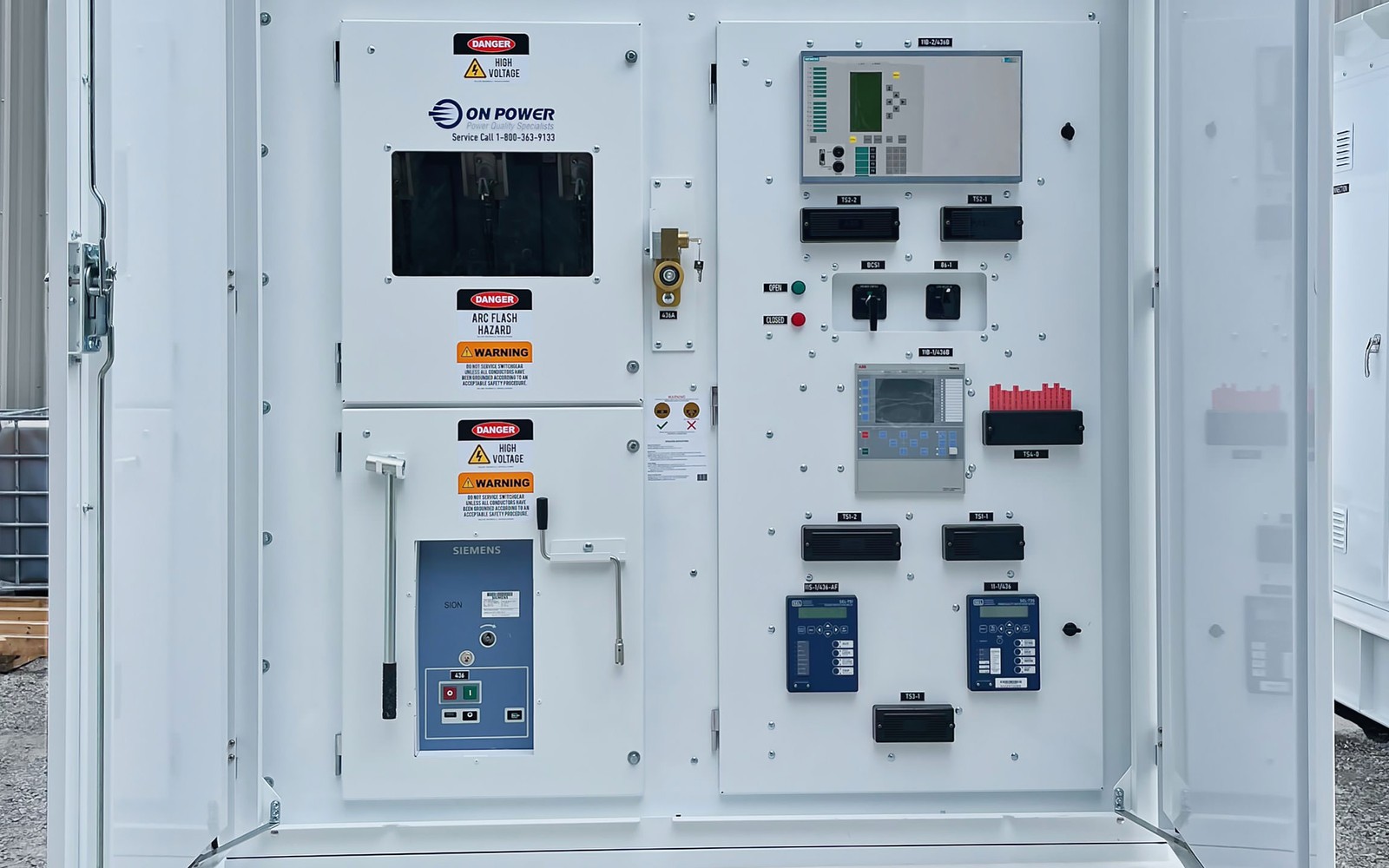
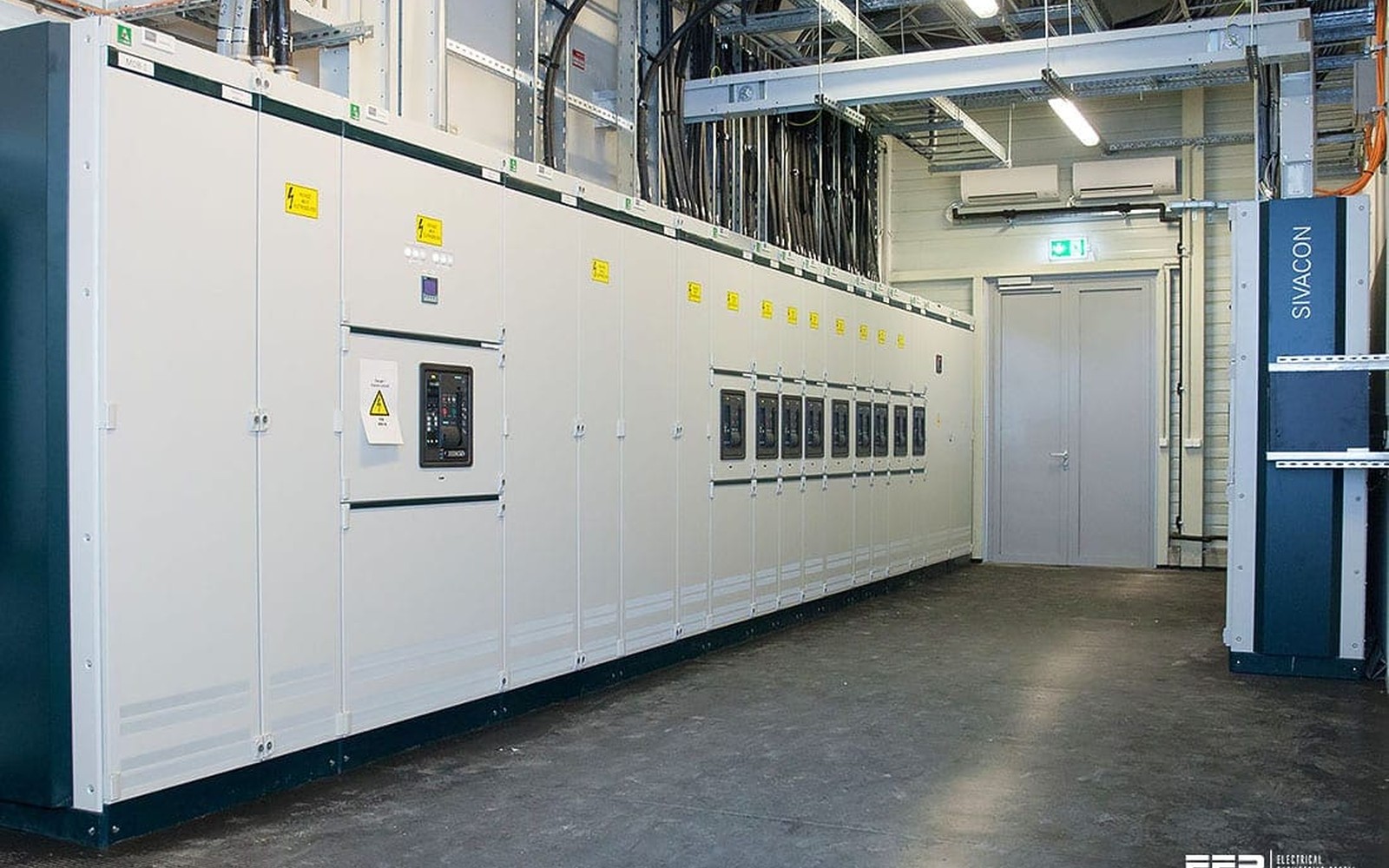
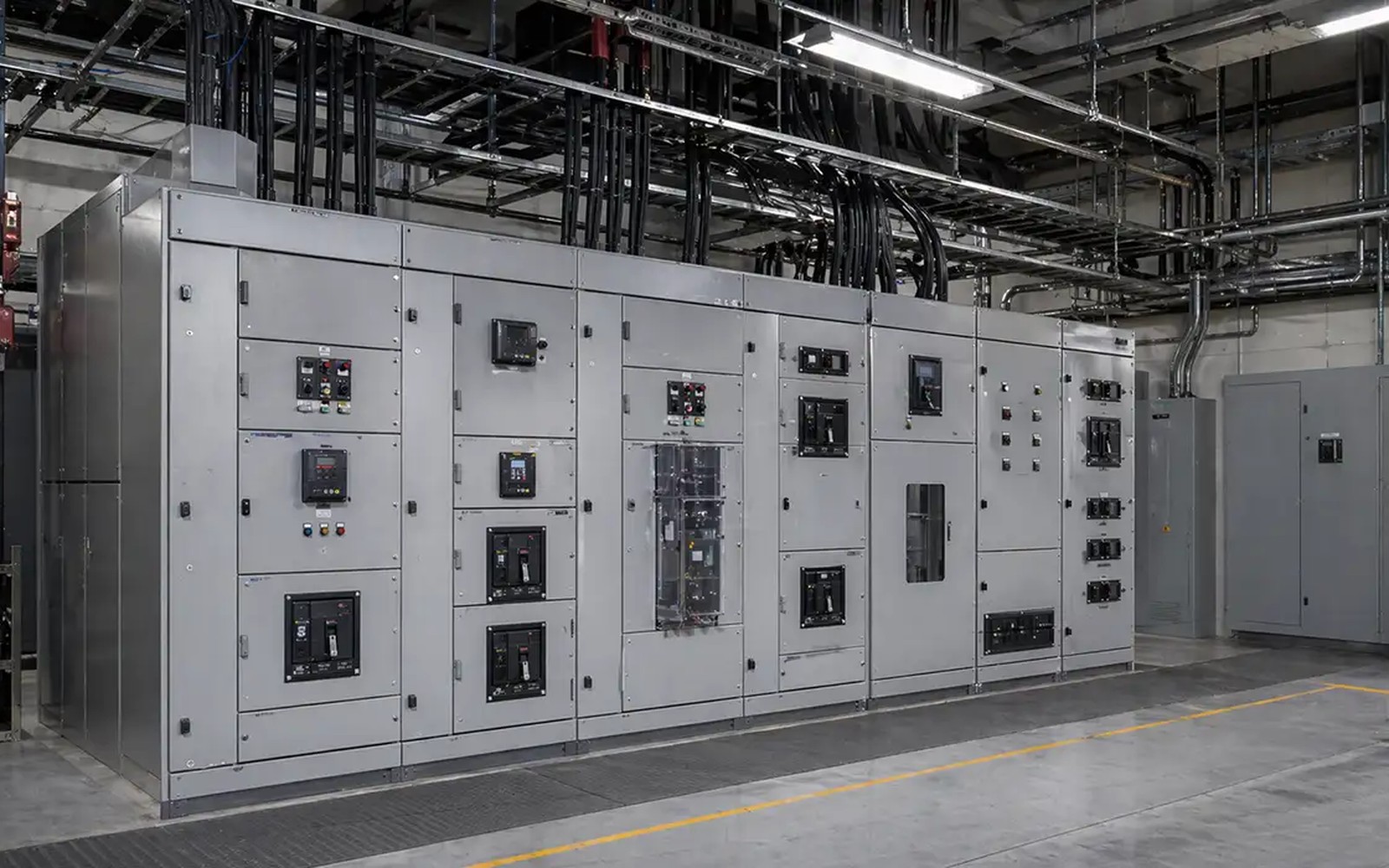
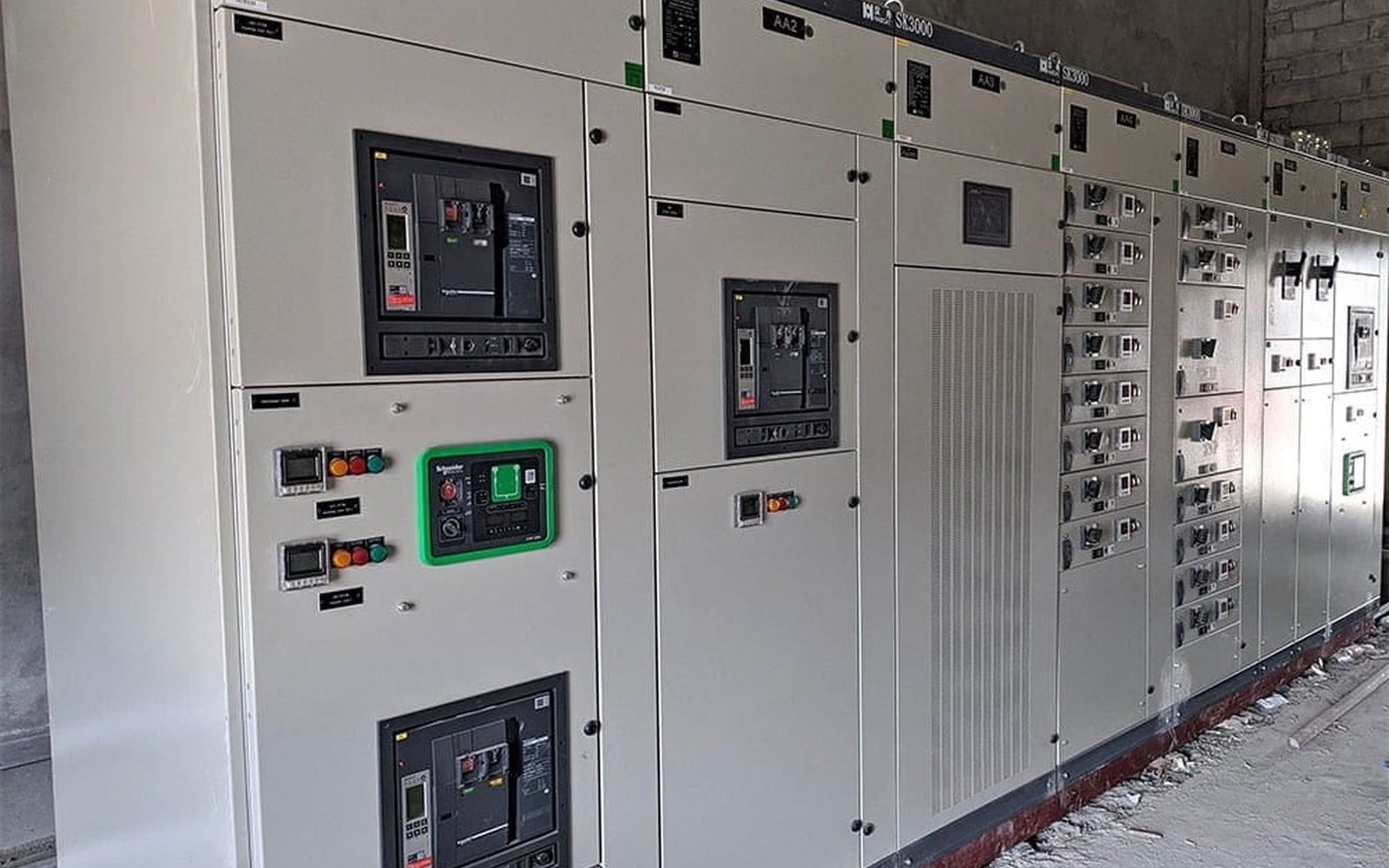
This page lays out the practical differences for buyers of low-voltage switchgear, unit substations, motor control centers, and similar power distribution gear. The amounts involved, typically $100k to several million dollars, make the structure decision more consequential than it would be on smaller assets.
The Core Difference In One Line
A loan: you own the gear, the lender holds a lien, you pay off principal plus interest, lien releases at payoff. A lease: the lessor owns the gear, you pay for the right to use it, and ownership or return is resolved at the end of the term.
That ownership distinction has real downstream effects on bonding, taxes, financial ratios, and flexibility. Here is how they stack up across the factors that matter most for electrical gear purchases:
- Ownership Loan gives you title at closing. Lease keeps title with the lessor until (and unless) you exercise a buyout.
- Monthly Payment FMV leases have lower payments than loans for the same term because residual value reduces the amount being financed.
- Balance Sheet Capital leases are recorded as liabilities. Operating leases may be treated differently under ASC 842, but most true leases are still more favorable to debt-to-equity ratios than a loan.
- Tax Loan depreciation runs on the IRS schedule for the asset class. Lease payments on an operating lease are fully deductible in the year paid. Combine a lease with Section 179 or bonus depreciation? Talk to a tax advisor first, the rules for owned vs. leased assets differ.
- End-of-term Loan pays off and you own outright. FMV lease ends with buy/renew/return decision. Dollar buyout lease ends with you paying $1 and owning.
Which Buyers Lean Toward Leasing
Leasing tends to win when:
- You serve electrical contractors who move gear from project to project and need an exit at term end.
- The project is for a customer who will eventually own the facility and take over the gear, but your contract term is shorter than a typical loan payback period.
- Preserving bonding capacity matters and your surety treats operating leases differently from debt. Confirm with your surety broker.
- You prefer the full lease payment as an operating expense deduction rather than the slower write-down of depreciation on owned gear.
Loan tends to win when:
- You are buying gear for a permanent installation you will own and operate for 10 or more years.
- You want the asset on your books as collateral for future borrowing.
- You plan to use Section 179 or bonus depreciation to accelerate the tax benefit of ownership in the first year.
- The secondary market value of the specific gear you are buying is high, and you plan to sell or trade it in the future.
Payment Comparison: Real Numbers
For a $300,000 switchgear assembly on a 60-month term, a rough comparison at competitive market rates:
- Equipment loan: monthly payment approximately $5,700 to $6,200 depending on rate. You own the gear at payoff.
- FMV lease: monthly payment approximately $4,200 to $5,000 depending on residual. You have a buy/return decision at month 60.
- Dollar buyout lease: monthly payment approximately $5,500 to $6,000. You pay $1 at month 60 and own the gear.
The FMV lease looks attractive on monthly outlay, but factor in that you may need to pay fair market value to own the gear at term end if you want to keep it. If that gear will still be in service in year 10, the total cost of an FMV lease plus a market-value buyout can exceed the loan payoff cost. Run the full lifecycle cost, not just the monthly number.
See the FMV vs. $1 Buyout Lease page for a deeper breakdown of the two lease types and when each makes economic sense for power distribution equipment.
Related Financing Structures
If you already own switchgear and want to pull cash out rather than finance new gear, look at sale-leaseback financing. You sell the asset to a lender, they lease it back to you, you keep using it and receive a lump sum at closing. A different tool for a different situation.
For buyers with shorter history or thinner credit, the structure question sometimes gets resolved by what is available rather than what is optimal. Read about challenged-credit switchgear financing if your credit profile is the primary constraint. Both loans and leases are possible at lower credit tiers, though advance rates and term lengths will differ.
Price This Switchgear Financing Package
Send the quote, seller, lead time, deposit requirement, project location, and the electrical package scope. We will review the structure around the purchase schedule.
Review Switchgear TermsCommon Questions on Equipment Lease vs. Loan for Switchgear
Straight answers before you send the equipment file.
Can I switch from a lease to a loan mid-term if I decide I want to own the gear?
Not typically without closing out the existing lease and replacing it with a loan, which triggers prepayment provisions. Plan the structure before you sign. If ownership is likely, a dollar-buyout lease or a loan from the start avoids mid-term complications.
My bonding company is asking about debt levels. How does a lease affect this?
Surety underwriters look at financial statements in different ways. Some treat all long-term lease obligations similarly to debt under ASC 842. Discuss the specific lease structure with your surety before closing to understand the impact on your bonding capacity.
Can I include installation costs in a lease the same way I can in a loan?
Some lessors will bundle soft costs like installation and freight into the lease base cost, similar to a loan. Others will only lease the hard equipment. Ask specifically when you apply because the answer varies by lessor.
What credit score do I need to qualify for a switchgear lease?
There is no single cutoff. We work with lenders at different credit tiers. Strong business financials and a clean personal credit profile (700+) get the best terms. Situations with prior blemishes are considered on a case-by-case basis.
Is there a minimum deal size for either structure?
Our minimum is $50k for both loans and leases. Transactions around $100k to $150k and above often support the broadest range of structure and term options.
Review The Equipment Lease vs. Loan for Switchgear Package
Send the equipment quote, seller, lead time, deposit schedule, and project location. The finance desk will review the package against the actual procurement calendar.