
Financing Programs
Bad-Credit (B/C) Equipment Financing for Switchgear
Credit blemishes happen. A slow period, a disputed account, a line that went delinquent during a lean stretch. None of that permanently closes the door on equipment financing, but it changes the terms and requires a different approach. We work with lenders who specialize in B and C credit transactions for electrical gear, and who look at the whole picture rather than stopping at a score number.
The gear you are buying matters here. Switchgear and power distribution equipment have strong collateral value and broad secondary markets. That collateral value reduces the lender's exposure even on less-than-ideal credits. It is part of why B/C financing is available on medium-voltage switchgear, motor control centers, and dry-type transformers when it might not be available on, say, specialized machinery with a thin resale market.
What B/C Credit Financing Looks Like
B and C credit tiers are not defined by a single cutoff score. They describe a range of credit profiles with some combination of: late payment history, collections, prior charge-offs, bankruptcies discharged more than two years ago, or thin credit files. Here is what distinguishes B/C equipment financing from conventional financing:
- Down Payment. Where a strong-credit buyer might put 0 to 10 percent down, a B/C borrower typically needs 15 to 30 percent. The down payment is the primary risk offset.
- Rate. Higher. B/C rates reflect the additional risk premium. They can run significantly above prime-credit rates. Get the number, run the math, and confirm the payment fits the cash flow.
- Term. Shorter terms are common, particularly on used or specialty gear. Shorter terms reduce the lender's exposure duration.
- Lender Pool. Fewer lenders participate in B/C transactions. We work with a network that includes specialty lenders focused on this credit tier, which is different from what most bank-referred brokers offer.
What Helps And What Hurts
Several factors make a B/C deal more approvable:
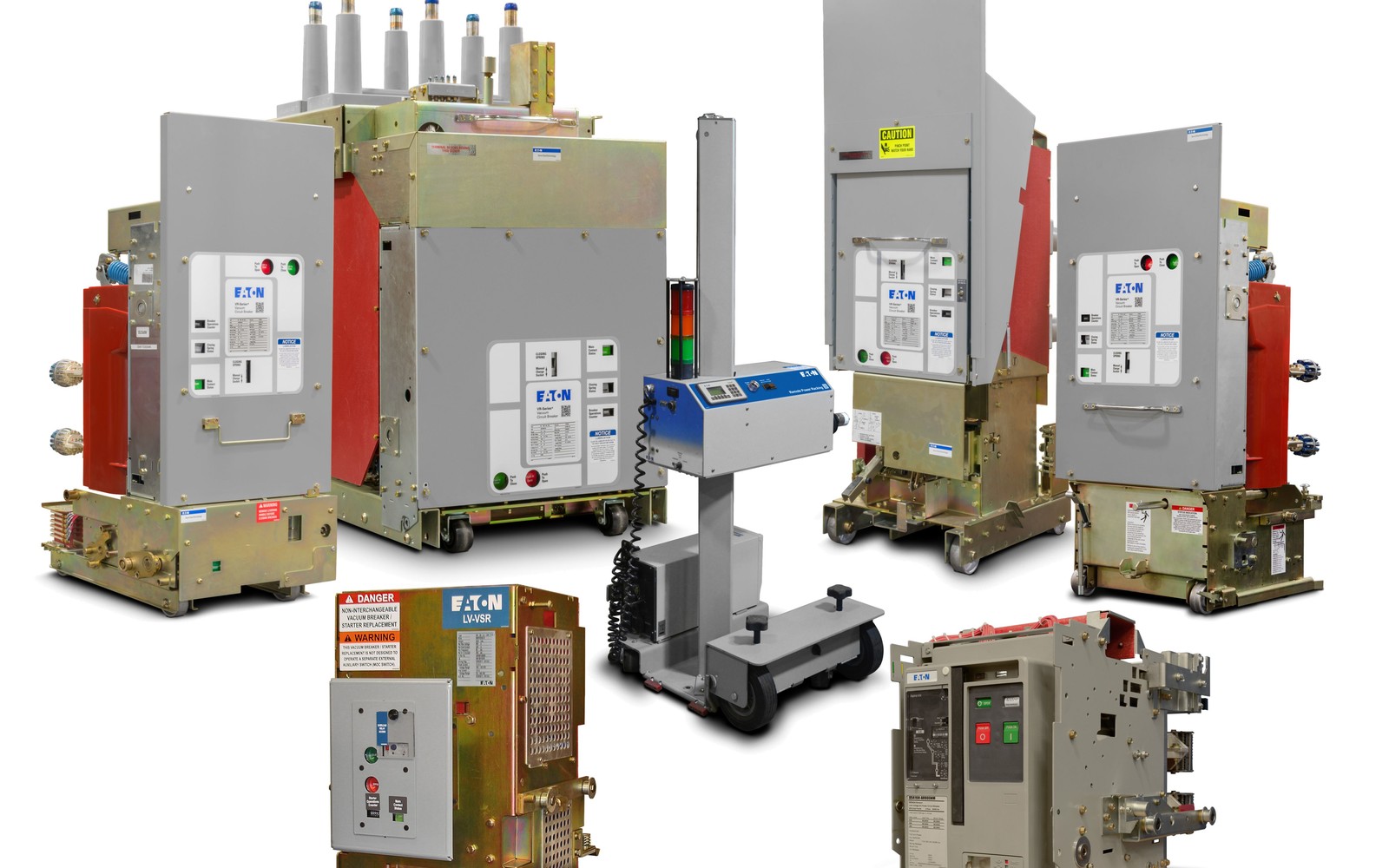
- Strong Equipment As Collateral. Gear from established manufacturers like Eaton, Siemens, or Schneider Electric with clear documentation is easier to finance than generic or unknown-brand assets.
- Explanation Letter. If the credit problem has a story, tell it. A one-page letter explaining a specific event, what changed, and why the current business is stable is worth more than leaving the underwriter to guess.
- Business Cash Flow. Three months of bank statements showing consistent deposits and manageable balances outweigh a credit score. Revenue coming in and going out predictably signals debt serviceability.
- Existing Relationship With The Equipment Vendor. A vendor who vouches for you or has done business with you for years adds context that helps.
What hurts: active collections, unresolved tax liens, and bankruptcies within the last two years are serious obstacles. Not always fatal, but expect significantly higher rates, larger down payments, and smaller advance amounts if any of those apply.
Situations We See Most
The operators who end up in B/C financing typically fall into a few categories:
- Contractors who had a difficult project go wrong and took cash flow damage that showed up in their credit profile before things stabilized.
- Business owners who personally guaranteed a business debt that went bad during a recession or industry downturn, and who have been rebuilding since.
- Industrial operators who used personal credit aggressively during a growth phase and are now showing high utilization ratios even though the underlying business is solid.
- Newer operators who have limited credit history on both the business and personal side, which sometimes scores similarly to negative history in automated systems.
B/C financing serves as a bridge. Most operators who start in this tier move into conventional pricing within 12 to 24 months of clean payment history. The first transaction is the most expensive. It is also what starts the track record.
New Vs. Used Gear At The B/C Tier
New gear from an authorized distributor is the easiest to finance even at the B/C tier because the invoice is clear and the lender knows exactly what the collateral is. Used gear at the B/C tier adds complexity because it requires an inspection or appraisal, and the lender is already doing extra work on the credit side. If your options include both, new gear generally produces a cleaner transaction.
That said, if you are buying used switchgear or refurbished switchgear, have a condition report or recent inspection available before you apply. That document reduces uncertainty for the lender and can offset some of the credit hesitation. See the used equipment financing page for details on how that process works.
Price This Switchgear Financing Package
Send the quote, seller, lead time, deposit requirement, project location, and the electrical package scope. We will review the structure around the purchase schedule.
Review Switchgear TermsCommon Questions on Bad-Credit (B/C) Equipment Financing for Switchgear
Straight answers before you send the equipment file.
What is the minimum credit score for B/C equipment financing?
There is no absolute minimum. Files with personal scores in the mid-500s can still be reviewed when equity contribution, collateral quality, and current business cash flow all support the request. The weaker the score, the more the other parts of the file need to carry the transaction.
Does a discharged bankruptcy disqualify me?
A Chapter 7 discharge more than two years old is workable at the B/C tier, especially with a solid down payment and good current credit behavior. More recent bankruptcies are substantially harder. Chapter 13 during active repayment requires trustee approval in some cases.
Can I get B/C financing for a large switchgear project, like $600k worth of gear?
Larger transactions at the B/C tier require more equity contribution and more documentation than smaller ones. Deals above $300k in the B/C tier are less common but not impossible. Expect to put 25 to 35 percent down and provide full business financials.
Will getting approved for B/C financing hurt my credit more?
A hard credit inquiry appears on your credit report, which has a small temporary effect. The loan itself, if managed well with on-time payments, helps rebuild the credit profile over time. Responsible use of B/C financing is one of the most reliable paths back to A-tier rates.
I had a tax lien that has since been paid. Does that still affect me?
Paid tax liens are treated differently than active ones. A satisfied lien is generally workable at the B/C tier. Active tax liens are a significant obstacle and typically need to be addressed before equipment financing can close.
Review The Bad-Credit (B/C) Equipment Financing for Switchgear Package
Send the equipment quote, seller, lead time, deposit schedule, and project location. The finance desk will review the package against the actual procurement calendar.