
Switchgear Equipment
Dry-Type Transformer Financing
Dry-type transformers are the standard choice for indoor installations. No oil, no fire risk from dielectric fluid, no containment requirements, no special maintenance beyond keeping the ventilation openings clear and the insulation dry. They go into mechanical rooms, electrical closets, rooftops, and anywhere inside a building where a liquid-filled transformer is a problem. Every commercial building with a medium-voltage primary service has at least one dry-type unit. Many industrial plants have dozens.
The size range for dry-type transformers is wide. Small units from 15kVA to a few hundred kVA serve lighting and receptacle panel feeds in commercial buildings. Larger units from 500kVA through 5,000kVA and above handle primary distribution for industrial plants and large commercial facilities. Units above about 750kVA are large enough that the purchase cost justifies a financing review. A 2,000kVA dry-type unit may cost $40,000 to $80,000. A 5,000kVA unit with full K-factor rating, shielding, and enclosure options can run $120,000 to $250,000 or more.
We finance dry-type transformers for building owners, electrical contractors, industrial operators, and developers. Minimum transaction $50,000. Application-only up to approximately $400,000. New and used units financed.
Dry-Type Transformer Specifications And Options
Dry-type transformers operate on the same electromagnetic principles as liquid-filled units but use cast-resin or vacuum-pressure-impregnated (VPI) windings instead of oil-immersed conductors. The insulation system rating, expressed as temperature class, determines the transformer's thermal capacity. Class H insulation (180 degrees C) allows more load capacity in a given physical size compared to Class B or Class F ratings.
K-factor ratings matter for installations powering nonlinear loads like variable frequency drives, UPS systems, and computer equipment. These loads produce harmonic currents that stress transformer windings with heating beyond what a standard transformer is rated to handle. A K-13 or K-20 rated transformer handles the harmonic loading from a heavy nonlinear load without overheating. Data centers and facilities with large VFD populations routinely specify K-rated dry-type transformers.
Ventilated vs. encapsulated construction affects both cost and application. Ventilated transformers are less expensive and widely used for indoor dry spaces. Encapsulated cast-resin designs handle wet, washdown, or outdoor applications where a ventilated unit would be exposed to moisture ingress. Cost for cast-resin units is meaningfully higher than ventilated units at the same kVA rating.
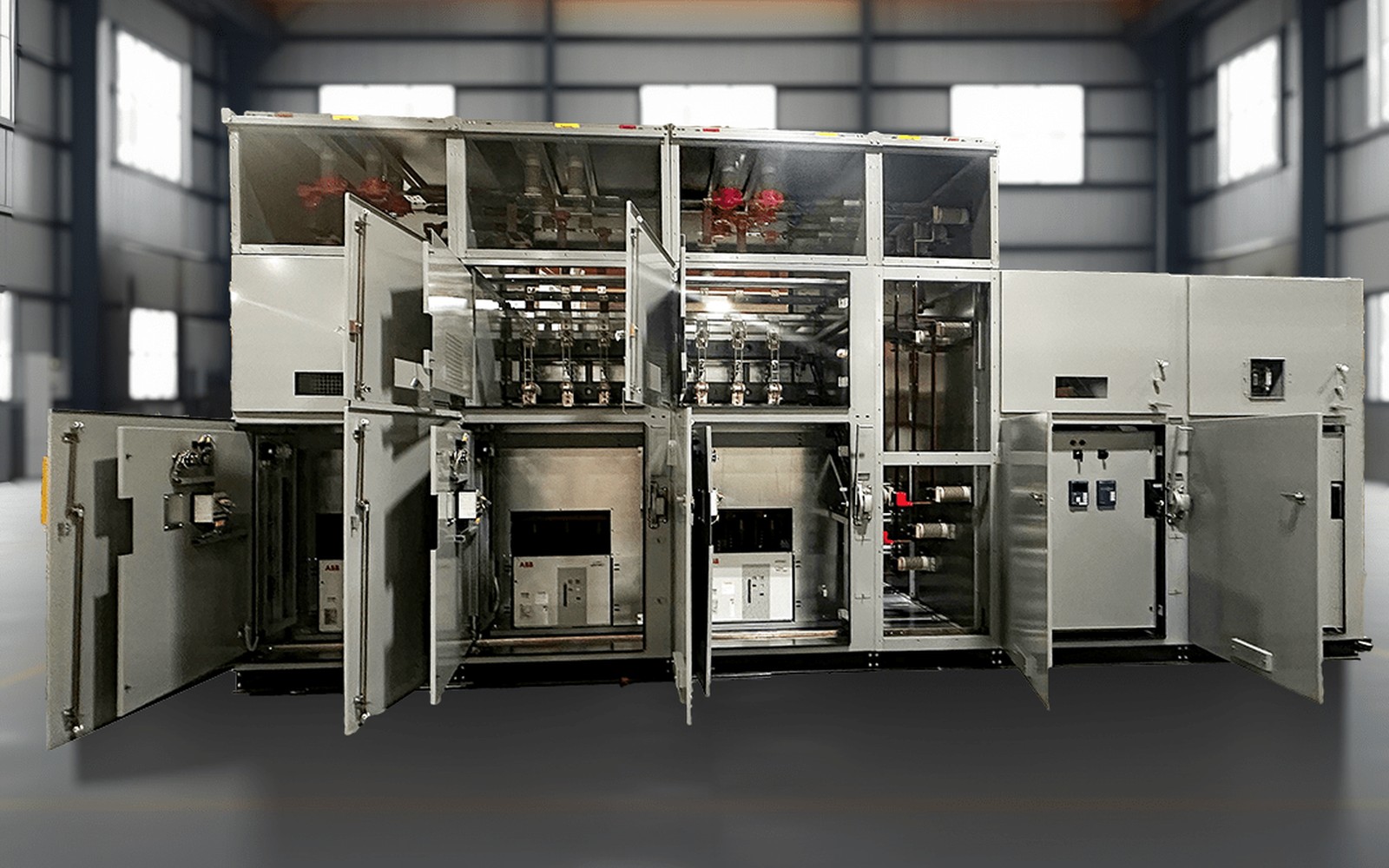
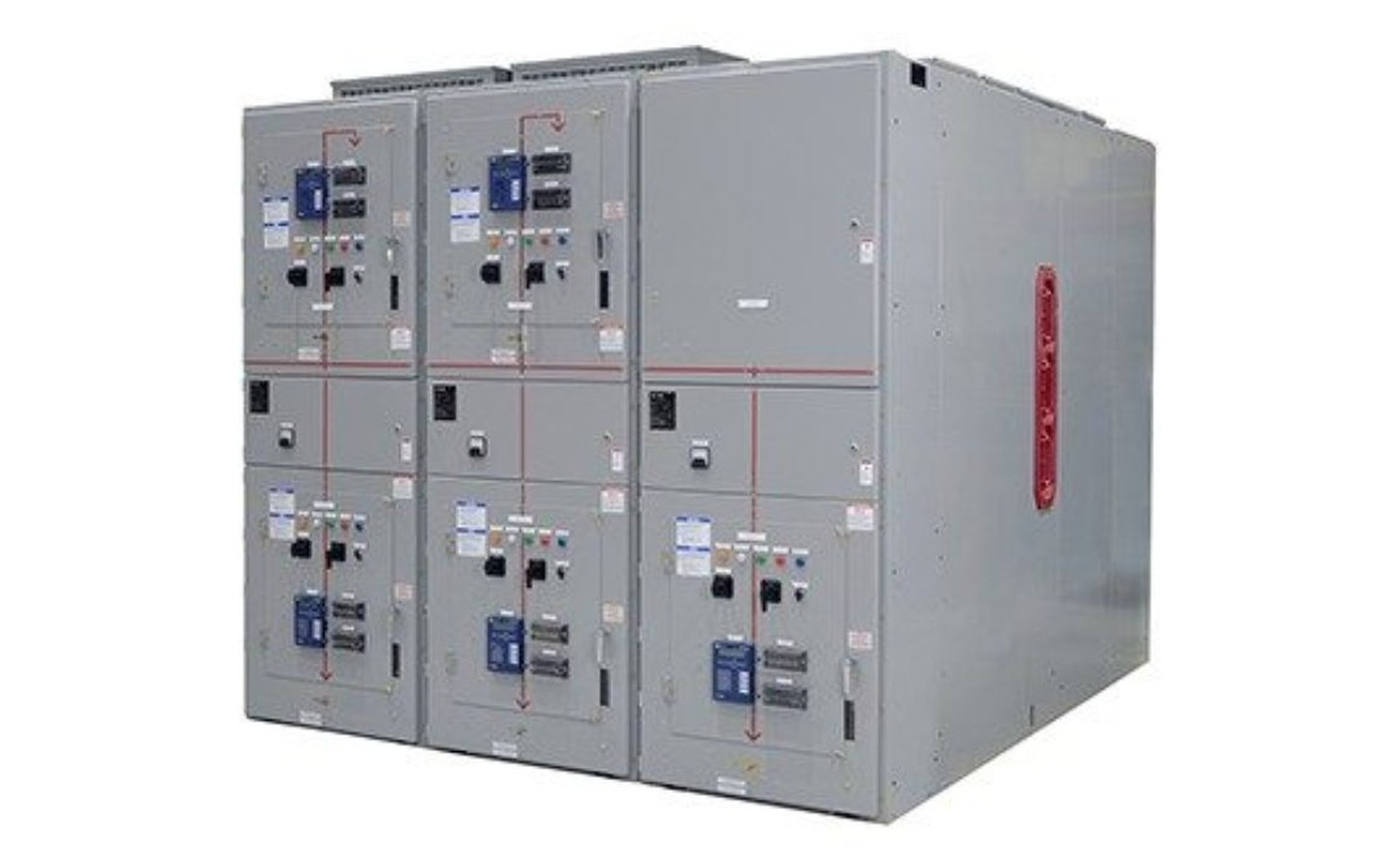
Dry-type transformers are closely related to unit substations, which combine a dry-type or liquid-filled transformer with secondary switchgear in a single integrated assembly. When a project includes both the transformer and the secondary distribution switchboard, a unit substation may be more economical than purchasing the components separately. We finance unit substations as a single transaction covering both pieces.
Who Buys Dry-Type Transformer Financing
Dry-type transformer financing covers a broad range of buyers because the product is used in virtually every commercial and industrial building with a medium-voltage primary service.
Commercial real estate and developers building new commercial facilities need primary distribution transformers as a fundamental part of the base building electrical system. A large commercial office or mixed-use building may need one to several dry-type transformers at the main service and at floor distribution points. Commercial real estate and developers financing the electrical system package routinely include transformers.
Data centers use dry-type transformers extensively for distribution within the facility, stepping utility service voltage down to the level required by UPS systems, PDUs, and cooling equipment. Data centers building new halls or expanding within an existing facility finance dry-type transformers as part of a broader electrical package.
Industrial and manufacturing plants replace aging transformers as part of broader electrical system upgrades. A transformer that is 25 or 30 years old may have reduced capacity from insulation degradation and may not be repairable economically. Replacement with a modern unit is a capital project that benefits from financing. Industrial and manufacturing buyers often finance transformers alongside MCCs and switchgear as a single project package.
Electrical contractors purchasing owner-furnished transformers for commercial and industrial projects carry those units on their paper during construction before the owner funds the draw. Electrical contractors need transformer financing for OFE projects the same way they need financing for switchgear and panelboards.
New Vs. Used Dry-Type Transformers
Used dry-type transformers are available through electrical equipment dealers and often offer substantial cost savings over new. A 2,000kVA dry-type unit that would cost $70,000 new may be available used for $25,000 to $40,000 depending on the condition, age, and documentation. For projects where lead time is the primary constraint, a used unit from a dealer's inventory can be available in days rather than the six to twelve weeks a new unit may require.
We finance used dry-type transformers from recognized dealers. The unit should have nameplate documentation covering the kVA rating, voltage class, impedance, and temperature rise, plus test records if available. A well-documented used dry-type transformer from a reputable dealer is a strong financing candidate. Units with no documentation or unknown history are harder to process.
The used electrical equipment page covers our general approach to financing used power apparatus. The same principles apply to dry-type transformers.
Price This Switchgear Financing Package
Send the quote, seller, lead time, deposit requirement, project location, and the electrical package scope. We will review the structure around the purchase schedule.
Review Switchgear TermsCommon Questions on Dry-Type Transformer Financing
Straight answers before you send the equipment file.
Can we finance a dry-type transformer and the secondary distribution panelboards it feeds as one transaction?
Yes. A transformer and its associated secondary distribution equipment purchased for the same project can be packaged into one financing transaction. This is a common project-packaging approach for commercial and industrial electrical installations.
Our facility needs a K-factor rated transformer for a server room. Is that treated differently than a standard dry-type unit?
No. A K-rated dry-type transformer is financed the same way as a standard unit. The K-factor rating is a specification upgrade that typically increases the purchase price, but the financing treatment is identical. The application covers the transformer rating and the vendor, not the specific winding design.
We have a dry-type transformer that failed and needs replacement urgently. Can financing be done quickly?
For transactions under $400,000, we can return a credit decision in 24 to 48 hours. Funding can close as soon as the equipment is purchased and delivered. The urgency of the replacement is not a problem from a financing standpoint, though it may be a problem on the equipment procurement side if lead time is the constraint.
Can we refinance a dry-type transformer we bought 18 months ago from operating cash?
A cash-out refinance or sale-leaseback on a recently purchased transformer is possible. The transformer must be identifiable, in service, and have documentation. The transaction value is based on the current market value of the equipment, which for an 18-month-old transformer in service should be reasonably close to purchase price.
Review The Dry-Type Transformer Financing Package
Send the equipment quote, seller, lead time, deposit schedule, and project location. The finance desk will review the package against the actual procurement calendar.