
Switchgear Equipment
Switchgear Buildings & Enclosures Financing
The gear is specified, the vendor is selected, and the one-line is drawn. The last thing standing between the order and the project schedule is the enclosure or control house that houses it all. Switchgear buildings are on long lead times, they are fabricated to order, and the foundation has to be ready when they arrive. Financing that closes before the deposit is due is what keeps the project timeline intact.
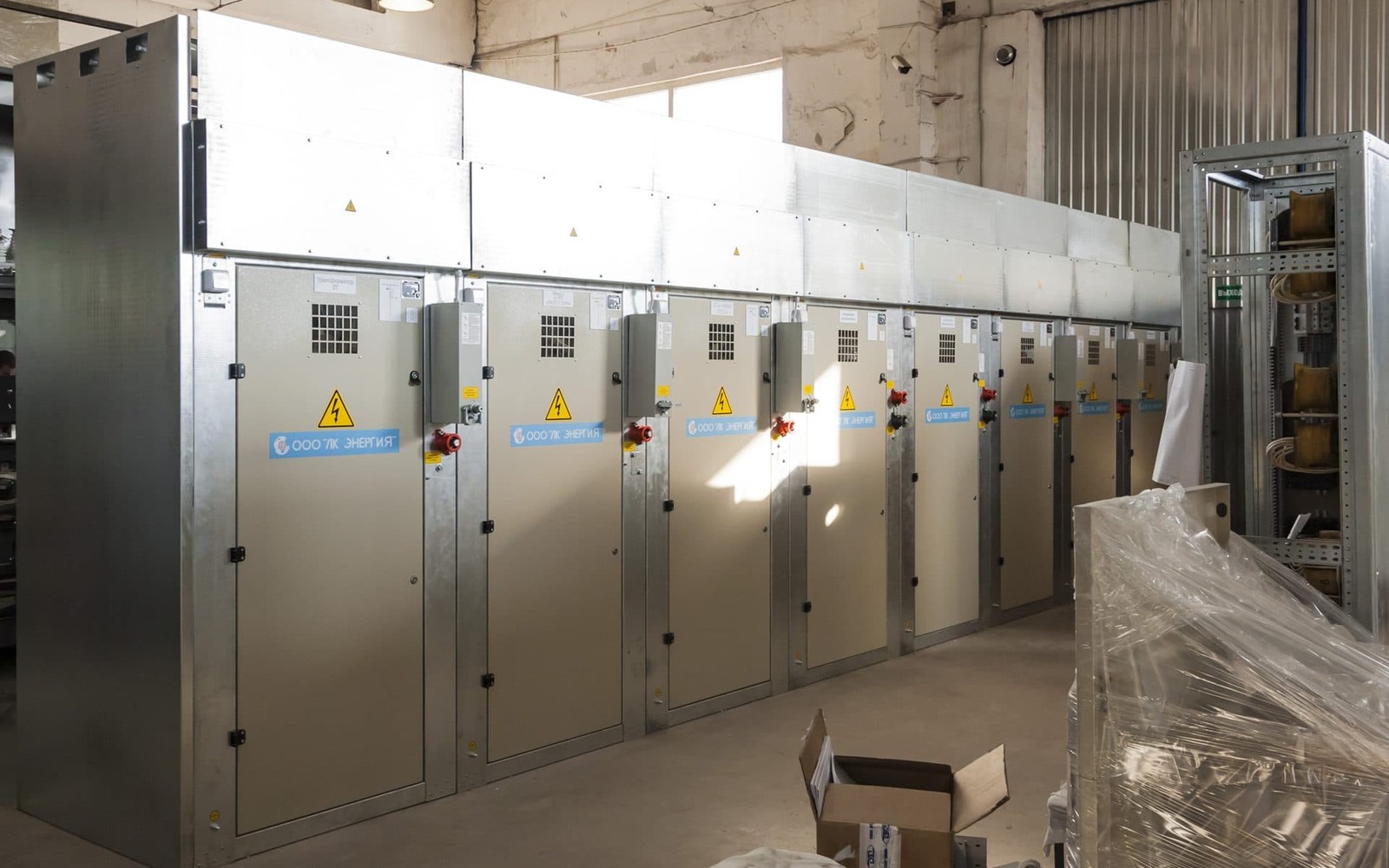
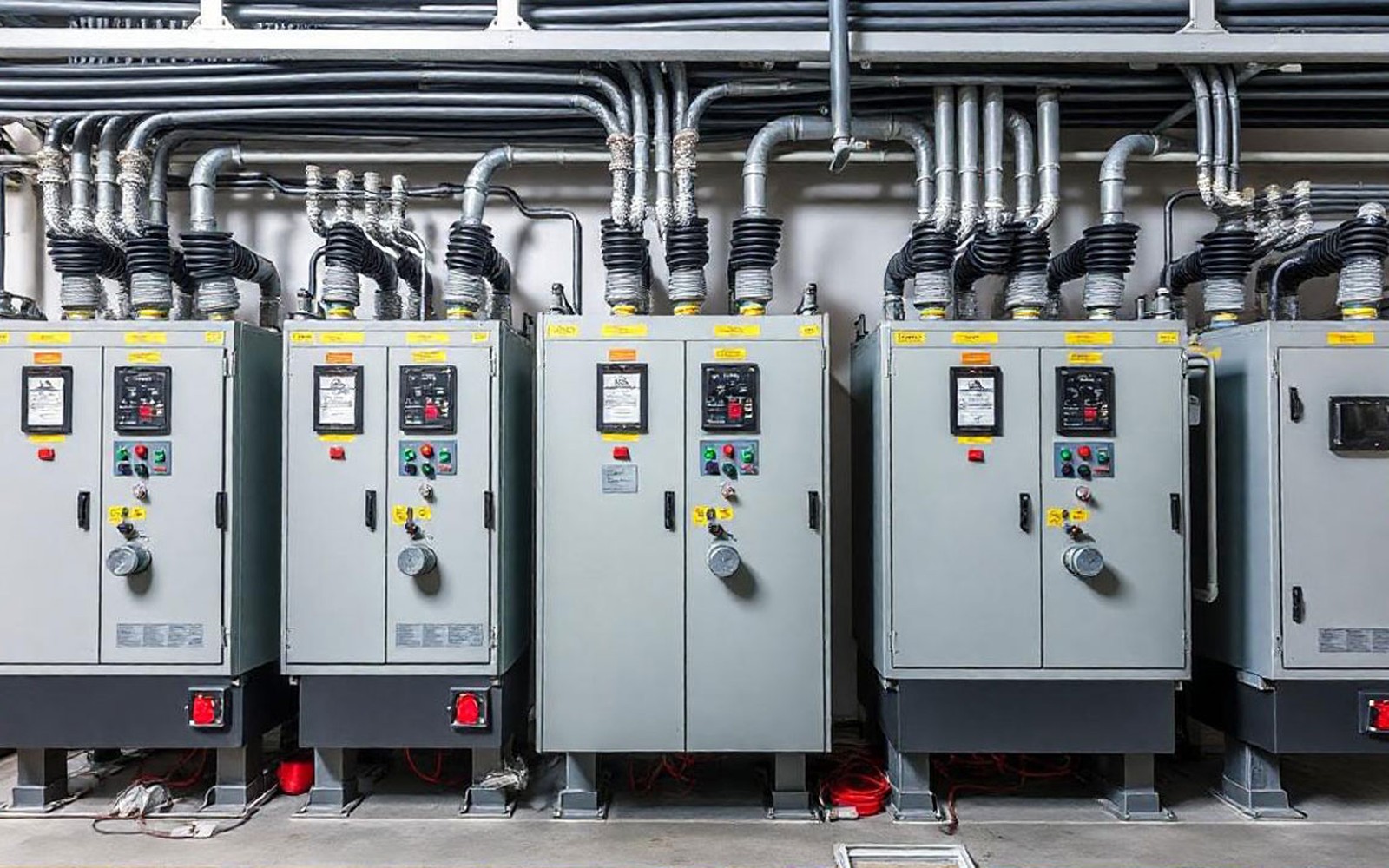
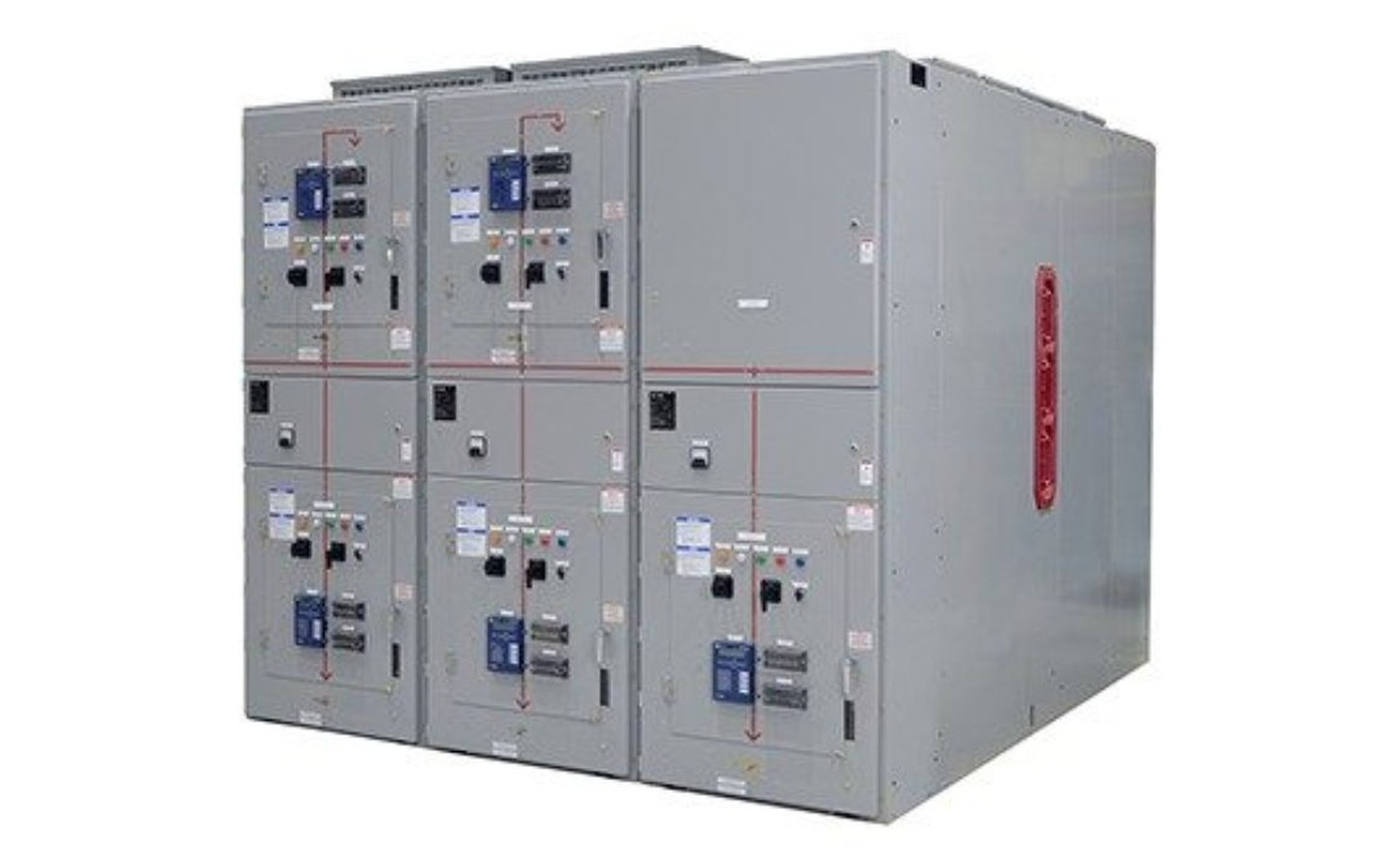
Switchgear buildings and enclosures are pre-engineered, factory-fabricated structures designed to house medium-voltage and high-voltage electrical equipment in outdoor or industrial environments. They range from simple outdoor fiberglass enclosures for pad-mounted gear to large walk-in steel-framed control houses for utility substations. An E-house (electrical house) is a specific type of switchgear building designed to be factory-assembled with the electrical equipment already installed, then transported to the site as a complete, energized substation. These complete solutions are becoming the standard approach for remote industrial sites, renewable energy projects, and data center campus expansions where speed to energization is the primary driver.
Costs range from $40,000 for a basic outdoor NEMA 3R steel enclosure to well over $1 million for a large, fully equipped E-house. We handle deals from $50,000 to several million, with application-only processing to $400,000.
Enclosure Types And Specifications
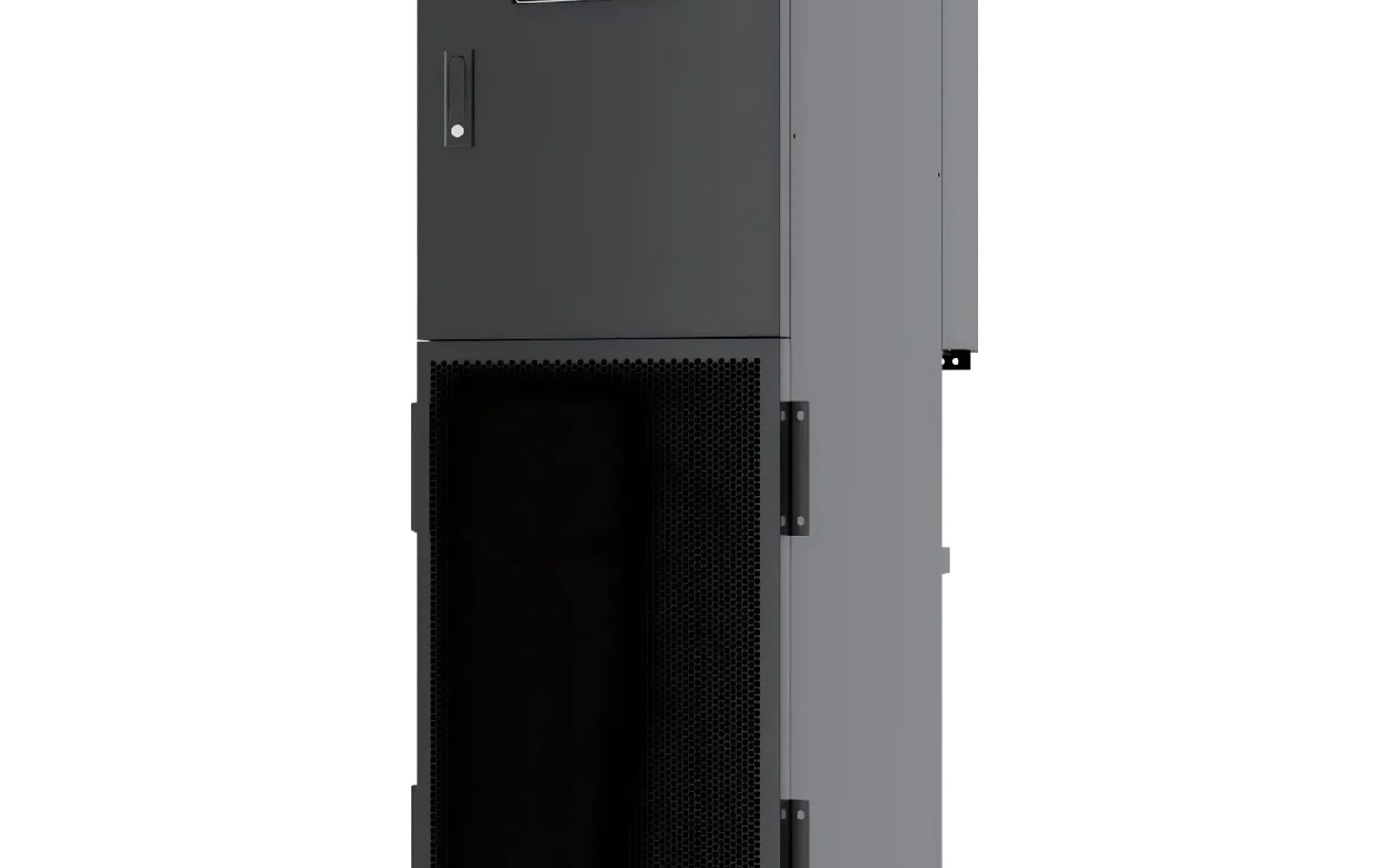
Basic outdoor switchgear enclosures are NEMA 3R or NEMA 4 rated steel or fiberglass structures that protect equipment from weather without providing walk-in access. They are appropriate for pad-mounted transformers, automatic transfer switches, capacitor banks, and sectionalizing switches that do not require frequent physical access. Costs are typically $30k to $100k all-in depending on size and rating.
Walk-in relay houses and control houses are larger structures, typically insulated and climate-controlled, housing protection panels, metering equipment, communications, and control systems. They are standard in utility substations and in large industrial facilities where the relay and metering panels need to be accessible for maintenance. A standard relay house for a distribution substation runs $80,000 to $300,000 including climate control, lighting, and cable management.
E-houses are the highest-value category and the most complex to finance. They are shipped as complete, pre-tested electrical assemblies that include the switchgear, controls, relaying, metering, HVAC, and all internal wiring. The value of the E-house as a collateral asset is high because it represents a complete, factory-tested system. We see significant E-house demand from oil and gas facilities and from renewable energy projects where the site is remote and on-site construction costs are prohibitive.
Who Finances Switchgear Buildings
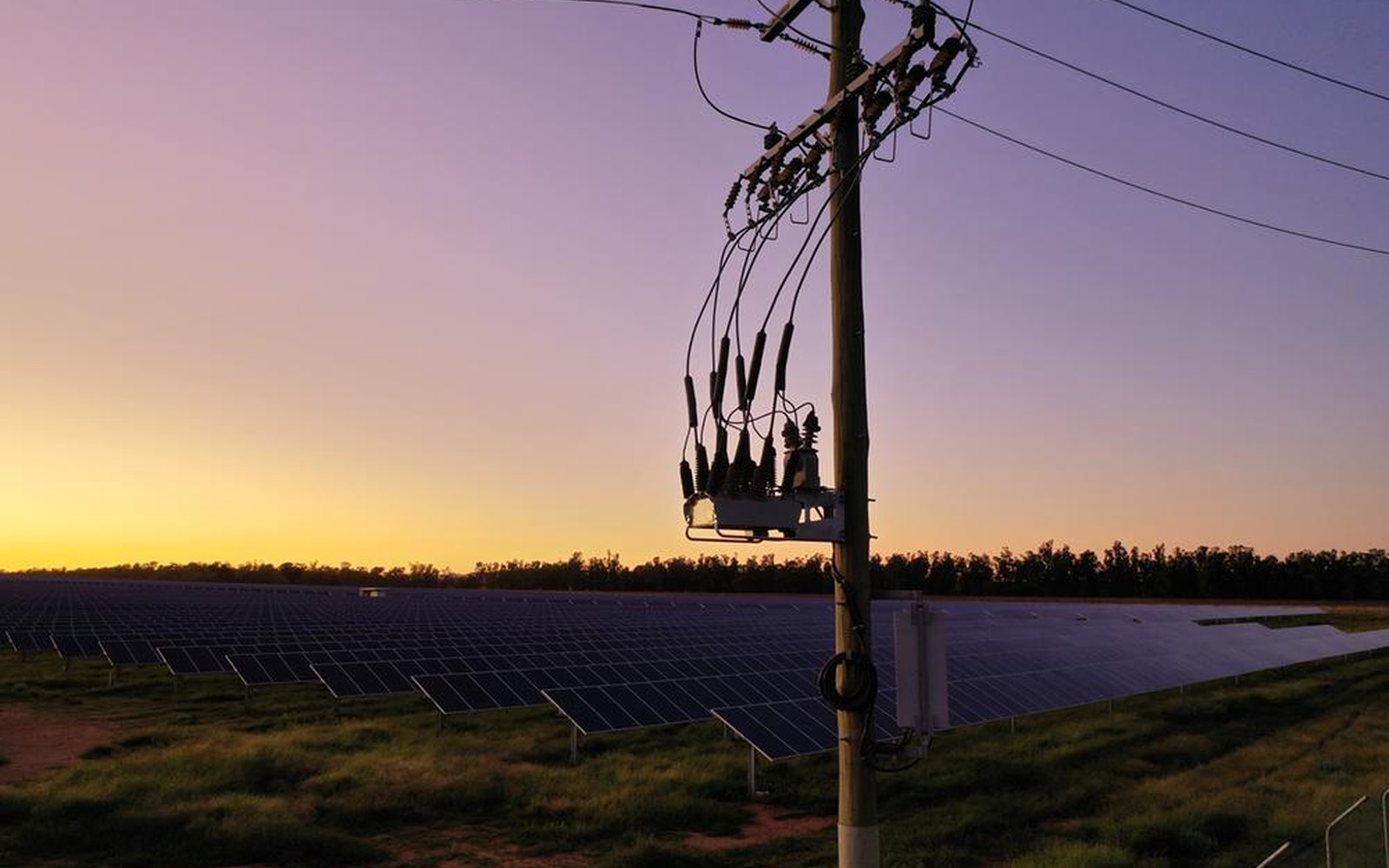
Electric utilities and rural cooperatives finance relay houses and control houses as part of substation construction and upgrade programs. The structure and the electrical equipment inside it are often financed together, but the enclosure can also be financed separately when the electrical equipment has a different procurement timeline or a different vendor.
Industrial manufacturers building new facilities or expanding existing ones often require a new outdoor switchgear installation with an appropriate enclosure. A manufacturer that is adding a production line requiring a new primary service entrance will specify and procure the service entrance switchgear, the enclosure, and the transformer as a complete package. Financing the package together simplifies the procurement and the capital accounting.
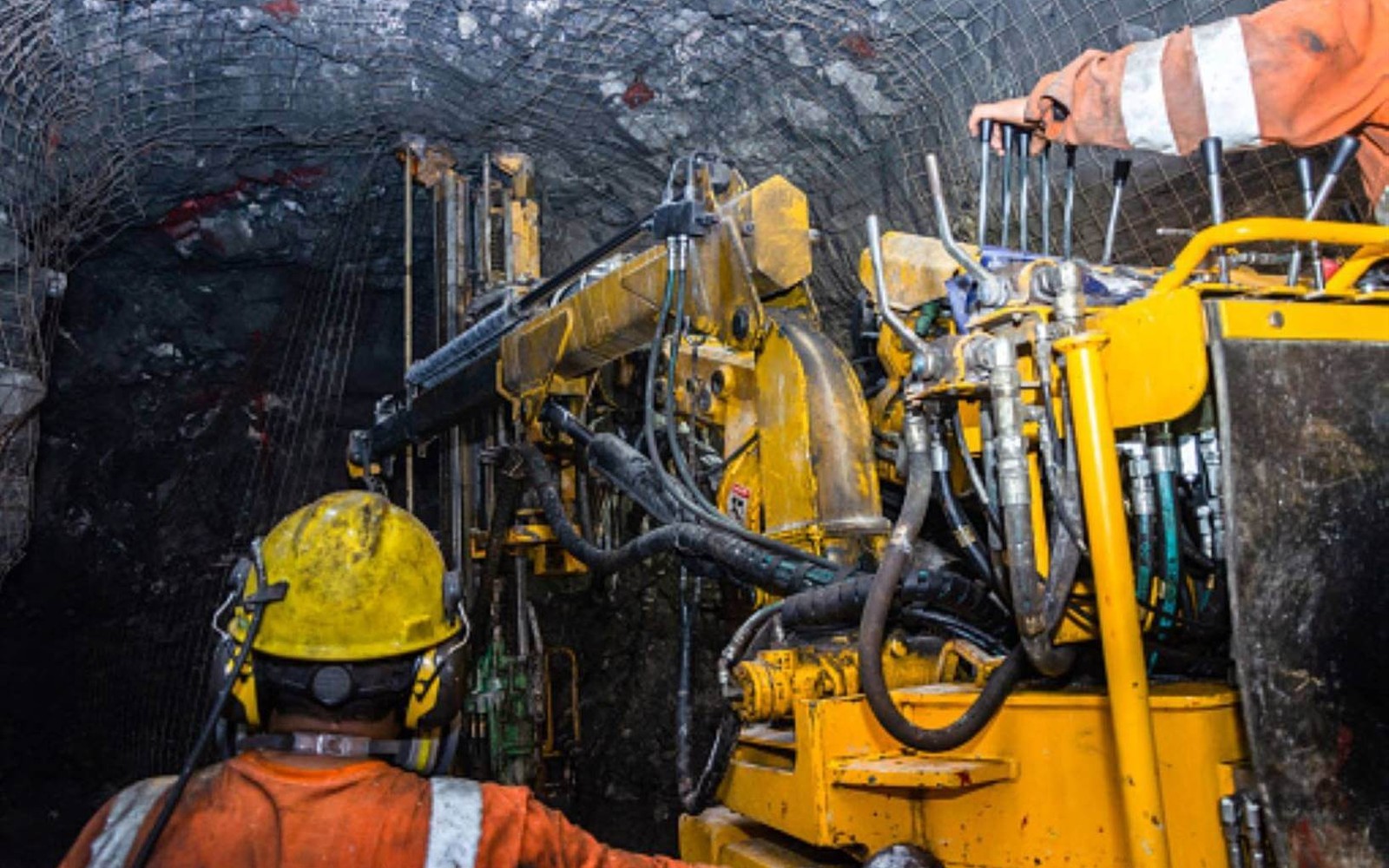
Mining operations, materials processing facilities, and remote infrastructure projects where civil construction costs are high benefit most from E-house solutions. An E-house that can be placed on a prepared pad and energized within days of delivery saves significant on-site construction labor compared to stick-built switchgear installations.
Financing Structure For Enclosures And Buildings
Switchgear buildings and enclosures are financed as capital equipment, even though they may be permanently attached to a foundation. The distinction from real estate is important: the financing is against the manufactured structure and its electrical contents, not the land. This is a standard structure in equipment financing and does not require a real estate appraisal or a title search.
For projects where the enclosure and the electrical equipment inside it are ordered from the same vendor (which is typical for E-houses), the complete package is financed as a single deal. For projects where the enclosure is ordered separately from the electrical gear, each procurement can be financed separately or combined into a single package if the timelines align.
Progress and deposit financing is frequently required for E-house projects because the manufacturer requires deposit payments at order, at shipment release, and at delivery. Our progress and deposit program advances funds at each milestone, matching the vendor's payment schedule and eliminating the need to use working capital to fund the deposits before the final financing closes.
For completed and installed switchgear buildings, a Sale-Leaseback Financing can convert the capital in an owned enclosure into cash while keeping the structure in place and operational.
Price This Switchgear Financing Package
Send the quote, seller, lead time, deposit requirement, project location, and the electrical package scope. We will review the structure around the purchase schedule.
Review Switchgear TermsCommon Questions on Switchgear Buildings & Enclosures Financing
Straight answers before you send the equipment file.
Can I finance the E-house structure and all the electrical equipment inside as one package?
Yes. An E-house supplied by a single vendor as a complete factory-assembled unit is financed as one deal. The entire package, structure and electrical contents together, is the collateral asset.
The enclosure will be permanently bolted to a concrete foundation. Does that make it a real property improvement rather than equipment?
Manufactured structures that house electrical equipment are treated as equipment for financing purposes, even when they are bolted to a foundation. This is standard in equipment financing and does not require real estate documentation.
I need a relay house for a utility substation rebuild. Can the relay house be financed before the substation equipment is ordered?
Yes. The relay house can be financed as a standalone item. The electrical equipment inside can be financed separately or combined into a package when the procurement aligns.
Can I finance a used switchgear building that is being moved from a decommissioned facility to a new site?
Moved and refurbished switchgear buildings are eligible under our used equipment financing program, with documentation of the original construction, the current condition assessment, and the relocation scope.
My project is in a remote location with no prior grid connection. Does that affect financing eligibility?
Remote location does not affect eligibility. What matters is the buyer's credit profile, the equipment value, and the project documentation. Remote renewable energy and mining projects are a regular part of our business.
Review The Switchgear Buildings & Enclosures Financing Package
Send the equipment quote, seller, lead time, deposit schedule, and project location. The finance desk will review the package against the actual procurement calendar.