
Financing Programs
Progress and Deposit Financing for Switchgear
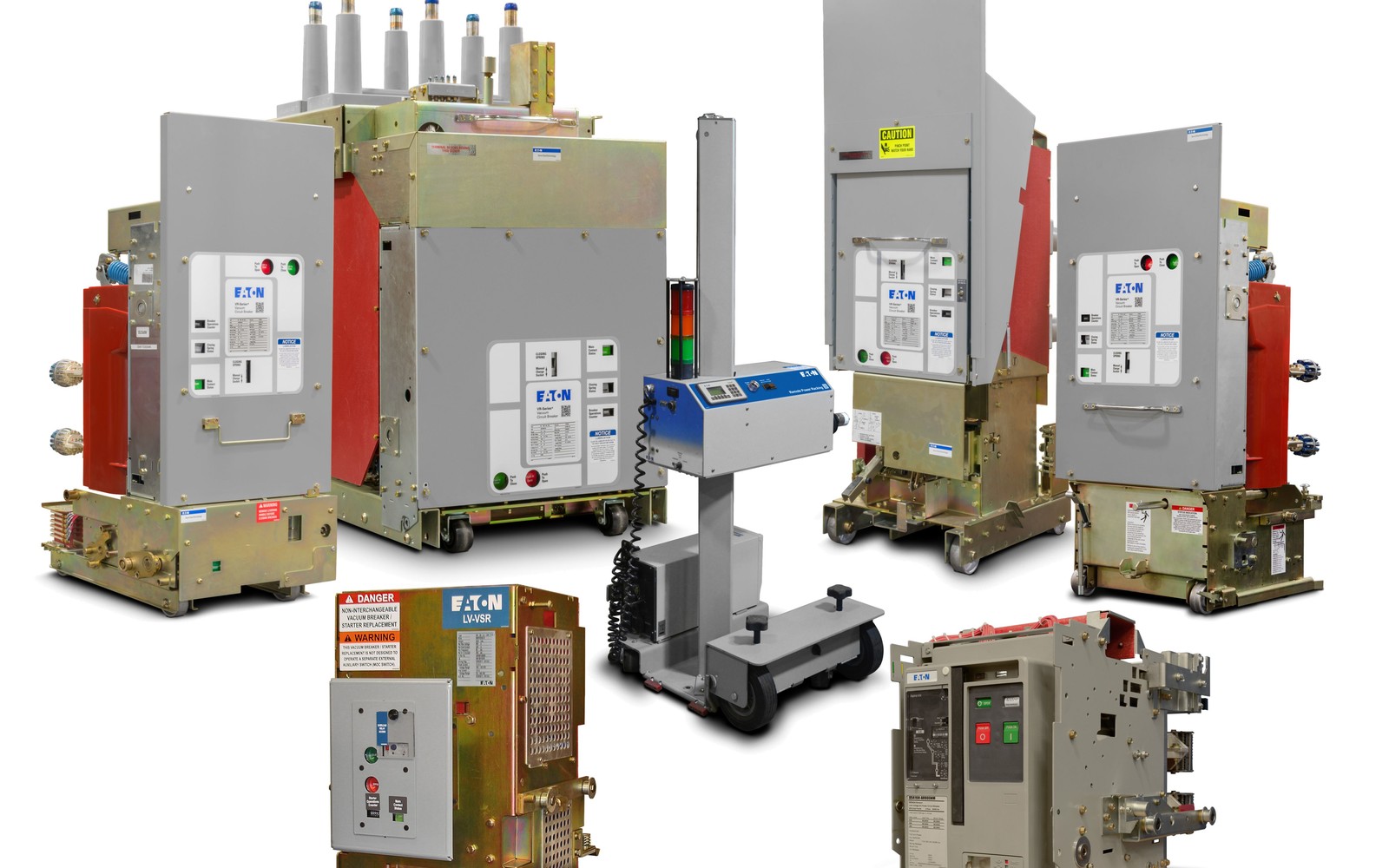
Switchgear manufacturers do not ship on 30-day terms. A custom-built medium-voltage switchgear assembly or a complete unit substation package can carry a lead time of six months to well over a year, and the vendor expects deposit payments and progress draws during the build. That funding requirement falls before the equipment exists, which means traditional lenders who tie disbursement to the asset being delivered are the wrong tool for the job.
Progress and deposit financing bridges that gap. It funds vendor payments at defined milestones during the manufacturing and delivery period so you can hold the purchase order without depleting your working capital or bank lines during the wait.
How Progress Financing Is Structured
Progress financing releases funds in stages tied to verifiable vendor milestones rather than in a single draw at delivery. A typical structure for a long lead-time switchgear order might look like this:
- Draw 1: 20 to 30 percent at purchase order confirmation and vendor deposit
- Draw 2: 30 to 40 percent at factory fabrication milestone (often tied to a factory witness test or a scheduled inspection visit)
- Draw 3: remaining balance at shipment or delivery and acceptance
The specific draw schedule depends on what the vendor requires contractually and what the lender will advance at each stage. Most progress structures require signed purchase orders and vendor confirmations at each draw. The lender is essentially extending credit against a commitment to deliver, not against a physical asset in hand.
For manufacturers with strong reputations like Eaton, Siemens, and Powell Industries, the vendor covenant is strong and lenders are comfortable with multi-draw structures. Less-known fabricators may require additional risk mitigation, such as payment bonds or enhanced inspection provisions.
Who Needs Progress Financing
Any buyer procuring equipment on a build-to-order schedule with staged vendor payments is a candidate. The most common situations:
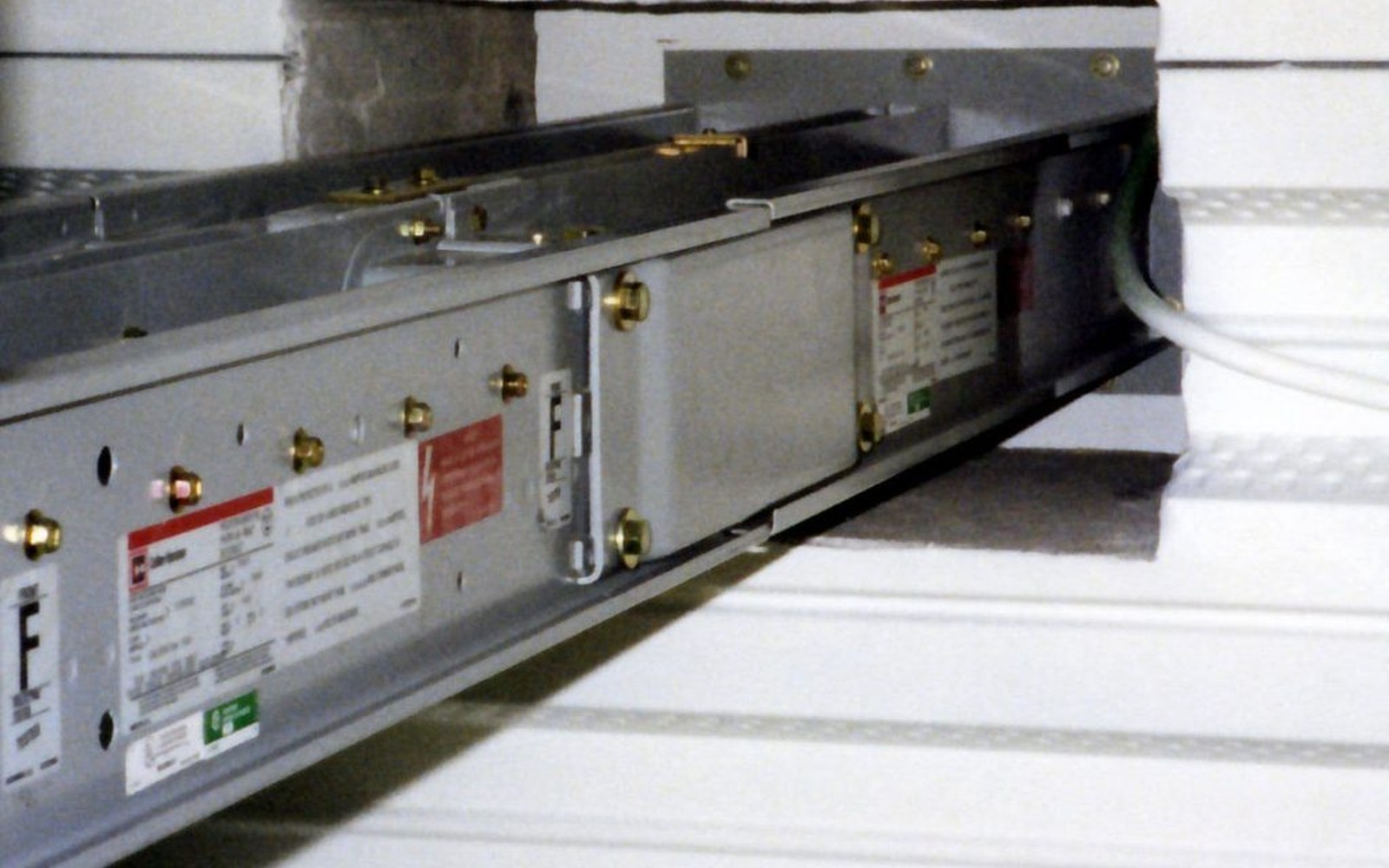
- Data Center Developers ordering custom switchgear and busway packages with 9 to 18-month delivery timelines. Cash tied up in vendor deposits during the construction period is cash not available for the rest of the build.
- Electrical Contractors who won a project with a large gear procurement component. The general contractor will not release enough funds from the project to fund the gear deposits, and the contractor needs a bridge.
- Utilities And Cooperatives ordering substation equipment for a capital project that falls outside the normal operating budget cycle.
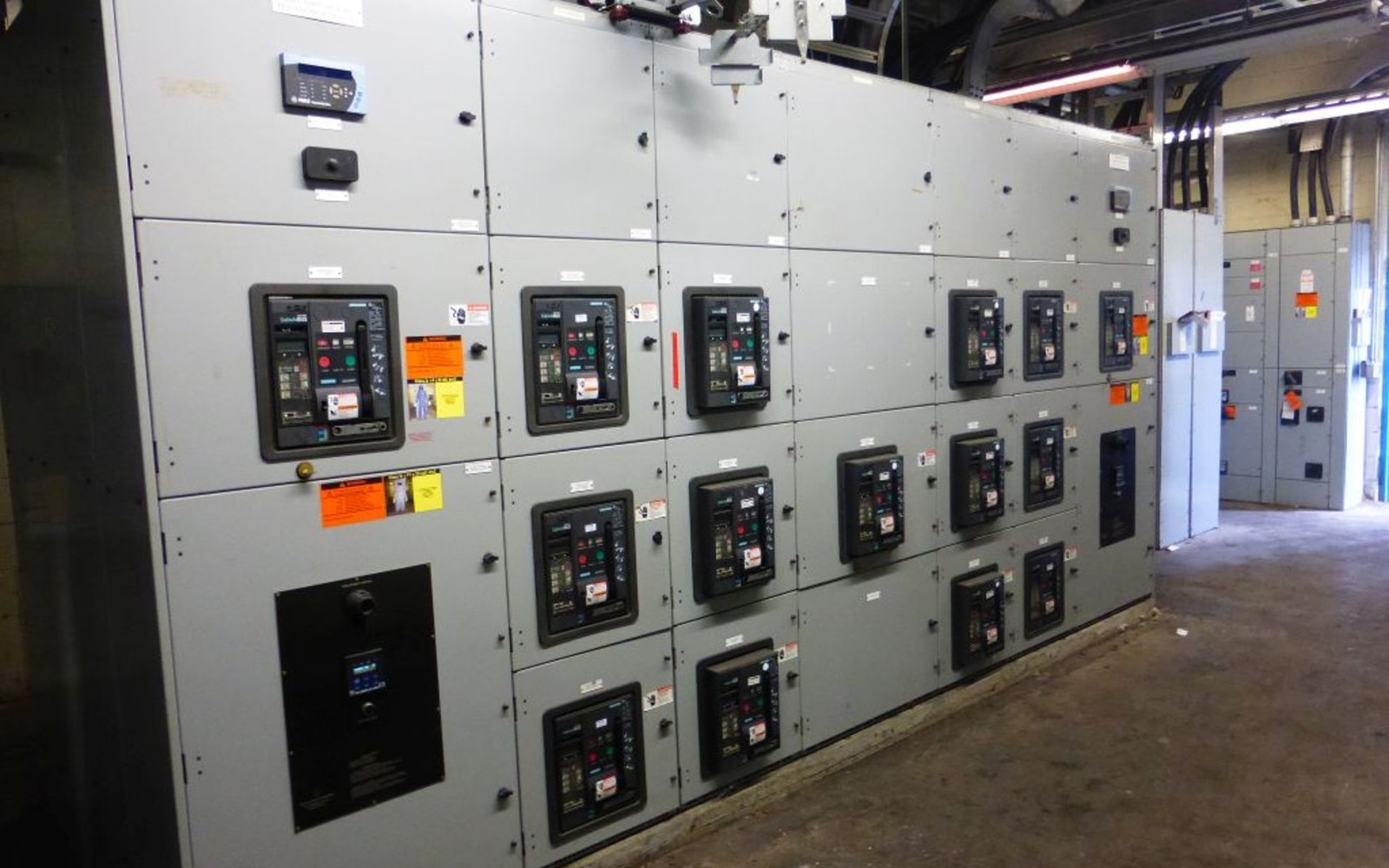
- Industrial Operators procuring a full motor control center lineup or a modular E-house for a new facility where the project draw schedule does not align with vendor payment terms.
Buyers in Houston and other active energy markets frequently use progress financing for oil and gas equipment packages where long lead times and large deposits are the norm in the supplier base.
Documentation And Underwriting
Progress financing requires more documentation than a standard equipment loan because the collateral does not exist yet. Lenders want to see:
- Signed purchase order with clear vendor terms, milestones, and payment schedule
- Vendor specifications and delivery commitments
- Business financial statements (three months bank statements minimum; financials often required for larger transactions)
- Evidence that the end-use project is real: owner-signed contract, project permit, or site documentation
- Personal guarantees from principals
For projects where the gear is destined for a specific contracted job, the existence of a signed project contract from a creditworthy owner (utility, municipality, Fortune 500 developer) strengthens the transaction significantly. It de-risks the lender's concern about what happens if the project changes, because there is a documented counterparty on the other end.
Getting Funded Before The Lead Time Starts
The critical insight for progress financing: apply and get approved before you commit to the vendor. Lenders need to review the purchase order terms and confirm their draw structure matches the vendor's payment milestones. If you sign the purchase order first and then start looking for financing, you may create a gap between the deposit due date and the funding timeline.
Approval on a well-documented progress financing transaction runs two to three weeks, slightly longer than a standard equipment loan because of the additional underwriting steps. Build that timeline into your procurement schedule. For projects with critical gear on the schedule, plan to start the financing application the same week you send the RFQ to the vendor, not after you have a quote in hand.
If the transaction also qualifies for application-only financing on the smaller initial deposit amounts, you may be able to fund the first draw faster while the full underwrite is being completed for subsequent draws.
Price This Switchgear Financing Package
Send the quote, seller, lead time, deposit requirement, project location, and the electrical package scope. We will review the structure around the purchase schedule.
Review Switchgear TermsCommon Questions on Progress and Deposit Financing for Switchgear
Straight answers before you send the equipment file.
Can I get progress financing approved before I have a final signed purchase order from the vendor?
Preliminary terms can be established before the final PO, but funding typically requires a signed purchase order as the draw trigger. Get the preliminary financing commitment in place early, then finalize it with the PO when it is ready.
What happens if the vendor misses a delivery milestone after I have funded draws?
This is a real risk to manage. Progress financing agreements typically have provisions for what happens if the vendor defaults, including assignment of your claims against the vendor to the lender. Read the agreement carefully and understand the default provisions before signing.
Is the interest rate higher on progress financing than a standard delivery loan?
Often yes, slightly, because the lender is advancing against undelivered equipment. The rate premium reflects the additional risk during the manufacturing period. Some lenders offer a construction-period rate that converts to a lower standard equipment rate at delivery.
Can I combine progress financing with a lease structure at delivery?
Yes. A common structure is progress financing during manufacture followed by a sale-leaseback or direct lease at delivery. The progress loan is paid off at delivery with the proceeds from the lease, and you continue on a lease payment going forward. This keeps payments low during the build and matches the permanent financing to the revenue period.
My vendor requires 50 percent down at order placement. Can progress financing cover that?
Yes. Progress financing can fund large upfront deposits as the first draw. Some lenders will advance up to the full first-draw amount at purchase order signing. The total advance structure depends on the overall deal size and your credit profile.
Review The Progress and Deposit Financing for Switchgear Package
Send the equipment quote, seller, lead time, deposit schedule, and project location. The finance desk will review the package against the actual procurement calendar.