


Service Areas
Switchgear Financing in Houston, TX
Houston runs on electrical infrastructure that few other cities can match in scale or complexity. Petrochemical processing, LNG export terminals, port operations, and a large power generation sector create persistent demand for switchgear, motor control centers, and substation equipment across the region. Projects do not wait on financing committees. We fund most transactions in one to two weeks from application, with minimums starting at $50,000 and no ceiling that would disqualify a typical Houston capital project.
We serve oil, gas, and petrochemical operators, electrical contractors working the energy corridor and downstream processing segment, industrial plant managers, and commercial developers across Harris, Fort Bend, and Galveston counties. B and C credit is considered. Application-only processing to approximately $400,000.
Houston's energy sector is experienced with equipment financing for major capital assets. Applying that familiarity to electrical infrastructure, specifically to switchgear and power distribution, is straightforward for operators who have already gone through the process for other equipment categories. If your company already finances drilling equipment, production equipment, or transportation assets, the approach for switchgear is the same. The asset class is different; the structure is familiar.
Houston's chemical, refinery, and midstream operators run electrical systems under continuous load. The switchgear, MCCs, and transformers serving those facilities generate financing needs on an ongoing basis. Whether a new project, a planned upgrade, or an emergency replacement, the financing process is the same and the timeline is the same: one to two weeks from a complete application to funded transaction.
The Gear Houston Projects Run
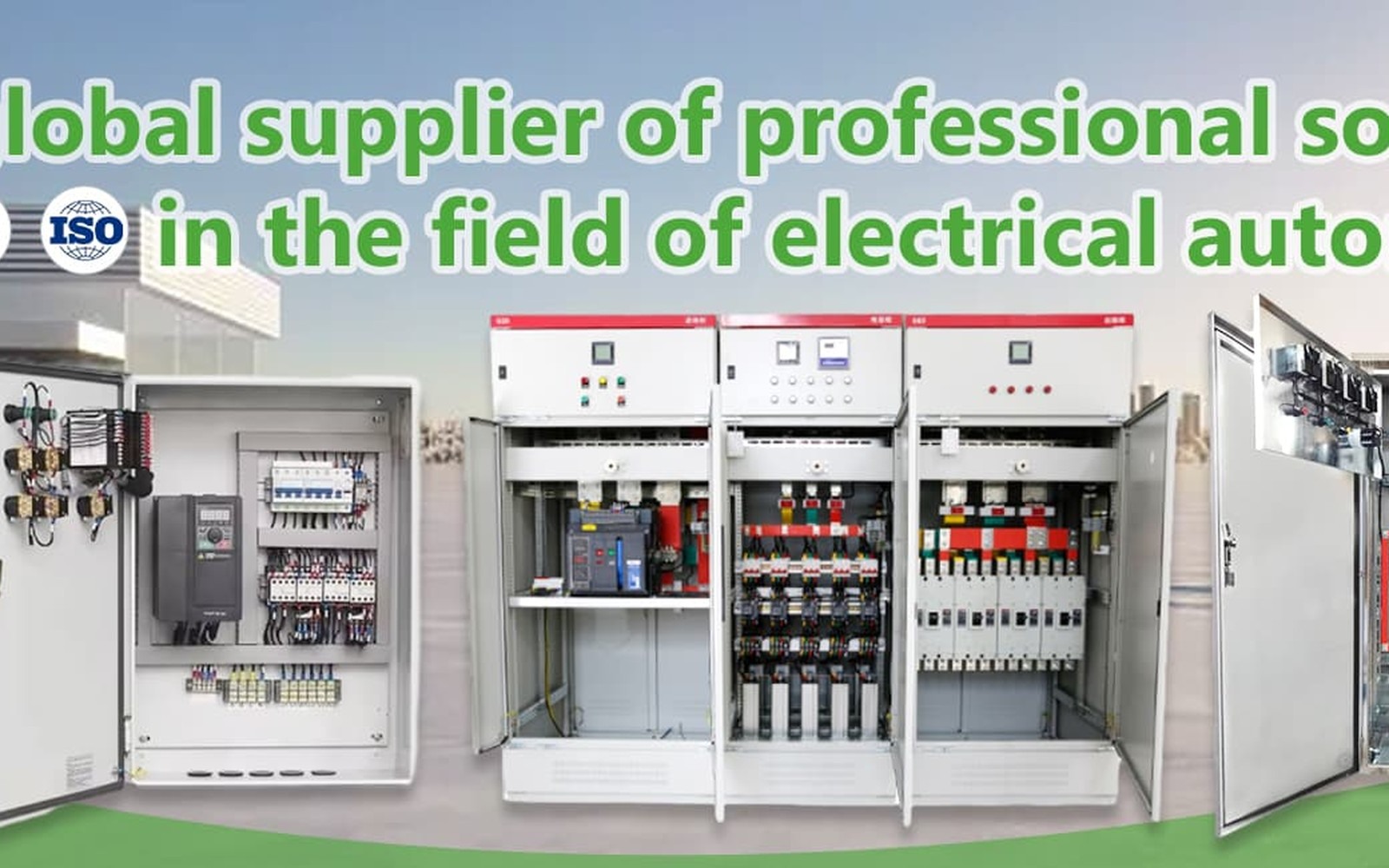
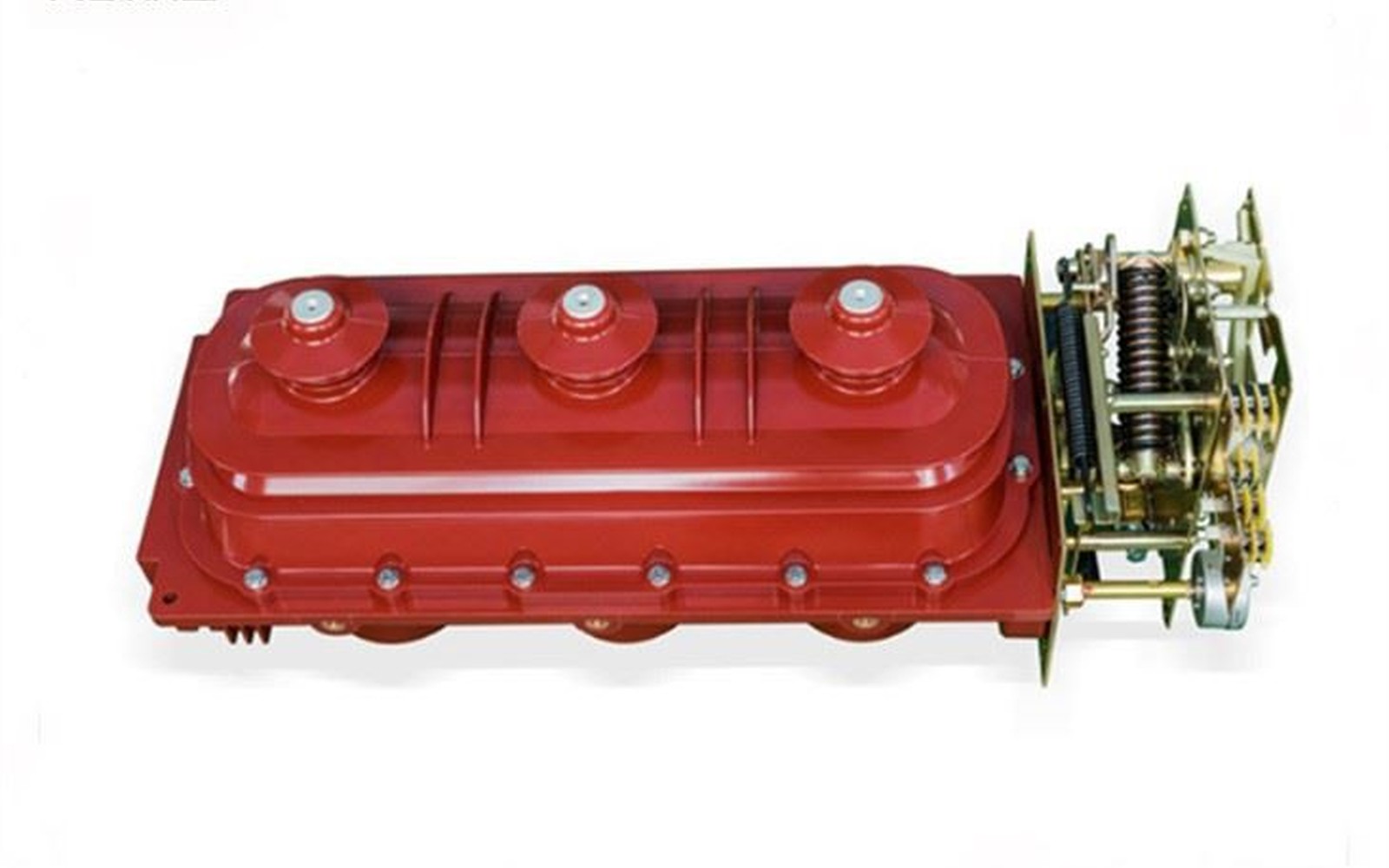
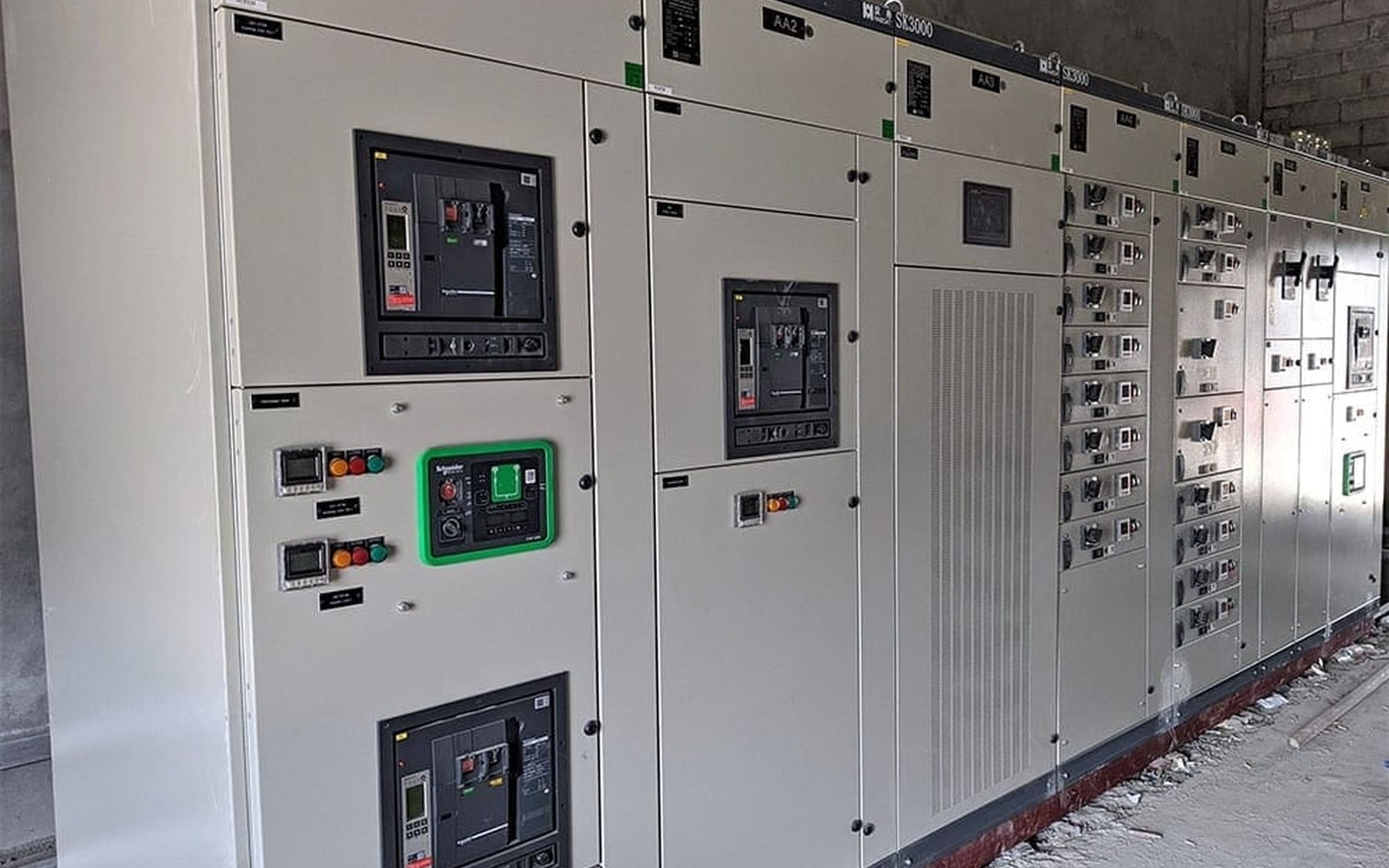
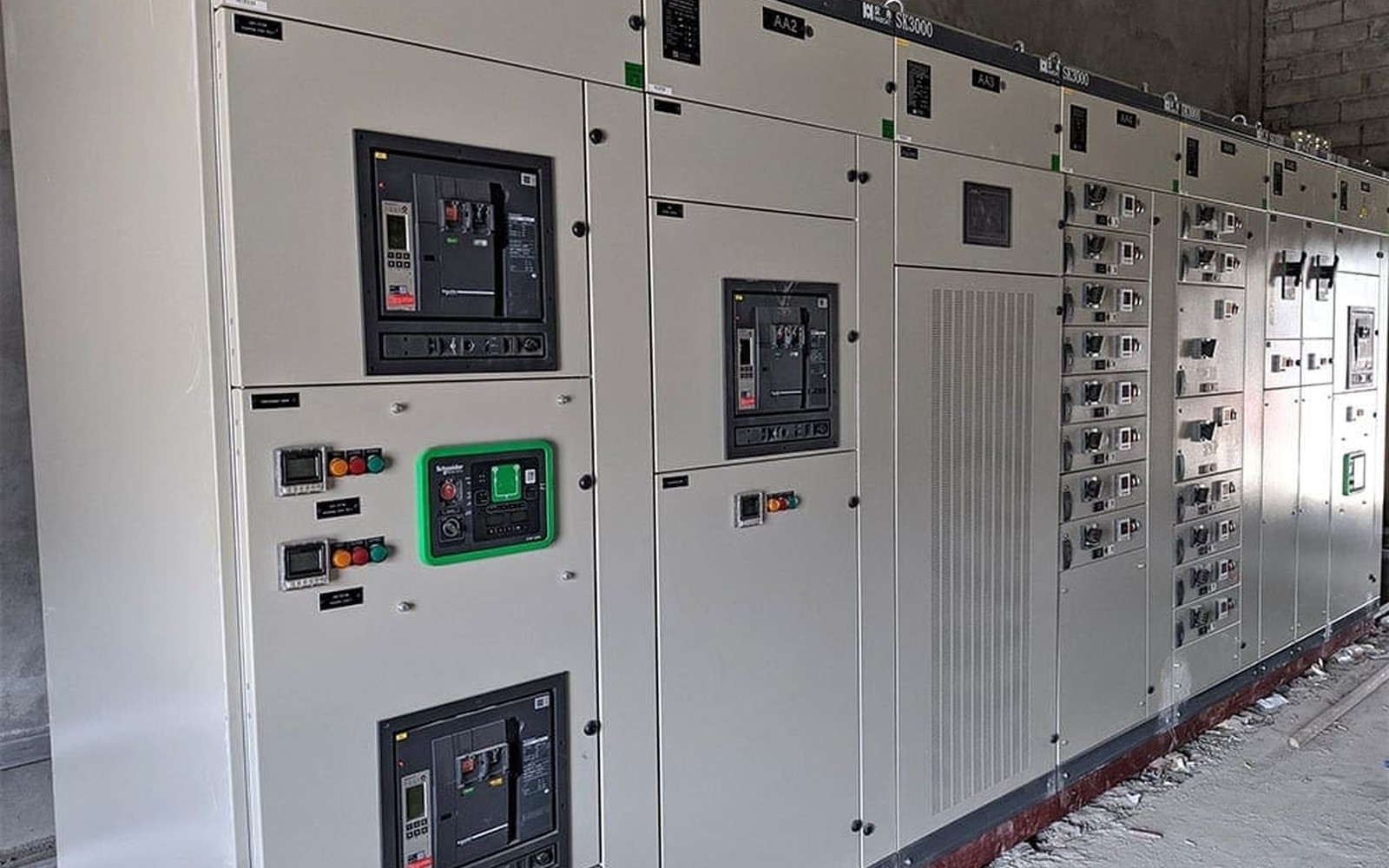
Petrochemical and refinery facilities along the Houston Ship Channel are among the most switchgear-intensive operations in the country. A single processing unit can contain dozens of medium-voltage motor control centers, multiple load break switches, and substation transformer assemblies serving the motor loads that run pumps, compressors, and separation equipment around the clock.
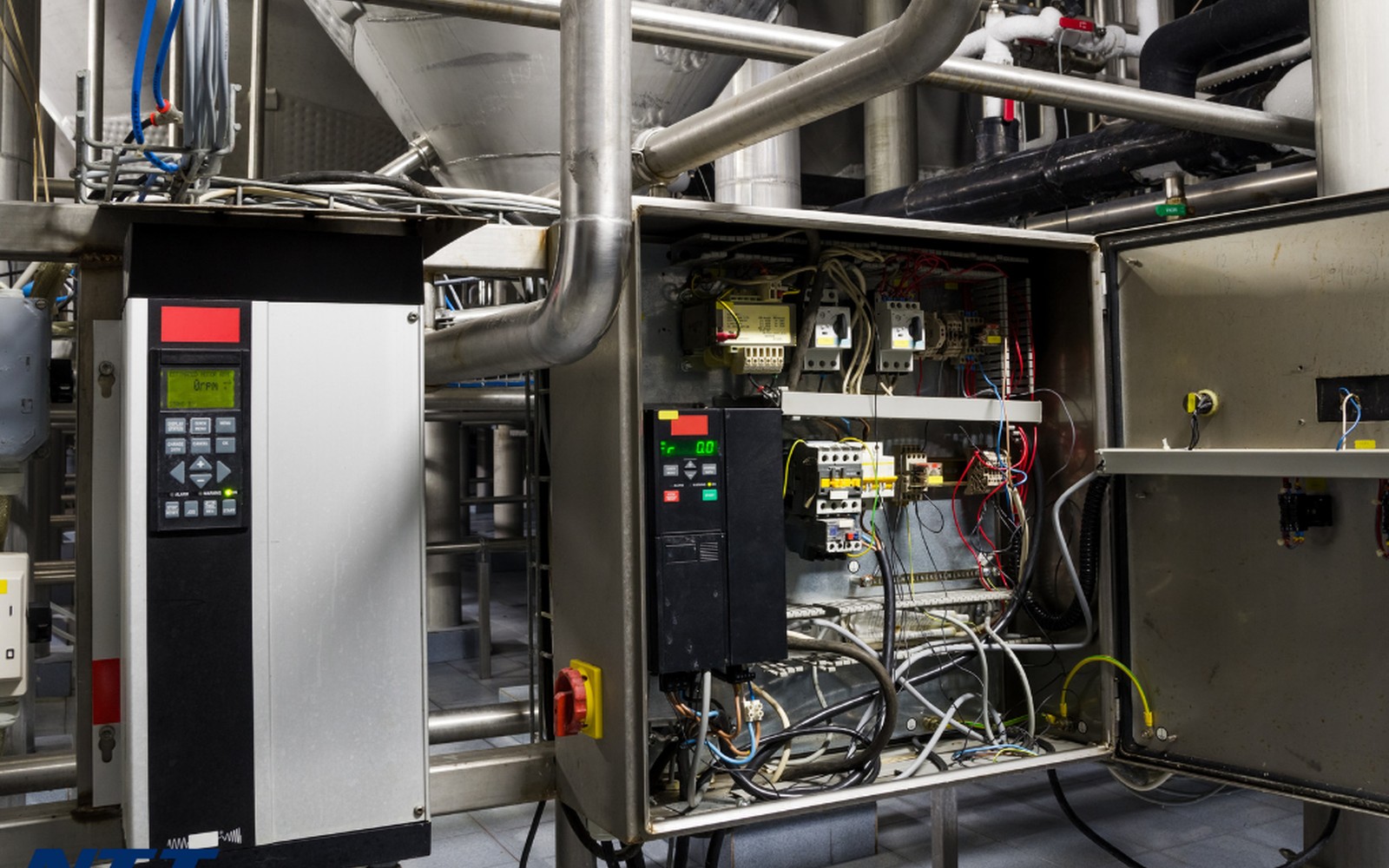
LNG and pipeline operations in the region use large variable frequency drives for compressor control, along with arc-resistant switchgear in areas where gas handling creates explosive atmosphere risks. These are expensive, specified assets that hold their value well and are excellent candidates for equipment financing.
Beyond the energy sector, Houston's medical center complex, one of the largest in the world, runs continuous electrical infrastructure upgrades. Hospital facilities teams managing healthcare facility power systems need reliable gear replacement and upgrade financing that does not require a six-month capital budget process.
Commercial development in the Galleria corridor, Energy Corridor, and Greenway Plaza submarkets feeds steady switchboard and panelboard financing volume from general contractors and electrical subs working tenant improvements and new construction.
For Houston-area contractors managing the transition from traditional oil and gas project work to renewable energy and data center infrastructure, equipment financing covers both sides. The same process that works for an arc-resistant switchgear package at a refinery works for a paralleling switchgear assembly at a data center. Different specifications, same financing approach. DFW contractors working across both metros access the same process and lender relationships.
Why Houston Buyers Finance Switchgear
Capital allocation in Houston's energy sector is cyclical. When commodity prices support aggressive capital spending, projects move fast and financing speed matters. When margins are tighter, preserving working capital through equipment financing rather than purchasing outright matters even more. In both cases, equipment financing makes sense.
For contractors working in hazardous locations, arc-resistant and explosion-proof gear specifications drive project costs well above standard commercial work. A single arc-resistant switchgear assembly for a refinery application can run $300,000 to $500,000 or more. That is precisely the range where financing preserves cash for the next mobilization rather than concentrating it in a single asset.
Arc-resistant switchgear and explosion-qualified gear can be harder to source used, making new-equipment financing the standard approach. We work with the major manufacturers' lead times and can structure progress payments through the production cycle when needed.
Refinancing And Sale-Leaseback In The Energy Sector
Energy sector operators and EPC contractors with substantial installed equipment equity can access that capital through a Sale-Leaseback Financing structure. This is common when a project completes, the asset is installed and in service, and the owner needs capital for the next project before the first one is fully invoiced out.
A cash-out refinance on existing switchgear infrastructure serves the same purpose with slightly different mechanics. If you have a transformer bank or MCC installation that your company owns outright, that equity is available to deploy without selling the asset or disrupting operations. We have done these transactions for Houston-area energy service companies and can move quickly on assets we recognize.
Documentation And Credit For Houston Transactions
Application plus three months of business bank statements for transactions to $400,000. Larger transactions add tax returns and may require interim financials. Energy sector companies with strong contract backlog but lumpy cash flow are common in this market, and we underwrite that profile routinely. A company with $2 million in signed contracts and a six-month cash flow trough is a different file than a company with no backlog and the same bank balance.
B and C credit borrowers can access equipment financing for challenged credit through specialty lenders who weight asset quality and cash flow more than credit scores. The terms are different from investment-grade, but the transactions close and the projects proceed.
Who Uses Equipment Financing In Houston
EPC contractors working the petrochemical and refinery corridor along the Ship Channel carry some of the largest electrical equipment purchase orders in the industry. A single grassroots or revamp project at a refinery can involve $1 million to $3 million in switchgear, MCC, and transformer equipment alone. Financing that scope protects the contractor's working capital through the entire engineering, procurement, and construction cycle, which often runs 18 to 24 months on major projects.
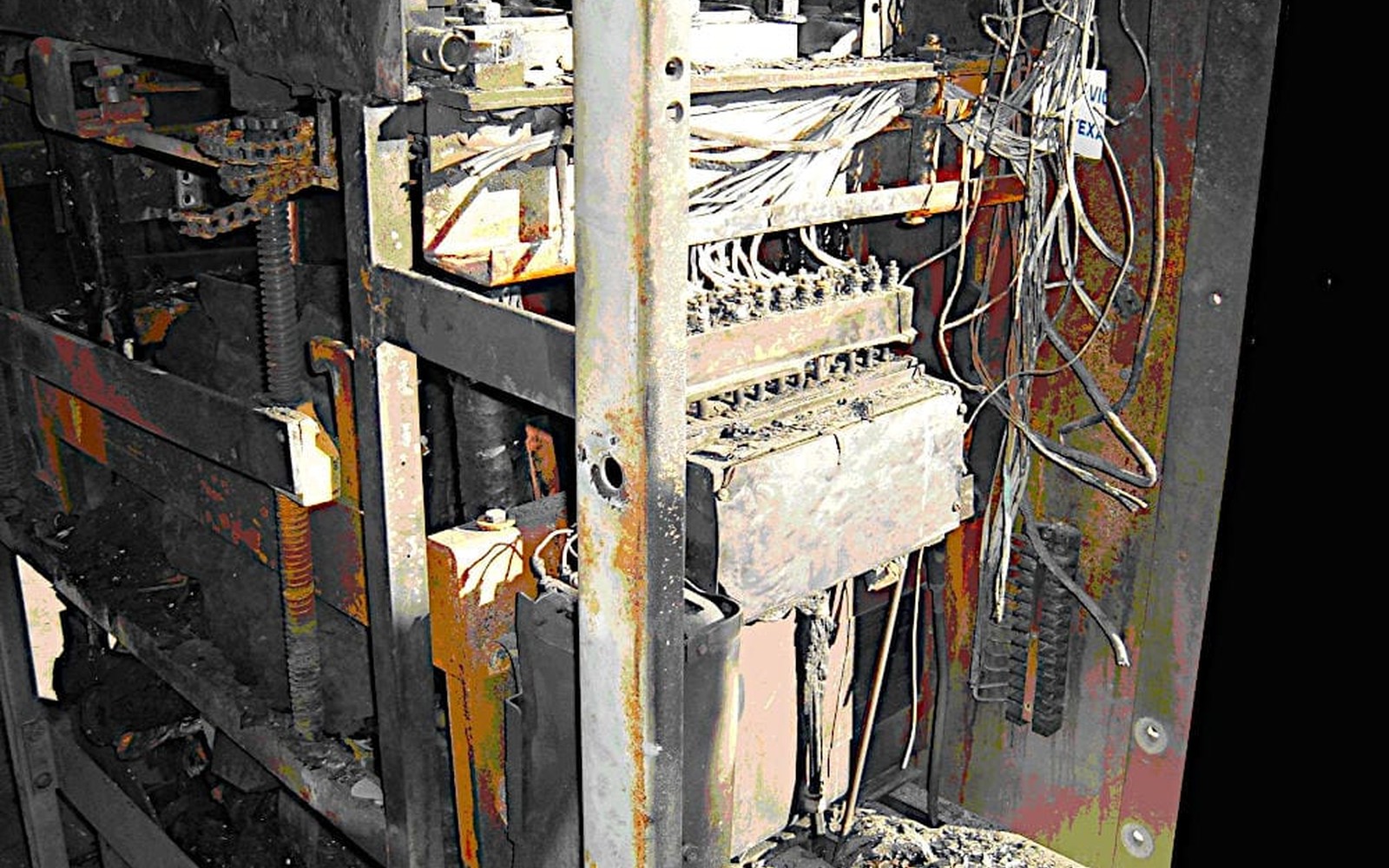
Industrial owner-operators managing capital projects at their own facilities use financing when the project does not fit the capital budget cycle. A major switchgear replacement at a chemical plant that fails an infrared inspection cannot wait six months for budget approval. Equipment financing closes in two weeks and keeps the facility safe and compliant. Petrochemical and refinery operators deal with this situation regularly.
Houston's growing medical center complex generates steady electrical infrastructure demand from hospitals, research facilities, and medical office buildings expanding their capacity. Healthcare facilities teams managing electrical upgrades to meet patient load growth or building code requirements find equipment financing faster than institutional capital budget processes for equipment-specific purchases.
Commercial and mixed-use developers in the Galleria, Midtown, and Energy Corridor submarkets use financing for electrical infrastructure tied to new construction and building upgrades. Commercial real estate electrical scopes can easily reach $200,000 to $500,000 on a mid-size project, well within the application-only threshold and a natural fit for equipment financing.
Finance Your Houston Electrical Project
$50,000 minimum. Most transactions close in one to two weeks. Application-only to $400,000. Send us your project scope and we will outline options that fit your timeline and budget.
Price This Switchgear Financing Package
Send the quote, seller, lead time, deposit requirement, project location, and the electrical package scope. We will review the structure around the purchase schedule.
Review Switchgear TermsCommon Questions on Switchgear Financing in Houston, TX
Straight answers before you send the equipment file.
Can I finance arc-resistant switchgear specified for a hazardous location refinery application?
Yes. Arc-resistant and hazardous-location-rated gear is financed the same as standard commercial equipment. The specification level affects cost but not eligibility. We handle these transactions regularly in the Houston market.
My EPC firm is financing gear for a client who has not paid our last invoice. Does receivables aging affect the application?
Lenders look at your overall cash flow and bank history more than specific aging buckets. Slow-paying clients are a known feature of EPC and oilfield service work. We represent the file accurately and work with lenders who understand the industry.
Can I finance gear that will be installed offshore or on a platform?
Offshore installations are evaluated on a case-by-case basis. The collateral position is different for assets installed on a platform versus a land facility, and some lenders decline that exposure. We can tell you what is available before you commit to that structure.
What about financing a full modular E-house for a remote location?
Modular electrical buildings are strong candidates for financing. The whole assembly qualifies as a single asset. We have financed modular E-houses for remote compressor stations and processing facilities in Texas.
Is Section 179 deduction available on financed switchgear?
On a loan structure, yes. You own the asset and depreciation applies. On a lease, it depends on whether it is a capital lease or an operating lease. Your accountant should confirm, but we can explain the structure options and their tax implications at a general level.
Review The Switchgear Financing in Houston, TX Package
Send the equipment quote, seller, lead time, deposit schedule, and project location. The finance desk will review the package against the actual procurement calendar.