
Switchgear Equipment
Load Break Switch Financing
Load break switches control and isolate distribution feeders, and on a solar or wind project, they are part of the critical-path gear that has to be on-site before commissioning can start. The lead time is real. The schedule is fixed. Get the purchase order in before the window closes, and get financing in place to put that order in now.
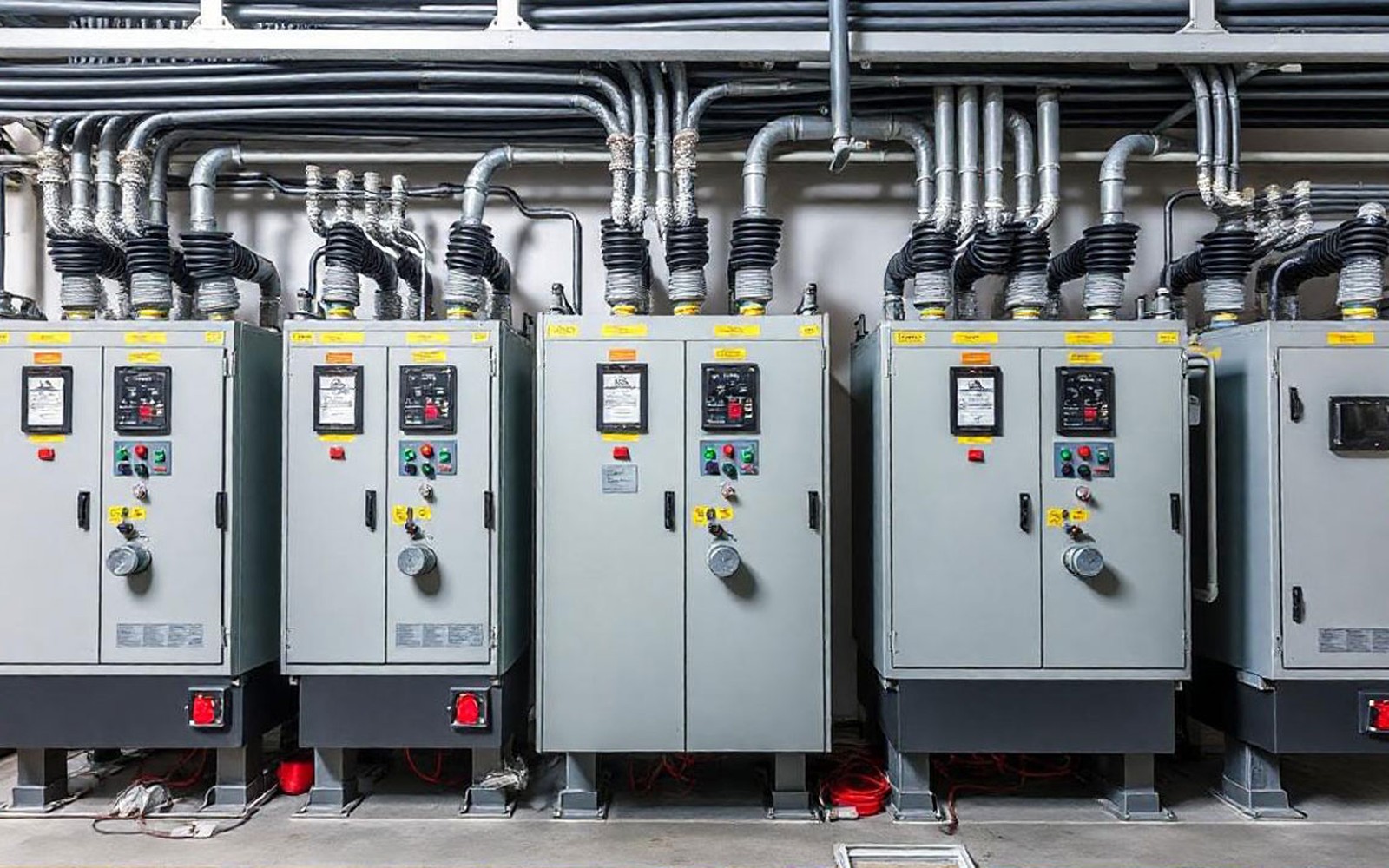
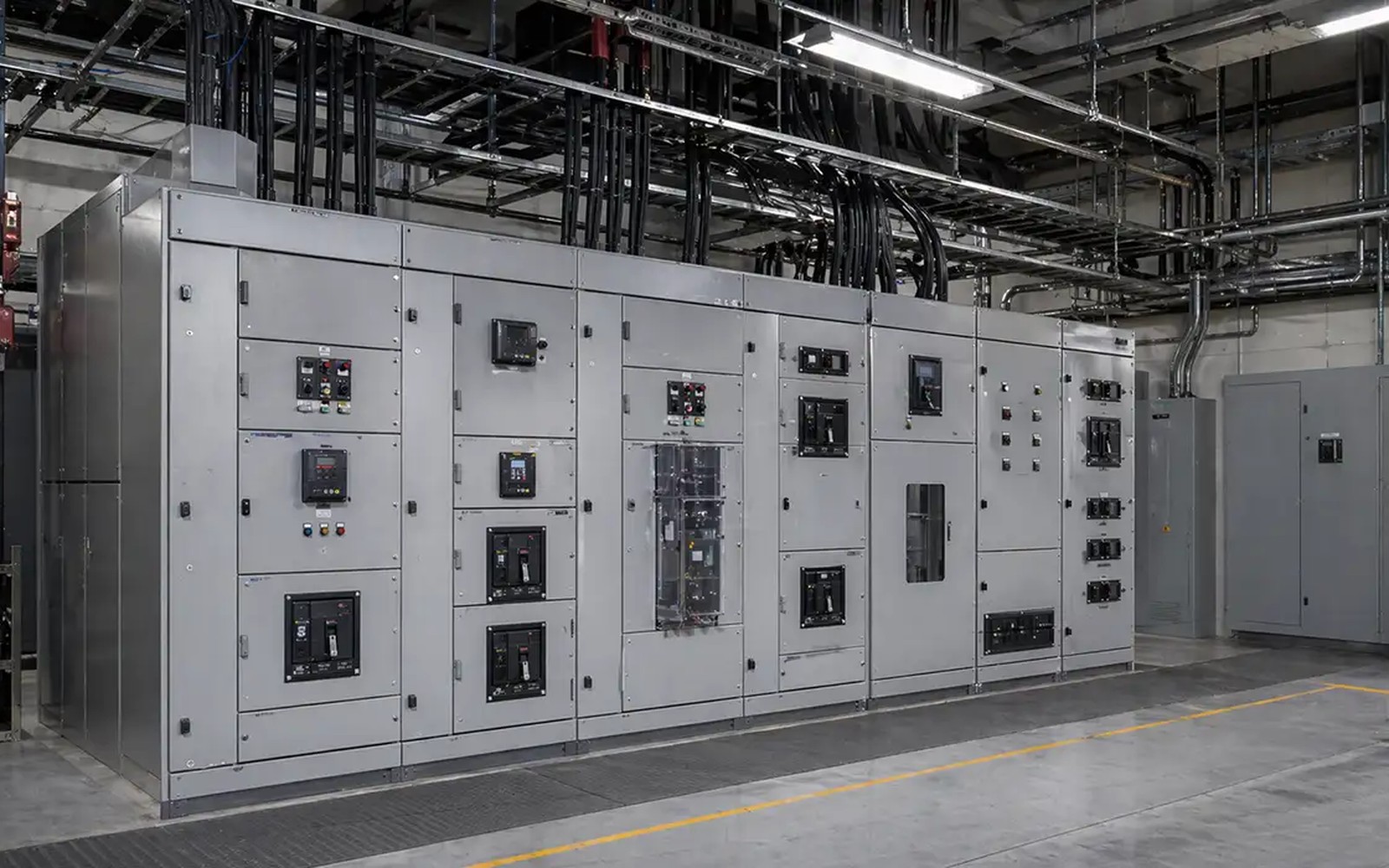
A load break switch is a disconnect device rated to interrupt load current, unlike a simple disconnect switch that can only be operated at no-load. They appear in pad-mounted switchgear enclosures, in loop-feed distribution systems, in renewable energy collector systems, and in utility feeder switching applications. Common voltage classes range from 15 kV to 38 kV, with ampere ratings typically from 200A to 600A continuous. Per-unit costs for pad-mounted three-phase units run from $25,000 to $80,000 depending on voltage class, interrupting rating, and whether the unit includes a recloser or sectionalizer function. Projects requiring multiple switches, such as a solar field collector ring, can reach $300,000 to $600,000 in total switch procurement cost, well within our application-only threshold of $400,000.
Types Of Load Break Switches We Finance
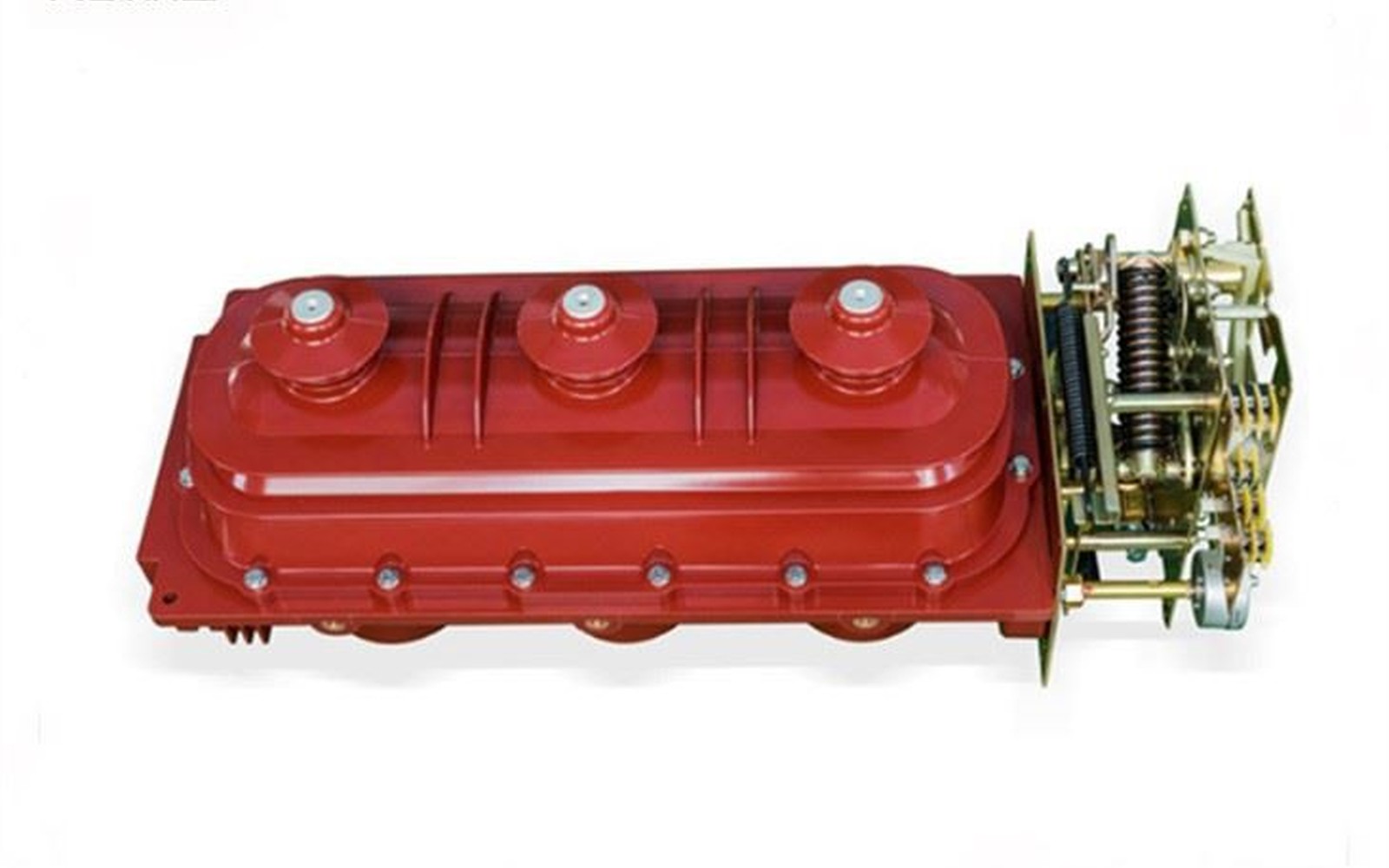
Pad-mounted load break switches are the most common configuration in utility and commercial-scale renewable applications. They sit in a tamper-resistant metal enclosure at grade, connected to underground cable, and allow utility crews or renewable energy operators to isolate feeders without climbing poles or entering vaults. The sealed, oil-insulated or solid-dielectric design requires minimal maintenance.
Submersible load break switches are designed for underground vault installations where the equipment may be exposed to flooding. They are common in urban distribution networks and in coastal or low-lying area installations where grade-level vaults carry water risk. Financing submersible units follows the same process as pad-mounted units.
Air-insulated load break switches, also called gang-operated or single-phase switches on distribution poles, are less commonly financed as standalone items because individual unit costs are lower. However, a batch procurement for a utility upgrade project can qualify when the total order value meets our minimum.
Automated load break switches, equipped with motor operators, remote terminal units, and communications capability, are the fast-growing segment. They enable distribution automation and fault isolation without physical crew dispatch. The automation package adds substantially to per-unit cost but also increases the asset's value as collateral because of its specificity and the operator's dependence on it for grid reliability. We finance automated load break switch packages the same way we finance basic mechanical units.
Common Buyers For Load Break Switch Financing
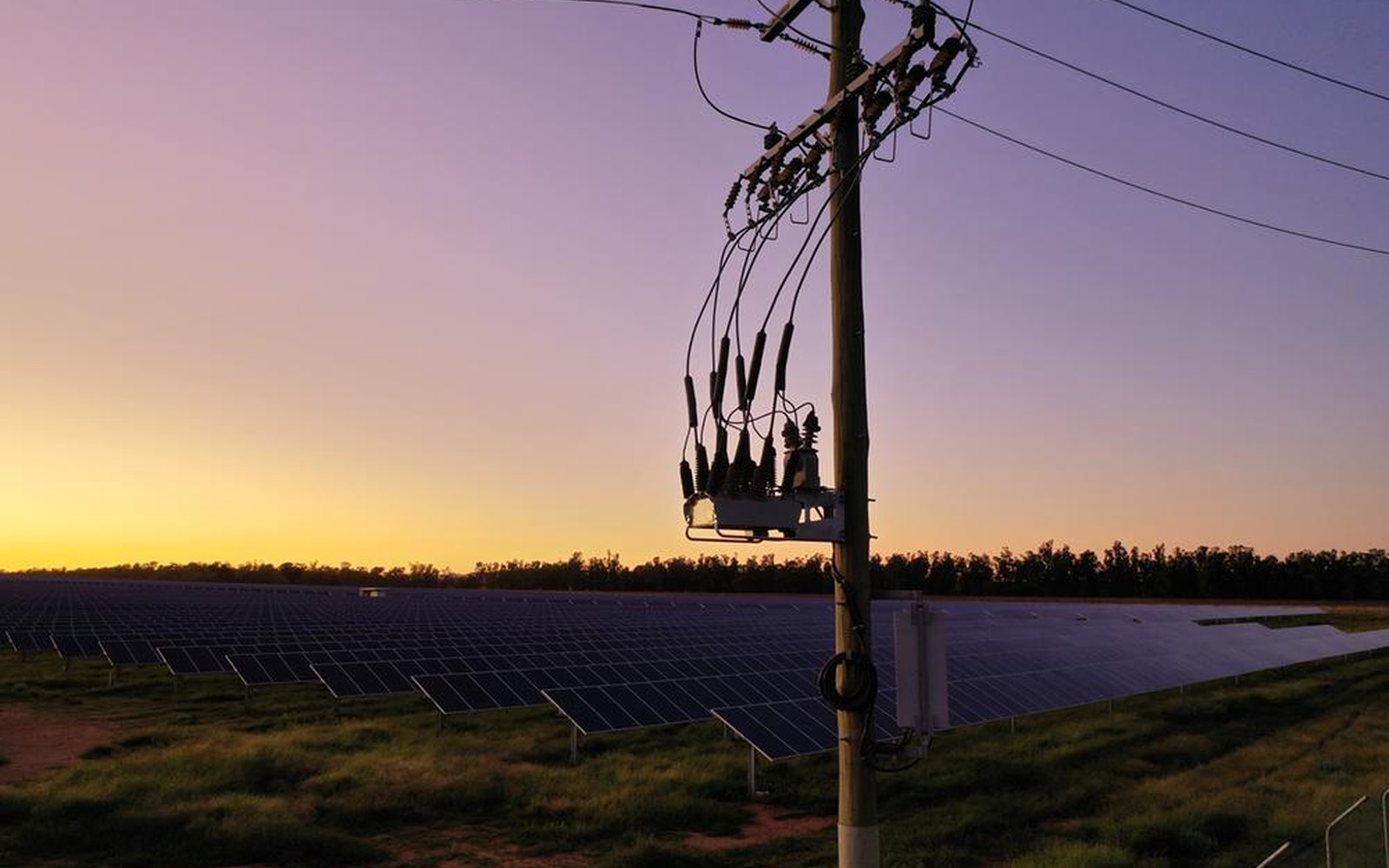
Renewable energy developers are the fastest-growing buyer segment for load break switches. Utility-scale solar and wind projects require load break switches at every collector feeder tap, at the substation integration point, and along the collector ring. A 100 MW solar project might require 20 to 50 pad-mounted switches, all with aligned delivery dates, all financed as a single package.
Electric utilities and rural cooperatives finance load break switches as part of system reliability and distribution automation programs. A cooperative upgrading its distribution system with automated sectionalizing switches can finance the equipment independently of its capital budget appropriation, which often moves on a calendar cycle that does not match equipment lead times.
Electrical contractors working on distribution system construction or utility interconnection projects also finance switch procurement directly, particularly on design-build contracts where the contractor is responsible for the equipment selection and procurement.
What You Need To Apply
For packages under $400,000, the process is application-only. Basic business information, the vendor quote or purchase order, and a brief description of the project are all that is required to get an underwriting decision. No tax returns, no financial statements at this level.
For larger packages, three months of bank statements and basic financial documentation round out the application. The project contract or interconnection agreement is valuable supporting documentation for renewable energy and utility deals because it confirms both the end use and the creditworthiness of the project.
B and C credit is reviewed on the full context. A small renewable energy developer or electrical contractor with uneven revenue history but a signed interconnection agreement and a strong project is a different risk than a bare application with no project context. Bring the documentation that tells the full story of the deal.
Procurement Timing On Distribution Projects
Load break switches for utility distribution and renewable energy projects are often the last items specified on the one-line diagram but among the first to face a long lead time. Pad-mounted switching equipment from major manufacturers can run eight to sixteen weeks from order to delivery on standard configurations, and automated units with motor operators and communications sometimes run longer. For a renewable energy project with a hard commissioning date tied to a power purchase agreement, missing the switch delivery window by a month can have financial consequences that dwarf the cost of the equipment itself.
The straightforward answer is to order early. Ordering early requires financing to be in place, because few buyers have idle capital sitting ready for switch procurement three months before the installation date. Application-only financing under $400,000 closes the gap: the credit decision comes in days, the funds are available in about two weeks, and the purchase order goes in while the project schedule still has room to absorb any delivery variation.
For data center campus projects that require feeder switching equipment as part of the utility service configuration, the same timing logic applies. The electrical construction schedule is on the critical path, and the switching equipment has to arrive before the pad and conduit work is complete, not after it. Financing removes the budget-approval delay from the procurement timeline and keeps the equipment on schedule with everything else.
Price This Switchgear Financing Package
Send the quote, seller, lead time, deposit requirement, project location, and the electrical package scope. We will review the structure around the purchase schedule.
Review Switchgear TermsCommon Questions on Load Break Switch Financing
Straight answers before you send the equipment file.
Can I finance load break switches along with the pad-mounted transformer they connect to?
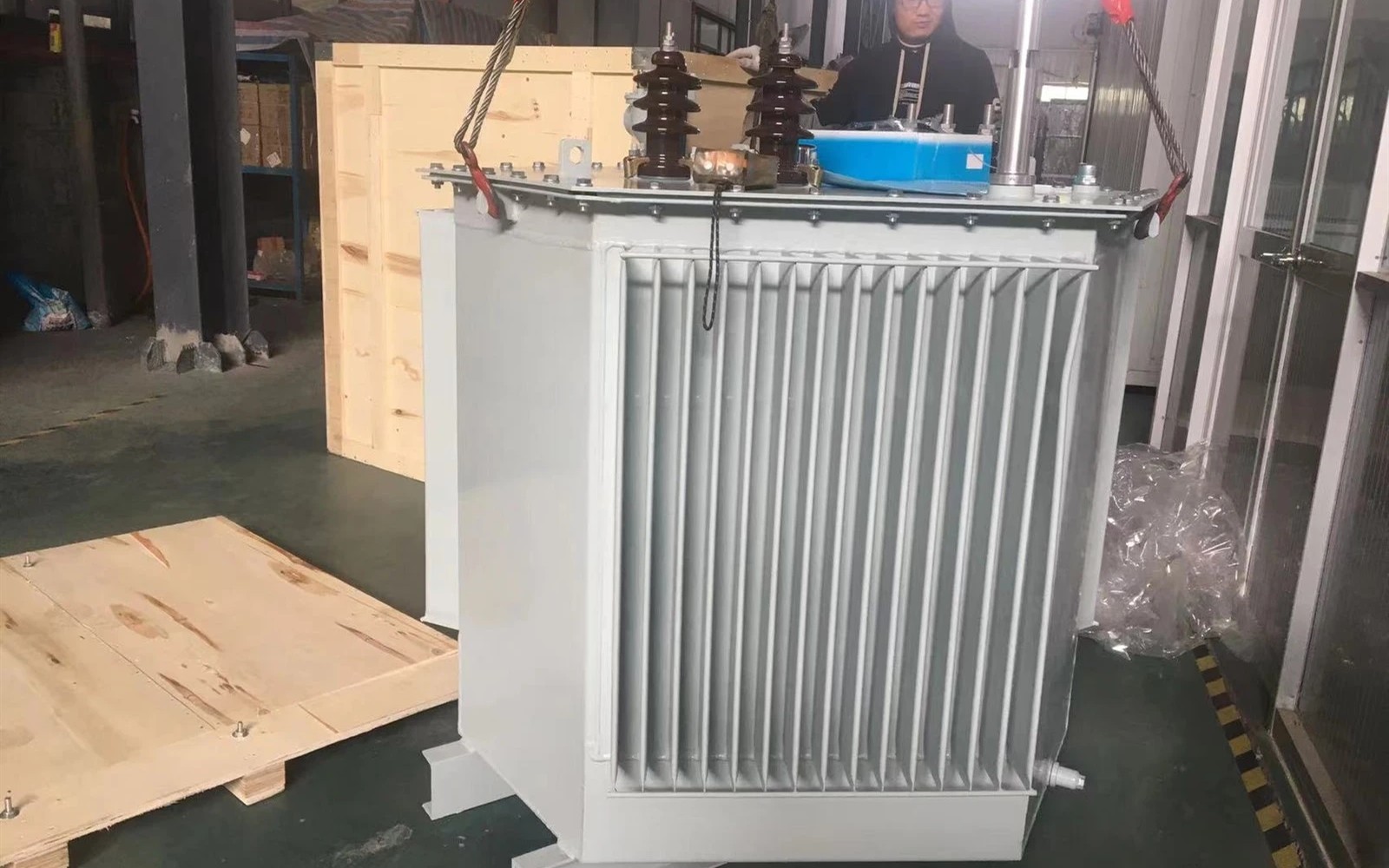
Yes. We routinely finance complete pad-mounted equipment packages including the transformer, load break switch, and secondary gear as a single deal. Bundling the package often simplifies the documentation and keeps the project procurement aligned.
My project is a solar farm and I need 30 identical load break switches. Can all 30 be on one application?
Yes. Large batch procurements are handled as a single financing request based on the total invoice. The number of units does not affect the structure.
I need switches with a motor operator for distribution automation. Does the automation equipment change the financing?
No. The automated version of the switch is financed the same way as the manual version. The per-unit cost is higher, which increases the total deal size, but the structure and process are identical.
My company is in the renewable energy development business and we do one to two projects per year. Does that work with equipment financing?
Project-based businesses are a normal part of our customer mix. A signed interconnection agreement or EPC contract provides the project context underwriters need. Annual revenue and time in business are reviewed alongside the project documentation.
Is there a difference in financing terms between oil-insulated and solid-dielectric switches?
Not meaningfully. Both configurations are recognized collateral. Solid-dielectric designs are increasingly preferred due to lower maintenance requirements, but oil-insulated units from established manufacturers are financed routinely.
Review The Load Break Switch Financing Package
Send the equipment quote, seller, lead time, deposit schedule, and project location. The finance desk will review the package against the actual procurement calendar.