

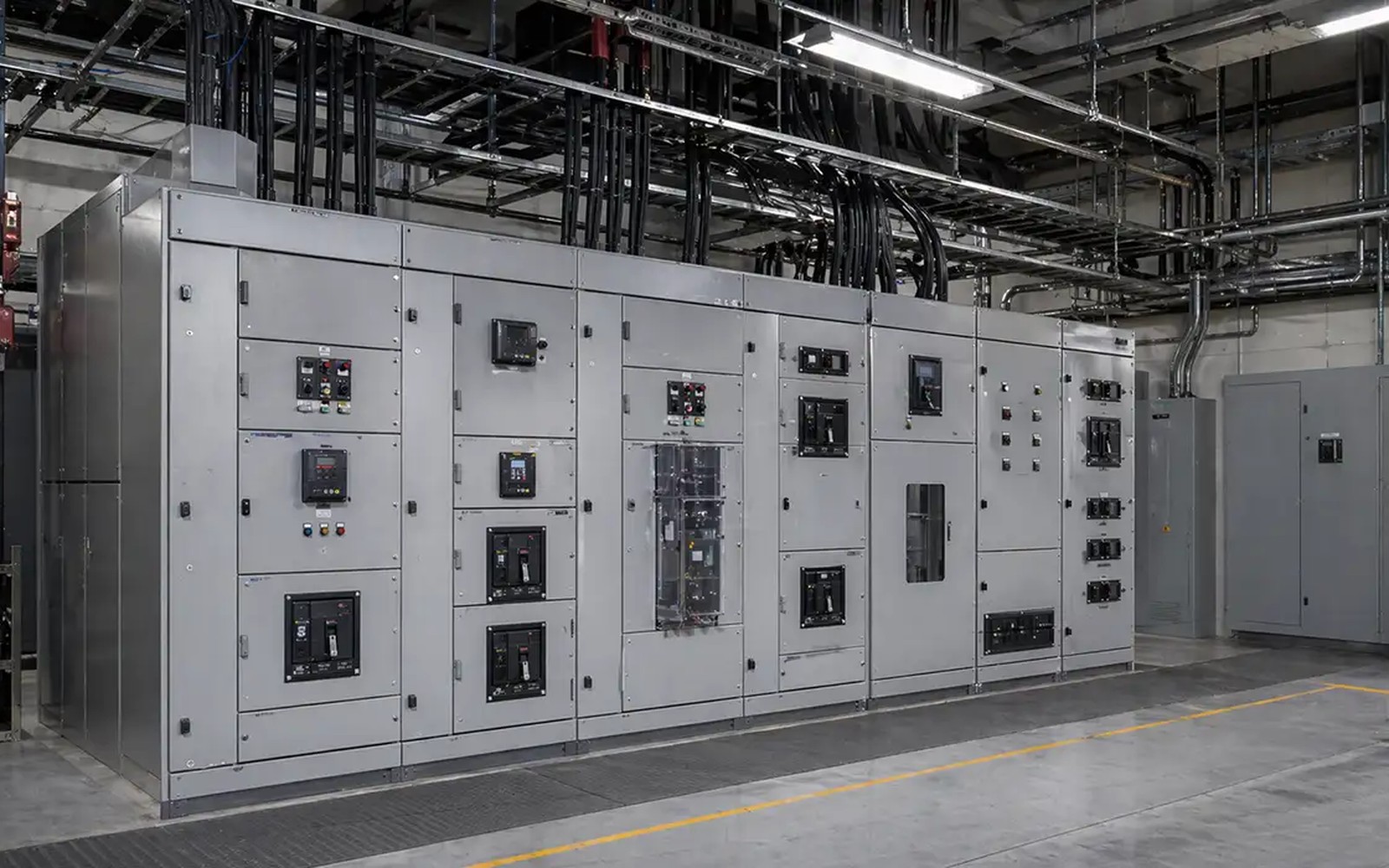
Switchgear Equipment
Busway & Bus Duct Financing
Busway runs from the substation or switchgear to the loads, and on a large project it is one of the bigger line items on the electrical budget. The runs are custom-fabricated to length, the delivery lead times are real, and the invoice lands before the conduit is even hung. Financing that closes fast enough to match the fabrication schedule is the point.
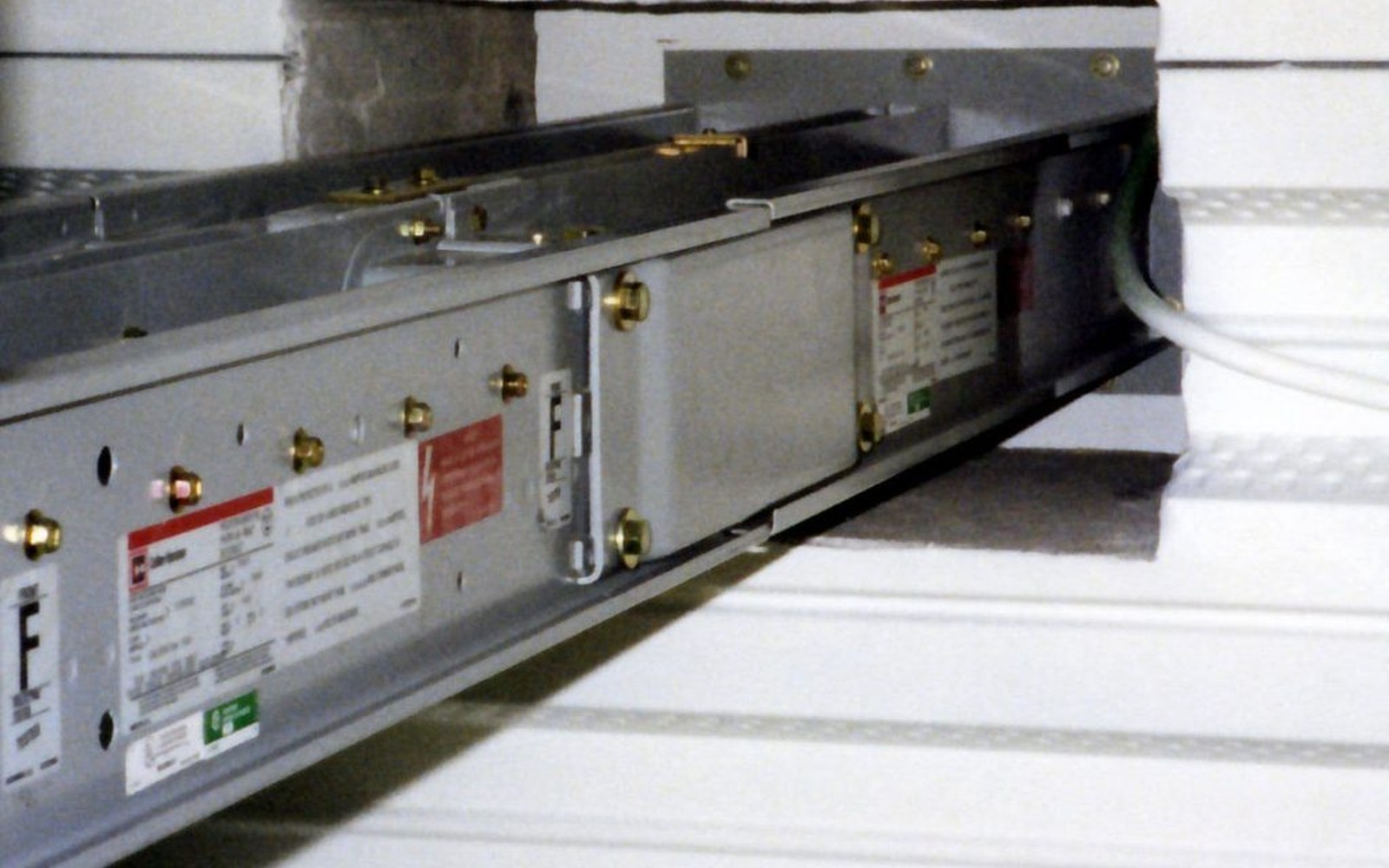
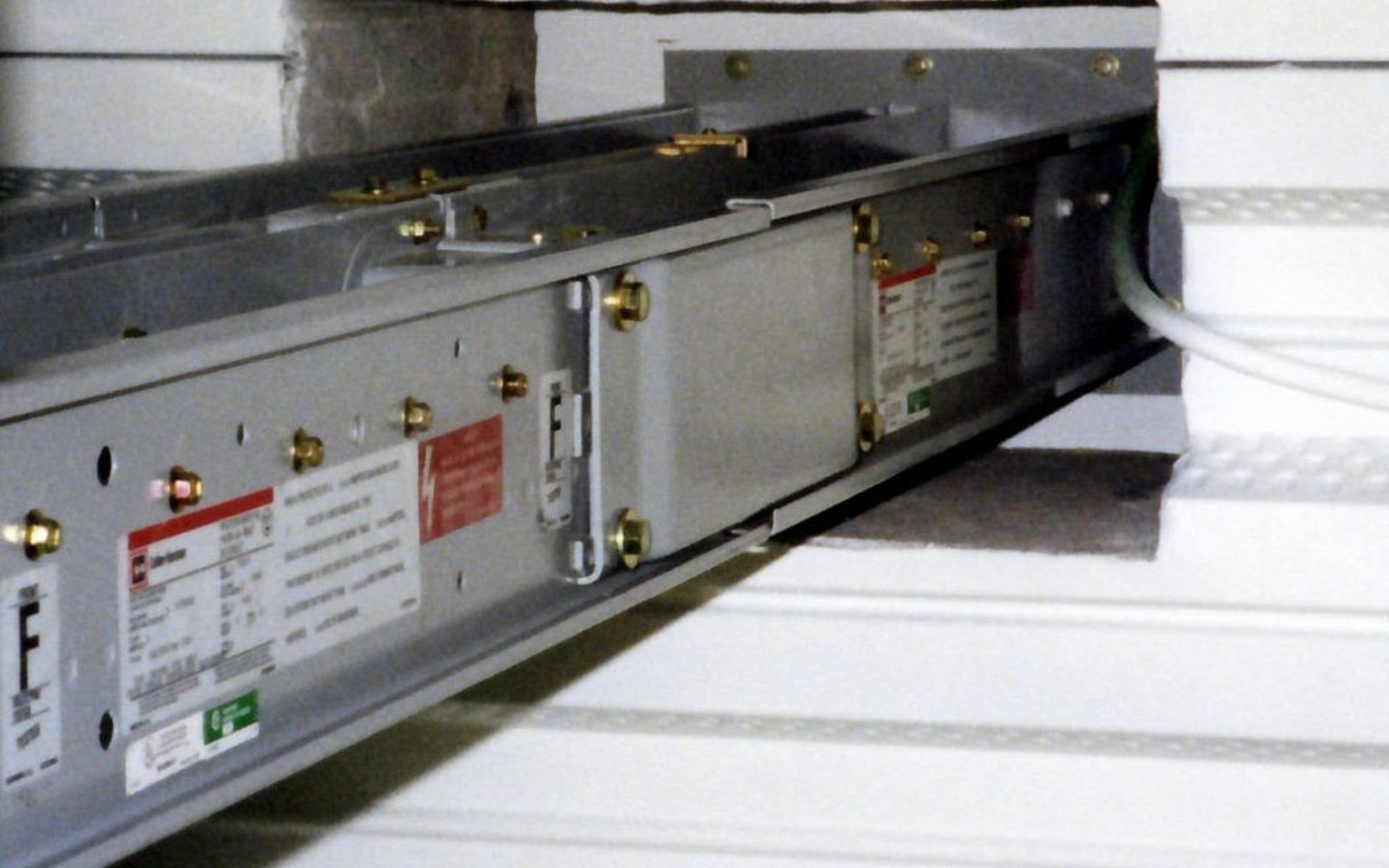
Busway systems, also called bus duct, are prefabricated conductors enclosed in a metal housing. They replace large parallel conduit-and-wire runs in applications where current requirements are high, typically above 800 amperes, and where installation labor savings or maintenance access justify the higher per-foot cost. A typical industrial busway installation serving a production floor might run from $75,000 to $300,000 in material cost alone. Data center overhead busway deployments can exceed that significantly, particularly in hyperscale or high-density co-location environments.
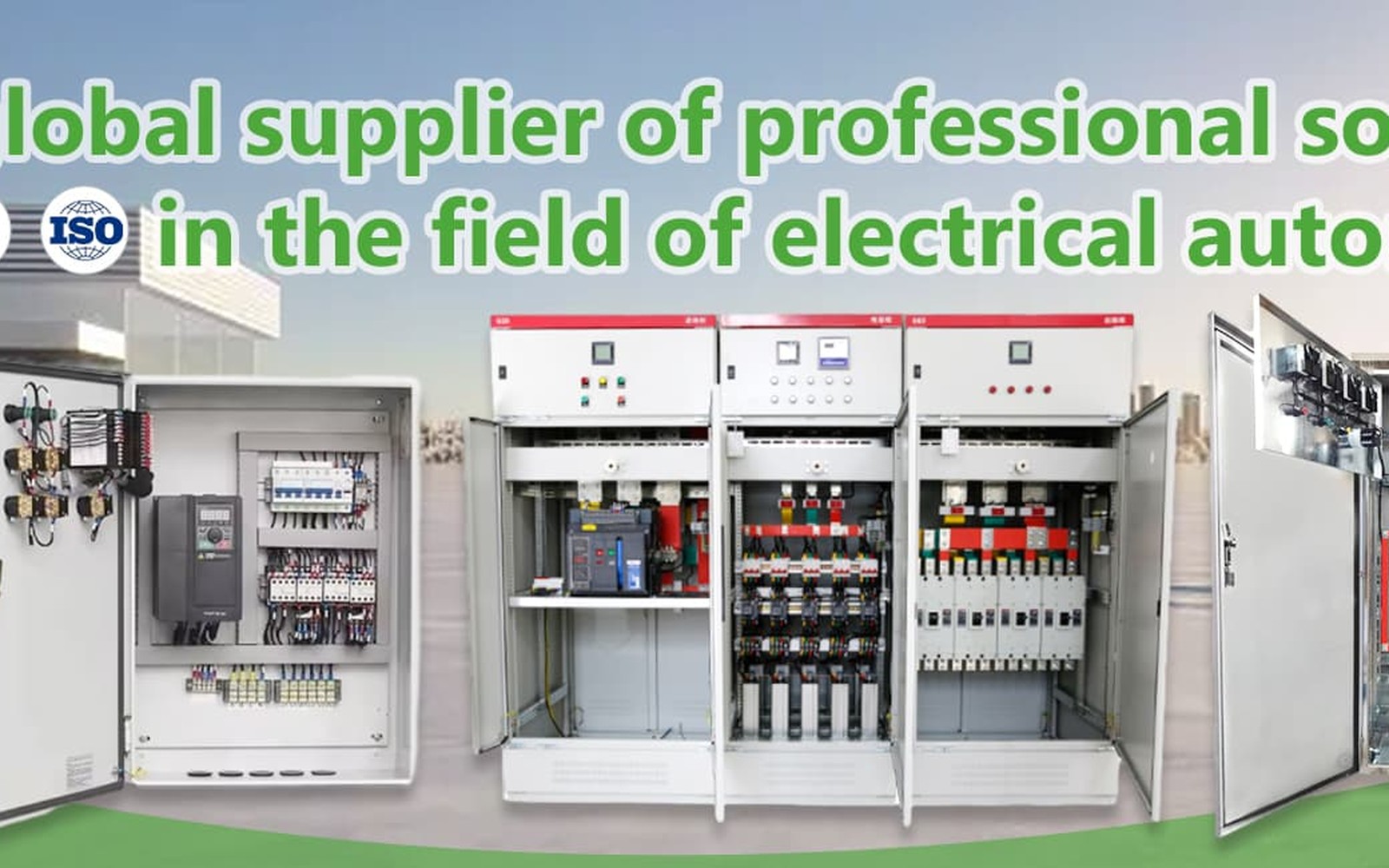
We finance busway systems as standalone equipment or as part of a larger electrical package that includes Switchboard Financing, power distribution units, and downstream motor control centers. The minimum is $50,000 and application-only processing is available up to $400,000.
Busway Types And Where Each Is Used
Feeder busway carries high current from a source to a distribution point with no intermediate tap-off. It is used in long runs from main switchgear to sub-panels or PDUs, and it is the most cost-effective approach when the current is high and the tap locations are few. Plug-in busway, by contrast, includes tap-off boxes at regular intervals along the run, making it ideal for factory floors where machine positions change and new loads need to be added without rewiring.
In data centers, overhead plug-in busway is the standard delivery mechanism for getting power from a floor-mounted PDU or from the facility switchgear to each row of cabinets. Each tap box drops a power whip to the top of a rack. This architecture lets operators provision and de-provision rack power without disrupting adjacent rows, which is a significant operational advantage over conduit-and-panel systems.
Trolley busway, a third type, is common in manufacturing environments where overhead cranes or welding cables need to move along a track while staying powered. The current ratings and enclosure ratings on trolley busway are different from standard plug-in bus duct, and we finance all three configurations.
The main specification variables that underwriters look at as collateral indicators are the bus amperage rating, the voltage class (typically 600V for most commercial and industrial applications), the enclosure type (indoor, outdoor, or weatherproof), and whether the busway includes a ground bus. Custom-length runs can sometimes complicate resale value assessment, but established brands like Eaton, Siemens, and GE maintain reasonable secondary markets.
Typical Buyers And Project Profiles
Electrical contractors are the most frequent applicants for busway financing. They purchase the material to install it on a project and carry the cost on their own credit until the owner funds. On a large commercial building project, that carry can run to six figures and last three to six months from order to payment. Financing bridges that gap at a cost that is usually recoverable in the project budget.
Industrial plant owners in manufacturing finance busway replacements when aging bus duct reaches end of service life. A plant that relies on overhead bus serving a stamping line or an assembly line cannot afford to defer the replacement until the bus fails. Planned financing makes the replacement a scheduled capital expense rather than an emergency spend.
Data center developers use busway financing as part of a broader critical-power package. The busway ties together the UPS output and the PDU inputs and is often one of the last electrical items to be ordered and one of the first to be installed in the raised-floor space. Getting the order placed on time requires financing to be in place before the construction schedule demands it.
Refinance And Sale-Leaseback Options
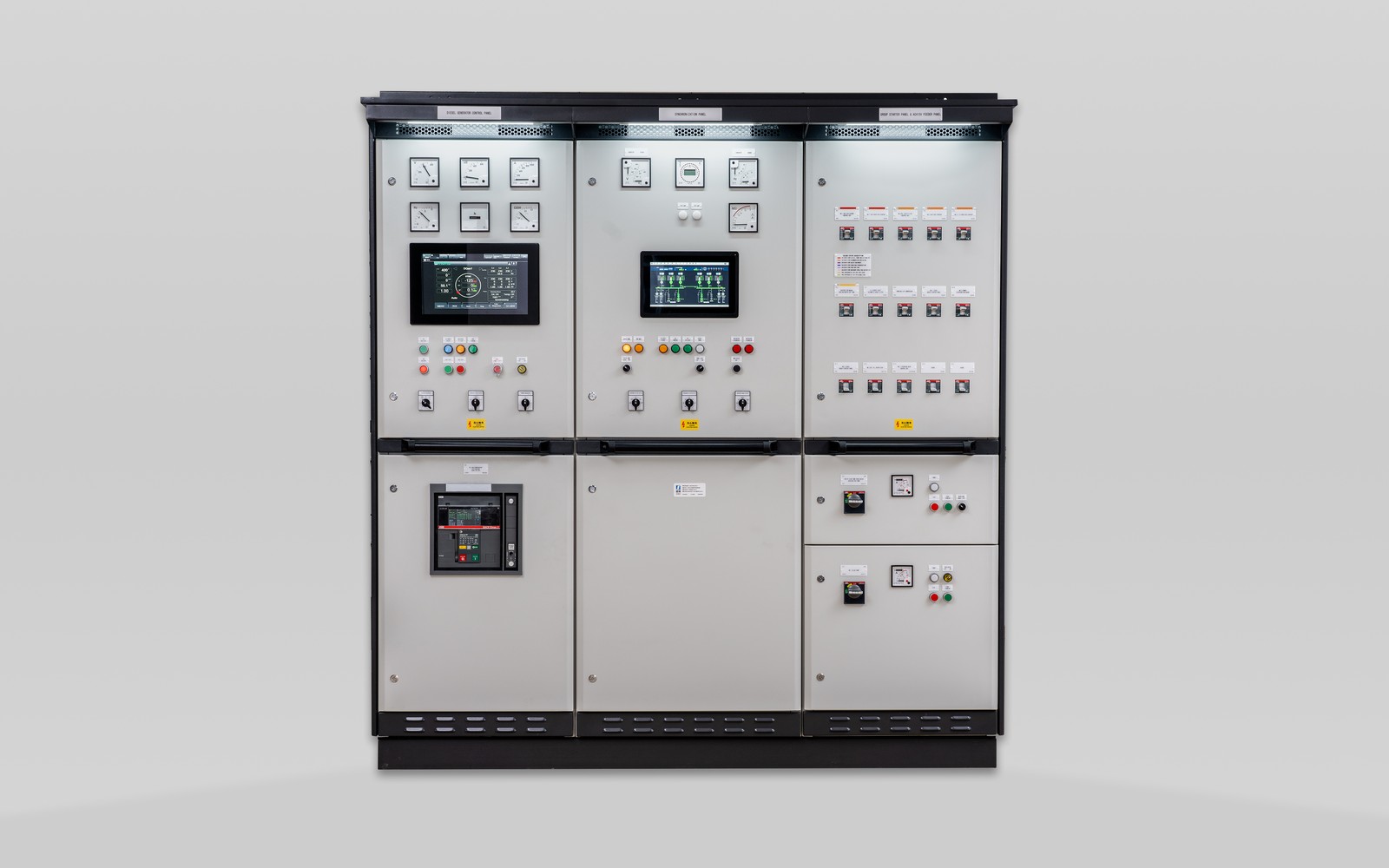
A busway system installed as part of a completed project can be refinanced if it was originally purchased with cash or a short-term credit line. Sale-leaseback works here the same way it does with switchgear or transformers: the lender purchases the installed system at fair market value, you receive cash, and the equipment stays in place under a lease or loan.
The value assessment on installed busway takes into account the replacement cost, the ampacity and configuration, and any recent installation documentation. Lenders who specialize in electrical equipment understand that installed busway has real value even though it looks permanent, because it can be removed and reused if the facility is repurposed.
Refinancing to free up working capital is a reasonable move for contractors who have finished a project and are waiting on retainage. The busway is already in the ground or overhead; the cash locked in it can be put to work on the next job.

Price This Switchgear Financing Package
Send the quote, seller, lead time, deposit requirement, project location, and the electrical package scope. We will review the structure around the purchase schedule.
Review Switchgear TermsCommon Questions on Busway & Bus Duct Financing
Straight answers before you send the equipment file.
Can I finance busway together with the switchgear it connects to in a single application?
Yes. We routinely bundle electrical equipment packages, including switchgear, busway, and distribution gear, into a single financing request. One application, one set of documents, one approval.
The busway I need is custom-fabricated to fit a specific building layout. Does that affect financing?
Custom fabrication does factor into the collateral assessment, since custom runs are harder to repurpose than standard sections. However, established-brand custom busway from major manufacturers still qualifies. The invoice and the fabrication specification support the collateral review.
I am replacing 30-year-old bus duct with a modern system. Can I refinance the old gear out and use the proceeds for the new installation?
If the old gear has remaining value, a cash-out refinance is possible. More commonly, you would simply finance the new busway purchase and use the proceeds to fund the replacement project. The old gear is typically decommissioned or sold for scrap as part of the replacement.
Does outdoor-rated busway qualify, or only indoor installations?
Both qualify. Outdoor and weatherproof busway systems carry the same eligibility as indoor runs. The enclosure rating is a specification detail, not a financing barrier.
I run a small electrical contracting firm and my business is three years old. Can I apply?
Three years in business is a solid foundation for an application. Time in business, revenue, and the strength of the deal all factor into the review. Apply and we will show you what is available.
Can I include installation labor in the financed amount?
Some programs allow soft costs, including installation labor, up to a percentage of the total financed amount. This varies by lender and deal size. Ask about soft cost inclusion when you apply and we will match you with a program that accommodates it.
Review The Busway & Bus Duct Financing Package
Send the equipment quote, seller, lead time, deposit schedule, and project location. The finance desk will review the package against the actual procurement calendar.