
Switchgear Equipment
Modular E-House Switchgear Financing
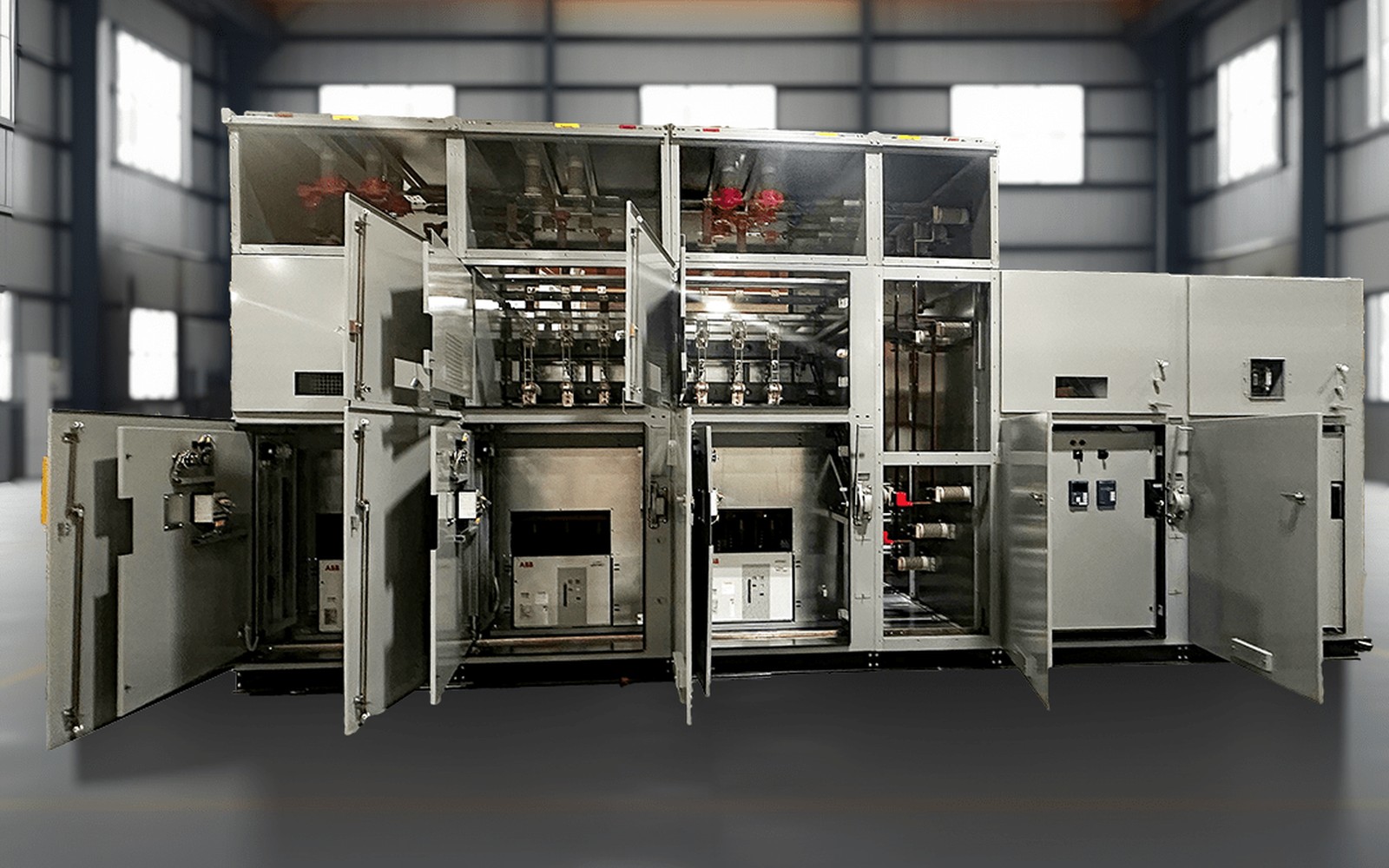
A modular E-house delivers a complete electrical room on a skid. The switchgear, transformers, protection relays, and auxiliary systems are installed and factory-tested before the unit ships to site. When it arrives, the site crew connects feeders and control cables to pre-wired termination points, and the electrical room is effectively ready to commission without weeks of field wiring and installation. For remote sites, tight timelines, or projects that cannot wait for a building to be constructed first, the E-house approach changes the schedule math significantly.
E-house switchgear packages range from compact single-transformer portable substations to multi-section MV lineups with full relay protection, SCADA integration, climate control, lighting, and fire suppression, all assembled in a structural steel enclosure designed for crane lifting and truck transport. The cost of a complete E-house package starts at a few hundred thousand dollars for a basic unit and climbs to several million for a fully equipped substation building.
We finance modular E-house switchgear for oil and gas operators, mining companies, data center developers, and remote industrial project owners. Application-only financing covers transactions up to approximately $400,000. Larger packages add bank statements and standard credit documentation. Funding typically closes in one to two weeks on complete files.
Who Uses E-House Switchgear
E-house switchgear financing is concentrated in industries that either operate in remote locations, need to compress field installation schedules, or move electrical infrastructure between sites over the life of a project.
Oil, gas, and petrochemical operators were the original development market for E-house technology. A wellpad, a compressor station, or a midstream pump station in a remote location benefits enormously from factory-built, factory-tested electrical rooms that arrive nearly ready to energize. Oil, gas, and petrochemical operators frequently specify E-houses as standard for any facility where field construction labor is expensive or constrained.
Mining and materials operations use E-houses at open-pit and underground mine sites where the electrical infrastructure needs to move as the mining face advances or where the site is in a jurisdiction with limited skilled electrical labor. Mining and materials projects in remote locations make the factory-built approach especially cost-effective.
Data center developers building rapid-deployment or temporary data center capacity use modular E-houses to accelerate power infrastructure commissioning. A prefabricated power module that arrives with switchgear, transformer, and UPS already installed and tested cuts weeks from the commissioning timeline. Data centers competing on time-to-rack often evaluate E-house power modules as a schedule tool.
Renewable energy and solar developers building collection system substations frequently use E-house formats for the medium-voltage collection switchgear and step-up transformer package at each substation node in a large wind or solar project. Renewable energy and solar developers appreciate the predictable factory lead time and the reduced civil work scope on remote project sites.
What An E-House Package Typically Includes
E-house content varies by project and vendor, but a complete engineered package for an industrial or substation application typically includes several systems integrated into a single structural assembly.
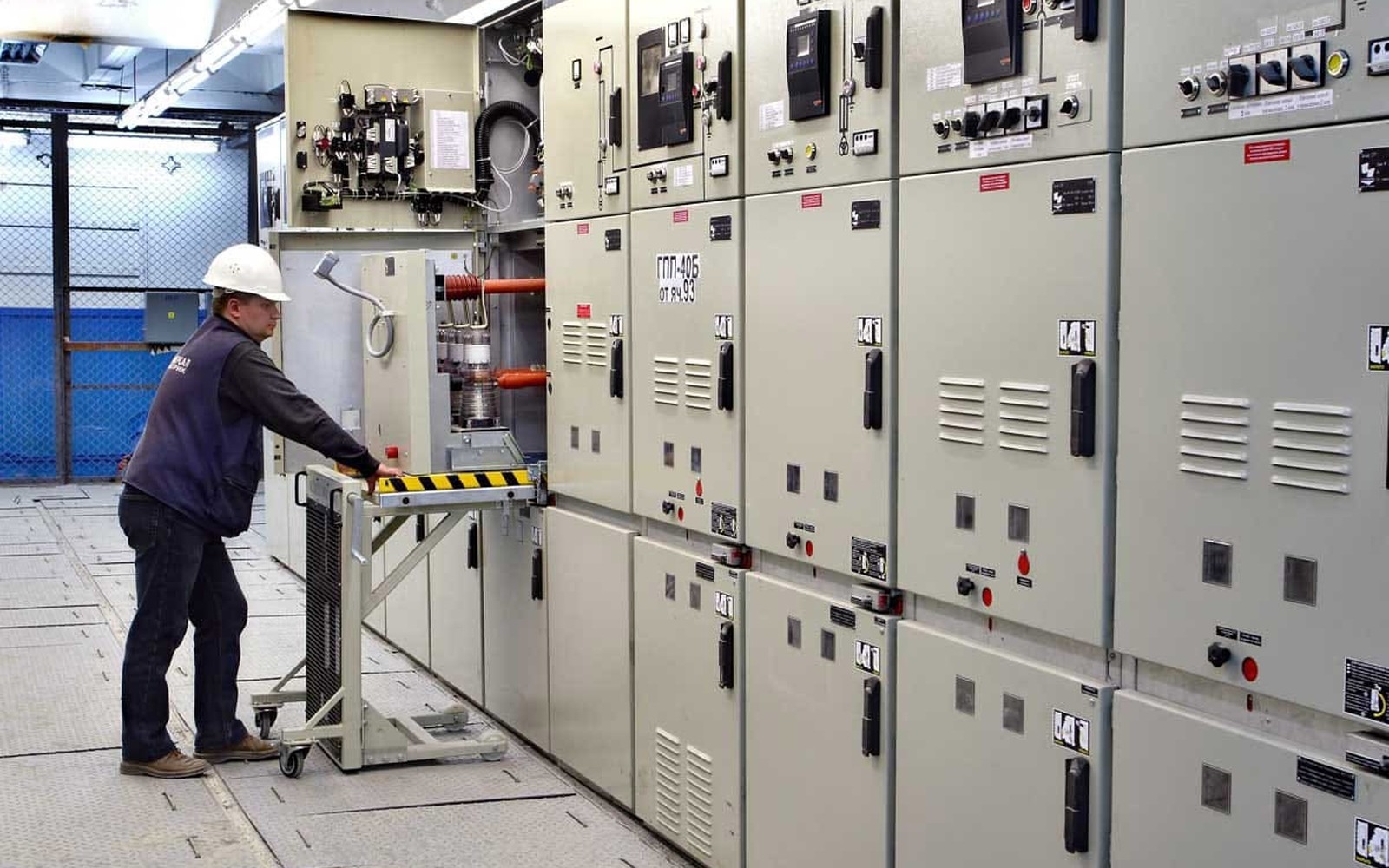
- Medium-voltage Switchgear, commonly metal-clad vacuum breaker sections sized for the facility's primary distribution requirements. See the metal-clad switchgear page for specifications on the MV equipment inside E-house assemblies.
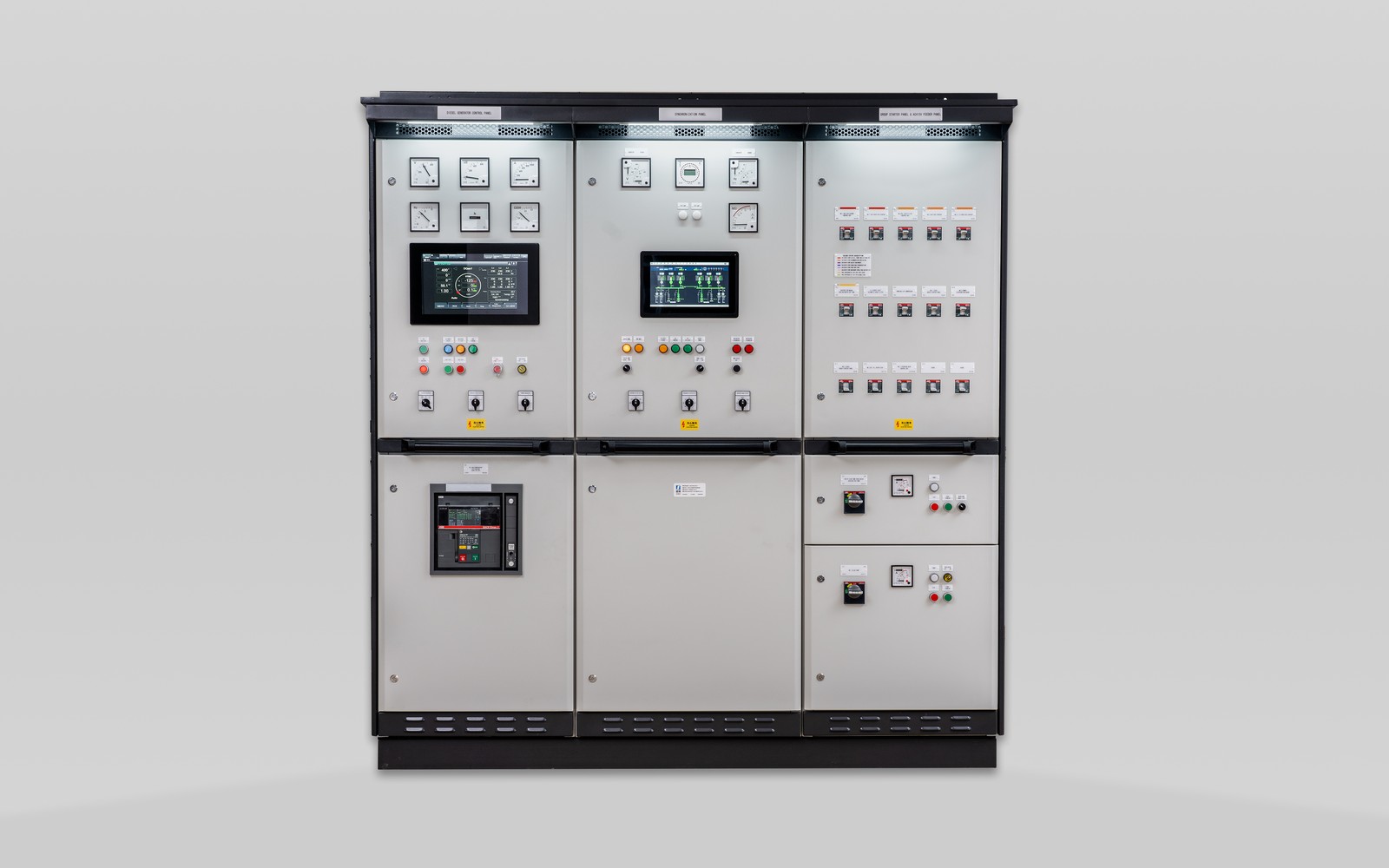
- Low-voltage Distribution via a main switchboard or panelboard system serving auxiliary loads, lighting, HVAC, and control power within the E-house and the facility it serves. See the Switchboard Financing page for the LV distribution component.
- Transformer mounted inside or adjacent to the E-house, often a dry-type unit for indoor-equivalent enclosures or a liquid-filled transformer in a ventilated housing for higher power ratings.
- Protective Relay And Control Package including numerical relays, SCADA integration terminals, and HMI panels for local control and monitoring.
- Mechanical Systems including HVAC for temperature control, lighting, fire detection and suppression, and cable management systems.
Powell Industries is among the prominent manufacturers of custom-engineered E-house packages. The Powell financing page covers financing options specific to Powell power control rooms and E-house assemblies.
E-House Financing Terms And Progress Payments
E-house packages are large-ticket, custom-engineered orders. A fully equipped medium-voltage E-house for an industrial site may run $500,000 to $2 million or more depending on the MV rating, number of sections, and auxiliary systems. Factory-build and testing time runs 16 to 30 weeks on typical projects, which means the manufacturer wants payments tied to engineering milestones, factory completion, FAT, and shipment.
We structure progress and deposit financing to match the manufacturer's payment schedule. Progress draws release at agreed milestones rather than all at delivery, which avoids tying up capital for the full project cost during the 20-plus weeks the unit is on the factory floor.
For projects where the E-house will be moved between sites over its life, the mobile nature of the asset can affect the financing structure. Portable substations and re-deployable E-house units are treated as equipment rather than real property, which keeps the financing in the equipment finance category and avoids the complexity of construction or real property lending.
Price This Switchgear Financing Package
Send the quote, seller, lead time, deposit requirement, project location, and the electrical package scope. We will review the structure around the purchase schedule.
Review Switchgear TermsCommon Questions on Modular E-House Switchgear Financing
Straight answers before you send the equipment file.
Can we finance an E-house that's being built by a smaller regional integrator rather than a major manufacturer?
Yes. E-houses assembled by regional integrators and specialty electrical contractors qualify for financing if the equipment inside meets standard ratings and the integrator provides documentation. The entity doing the assembly matters less than the specifications and the documentation of the electrical equipment installed inside.
We need to finance an E-house that will move between well pads over two years. Does the mobile nature affect the financing?
Portable and re-deployable E-houses are financed as equipment. The ability to move the asset can actually support the financing by preserving the collateral value and marketability. A well-built, documented portable substation has a secondary market value that supports the credit.
The manufacturer requires 50% down at order. Can you fund the deposit?
Yes. Progress payment financing advances the manufacturer's required deposit at order, with subsequent advances at factory completion, FAT, and delivery. This matches the manufacturer's payment milestones without requiring you to fund the deposit from operating cash.
Can we refinance an E-house that we built and paid for two years ago?
Yes. A sale-leaseback on an existing E-house converts that asset into working capital. The transaction value is based on the current equipment value of the E-house, which we determine through documentation review and market comparables. The facility continues to operate and use the unit under the leaseback.
Review The Modular E-House Switchgear Financing Package
Send the equipment quote, seller, lead time, deposit schedule, and project location. The finance desk will review the package against the actual procurement calendar.