

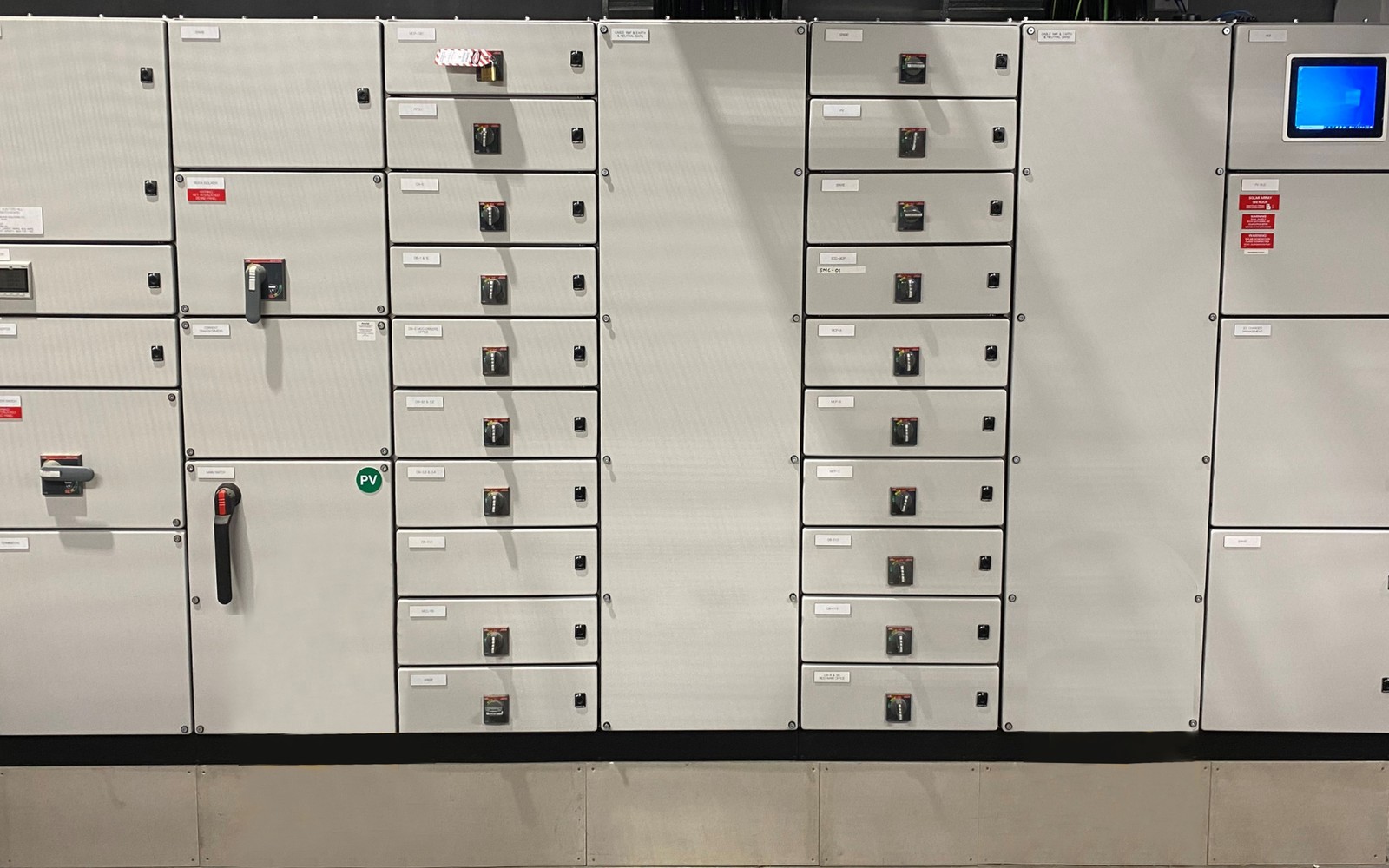
Switchgear Equipment
Protective Relays & Controls Financing
Electromechanical relays from the 1970s and 1980s are still running protection on distribution circuits and industrial feeders across the country. Many of them work fine today. The risk is that the next fault event tests them under conditions they were not built for, and a relay failure that fails to trip a breaker is a very expensive problem. Financing a modern numerical relay replacement does not require the protection scheme to fail first.
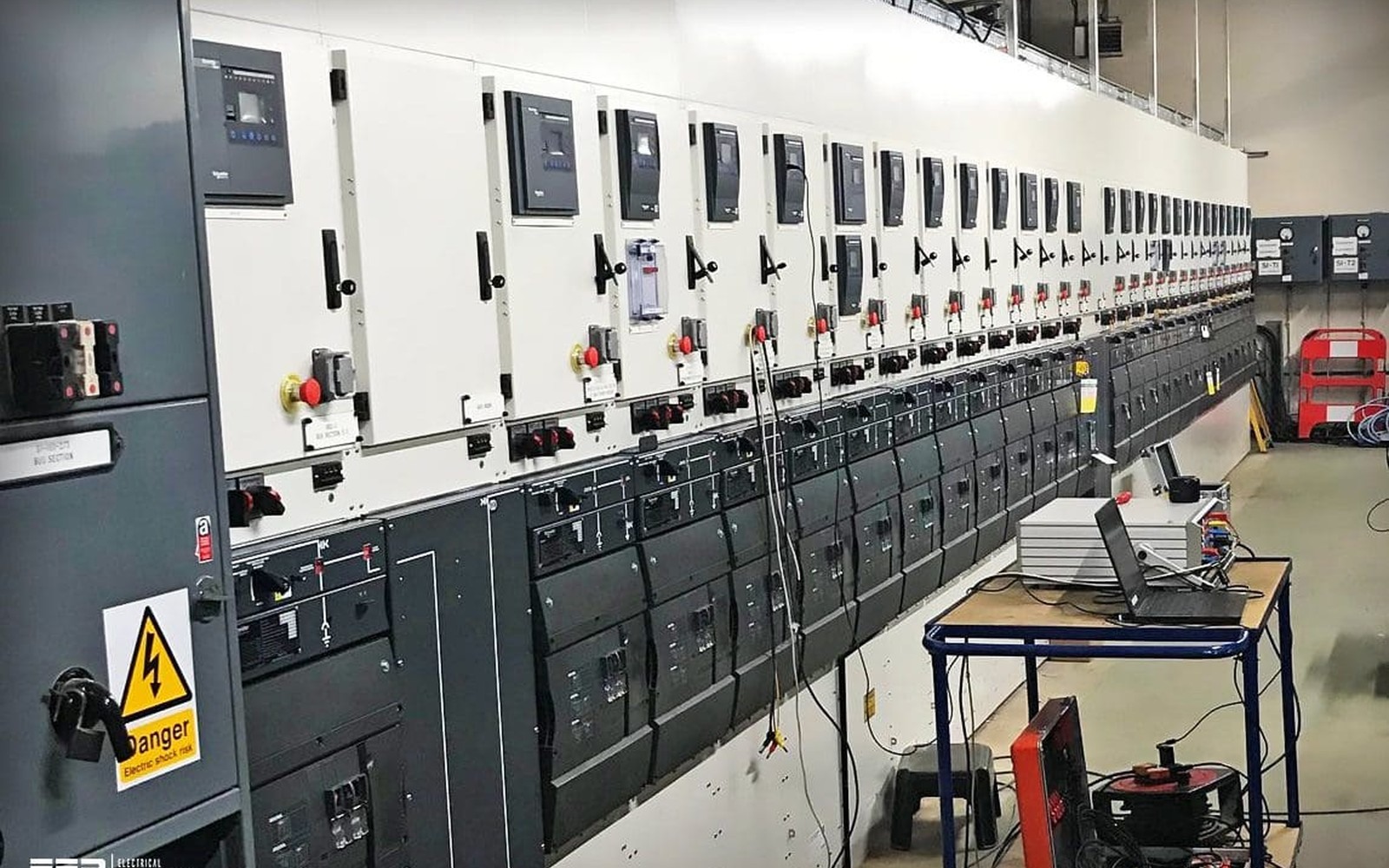
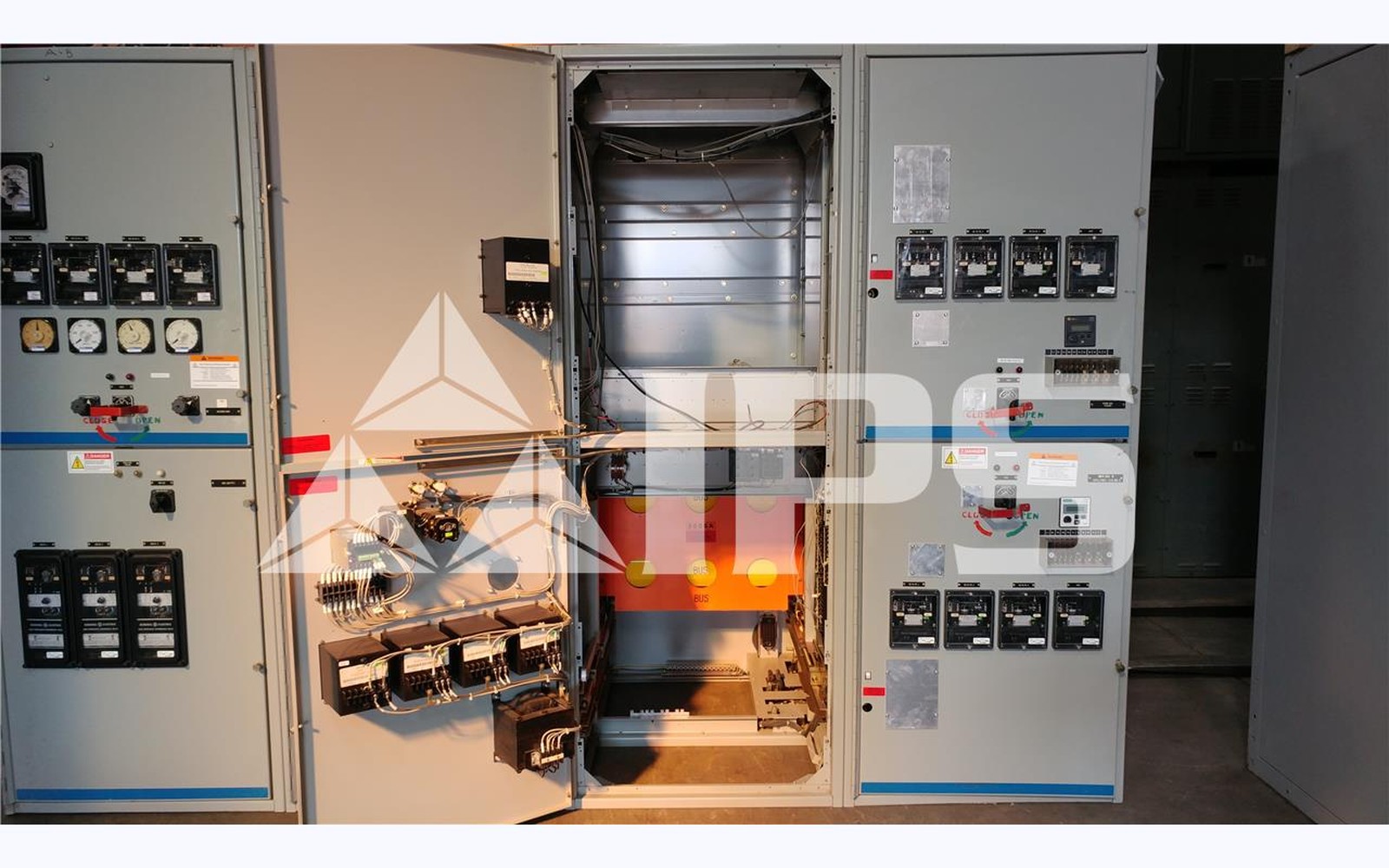
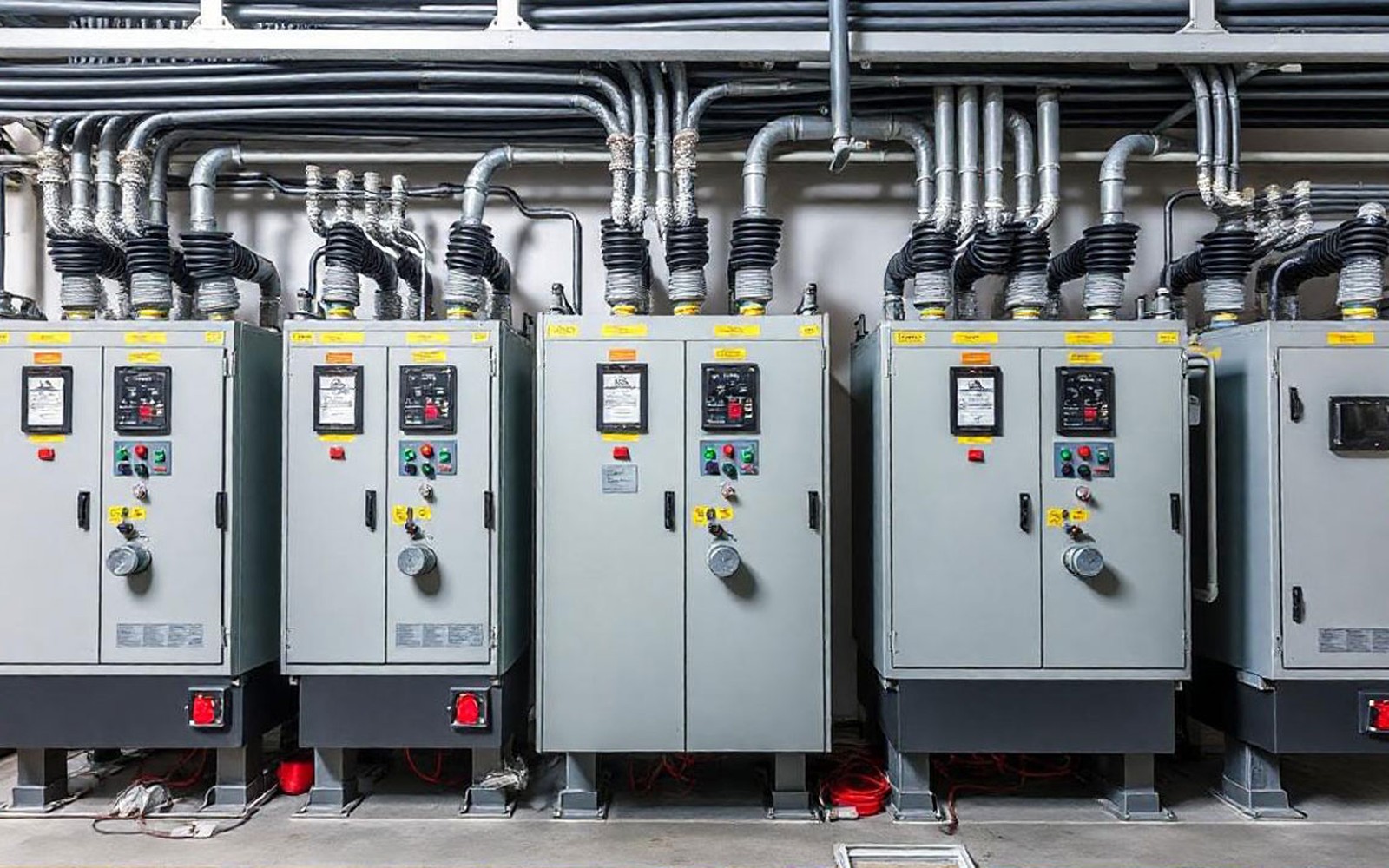
Protective relays monitor electrical system parameters, including current, voltage, frequency, and impedance, and issue trip commands to circuit breakers when abnormal conditions appear. In substations and industrial switchgear, protective relay systems are the equipment that prevents faults from becoming catastrophic failures. Modern numerical (digital) relays combine multiple protective functions in a single device, replace racks of discrete electromechanical relays, and include event logging, fault recording, and communications capabilities that electromechanical technology cannot match.
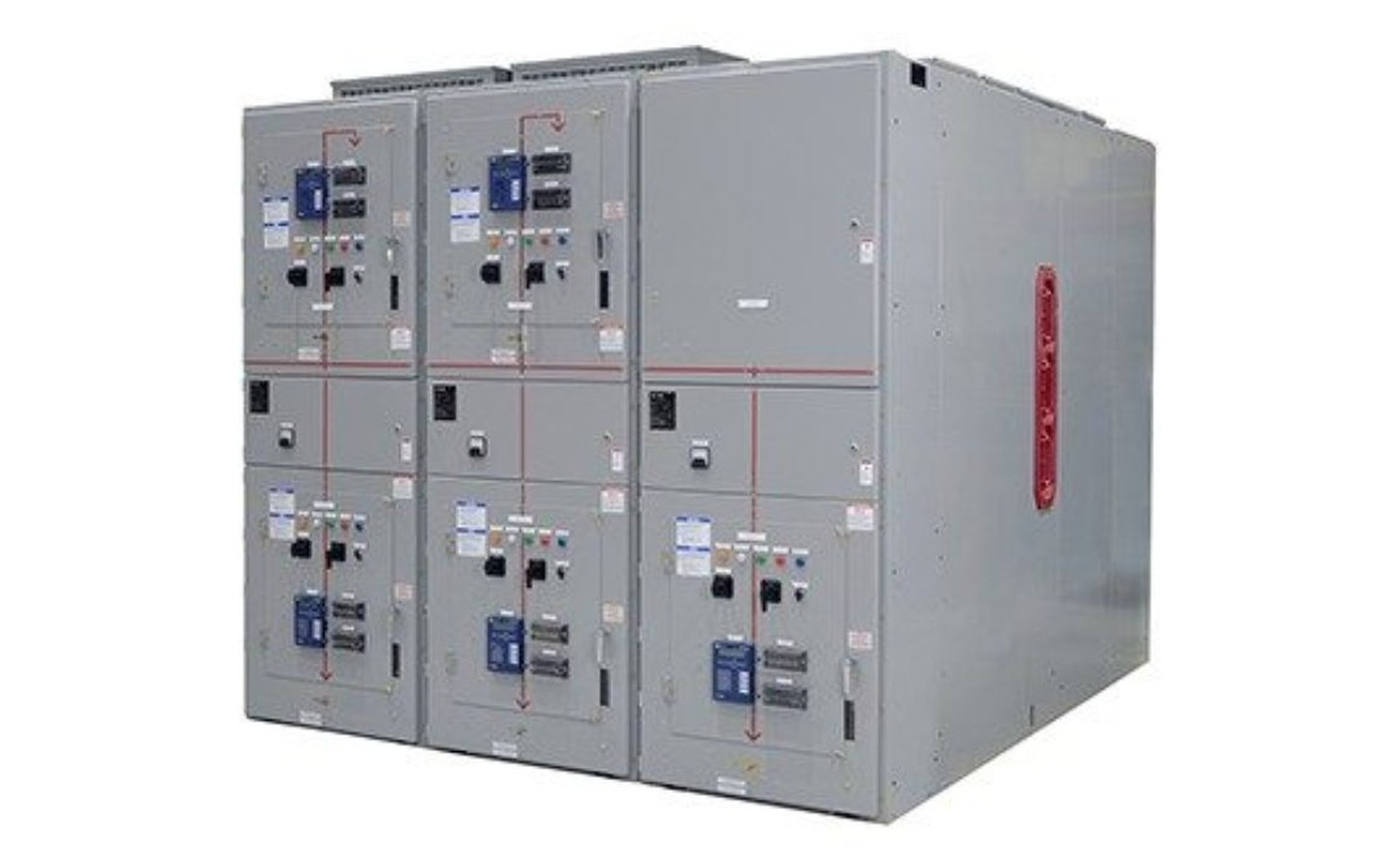
A single numerical relay for a feeder or transformer protection application runs from $8,000 to $40,000 per relay depending on the protection functions required. A substation relay replacement project involving multiple feeder bays, a transformer, and a bus differential scheme can reach $250,000 to $600,000 in relay and control equipment alone. Add panel fabrication, wiring, and testing and the total project cost frequently qualifies for our full financing capability. We start at $50,000, with application-only processing to $400,000. We also finance the associated medium-voltage switchgear that houses these relays where the project includes both.
Numerical Relay Functions And Project Types
Numerical relays implement multiple protection functions in firmware. A single multifunction relay might provide overcurrent, directional overcurrent, distance, undervoltage, overvoltage, and frequency protection, all from one device. This consolidation reduces panel space, simplifies wiring, and provides a richer fault record for post-event analysis. The trade-off is a higher per-device cost compared to a single-function electromechanical relay, but the functional coverage makes the comparison favorable.
The most common relay replacement project types we finance are feeder relay replacements in utility distribution substations, transformer differential protection upgrades, motor protection relay replacements in industrial MCC applications, and bus differential protection scheme replacements. Each of these is a defined project scope with a clear bill of materials, which makes financing straightforward.
Relay replacement projects in older substations often require simultaneous replacement of the relay panel, the metering equipment, the DC control power supply, and the communication interface. We finance the complete relay and controls package, including the panel hardware and wiring, as a single deal. The relay brands we see most frequently include ABB Relion and GE Multilin, both of which maintain strong secondary market recognition that supports collateral assessments.
Who Is Replacing Protective Relays
Electric utilities and cooperatives are the largest buyers by volume. A distribution cooperative with 50 substations and 30-year-old relay panels faces a systematic replacement program that spans years. Financing individual substations or groups of substations as projects proceed lets the cooperative manage the capital outlay in manageable annual increments without waiting for a lump-sum capital budget appropriation.
Industrial plant operators replace protection systems as part of MCC and switchgear modernization programs. A plant that has invested in modern drives, controls, and automation still carries risk if the protective relay scheme is based on 1980s electromechanical technology. The relay replacement is often triggered by a specific incident, a near-miss, or a nuisance trip that reveals the limitations of the old protection.
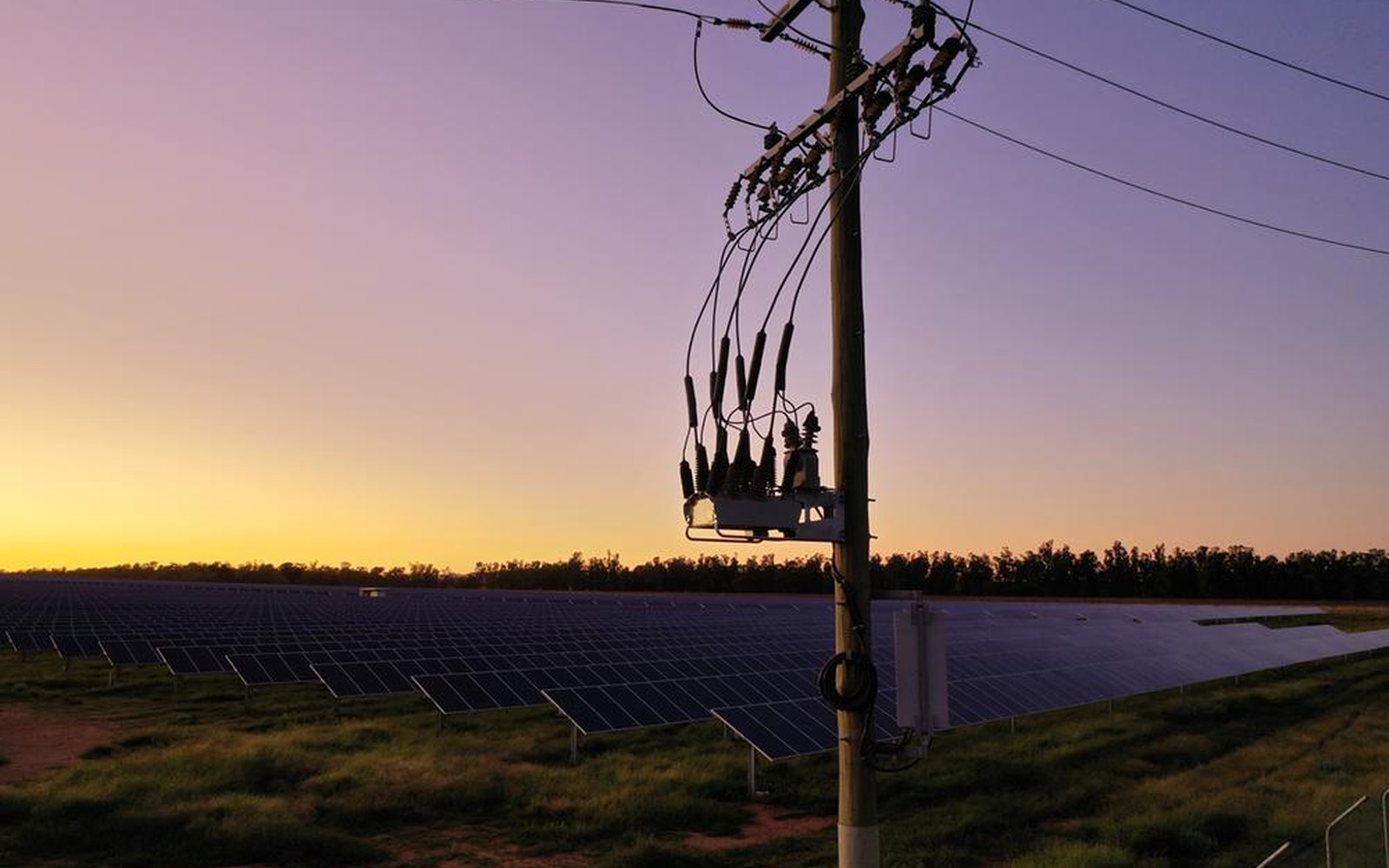
Renewable energy projects require numerical relays at the point of interconnection and at the collector system level. Utility interconnection requirements (IEEE 1547 and utility-specific tariffs) mandate specific protective functions that older relays typically cannot satisfy. New renewable projects require new relays, and financing them as part of the overall interconnection equipment is the norm.
Application And Documentation
For relay and controls projects under $400,000, the application-only process requires the vendor quote, the relay bill of materials, and basic business information. The project scope is helpful context but is not a separate documentation requirement. Credit decisions typically come back within two to three business days.
Larger substation relay replacement projects, which often exceed $400,000 when panel fabrication and testing are included, require three months of bank statements and, depending on deal size, additional financial documentation. The project engineer's specification and the utility or plant one-line diagram are valuable supporting documents that clarify the project scope and give underwriters confidence in the collateral.
For utility cooperative applicants, the cooperative's financial statements and the project authorization from the board are standard supporting documentation. Cooperative financing programs can be structured to accommodate the cooperative's specific governance and borrowing structure.
Relay Upgrades In Context Of Broader Projects
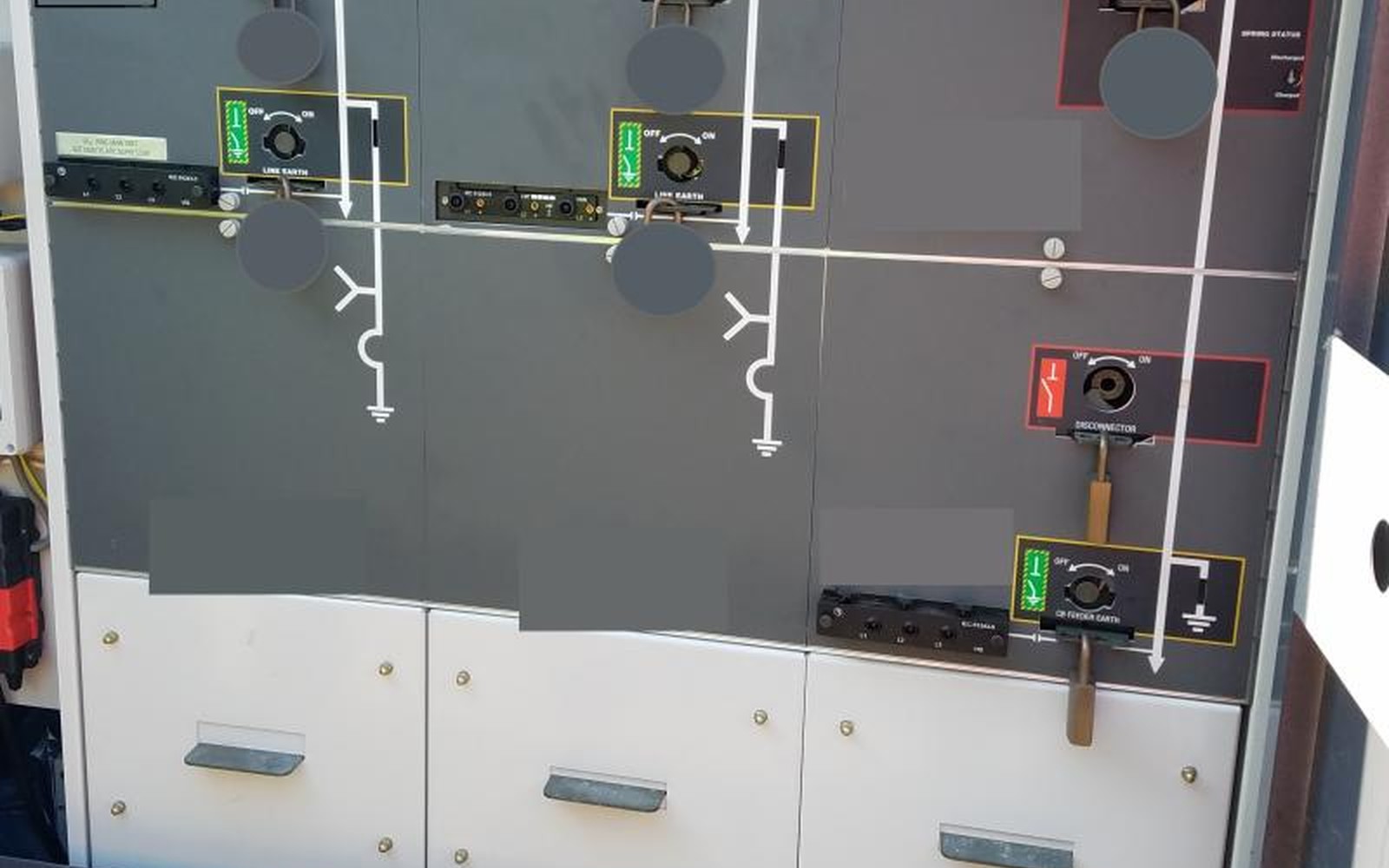
Protective relay replacements rarely happen in a vacuum. They are most often part of a broader switchgear modernization that also includes new circuit breakers, updated metering, and sometimes a new relay panel or control house enclosure. We finance the complete project scope, which means the relays, panels, wiring materials, and communications equipment all come under one financing request rather than requiring separate applications for each component.
For data center and critical facility owners who are upgrading the medium-voltage system that feeds their UPS infrastructure, relay upgrades at the primary service entrance are often part of the project specification. The protective relay scheme at the utility service point is the first line of defense for the entire critical power chain, and financing it together with the upstream medium-voltage switchgear makes procurement and project accounting cleaner.
Substation automation projects, which add SCADA communication capability, event recording, and synchrophasor measurement to substations that previously had none of these features, are increasingly common at cooperatives and municipal utilities. The protective relays are the intelligent devices that carry these functions, and upgrading them is the core scope of a substation automation project. Financing at the project level, rather than trying to fund one substation at a time out of operations, makes systematic modernization programs achievable.
Price This Switchgear Financing Package
Send the quote, seller, lead time, deposit requirement, project location, and the electrical package scope. We will review the structure around the purchase schedule.
Review Switchgear TermsCommon Questions on Protective Relays & Controls Financing
Straight answers before you send the equipment file.
Can I finance the relay replacement and the panel fabrication as a single package?
Yes. Panel fabrication, wiring materials, the relays themselves, and test equipment are all financeable as part of the project scope. One vendor quote covering the full package drives the financing request.
I have 15 substations that need relay replacements. Can I do them all in one financing request?
A program approach, financing a multi-site replacement program as a single deal or as a series of pre-approved draws, is available for larger programs. Contact us to discuss the structure for your specific program scope.
Does the type of relay brand matter for financing eligibility?
Major relay brands like ABB, GE, SEL, and Siemens are well-known to underwriters and carry strong collateral recognition. Lesser-known brands are evaluated on their specifications and the project context. The brand is not a hard eligibility gate.
My utility has a time-limited window to complete a relay upgrade to meet interconnection requirements. Can financing move fast enough?
Application-only financing under $400,000 can fund in about two weeks. If the project is time-critical, apply immediately with the complete vendor quote and we will prioritize the review.
Can I include the commissioning and testing costs in the financed amount?
Soft costs, including commissioning and testing performed by the relay manufacturer or a third party, can often be included up to a percentage of the total financed amount. Ask about soft cost inclusion when applying.
Review The Protective Relays & Controls Financing Package
Send the equipment quote, seller, lead time, deposit schedule, and project location. The finance desk will review the package against the actual procurement calendar.