

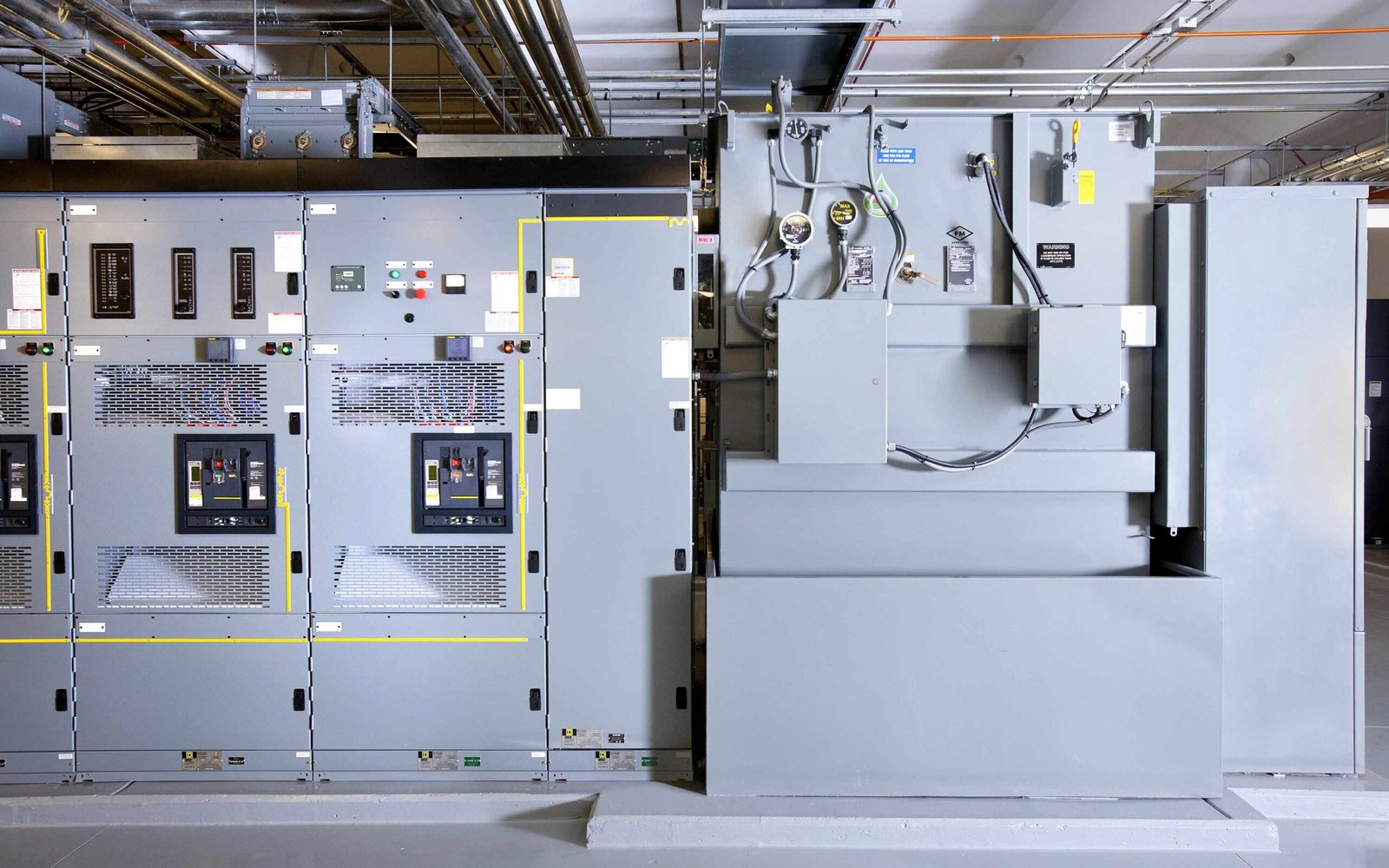
Switchgear Equipment
Liquid-Filled Transformer Financing
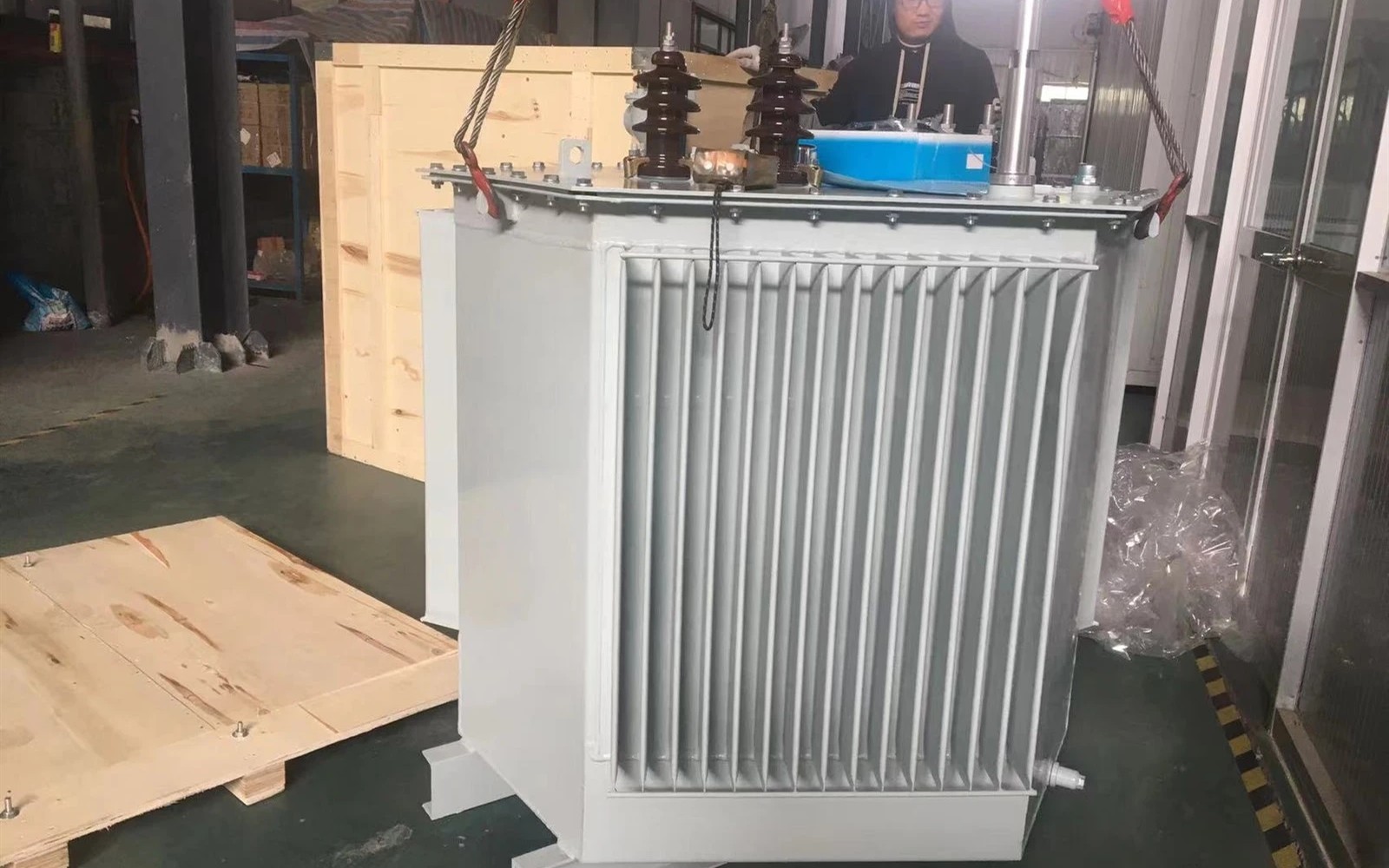
Liquid-filled transformers dominate outdoor installations, utility service points, and high-kVA industrial applications where cooling efficiency and thermal capacity matter more than the restrictions oil creates indoors. The dielectric fluid, whether mineral oil, silicone, or a natural ester like FR3, handles both insulation and heat dissipation, allowing liquid-filled designs to achieve higher kVA ratings in a smaller physical package than equivalent dry-type construction. That efficiency advantage makes liquid-filled the default choice for outdoor pad-mounted service transformers, substation units, and any application above a few thousand kVA where dry-type cost becomes prohibitive.
Project sizes for liquid-filled transformer procurement range considerably. A single 1,500kVA pad-mounted distribution transformer costs $15,000 to $30,000. A 10MVA substation transformer for a utility or large industrial service may run $150,000 to $400,000. A custom-wound large power transformer for a transmission application is in the millions. Most of our liquid-filled transformer financing falls in the $50,000 to $2 million range covering distribution through large-power applications.
We finance liquid-filled transformers for utilities, industrial operators, developers, and electrical contractors. Minimum $50,000. Application-only up to approximately $400,000. New, used, and reconditioned units financed.
Types Of Liquid-Filled Transformers
Liquid-filled transformers vary significantly based on the dielectric fluid, the kVA rating, and the application.
Mineral oil transformers are the most common type for utility and industrial use. Mineral oil is inexpensive, has excellent dielectric properties, and has a long service history. The downside is flammability, which requires containment berms or vaults for transformers installed near buildings or in occupied areas. For outdoor pad, pole, or vault installations where spill containment is manageable, mineral oil is the economical choice.
Natural ester (FR3) transformers use a biodegradable seed oil-based fluid with a significantly higher fire point than mineral oil. FR3 and similar natural esters qualify for reduced clearances to buildings in many jurisdictions, which allows installation in locations where mineral oil would require more extensive containment. The fluid cost premium over mineral oil is offset by reduced civil cost for containment at restricted locations. Many utilities and developers in environmentally sensitive areas specify natural ester fluid for new pad-mounted and substation transformers.
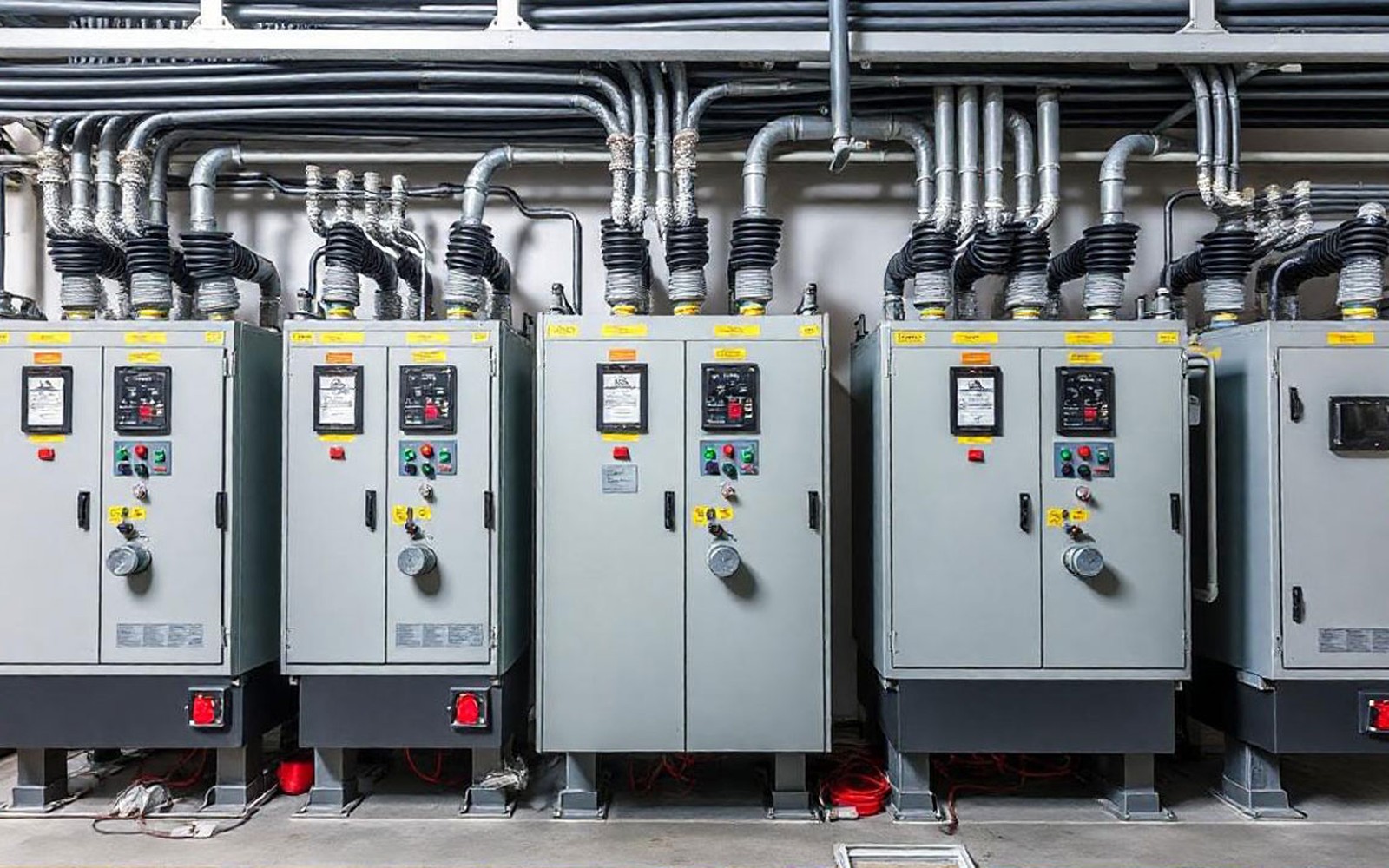
For substations, the liquid-filled transformer is typically the anchor piece of the installation, with outdoor switchgear on the primary side and secondary distribution switchgear or low-voltage switchgear on the secondary. The full substation package can be financed as a single transaction. The substation transformers page covers large-power transformer financing in more detail for that specific category.
Pad-mounted liquid-filled transformers for underground distribution service coexist with pad-mounted switchgear in loop distribution systems, and both are commonly purchased together for commercial and industrial service point installations.
Liquid-Filled Transformer Buyers
Liquid-filled transformers are bought wherever outdoor service points, substations, and high-capacity indoor (vaulted) service points need transformer capacity.
Utilities and electric cooperatives are the largest buyers of distribution-class liquid-filled transformers. A cooperative adding new services along a rural distribution line or replacing failed units after a storm event may need dozens of units at a time. Utilities and electric cooperatives that finance equipment rather than purchase from cash reserves can maintain replacement inventory without the cash outlay.
Renewable energy and solar developers use pad-mounted liquid-filled transformers at inverter output points and step-up locations throughout the collection system of a utility-scale solar or wind project. Renewable energy and solar developers purchasing dozens of collection-system transformers for a large project have significant procurement budgets in this category.
Industrial and manufacturing plants with large utility services need liquid-filled transformers at the primary service entrance and at major distribution points within the plant. Heavy industry operations with primary services at 69kV or 115kV step down through one or more large-power liquid-filled transformers before entering the plant distribution system. Industrial and manufacturing buyers replacing end-of-life service entrance transformers are common applicants.
Financing Terms For Liquid-Filled Transformers
Liquid-filled transformer financing terms align with the equipment's long useful life. A distribution transformer has a design life of 30 to 40 years, and large power transformers often last longer with proper maintenance. Seven-year financing terms are readily supportable from a collateral standpoint given that life expectancy.
Volume purchases for utilities or renewable energy developers can be structured as blanket facilities, with individual unit draws against an approved credit line as transformers are ordered and delivered over the course of a project. This approach is more practical for large projects than applying separately for each unit.
The equipment refinancing and Sale-Leaseback Financing options apply to liquid-filled transformers already in service. A substation or industrial service transformer owned outright can be the basis of a sale-leaseback that releases capital without interrupting operation.
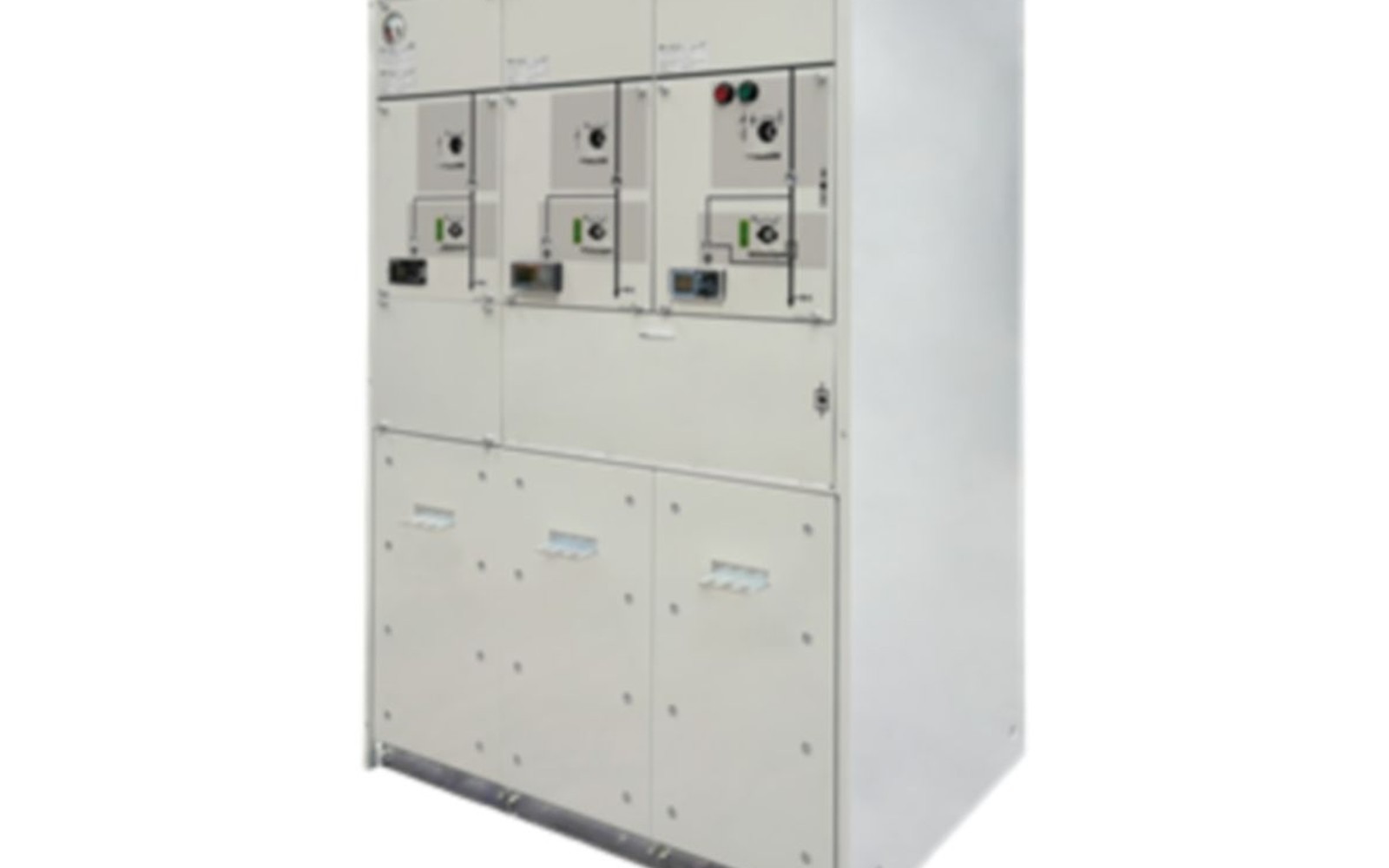
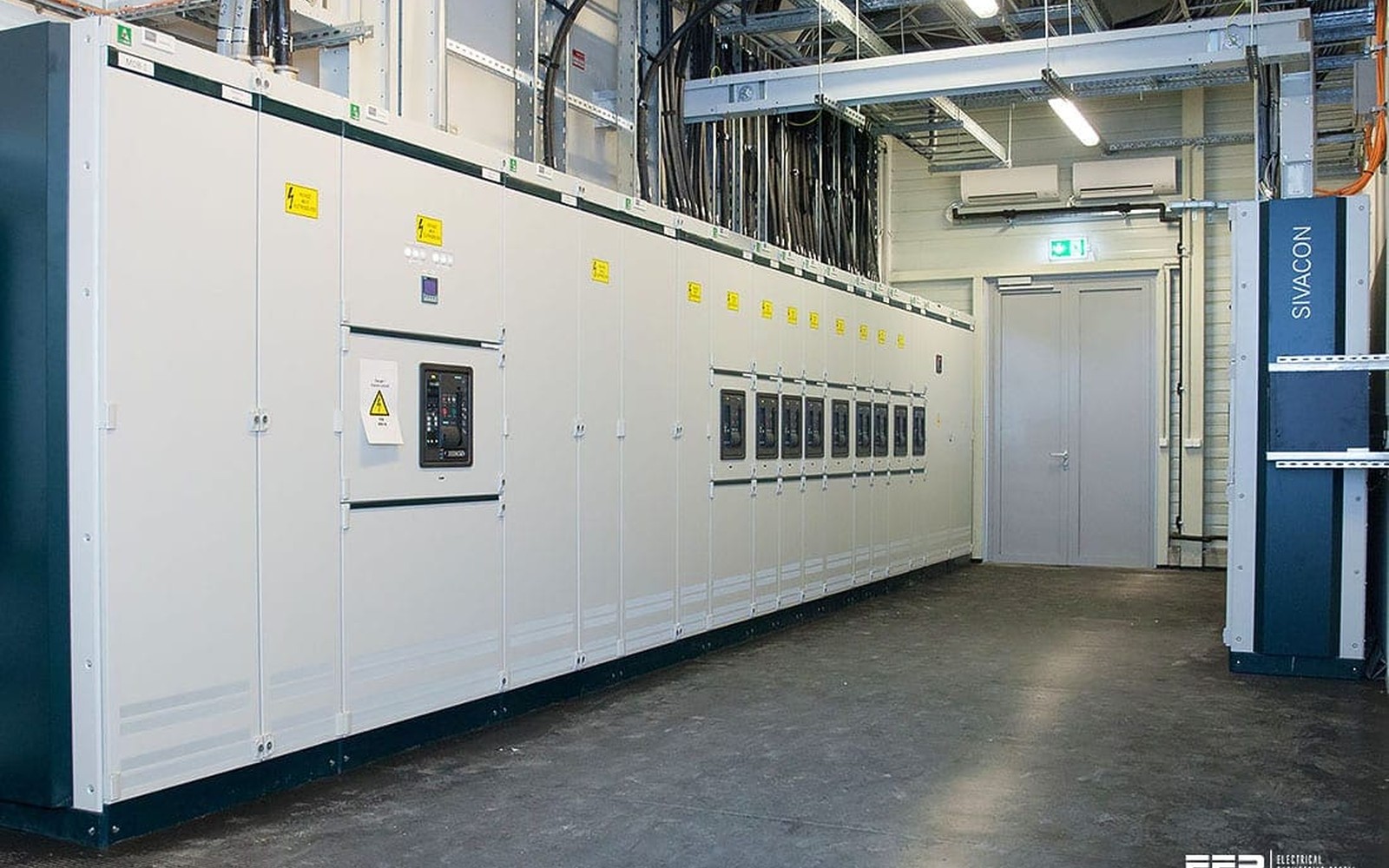
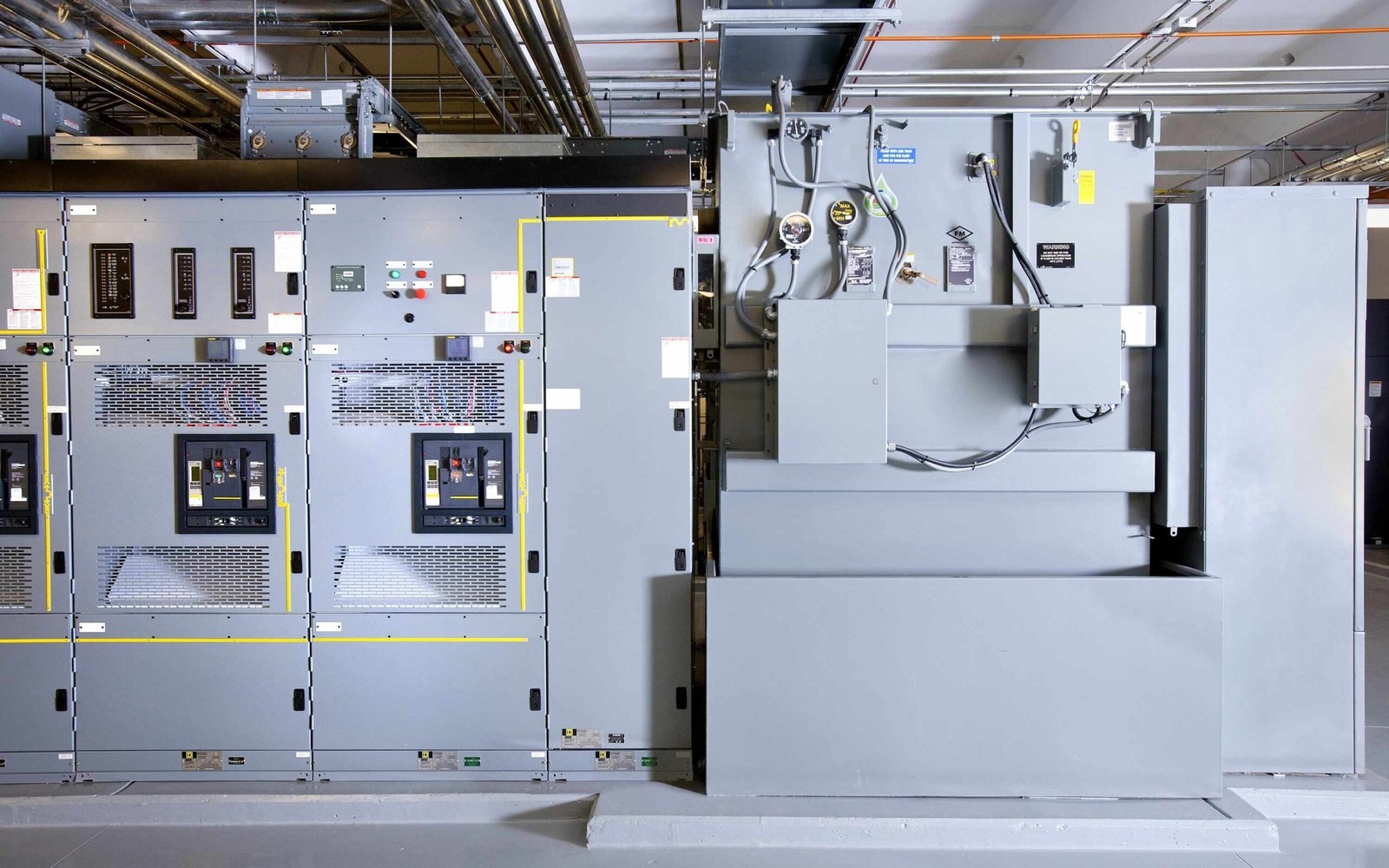
Price This Switchgear Financing Package
Send the quote, seller, lead time, deposit requirement, project location, and the electrical package scope. We will review the structure around the purchase schedule.
Review Switchgear TermsCommon Questions on Liquid-Filled Transformer Financing
Straight answers before you send the equipment file.
We're buying 30 pad-mounted transformers for a solar farm. Can we finance all of them in one transaction?
Yes. Volume purchases of pad-mounted transformers for a renewable energy project can be structured as a single financing facility. For large quantities arriving over time, we can use a draw structure that releases funding as each delivery is confirmed rather than advancing the full amount upfront.
Does the choice between mineral oil and natural ester fluid affect financing eligibility?
No. The choice of dielectric fluid is a specification decision that does not affect financing eligibility. Both mineral oil and natural ester transformers qualify on the same terms. The higher cost of FR3-fluid units means a larger transaction at the same kVA rating, but nothing changes in the financing process.
We're a cooperative and want to finance our annual transformer replacement program rather than buying from operating funds. How does that work?
An annual equipment financing facility is a practical approach for cooperatives with ongoing transformer replacement needs. We can approve a credit line sized for the annual replacement budget with individual draws against specific unit purchases as needs arise. This smooths the cash flow impact across the year.
Can we finance a reconditioned liquid-filled transformer that was removed from a utility substation?
Yes. Reconditioned liquid-filled transformers from utility substations, with documented oil testing, winding condition records, and nameplate data, are good financing candidates. Secondary-market power transformers with proper documentation are common in this financing category.
Review The Liquid-Filled Transformer Financing Package
Send the equipment quote, seller, lead time, deposit schedule, and project location. The finance desk will review the package against the actual procurement calendar.