
Switchgear Equipment
Substation Transformer Financing
A substation transformer is the anchor of the power delivery chain. At the utility distribution level, it steps transmission voltage down to the distribution voltage that serves the surrounding network. At an industrial facility, it delivers primary service power at the voltage the plant's distribution switchgear and motor control centers require. These are not commodity items. Lead times for large power transformers run 52 weeks and beyond for custom-wound units. Procurement timelines that stretch that far mean financing decisions need to happen at the same time as the engineering and specification process, not after the submittal is approved.
Substation transformer financing covers the range from smaller two-MVA distribution transformers typically $80k to $150k all-in, through large 50MVA and 100MVA step-down units in the millions of dollars for transmission-class utility applications. Most industrial and commercial substation transformers that we finance fall in the 5MVA to 25MVA range for large industrial plants, data center campuses, and distribution substations. That range covers most of the procurement activity outside the major utility and transmission sector.
We finance substation transformers for utilities, industrial plant owners, data center developers, and electrical contractors. Minimum $50,000. Application-only up to approximately $400,000. Larger transactions add bank statements. Project closing after submittal review of a complete file.
Substation Transformer Specifications And Types
Substation transformers for distribution and industrial applications are almost always liquid-filled, using mineral oil or natural ester dielectric fluid. The physical size, cooling system, and tap-changer configuration vary substantially by kVA rating and application.
Self-cooled (ONAN) ratings are the base case with no forced cooling. As the transformer is loaded, internal oil temperature rises, and at the nameplate ONAN rating, temperatures are within design limits with oil circulating by natural convection and air cooling the tank exterior with natural convection. Adding cooling fans (ONAF or ONAN/ONAF) increases the rating without changing the transformer core or windings, just the cooling arrangement.
Load tap changers (LTCs) allow the secondary voltage to be adjusted under load by changing the number of active turns in the primary winding. An LTC-equipped transformer maintains a stable secondary voltage despite primary voltage variations, which is valuable for utility distribution substations serving feeder circuits with load-dependent voltage drop. LTC-equipped units are significantly more expensive than fixed-tap units and require more maintenance, but the voltage regulation benefit is essential for many utility applications.
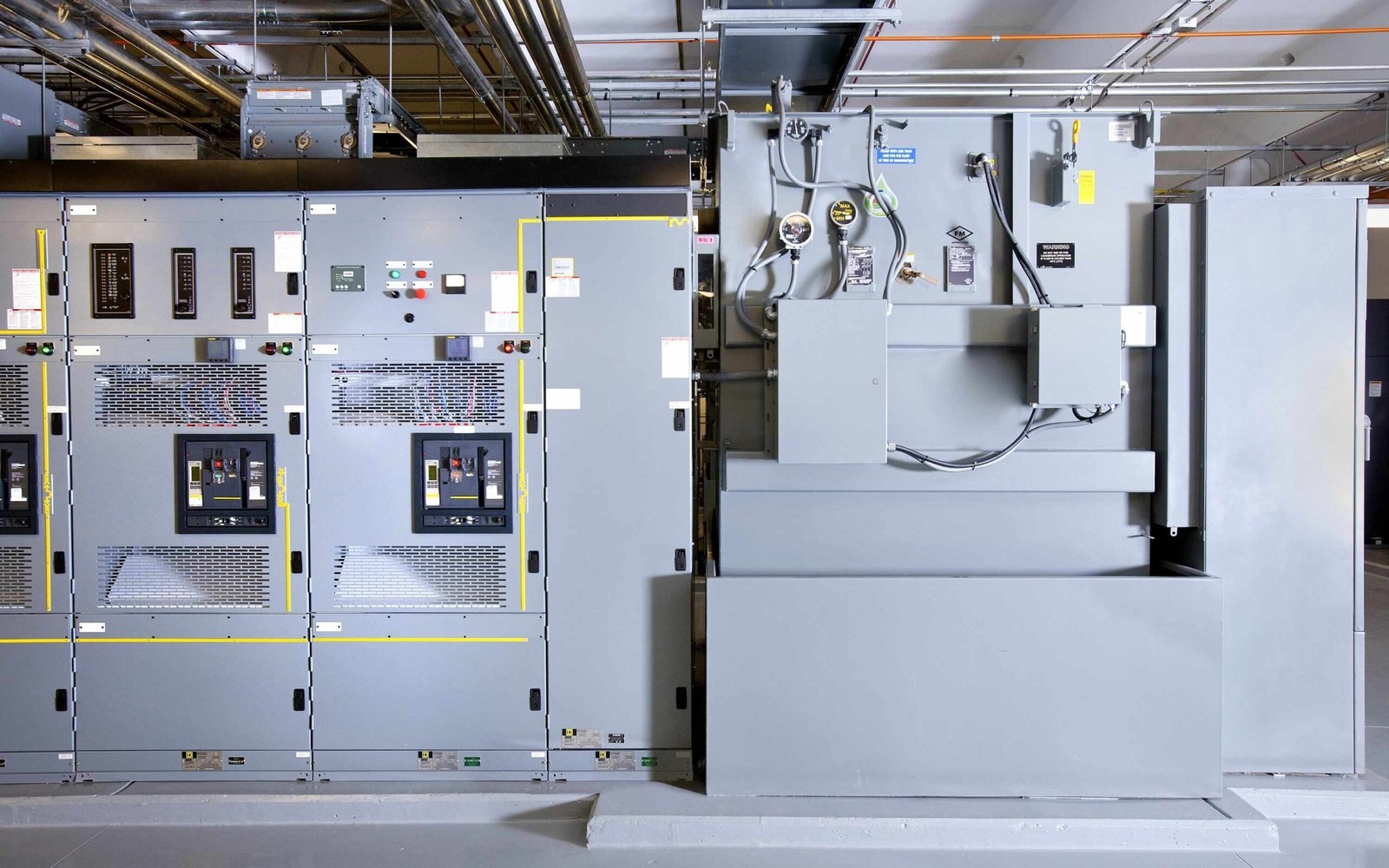
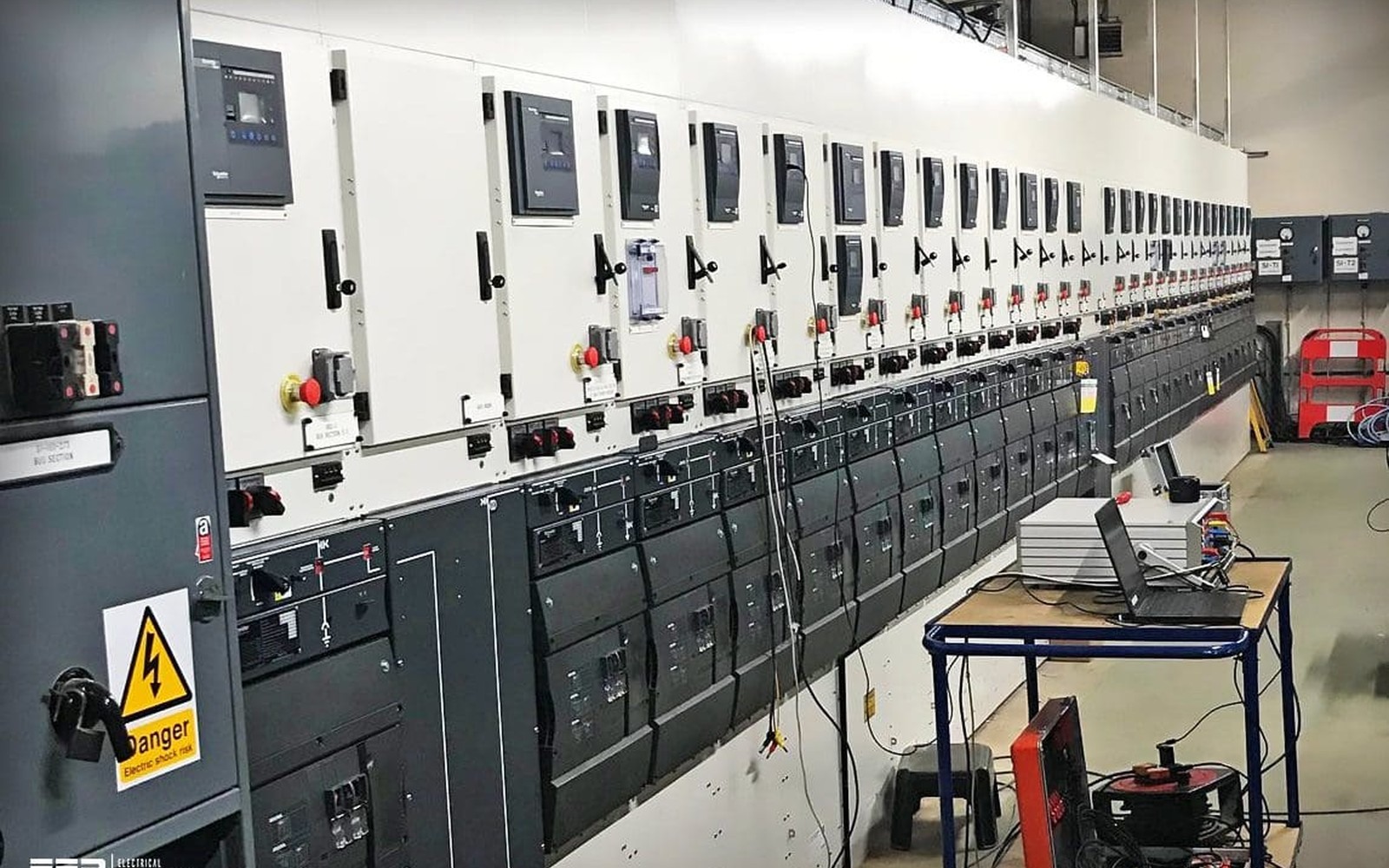
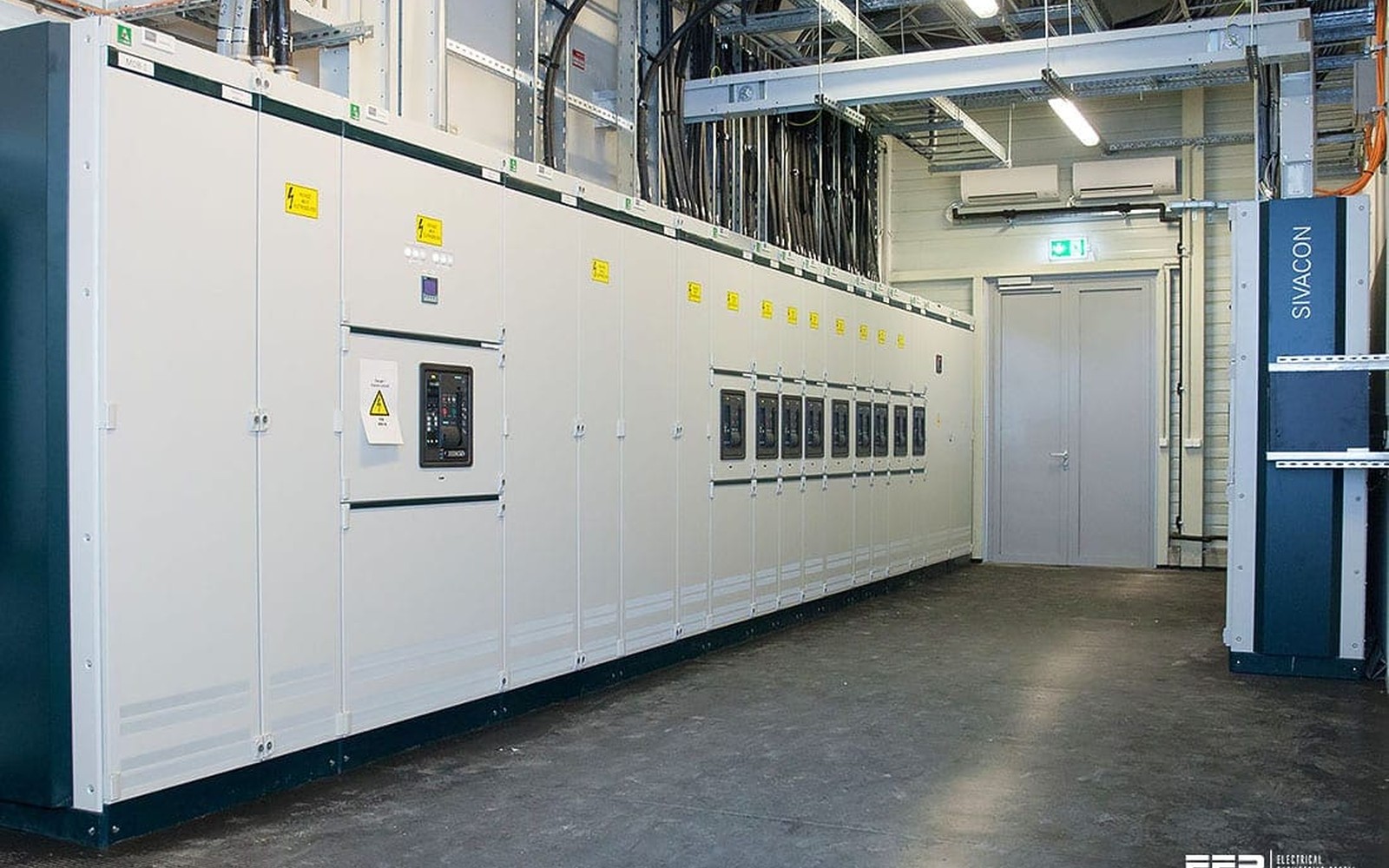
Substation transformers for data center campuses often come with special secondary terminal arrangements and surge protection built into the specification. Data centers specifying substation transformers for campus primary service need to coordinate the transformer with the incoming medium-voltage switchgear and the outgoing low-voltage switchgear or unit substation assembly. We finance all three as a package when they are procured together.
For utilities, the substation transformer is typically the highest-cost item in a distribution substation project, often costing more than the associated switchgear and protection equipment combined. Utilities and electric cooperatives maintaining transformer inventory programs benefit from financing that allows transformer procurement without the full cash outlay at purchase.
New Vs. Used And Reconditioned Substation Transformers
The secondary market for substation transformers is active and well-organized. Utility decommissioning programs, plant closures, and substation rebuilds produce a supply of tested, documented transformers that are available faster and at lower cost than new units, sometimes substantially so. A 10MVA transformer that would cost $400,000 new and take 52 weeks to build may be available used for $120,000 to $200,000 with a 4-to-8-week lead time from a recognized power transformer dealer.
Reconditioning involves oil processing or replacement, cleaning, inspection, electrical testing, and re-rating for current load requirements. A properly reconditioned transformer with full test records, a reconditioning report, and clear documentation is a legitimate asset for financing. The equipment value is based on the reconditioned condition and current market value, not the original cost.
We finance both new substation transformers and used or reconditioned units from recognized dealers and reconditioning firms. The refurbished switchgear and electrical equipment category covers the general approach to financing reconditioned power apparatus. For substation transformers specifically, the documentation standard focuses on the test reports from the reconditioning process and the nameplate rating data.
Financing Structures For Substation Transformer Projects
Substation transformer transactions above $400,000 are common, particularly for industrial and utility buyers in the 5MVA and above range. These transactions add bank statements and a business financial overview to the application. The review is thorough but not extended. We aim to fund within two weeks of a complete package regardless of transaction size.
For transformers with long factory lead times, progress and deposit financing matches the manufacturer's milestone payment schedule. A transformer manufacturer may require 30% at order, another 30% at core assembly, and 40% at factory acceptance. A progress payment facility advances each milestone without requiring the full payment from operating capital.
Terms for large substation transformers run five to ten years. The equipment's 30-to-40-year design life easily supports longer terms, and the monthly payment on a $500,000 substation transformer at a seven-year term is manageable within the capital budgets of most utility and industrial buyers.
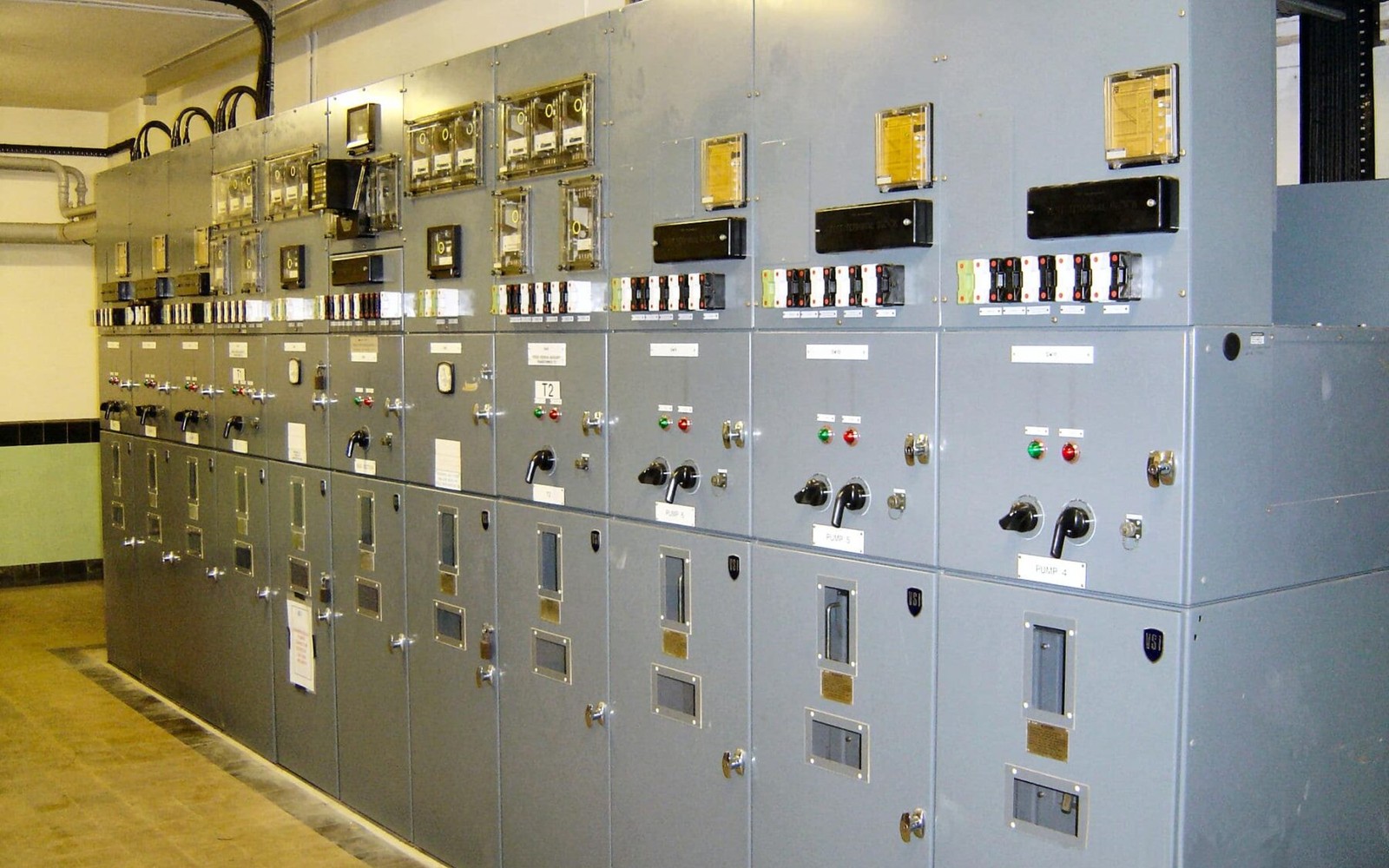
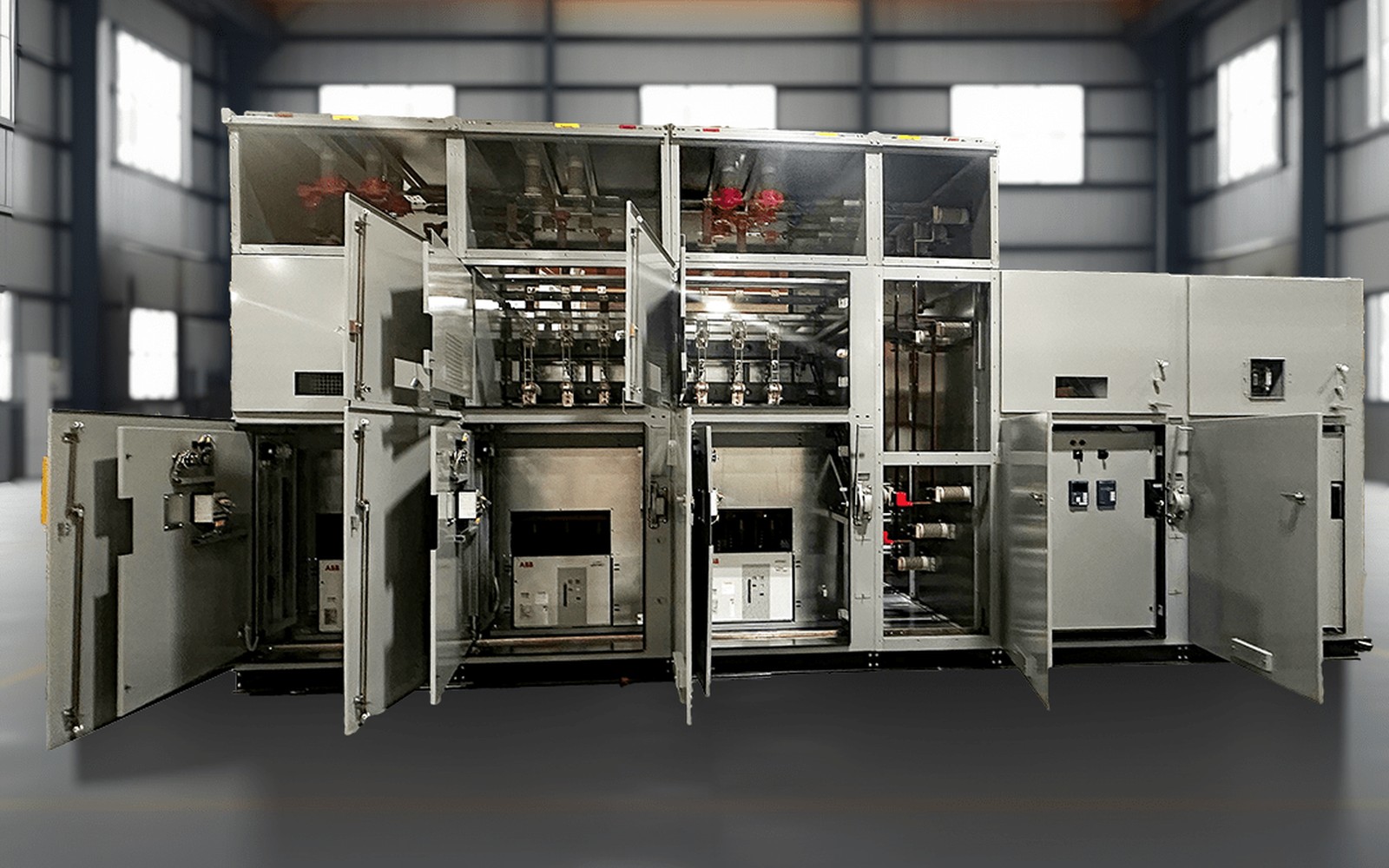
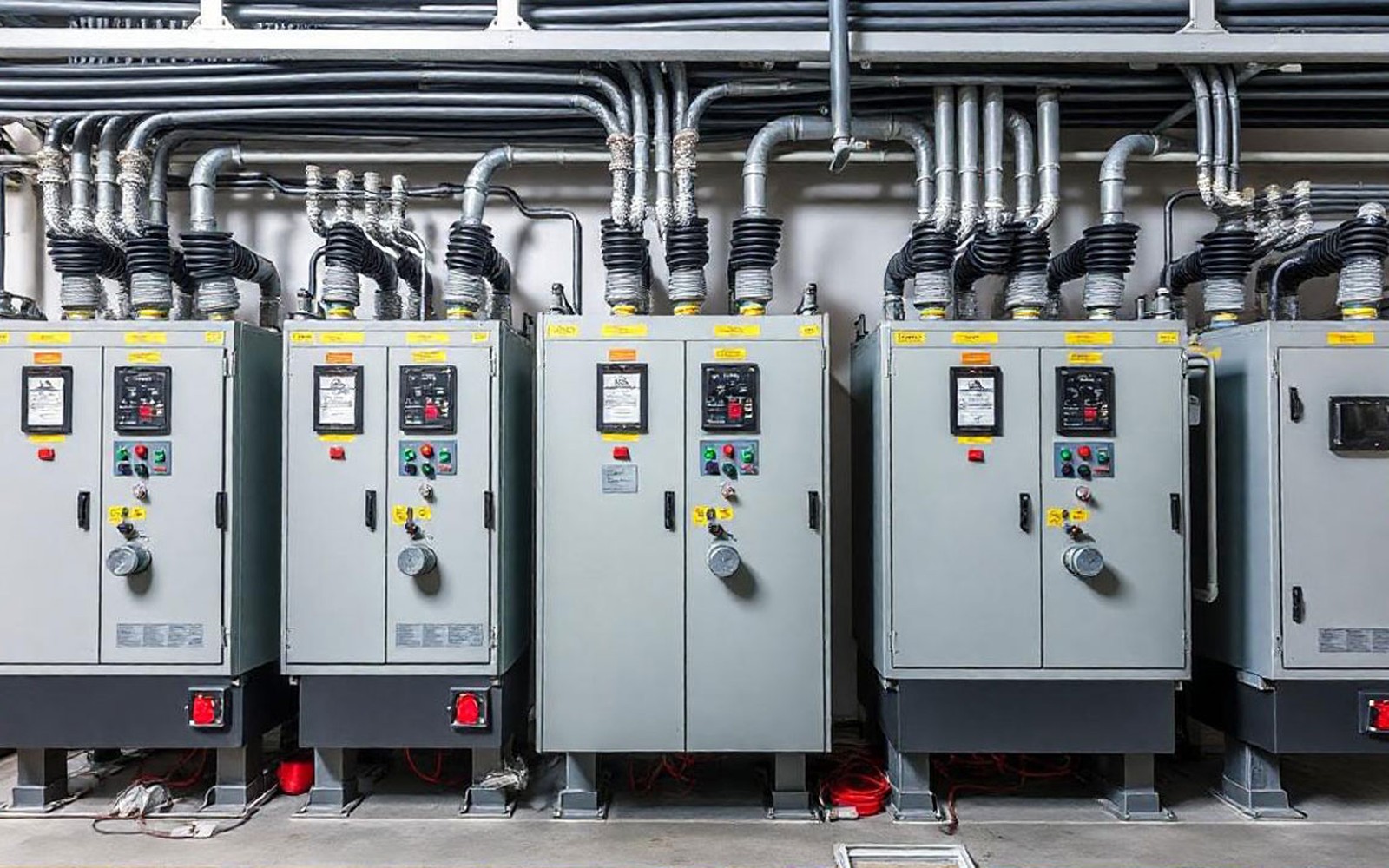
Price This Switchgear Financing Package
Send the quote, seller, lead time, deposit requirement, project location, and the electrical package scope. We will review the structure around the purchase schedule.
Review Switchgear TermsCommon Questions on Substation Transformer Financing
Straight answers before you send the equipment file.
We need a 15MVA transformer with an LTC. The manufacturer wants 30% down. Can you advance that deposit?
Yes. Progress payment financing covers manufacturer deposits on large transformer orders. We advance the deposit funds at order placement, with subsequent advances at agreed milestones like core assembly, FAT completion, and delivery. This matches the manufacturer's payment schedule without depleting your operating capital.
Can we finance a reconditioned substation transformer from a secondary-market transformer dealer?
Yes. Reconditioned substation transformers from recognized power transformer dealers and reconditioning firms qualify for financing. The transaction is based on the reconditioned unit value, and the documentation package should include test reports from the reconditioning process plus the unit's nameplate data.
Our plant needs a new primary service transformer to handle a load expansion. The existing transformer is only 5 years old. Can we do a sale-leaseback on it to fund the new purchase?
A sale-leaseback on the existing 5-year-old transformer releases capital you can apply toward the new unit purchase. The existing transformer value, combined with financing for the new unit, can cover the full project cost. We structure both in parallel when the timeline allows.
Is a 52-week lead time a problem for holding financing approval?
No. We approve financing and hold the commitment during the factory lead time. The terms are agreed at approval and funding closes when the transformer is delivered or at agreed progress milestones. A 52-week lead time means you should apply as early as possible, not that the lead time is a barrier.
Review The Substation Transformer Financing Package
Send the equipment quote, seller, lead time, deposit schedule, and project location. The finance desk will review the package against the actual procurement calendar.