
Switchgear Equipment
Power Factor Correction Equipment Financing
Power factor penalties show up on the utility bill every month until the equipment is installed. The faster the correction system gets energized, the sooner the savings start. Financing that closes in one to two weeks accelerates that timeline in a way that a six-month budget process cannot.
Power factor correction (PFC) equipment encompasses fixed and switched capacitor banks, harmonic filters, active front-end converters, and static VAR compensators. The right technology depends on the load profile, the utility tariff structure, and whether harmonic distortion is a concurrent problem. A simple industrial facility with well-behaved motor loads might need only a fixed capacitor bank. A facility with large variable-frequency drives, arc furnaces, or other nonlinear loads may require an active harmonic filter or a static VAR compensator to address both power factor and harmonic content simultaneously.
Project costs range from $60,000 for a straightforward fixed capacitor installation to $500,000 or more for an active filter system on a large industrial bus. We work on deals starting at $50,000, with application-only processing to $400,000.
Passive Vs. Active Power Factor Correction
Passive power factor correction uses capacitors to supply the reactive power that inductive loads draw. The capacitors are either connected permanently (fixed) or switched in steps by a controller (automatic). This approach is well-proven, relatively low cost, and appropriate for facilities with linear loads such as motors and transformers. However, passive banks do not address harmonic distortion and can actually amplify harmonics in some cases if they resonate with the distribution system impedance.
Active power factor correction, implemented through active harmonic filters or active front-end drives, injects equal and opposite harmonic currents to cancel distortion while simultaneously supplying reactive power. Active filters are more expensive than passive banks but are necessary when the load generates significant harmonic content. A facility with dozens of variable frequency drives or large UPS systems may need an active filter to comply with utility harmonic standards and to avoid equipment overheating from harmonic heating losses.
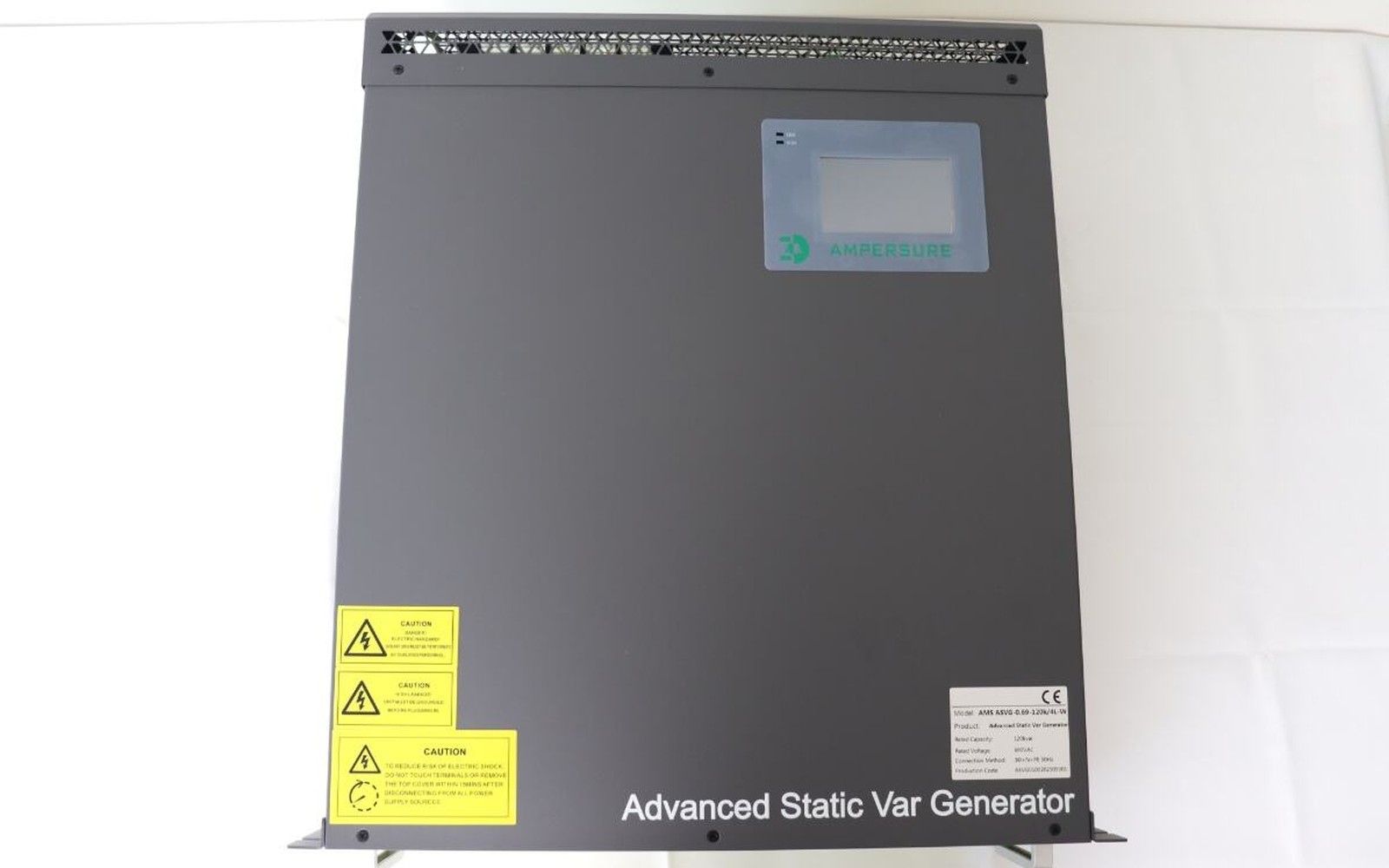
Static VAR compensators (SVCs) and static synchronous compensators (STATCOMs) are the utility-scale versions of reactive power control, used by utilities and large industrial facilities to manage dynamic voltage fluctuations. These are large, custom-engineered systems with costs well above our application-only threshold, financed through full-documentation deals.
Who Finances Power Factor Correction Equipment
The most common buyer profile is an industrial manufacturer receiving a utility warning about power factor penalty charges or a tariff notification that a low power factor surcharge will be applied at the next billing cycle. This is often the trigger for an immediate procurement decision. Financing bridges the gap between the procurement decision and the capital budget cycle that might not allocate funds for several months.
Steel mills, aluminum smelters, pulp and paper plants, and other heavy industrial users in petrochemical and process industries often face the largest power factor penalties because of the size of their inductive loads. For these buyers, a correctly sized PFC installation can reduce the monthly utility bill by tens of thousands of dollars, making the financing cost trivial by comparison.
Data centers install active PFC equipment on their UPS inputs and distribution bus because UPS systems are often specified for unity power factor input, and maintaining that specification under variable load requires active correction. This is part of the same capital project that includes the UPS, PDUs, and switchgear, and we can finance the entire critical-power package as one deal.
Using Existing Equipment To Free Up Cash
A PFC system that was purchased outright in a prior capital cycle can be refinanced through a sale-leaseback. The lender purchases the equipment at its current fair market value, you receive the cash, and the equipment stays in place under a lease. This works well for facilities that have been running correction equipment for several years and want to reallocate the capital currently embedded in the asset.
Cash-out refinancing on existing PFC equipment is an option when the system is fully paid off and has documented value. The documentation needed includes the original installation records, the manufacturer specifications, and an operating history showing the system is in service. See our page on cash-out refinancing for a full explanation of how the structure works.
For facilities planning a PFC upgrade, a sale-leaseback on the existing system can fund a portion of the new equipment purchase, reducing the net new financing required. This is a cleaner approach than carrying both the old and new equipment on the books simultaneously during a transition.
How Fast Can We Close?
For deals up to $400,000, application-only financing delivers a credit decision within a few business days and funding in about two weeks from approval. This is fast enough to get an order placed before the procurement window closes on most lead-time-driven purchases.
Larger deals with complete documentation, including bank statements and financial records, move through underwriting in about one to two weeks after submission. The total elapsed time from application to funded deal rarely exceeds four weeks for well-documented requests. This compares favorably to internal capital approval processes that can take months for non-emergency spending.
Buyers who want to compare loan versus lease structures before applying should look at our lease vs. loan comparison. Power factor correction equipment has a long service life, so the end-of-term ownership decision is worth thinking about before committing to a structure.
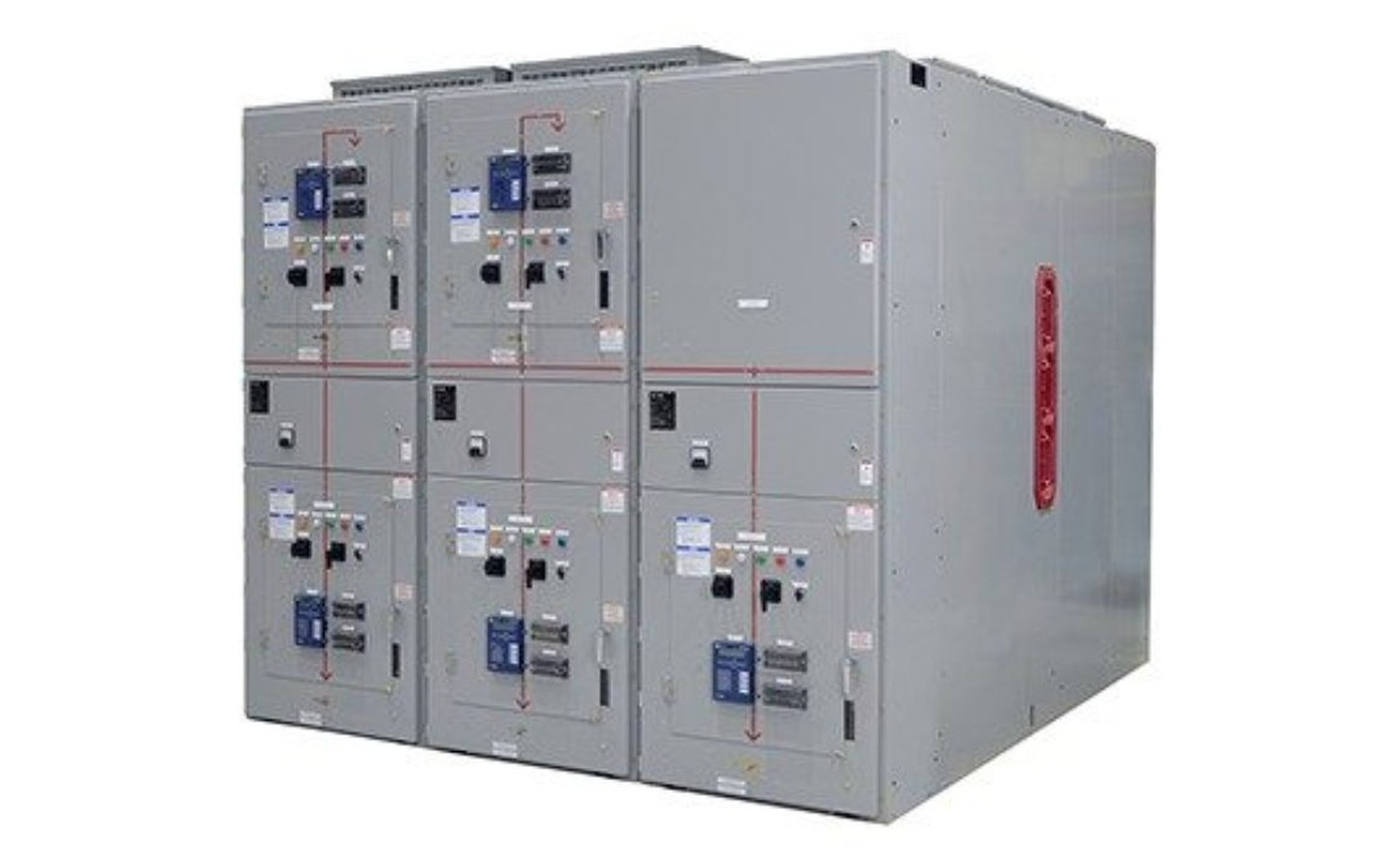
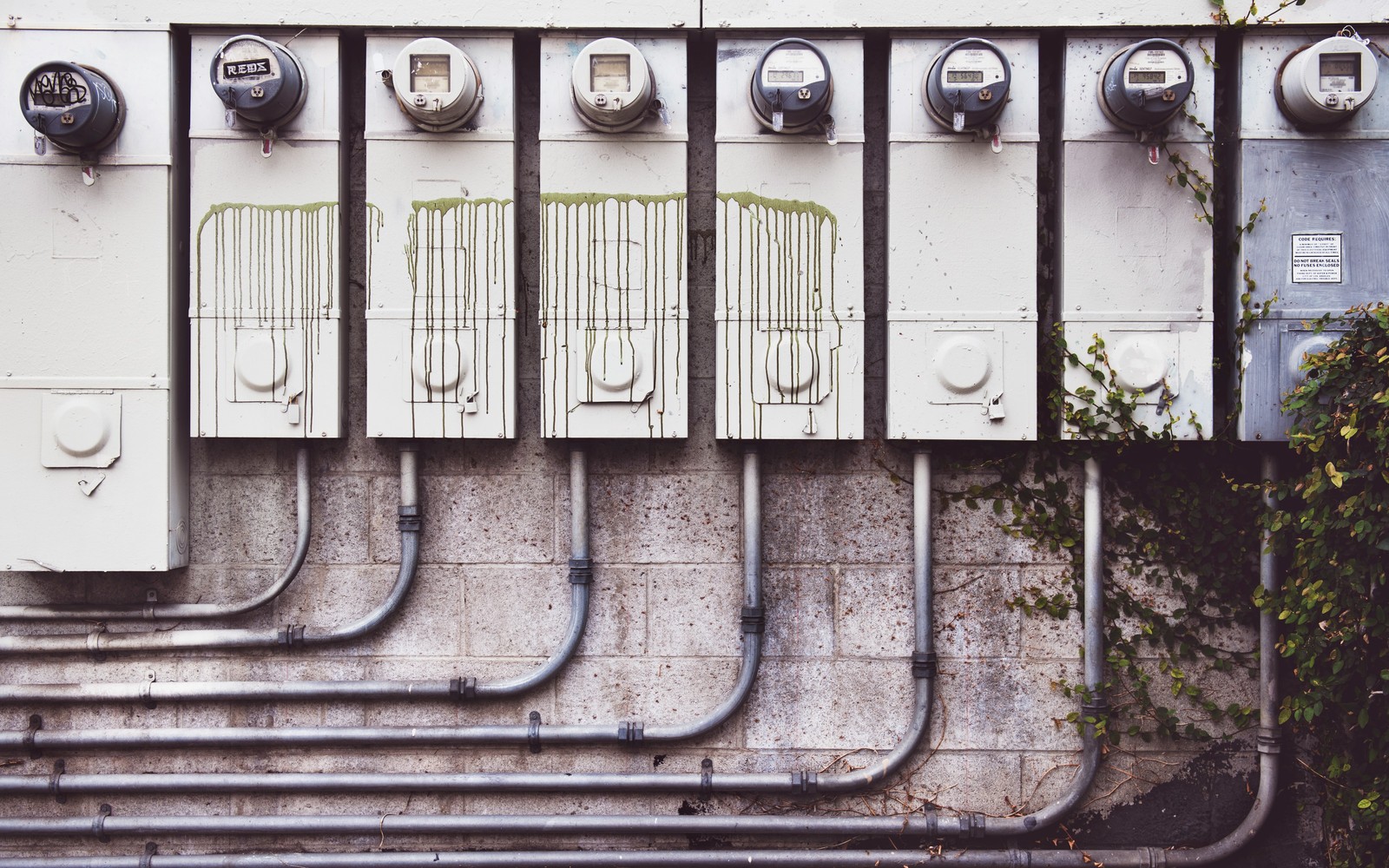
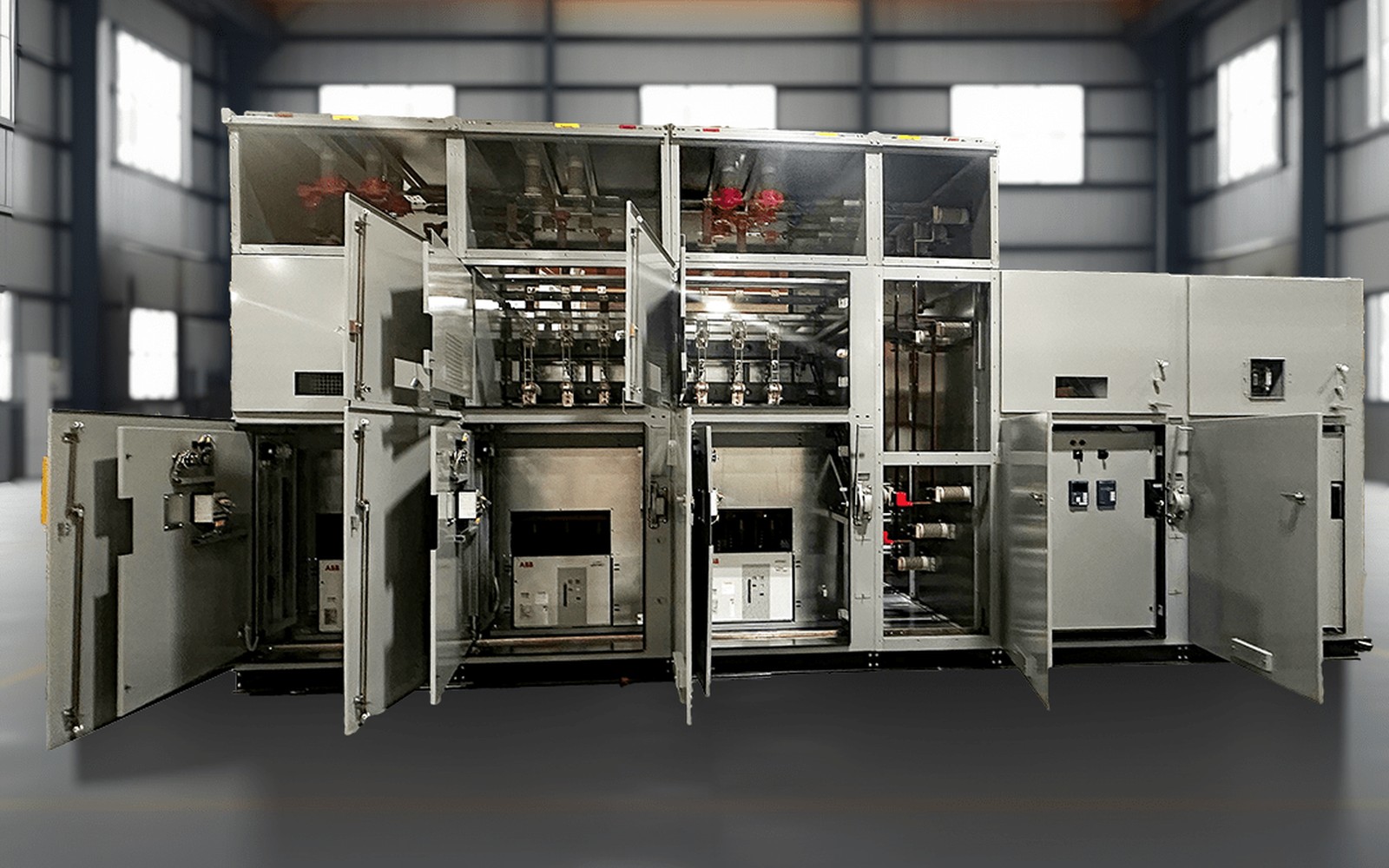
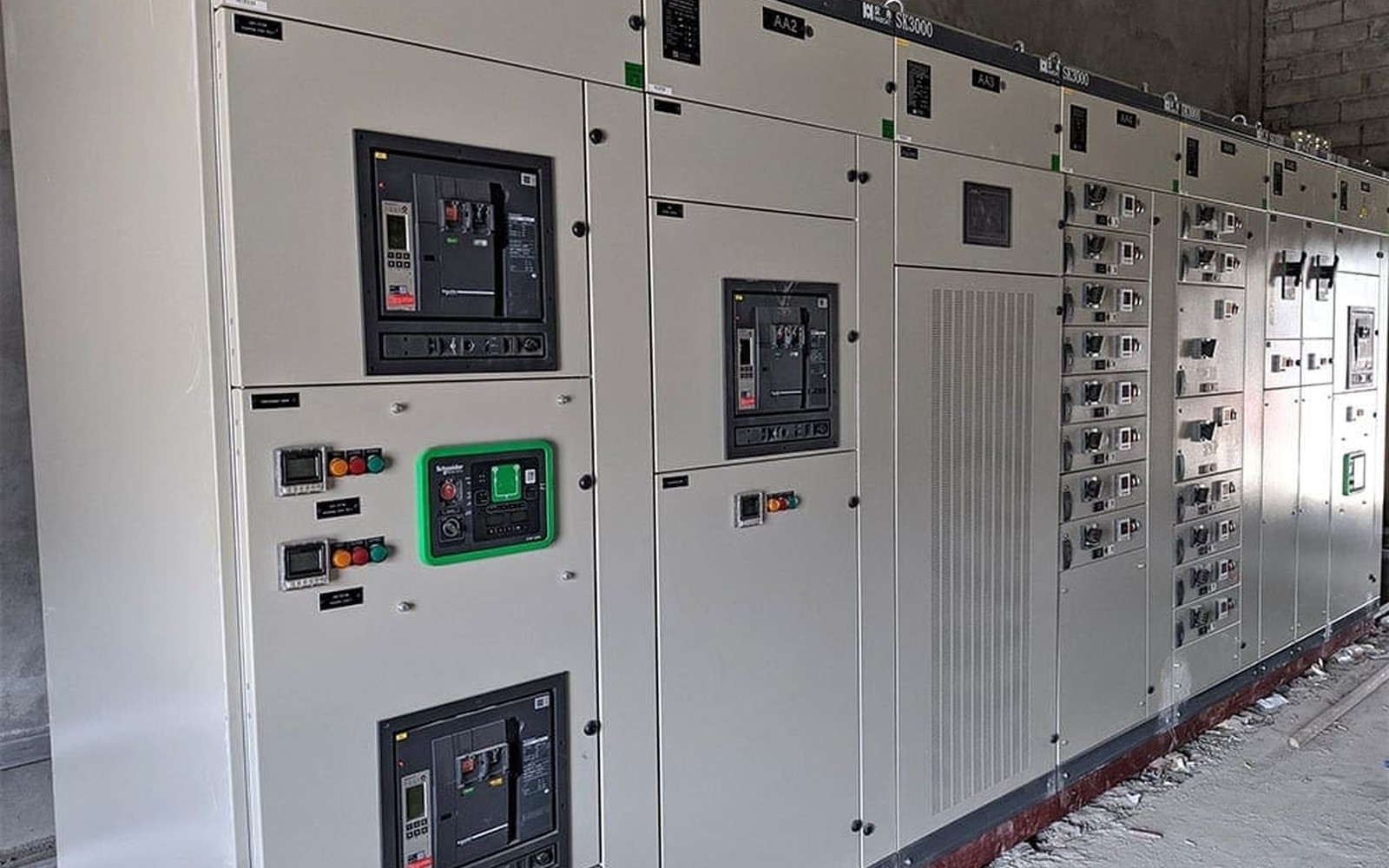
Price This Switchgear Financing Package
Send the quote, seller, lead time, deposit requirement, project location, and the electrical package scope. We will review the structure around the purchase schedule.
Review Switchgear TermsCommon Questions on Power Factor Correction Equipment Financing
Straight answers before you send the equipment file.
Can I finance an active harmonic filter along with the capacitor bank in one package?
Yes. A complete PFC system, including the passive capacitor stage and the active harmonic filter stage, is financed as a single deal with one application.
My utility is threatening to charge a power factor penalty starting next billing cycle. Is there any way to finance and install a system that quickly?
Application-only deals under $400,000 can fund in about two weeks. Installation on a pre-engineered system can sometimes complete quickly depending on site readiness. We can start the financing process today while your electrical contractor scopes the installation.
I have a facility with significant VFD loads. Do I need an active filter instead of a capacitor bank?
VFD loads generate harmonic current, and whether a passive bank is sufficient depends on the harmonic level and the utility's harmonics standards. An electrical engineer should conduct a power quality study before specifying the correction method. We finance whichever solution the study recommends.
Can I refinance a PFC system that is already installed and paid for?
Yes, through a sale-leaseback or cash-out refinance. Provide the installation records and current operating status and we will evaluate the fair market value and the maximum available financing.
Are there any industries where power factor correction equipment financing is not available?
We work across industrial, utility, commercial, and data center segments. There are no industry exclusions specific to PFC equipment. Standard business financing eligibility applies.
Review The Power Factor Correction Equipment Financing Package
Send the equipment quote, seller, lead time, deposit schedule, and project location. The finance desk will review the package against the actual procurement calendar.