
Switchgear Equipment
Capacitor Bank Financing
Capacitor banks reduce reactive power demand, and the utility bill reduction they create is measurable from the first month. The payback math is usually straightforward enough that financing the installation is a net-positive on cash flow almost immediately. But the procurement has to happen first, and the lead time on switchable capacitor equipment can run to eight to sixteen weeks. Get the order in early, and use financing to do it without touching the operating budget.
Capacitor banks supply reactive power locally, reducing the reactive component of current flowing through distribution feeders and transformers and improving power factor. For industrial facilities paying a power factor penalty on their utility bills, a properly sized capacitor bank returns value every billing cycle. For utilities, capacitor banks relieve feeder loading and improve voltage profiles across distribution circuits. The capital cost ranges from $40,000 for a fixed industrial bank to $500,000 or more for a large automatically switched utility-grade installation. We work on deals starting at $50,000, with application-only processing to $400,000.
We finance capacitor banks alongside the associated power factor correction equipment, including automatic controllers and step switches, as a single package. We also finance standalone capacitor banks for buyers who have the control infrastructure already in place.
Fixed, Switched, And Automatic Capacitor Banks
Fixed capacitor banks are always connected to the circuit and provide a constant reactive power injection. They are appropriate where the load is relatively constant, such as in a facility with continuous process equipment that runs around the clock. Fixed banks are simpler to install and maintain, and their collateral value is straightforward because the configuration does not change.
Automatically switched capacitor banks add a controller that monitors power factor or reactive power and switches capacitor steps in or out as demand changes. This is the right approach for facilities with variable loads, because a fixed bank sized for peak conditions wastes leading reactive power during light-load periods and can cause overvoltage problems. The controller, the step switches, and the capacitor units together constitute the financed package.
Pole-mounted and substation capacitor banks for utility applications are often the largest deals by dollar amount. A utility installing a feeder capacitor bank to improve voltage regulation and reduce losses might specify a 1200 kVAR to 3600 kVAR installation with automatic switching controlled by a voltage-sensing relay. These installations are part of planned reliability or capacity improvement programs, and the equipment frequently needs to be ordered well ahead of the installation window to meet construction season requirements.
Who Buys And Finances Capacitor Banks
Industrial manufacturers with large motor loads are the primary buyer segment. Induction motors draw significant reactive current, and facilities with many motors, pumps, fans, and compressors often have naturally poor power factor. When the utility charges a power factor penalty, the economics of a capacitor bank installation justify themselves quickly. Financing makes the capital outlay manageable and the payback period measurable.
Electric cooperatives and municipal utilities use capacitor banks as part of distribution system improvement programs. A rural cooperative reducing feeder losses with a strategic capacitor placement is improving the efficiency of the entire system, and the capital expenditure pays back through reduced energy losses. Third-party financing gives these organizations procurement flexibility outside of normal capital budget cycles.
Water treatment facilities and municipal pumping stations, typical of what we see from water and wastewater operators, frequently have large pumping motor loads with poor power factor. A capacitor bank installation at the main service entrance can reduce the utility bill and defer the need for a service entrance upgrade by reducing peak demand current.
Financing Structure And Terms
Capacitor bank installations often qualify for Section 179 expensing in the year of service, because they are defined property under the tax code. Financing the purchase does not eliminate this benefit; the equipment must simply be placed into service in the tax year, regardless of whether it was purchased with cash or financed. A loan structure, where title passes at funding, preserves the Section 179 eligibility. See our page on Section 179 financing for the specific mechanics.
Terms typically run 36 to 60 months for capacitor bank installations, reflecting the equipment's long service life and the relatively stable monthly savings the bank generates. A buyer who models the power factor penalty reduction against the monthly financing payment before applying is in a strong position to negotiate terms, because the self-funding nature of the deal is a positive underwriting signal.
Used or refurbished capacitor equipment is eligible under our used equipment financing program with documentation on condition and testing history. Capacitor units age based on operational temperature and switching cycles, so documentation of the installation history is important for used equipment deals.
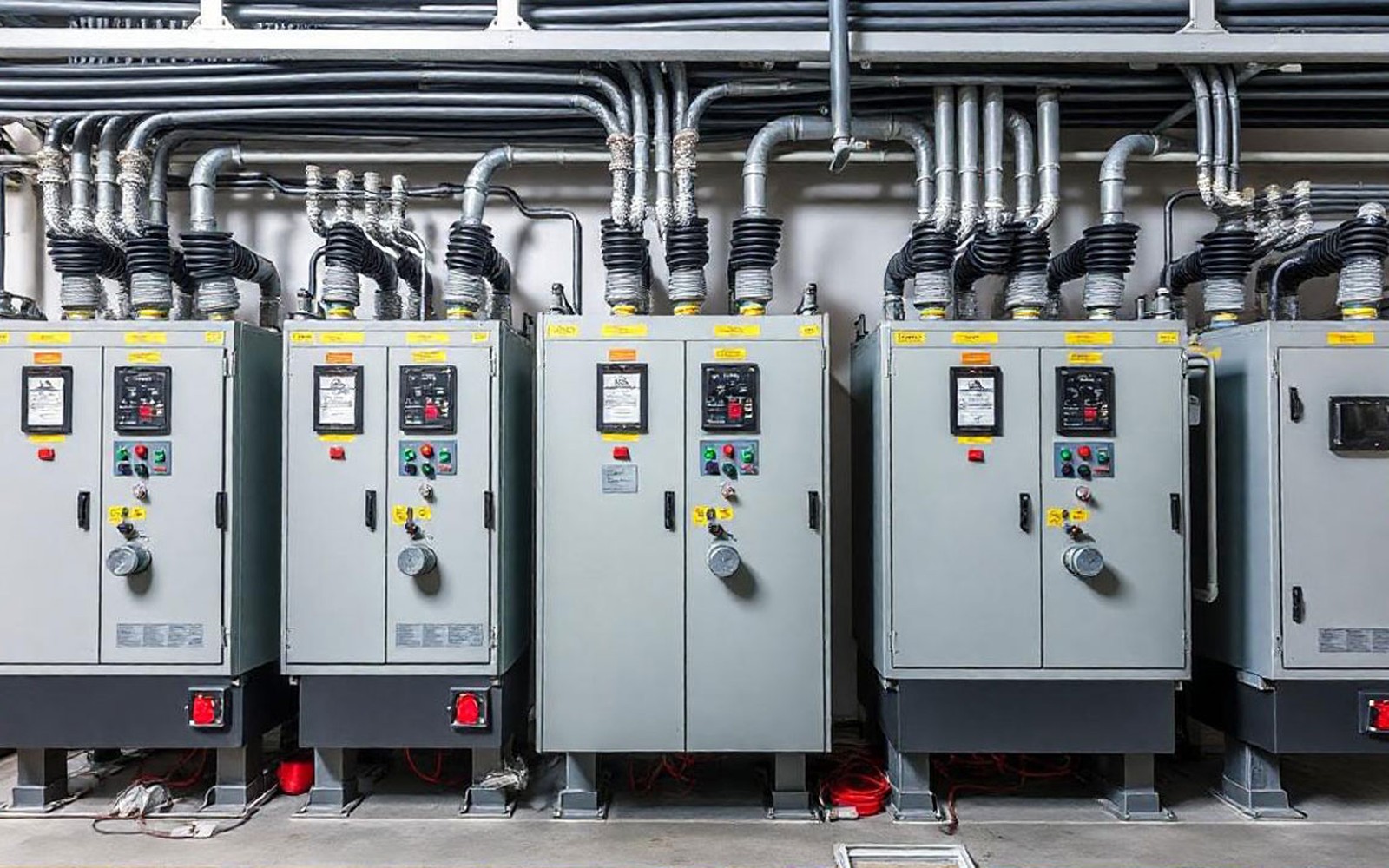
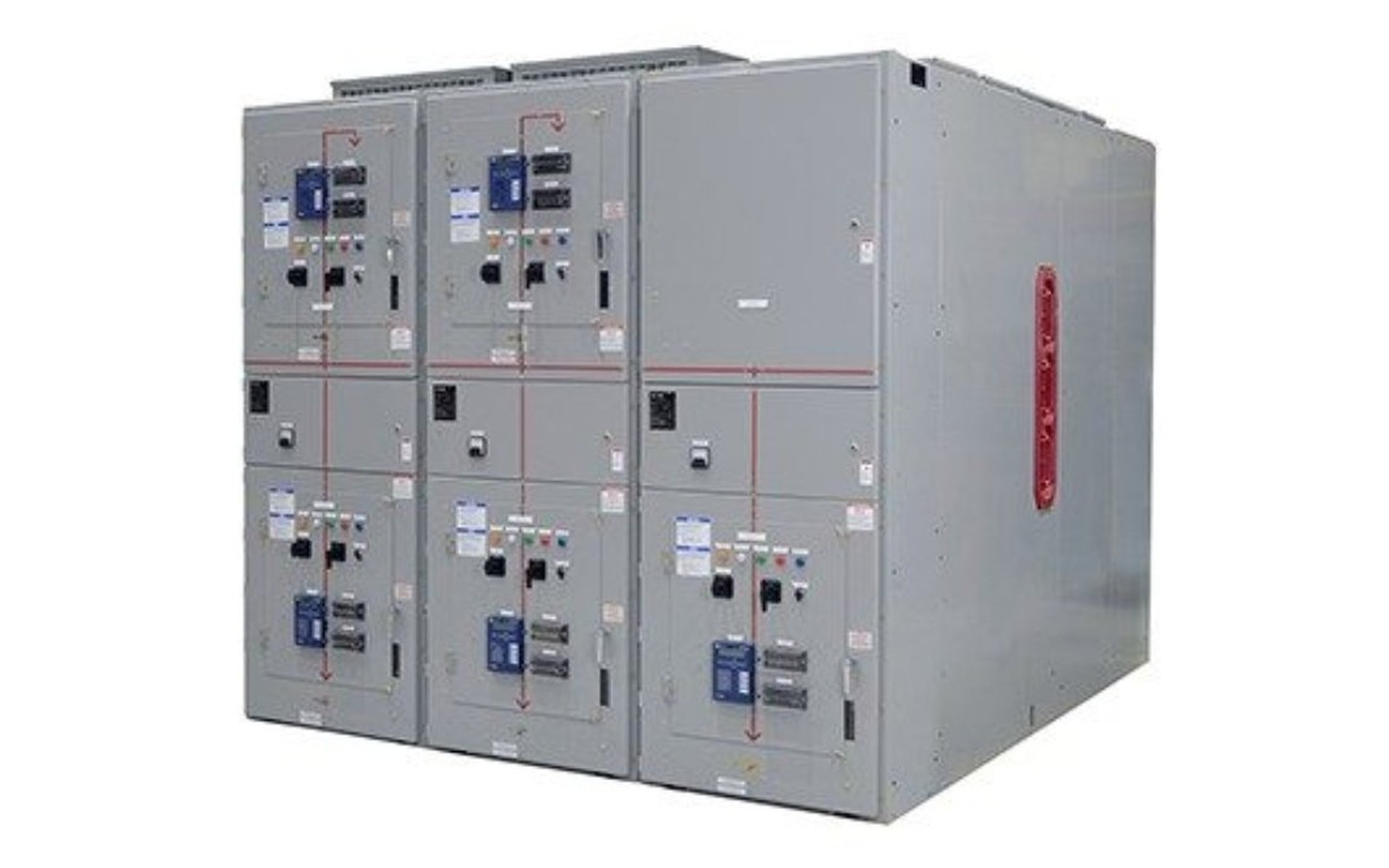
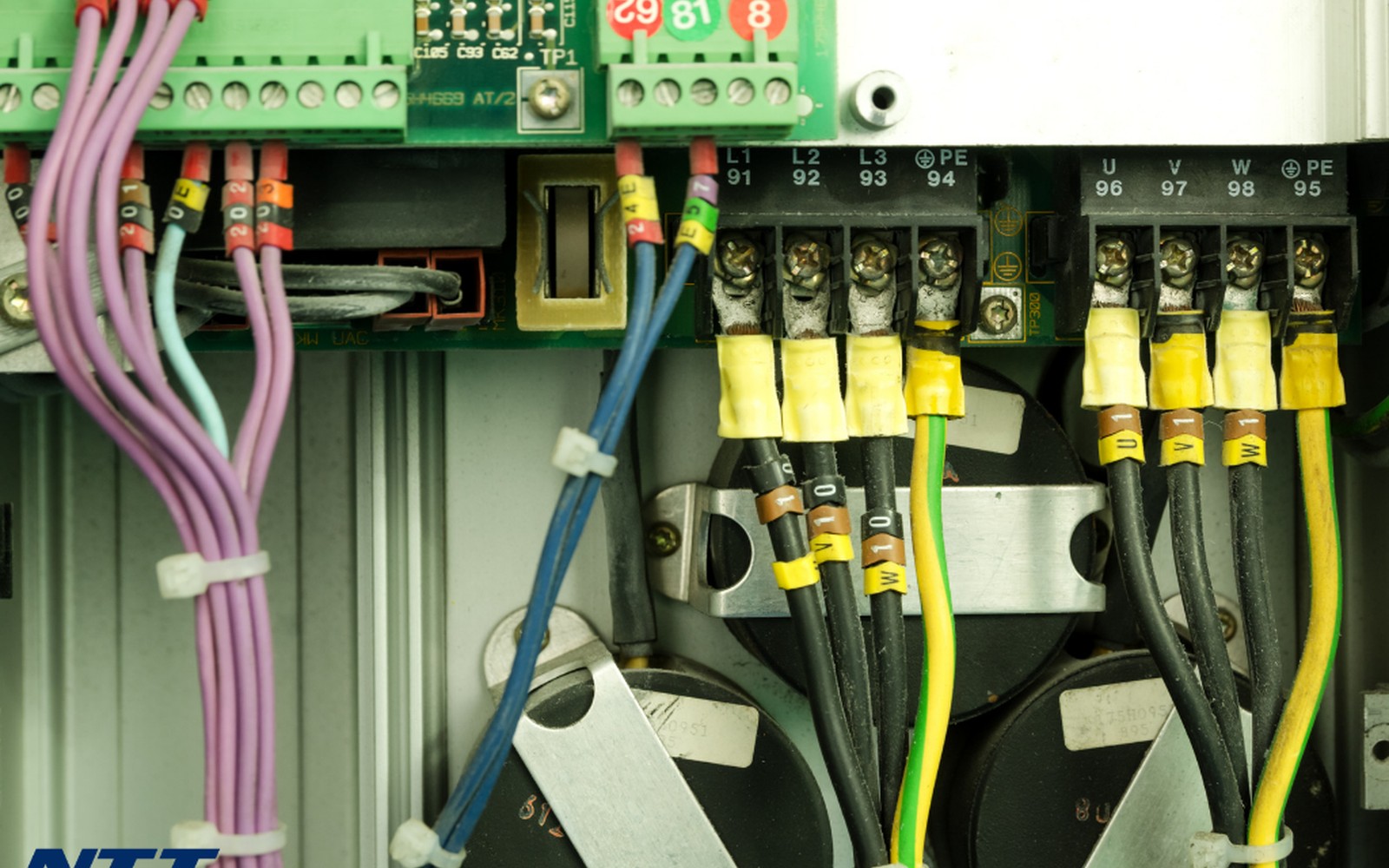
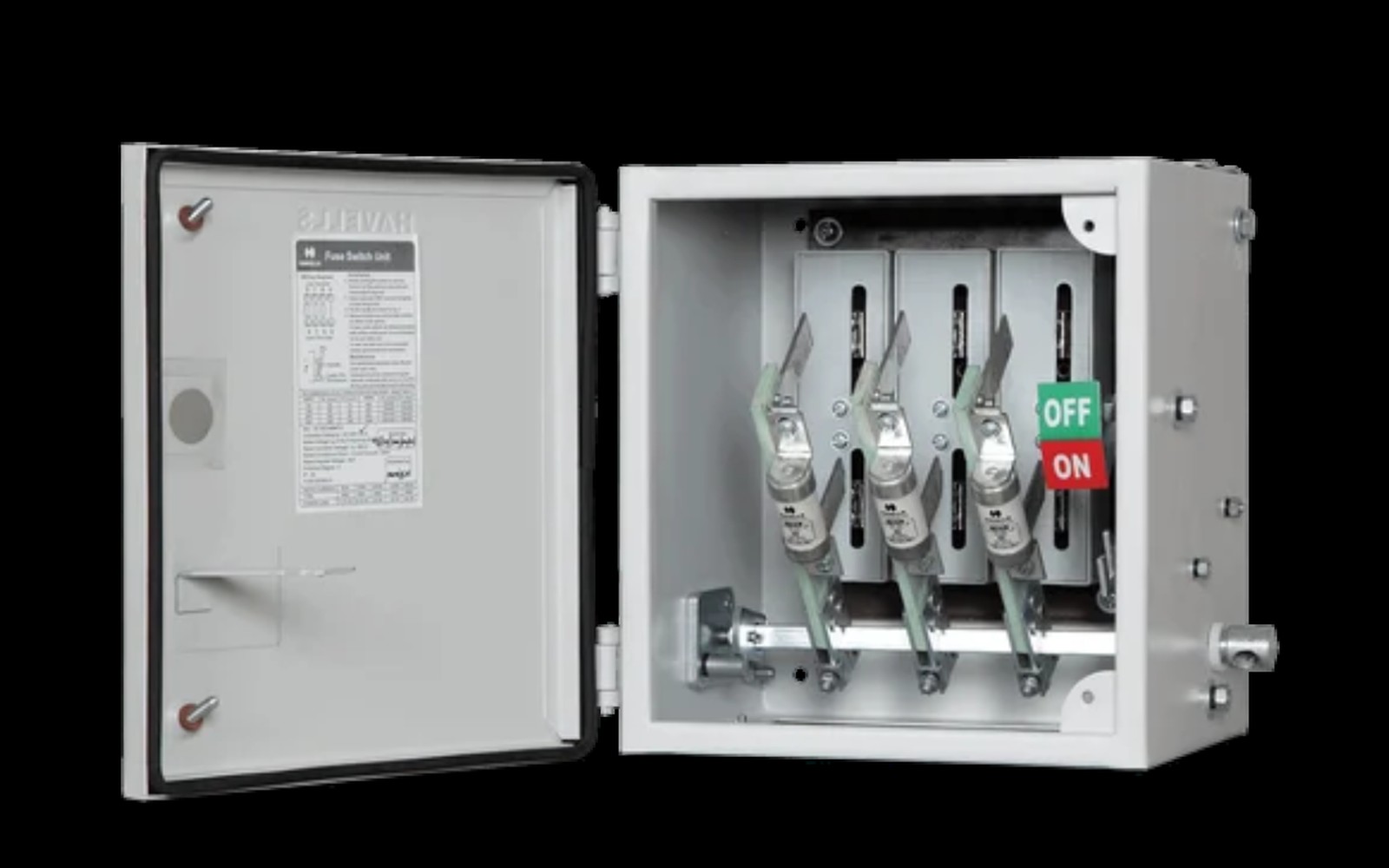
Price This Switchgear Financing Package
Send the quote, seller, lead time, deposit requirement, project location, and the electrical package scope. We will review the structure around the purchase schedule.
Review Switchgear TermsCommon Questions on Capacitor Bank Financing
Straight answers before you send the equipment file.
Can I finance the capacitor bank and the automatic controller together as one package?
Yes. The controller, step switches, fuses, and capacitor units are all part of the installed system and can be financed together. Provide the full project quote and we will treat it as a single deal.
I want to finance a capacitor bank at an industrial facility I do not own. Can the tenant apply, or does it have to be the property owner?
The financing is tied to the equipment, not the real estate. A tenant can finance a capacitor bank installation at a leased facility. A landlord consent letter is sometimes required depending on the term of the facility lease.
How does the lender value a capacitor bank for collateral purposes?
The collateral value is based on the manufacturer, the kVAR rating, the age and condition, and the replacement cost of the installation. Established-brand fixed and switched banks from major utility equipment suppliers hold value well.
Can a utility cooperative use third-party financing for a distribution capacitor bank program?
Yes. Electric cooperatives finance distribution equipment through third-party lenders regularly. The cooperative's credit profile, project documentation, and the equipment specs drive the underwriting.
Does the capacitor bank need to be installed by a licensed contractor to qualify for financing?
The financing is not conditional on installer licensing, but the installation must comply with applicable electrical codes for insurance and permitting purposes. Most lenders will want to see that the installation will be code-compliant.
Review The Capacitor Bank Financing Package
Send the equipment quote, seller, lead time, deposit schedule, and project location. The finance desk will review the package against the actual procurement calendar.