

Service Areas
Switchgear Financing in San Jose, CA
Semiconductor fabs do not wait on procurement. A cleanroom expansion at a North San Jose campus has a commissioning date set months before the gear ships, and the production schedule does not flex around a delayed purchase order. Silicon Valley runs on critical-facility power: 24-hour fab operations, hyperscale data centers along Highway 237, EV battery assembly lines going in along the south end of the bay. Every one of those projects has a gear package, a submittal, and a hard energization date. Lead times on medium-voltage switchgear are running 30 to 50 weeks from most manufacturers right now. Financing that takes three months to close makes the problem worse, not better.
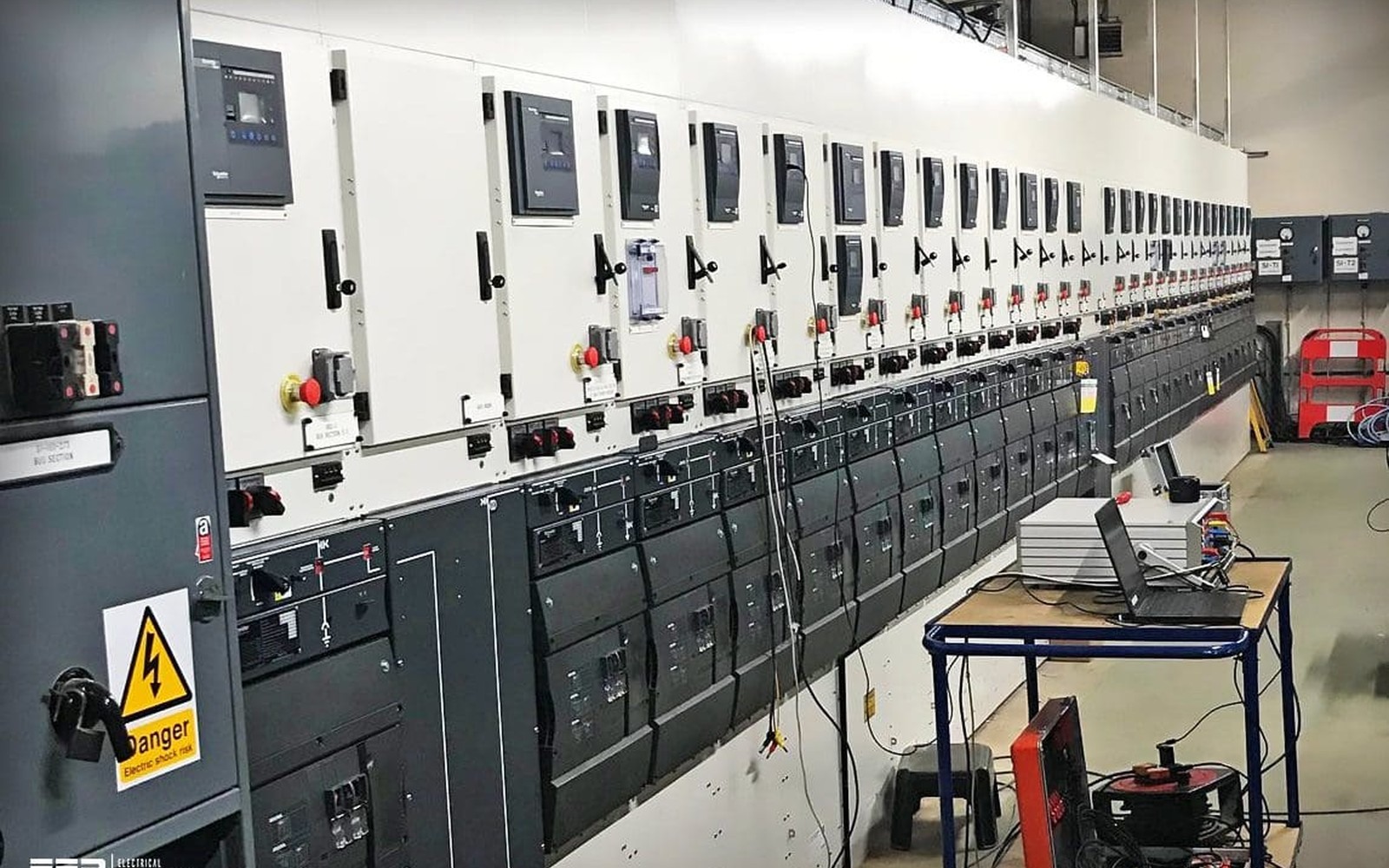
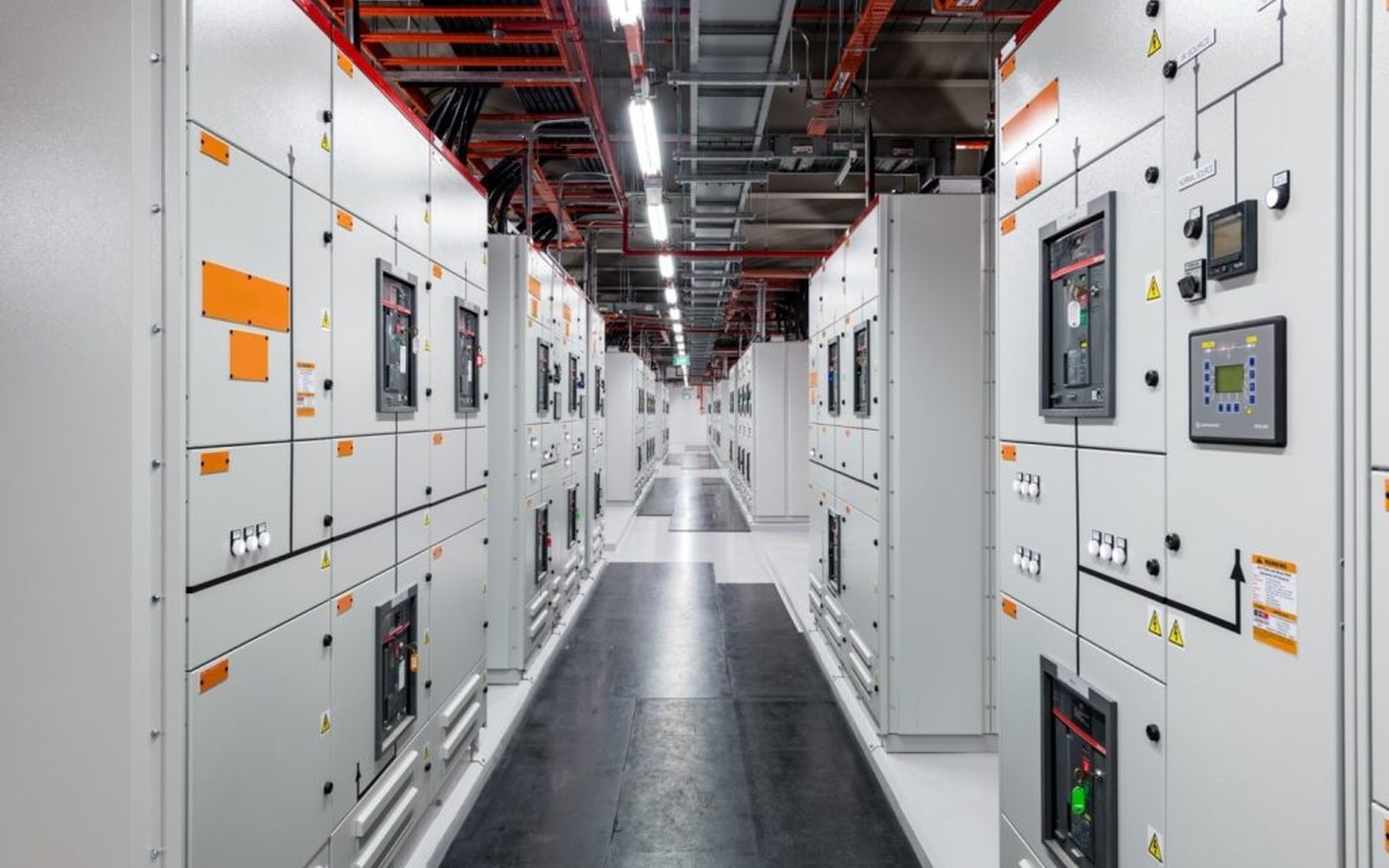
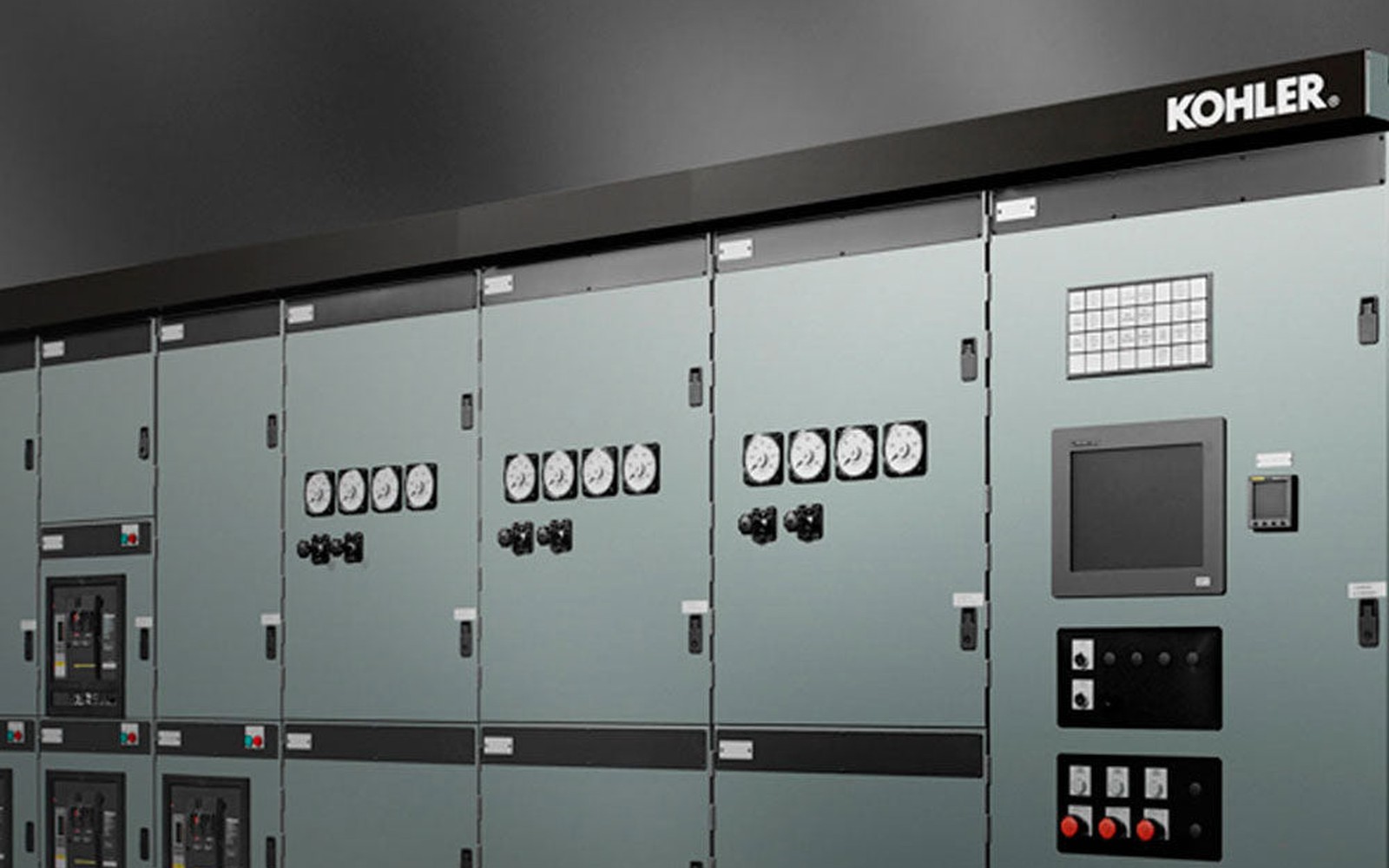
We structure loans and leases on switchgear, transformer assemblies, motor control center lineups, paralleling schemes, and the full distribution stack from $50,000 up. Application-only processing works to roughly $400,000. Above that, three months of business bank statements plus standard financial documentation. Funding in about one to two weeks from a complete file. The purchase order goes out before the job clock slips.
Silicon Valley's Power Demand Is Structural, Not Cyclical
San Jose and the surrounding valley have been adding electrical load faster than the transmission infrastructure can keep up. PG&E has had to upgrade substations serving North San Jose and the Alviso corridor to handle the density of data center and semiconductor demand. That means new utility tie-in gear, new step-down transformers, new protective relay packages. The gear is expensive, lead times are long, and the projects move fast. Those three facts together define the financing problem this market faces.
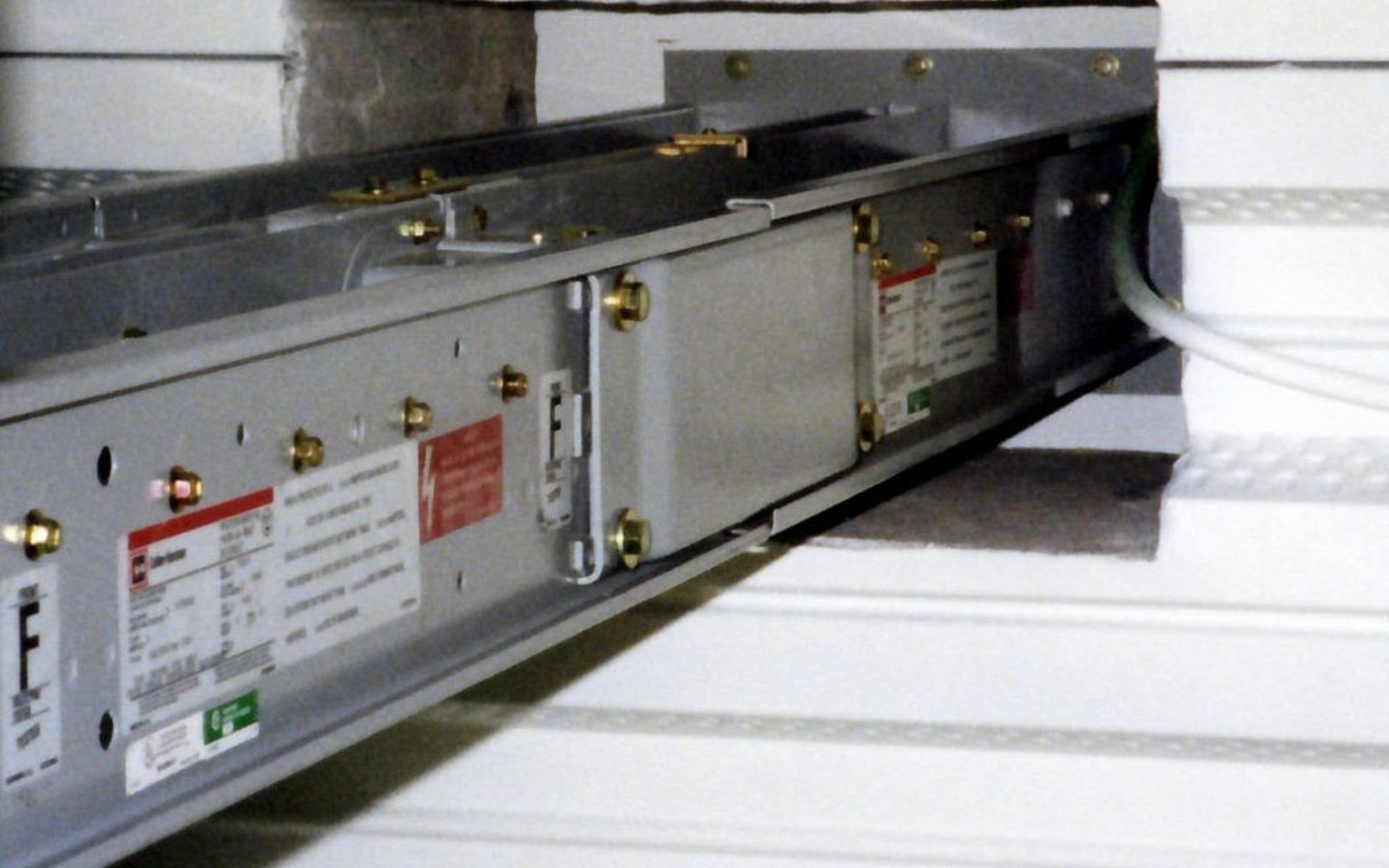
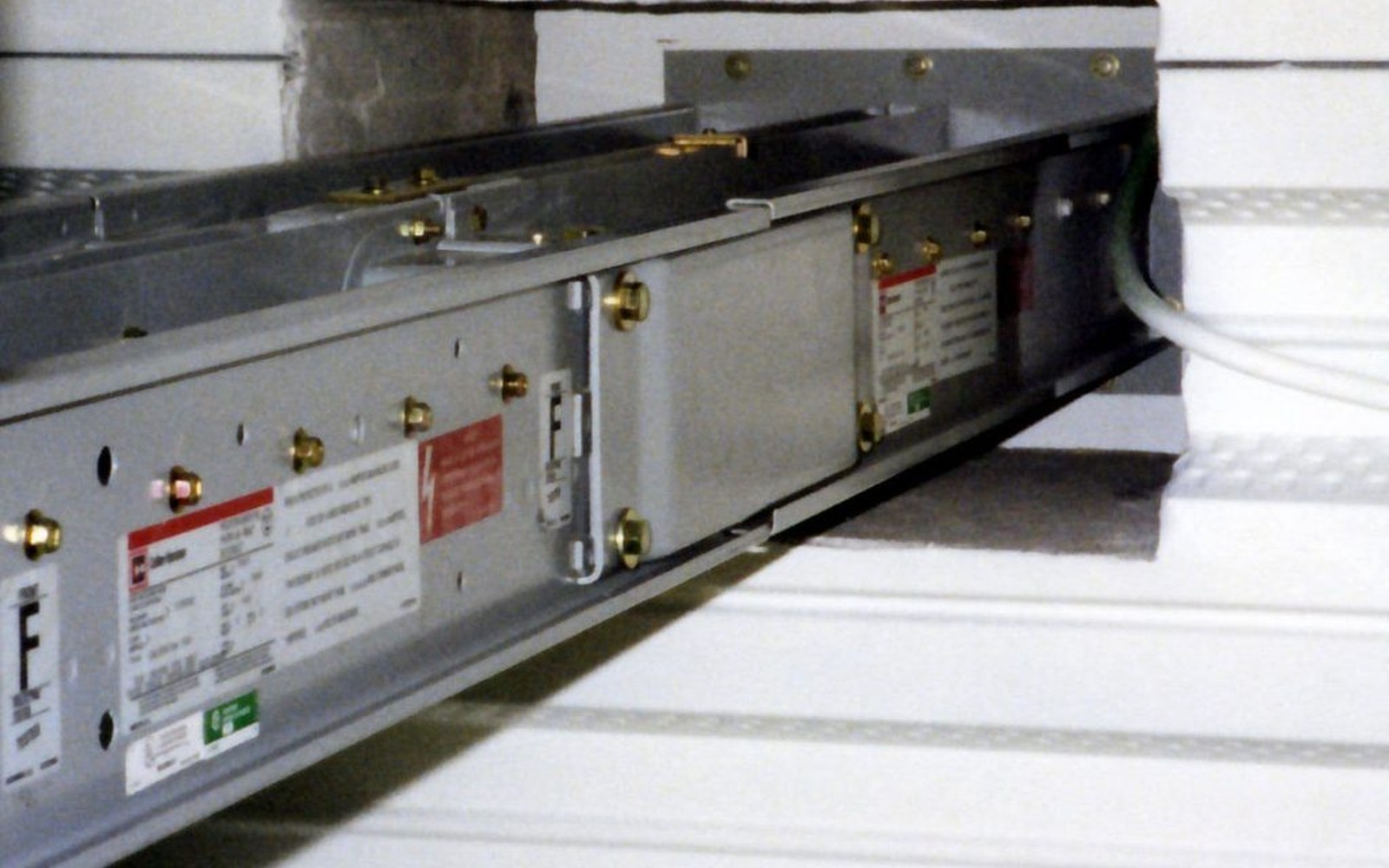
Semiconductor fabs are the heaviest users per square foot. A 300mm wafer fab running in volume production pulls tens of megawatts continuously. Tool power is delivered through power distribution units and overhead busway systems that run through the fab bay. Retrofitting or expanding those systems means precise scheduling around maintenance windows that may come once a quarter. A late gear delivery holds the entire expansion. We can advance funds against purchase orders already in production, so the manufacturer holds the slot and the lead time clock does not restart.
Data centers along the North First Street corridor and out toward Milpitas have a different but equally rigid timeline: lease commitments to customers are tied to power-on dates, and a utility energization that slips by 30 days is a contract penalty. Automatic transfer switches, paralleling switchgear, and static transfer switches are the gear that keeps those facilities on spec. We finance all of it.
What We Finance In The Valley
The most common ticket size in this market is a medium-voltage section with a transformer and a low-voltage distribution board, running $150,000 to $600,000 for a single point of distribution. That range fits well within application-only processing below $400,000 or the bank-statement tier above it. We do not require a full audit for most deals in this range.
Industrial campus expansions in the Brokaw Road and Trimble Road corridors, lab and R&D facilities around the San Jose airport, and manufacturing buildouts in Milpitas and Fremont regularly produce these project profiles. The gear vendor is often a distributor supplying an Eaton, Siemens, or ABB lineup. Brand does not affect the financing structure. What matters is the quote, the collateral value of the gear, and the business's ability to service the payment.
Arc-resistant switchgear is specified on most new California commercial projects above 1,000A at medium voltage, which adds cost per section relative to older catalog gear. That increased unit cost makes financing more economical than ever. Holding $400,000 in switchgear on the company's balance sheet while waiting 45 weeks for delivery and then waiting 60 days for the GC to pay is a cash position few contractors want. A loan spreads the cost and frees the capital for the next bid.
Used and refurbished gear also moves in this market. Contractors decommissioning older tech campuses pull out serviceable switchgear and resell it. Tested and recertified units at 40 to 60 percent of new cost can land on a job and perform for another 15 years. We finance refurbished gear from qualified dealers, typically requiring a test report or inspection certificate on equipment over five years old.
Timeline From Application To Funded
The process is short by design. Submit the one-page application plus the vendor quote or purchase order. For deals below $400,000, that is the file. For deals above, add three months of business bank statements. We do not need business plans, appraisals, or lengthy financial packages for standard gear purchases.
First response on most applications is 24 to 48 hours. Once approved, the funding timeline is roughly one to two weeks, driven by documentation turnaround rather than underwriting complexity. If the vendor needs a wire by a certain date to hold a production slot, we work to that date. Progress and deposit financing is available for large orders where the manufacturer requires a 20 to 30 percent deposit at order placement and staged payments through production. That structure is common with Powell, ABB, and some Eaton lineups on large medium-voltage projects.
We also fund equipment already delivered and energized through a sale-leaseback arrangement. If you bought the gear outright with operating cash and want to recover that capital without taking the equipment offline, this is the mechanism. We purchase the gear at fair market value, you get the cash, and you lease the equipment back on a fixed monthly schedule. The gear stays in service. Your capital goes back to work.
Contractors And Owners Who Finance Here
Electrical contractors holding a C-10 license and taking commercial and industrial work across the Bay Area are the core customer. The job is awarded, the schedule is locked, and the EC has to buy gear before the GC pays. Financing the equipment purchase bridges that gap without touching the contractor's bank line or slowing the next bid cycle.
Technology company facilities teams handling campus electrical upgrades are another regular customer. A company adding a second generator, expanding a data hall, or retrofitting an older switchyard does not always want to capitalize the project all at once. Equipment loans amortize the cost over the useful life of the asset, which is standard capital budgeting. Data center operators and industrial manufacturers both use this structure regularly.
EV charging infrastructure developers, particularly those building out Level 3 DC fast-charging sites across Santa Clara County, are a growing customer segment. Each charging site needs a transformer upgrade, a utility interconnect, and often pad-mounted switchgear at the service entrance. Those projects hit $100,000 to $300,000 per site on the electrical side alone. We finance the electrical gear as a standalone asset package, which is faster than trying to wrap it into a project loan.
Businesses that took hits in the past two years, whether from supply chain delays, project cancellations, or general tightening, are not automatically out. B credit and C credit files are reviewed on their merits. The gear's collateral value, the current bank balance, and the project context all inform the decision. A strong project contract from a creditworthy owner goes a long way toward offsetting a thin credit file.
Get Terms On Your San Jose Project
Quote in hand, gear on order, or still in the design phase, we can structure financing around your schedule. Send us the project scope and we will respond within 24 hours with what a deal looks like. No application fee and no commitment to apply.
Price This Switchgear Financing Package
Send the quote, seller, lead time, deposit requirement, project location, and the electrical package scope. We will review the structure around the purchase schedule.
Review Switchgear TermsCommon Questions on Switchgear Financing in San Jose, CA
Straight answers before you send the equipment file.
Can I finance a gear package that is already in production with the manufacturer?
Yes. We can advance against a purchase order already placed and in production. We need the original PO, any deposit confirmation, and the manufacturer's expected ship date. Funding can go to the vendor directly to cover the remaining balance, or to you for reimbursement if you paid in full.
We have a multi-site rollout across several Bay Area locations. Can we finance the gear as a batch?
Yes. Multi-site packages are structured as a single master agreement with individual schedules per location, or as separate agreements per site depending on how your accounting team prefers to track the assets. Either approach works, and pricing is typically more competitive on a larger aggregate commitment.
My company is two years old and we just won a significant commercial job. Can we qualify?
Two years in business with a contract in hand is a workable file. We need the application, bank statements for the past three months, and a copy of the signed contract or purchase order. Strong bank balances and a creditworthy project owner offset the shorter operating history.
Can I do a sale-leaseback on gear we bought with cash last quarter?
Yes, provided the gear is unencumbered (no existing lien) and we can verify value through the original purchase documents or an appraisal. We will purchase the gear at an agreed fair market value and lease it back to you on a fixed-payment schedule. The equipment stays in service throughout.
Does the financing cover installation labor and freight in addition to the equipment itself?
Equipment loans and leases are structured on the hard cost of the gear itself. Soft costs like installation labor, freight, and commissioning are generally not financed through an equipment loan. If the project is large enough, a project finance or construction loan structure may cover the full scope, but that is a different product and a different conversation.
We spec arc-resistant gear for our California projects, which costs more. Does that affect the financing?
Higher unit cost is not a problem, it just moves the ticket size up. Arc-resistant gear is standard collateral. The additional cost per section is already priced into most Bay Area project budgets, and lenders that finance electrical equipment are familiar with it. If your total package is above $400,000, the file simply moves to the bank-statement tier instead of application-only.
Review The Switchgear Financing in San Jose, CA Package
Send the equipment quote, seller, lead time, deposit schedule, and project location. The finance desk will review the package against the actual procurement calendar.