

Service Areas
Switchgear Financing in Richmond, VA
Richmond's manufacturing base, port-adjacent logistics facilities, and steady commercial construction pipeline keep electrical contractors and industrial operators moving gear constantly. A submittal approval does not wait for a bank to schedule a credit committee, and neither should financing. We close most transactions in one to two weeks from application, with project minimums at $50,000 and no hard ceiling for larger scopes.
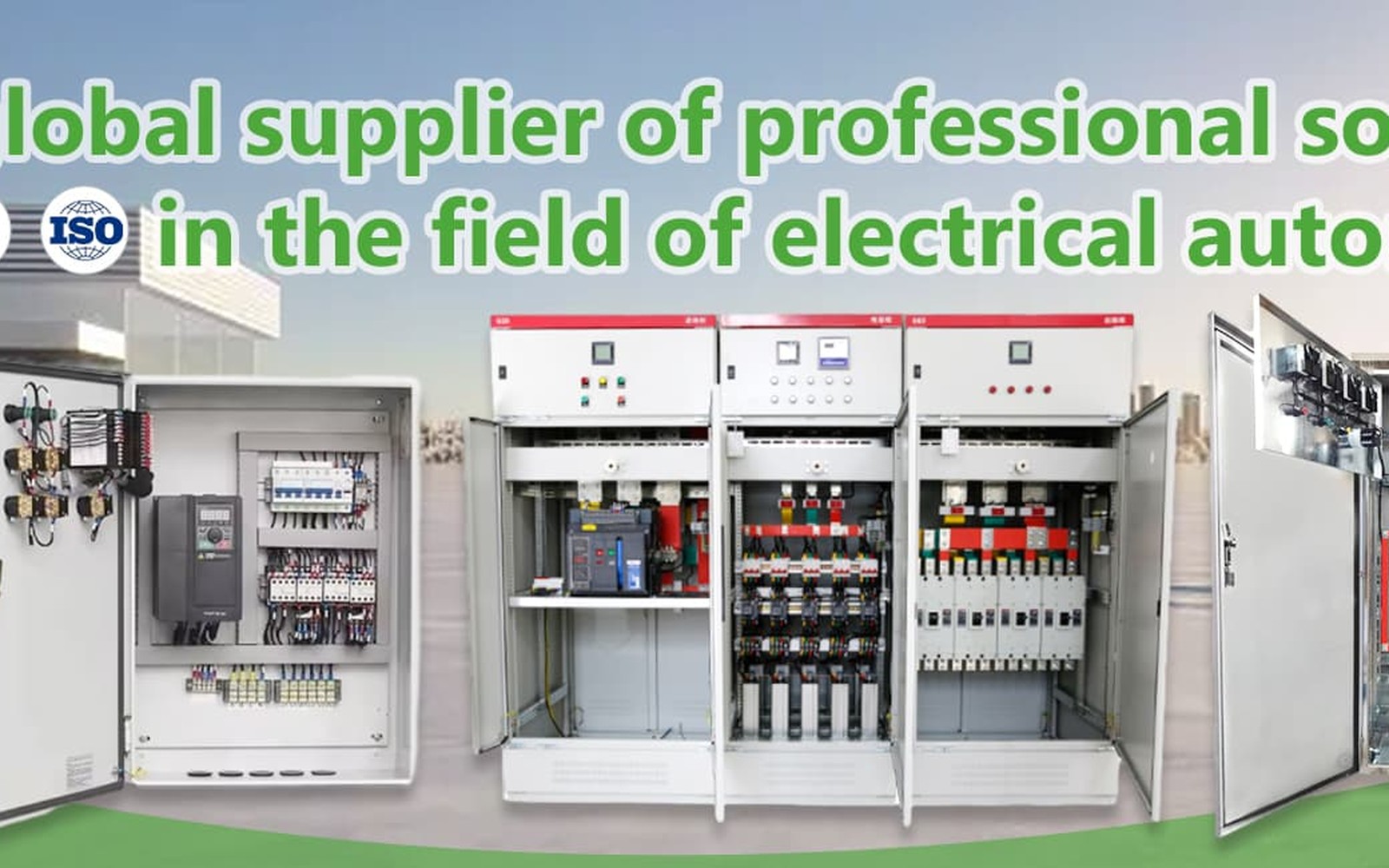
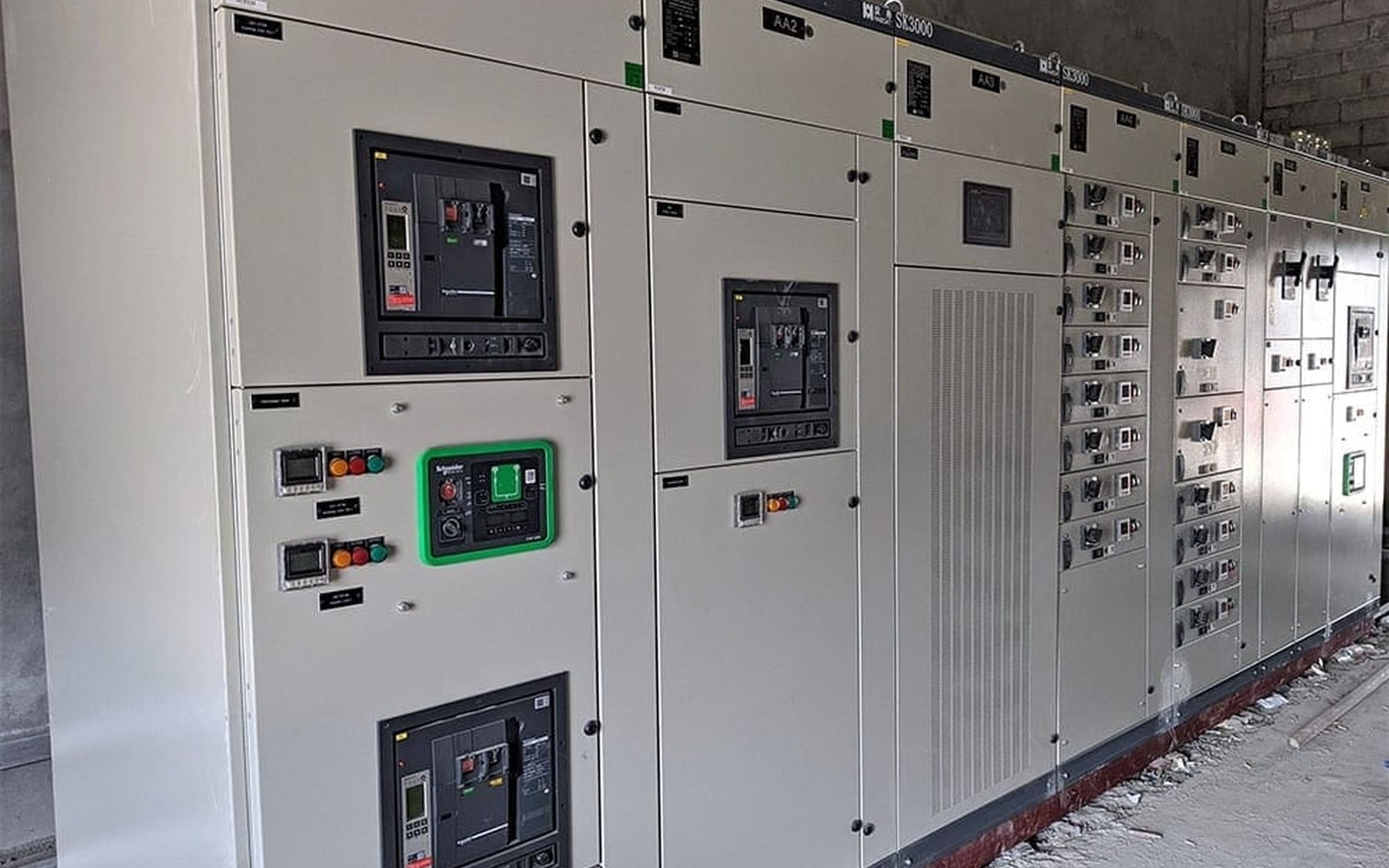
Whether the project is a factory floor motor control center replacement, a distribution switchboard for a new logistics warehouse, or a substation upgrade serving a utility customer, we finance the full equipment package. Used gear qualifies alongside new. B and C credit is considered. The application-only threshold runs to roughly $400,000, which covers most Richmond-area projects without requiring full financial statements.
Richmond's Electrical Equipment Demand
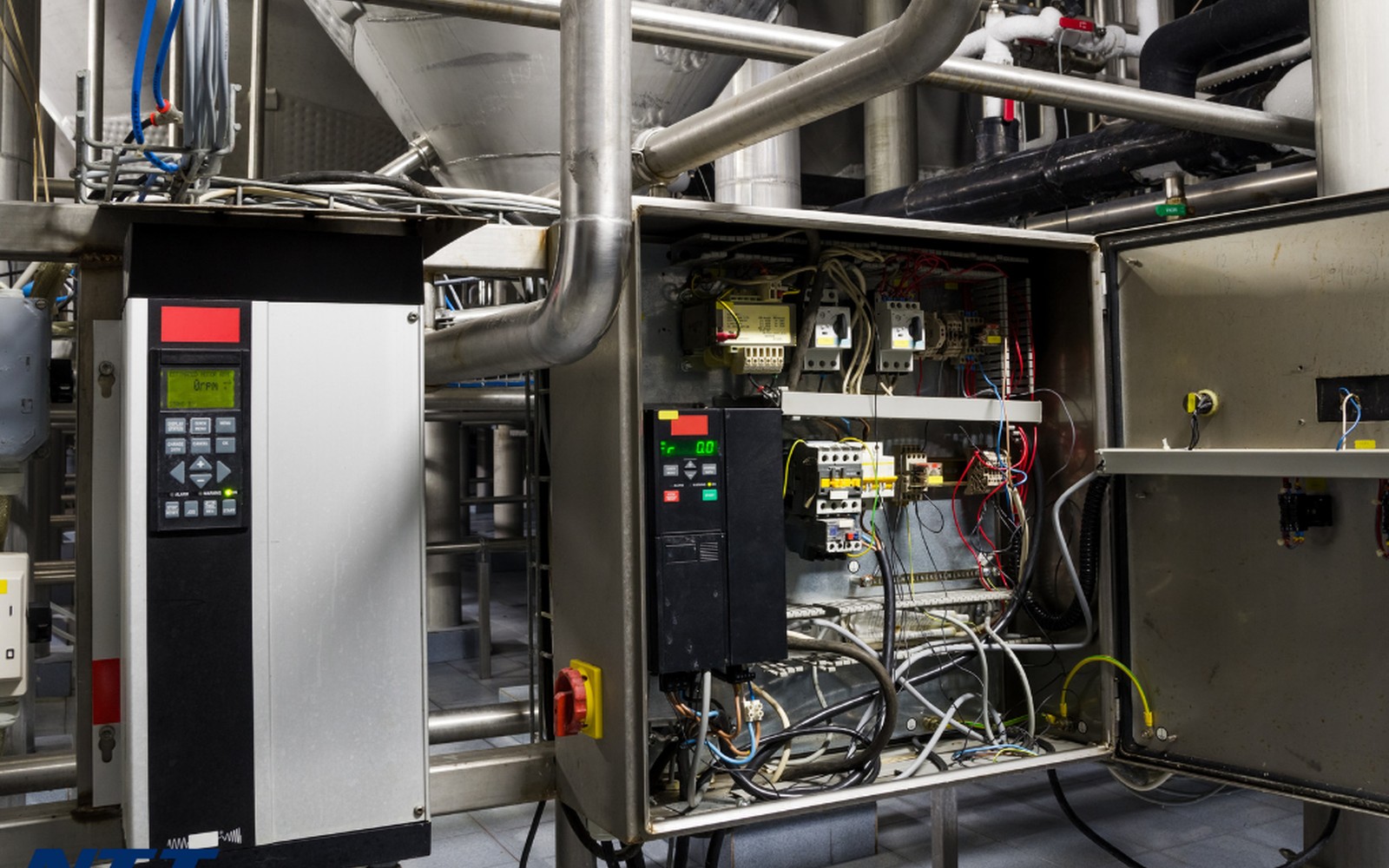
The Richmond metro sits at the intersection of manufacturing, logistics, and a growing technology sector. The Port of Richmond and proximity to the I-95 corridor support warehousing and distribution operations that routinely need switchgear upgrades when facilities expand. Automotive-adjacent manufacturers and food processing plants along the Route 1 and Chippenham Parkway corridors run large motor loads that depend on variable frequency drives and MCCs to manage them reliably.
Data center development has also reached Richmond, driven by its relative land availability and utility infrastructure compared to the saturated Ashburn corridor. Those projects bring medium-voltage distribution and paralleling gear requirements that are now part of the local contractor workload alongside traditional industrial and commercial projects.
Industrial and manufacturing operators represent the largest segment we serve in this market. Utility and co-op customers come in second, followed by commercial real estate developers adding electrical infrastructure to new build-outs. Each segment has different cash flow timing, and we structure financing to match the project accounting rather than a generic 60-month term.
Richmond contractors who work both industrial and commercial projects find that the same financing process applies regardless of the project type. A switchboard for a class A office building in Shockoe Bottom and a motor control center for a manufacturing facility along Route 360 are both financed the same way. The asset and the borrower are what matter, not the project category.
New Vs. Used Gear: Both Work Here
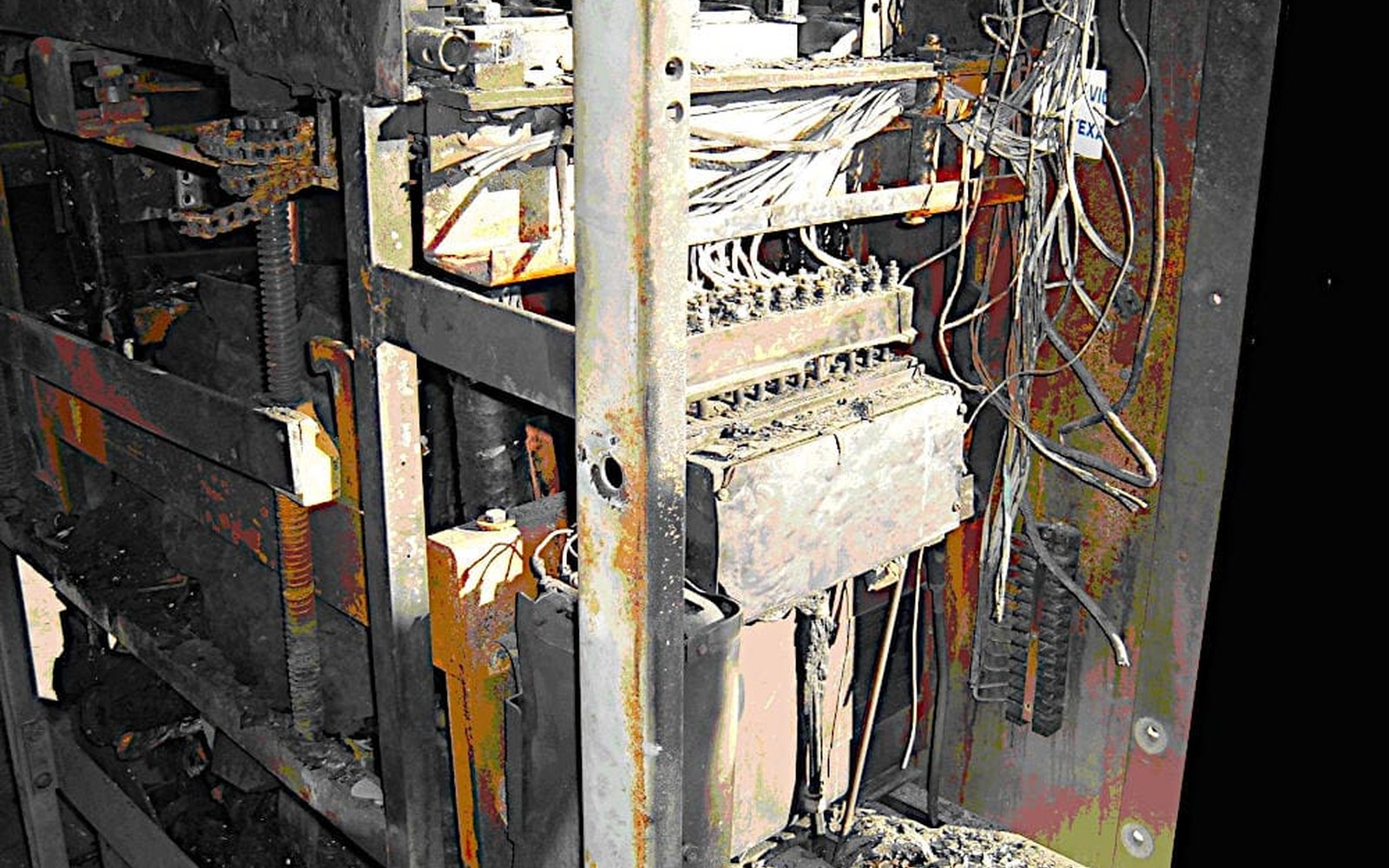
New gear from a manufacturer with a full warranty is straightforward to finance. Used gear takes a closer look at age, condition, and source, but it is not off the table. Contractors who purchase surplus switchgear from decommissioned industrial sites, or refurbished equipment from certified electrical distributors, can finance those purchases through us.
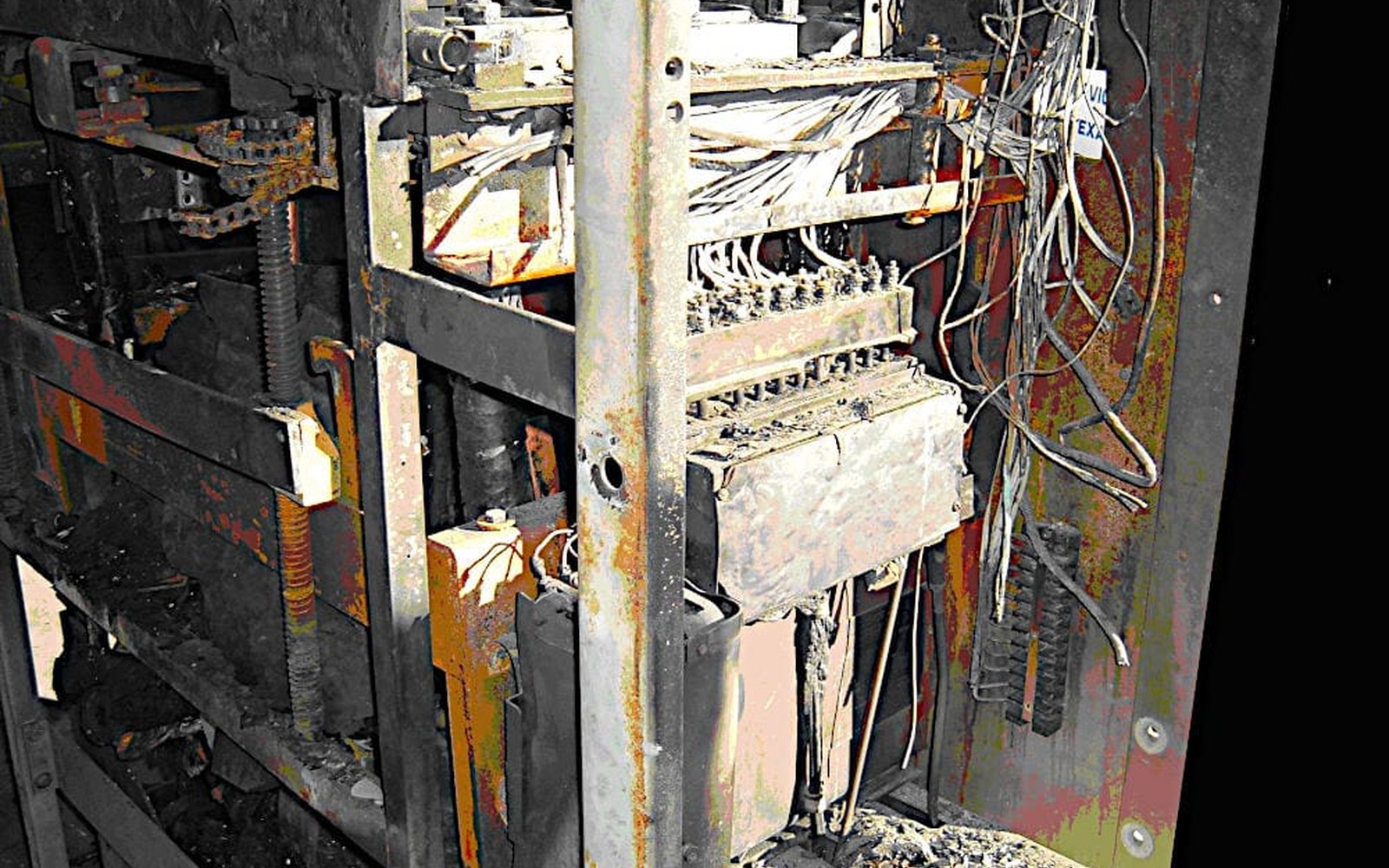
For used switchgear transactions, a clear title, documentation of the asset's condition, and a reputable seller go a long way. We have done enough of these to know the difference between gear that has had one careful owner and gear that should stay in a scrapyard. If you are evaluating a surplus purchase and want to know whether it qualifies before you commit, call us early in the process.
The cost difference between new and used on a large gear package can be substantial, and in some cases the used purchase with financing costs less than new out of pocket. That math is worth running before you default to ordering new on a tight budget.
Existing Gear As A Capital Source
If your firm has switchgear or transformers already in service, a Sale-Leaseback Financing converts that equipment equity into working capital without moving or interrupting the asset. The gear stays on-site and in operation. You receive a lump sum and pay it back on a fixed schedule over the agreed term.
This structure works well for contractors who have finished a project, own the installed gear, and need capital to mobilize on the next one before the completed project invoices are fully paid. Richmond's active construction market creates exactly that situation repeatedly. A cash-out refinance on owned equipment serves the same purpose with a slightly different structure. We can explain the difference and recommend which fits your situation better.
Who Uses Switchgear Financing In Richmond
Electrical contractors managing multiple open jobs at once are the most frequent borrowers. They carry purchase orders and quotes across several projects simultaneously and need to keep cash available for labor and materials that arrive before the gear does. Financing the gear preserves that liquidity.
Plant engineers and maintenance managers at manufacturing facilities use financing when a capital budget cycle does not align with a repair or replacement timeline. A failed dry-type transformer or an aging switchboard that can no longer pass an infrared inspection does not wait for next year's budget. Financing closes the gap.
Developers and general contractors who are responsible for the electrical scope on a project sometimes carry the gear on their balance sheet through construction. Financing that scope with a clear payoff tied to project completion reduces the working capital drain during the build.
Terms For Richmond Electrical Transactions
Equipment loans with fixed monthly payments over 36 to 84 months are the standard structure. Shorter terms cost less in total interest but require higher monthly payments. Longer terms reduce monthly cash outflow. We present both options so you see the real difference before committing.
Lease structures are available when off-balance-sheet treatment matters or when the equipment has a defined upgrade cycle. A fair market value lease includes an end-of-term option to buy the equipment at appraised market value, return it, or renew. A dollar buyout lease functions more like a loan, with ownership passing at a nominal payment at the end of the term. For switchgear and transformers with 20-plus-year useful lives, the dollar buyout often makes more practical sense.
For manufacturers and contractors who want to capture tax benefits in the current year, Section 179 deductions apply to equipment placed in service during the tax year on a loan structure. The deduction is available whether you finance or purchase outright. Your accountant should confirm the current limits and how your specific transaction qualifies. We describe the financing structure options; the tax planning is your team's territory.
Richmond contractors and plant operators dealing with the annual cycle of capital allocation sometimes find that equipment financing bridges the gap between a project that is operationally urgent and a budget process that moves on a different schedule. Financing closes that timing gap and lets the maintenance plan run on the equipment's timeline rather than the budget cycle's.
Get Financing For Your Richmond Electrical Project
$50,000 minimum. Application-only to $400,000. Decisions in one to two weeks. Reach out with your project scope and we will put together a structure that fits your timeline and budget.
Price This Switchgear Financing Package
Send the quote, seller, lead time, deposit requirement, project location, and the electrical package scope. We will review the structure around the purchase schedule.
Review Switchgear TermsCommon Questions on Switchgear Financing in Richmond, VA
Straight answers before you send the equipment file.
Can I finance a motor control center replacement for a factory that is still operating?
Yes. We finance equipment for operating facilities as well as new builds. The install schedule does not affect the financing structure. We fund to the vendor and you coordinate the installation separately.
My business is two years old. Do I qualify?
Two years in business with steady revenue is generally sufficient for the application-only process. Startups and newer businesses can still qualify with stronger documentation or a different structure. Call us and we can assess your specific situation.
What happens if my gear order gets delayed by the manufacturer after I close financing?
We work with you and the vendor to adjust the funding date to match actual shipment. You are not paying on a loan for gear sitting in a factory. We have handled this situation before and have straightforward procedures for it.
Can I roll installation costs into the financed amount?
In some cases, yes. Soft costs like installation and freight can sometimes be included up to a percentage of the equipment value. This depends on the lender and the transaction structure. Ask about it when you apply.
Is there a prepayment penalty if we pay the loan off early?
That depends on the specific lender and structure. Some products have a prepayment clause, some do not. We will spell this out before you sign anything so there are no surprises.
Review The Switchgear Financing in Richmond, VA Package
Send the equipment quote, seller, lead time, deposit schedule, and project location. The finance desk will review the package against the actual procurement calendar.