
Service Areas
Switchgear Financing in Washington, DC
Federal construction budgets, commercial high-rise retrofits, and an expanding data center footprint in the DMV keep electrical project schedules running in parallel across dozens of active sites. Gear lead times do not accommodate procurement delays, and a submittal cycle that runs eight weeks does not leave room for a six-week bank process on top of it. We close most switchgear financing in one to two weeks, which is what this market actually requires.
We finance low-voltage switchgear, automatic transfer switches, power distribution units, substation transformers, and the full range of electrical distribution gear used in DC-area commercial, institutional, and federal projects. Minimums start at $50,000. Most DC-area projects run $200,000 to $2 million and up. Application-only to $400,000. B and C credit considered.
Who We Serve In The DC Market
Federal contractors and subcontractors working on GSA-managed renovations, VA hospital upgrades, and DoD facility modernizations routinely carry large gear purchase orders while waiting on progress payments from slow-paying government contracts. Financing the equipment purchase keeps those contracts moving without draining operating reserves.
Commercial real estate owners along K Street, in NoMa, and across the Maryland and Virginia suburbs are in a continuous cycle of building upgrades and tenant improvement work. Electrical infrastructure is often the pacing constraint. Commercial developers and property managers who finance gear can match the payment schedule to lease-up rather than carrying capital through a long construction period.
Electrical contractors based in the DMV carry more open purchase orders per firm than almost any other market because of the project density. Financing individual equipment packages preserves their line of credit for other uses and keeps their bonding capacity intact.
Healthcare systems and university campuses across DC also generate steady demand for switchgear upgrades. Hospital facilities teams dealing with aging infrastructure or capacity additions will find our process faster and less bureaucratic than institutional procurement.
Common Equipment We Finance In DC-Area Projects
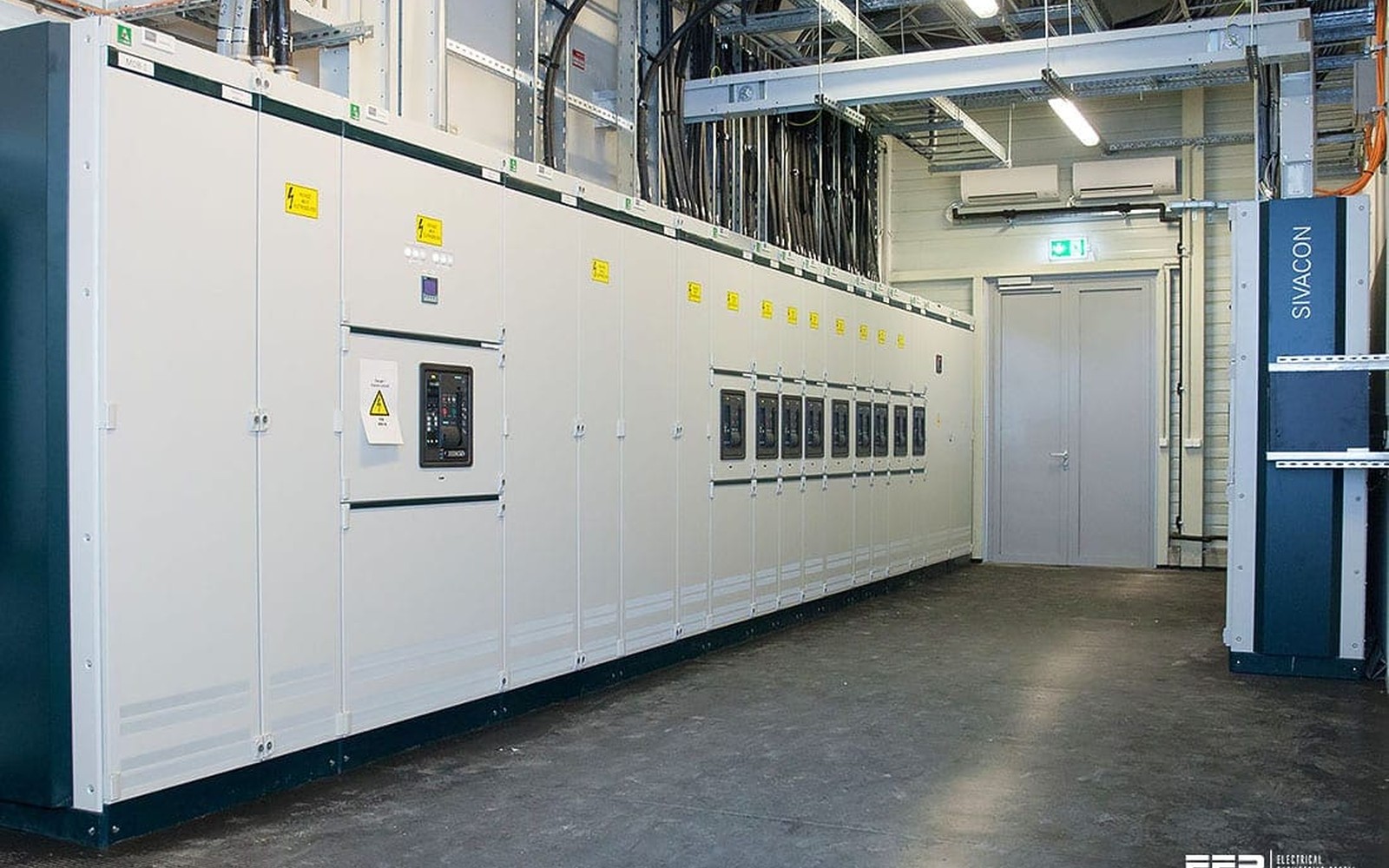
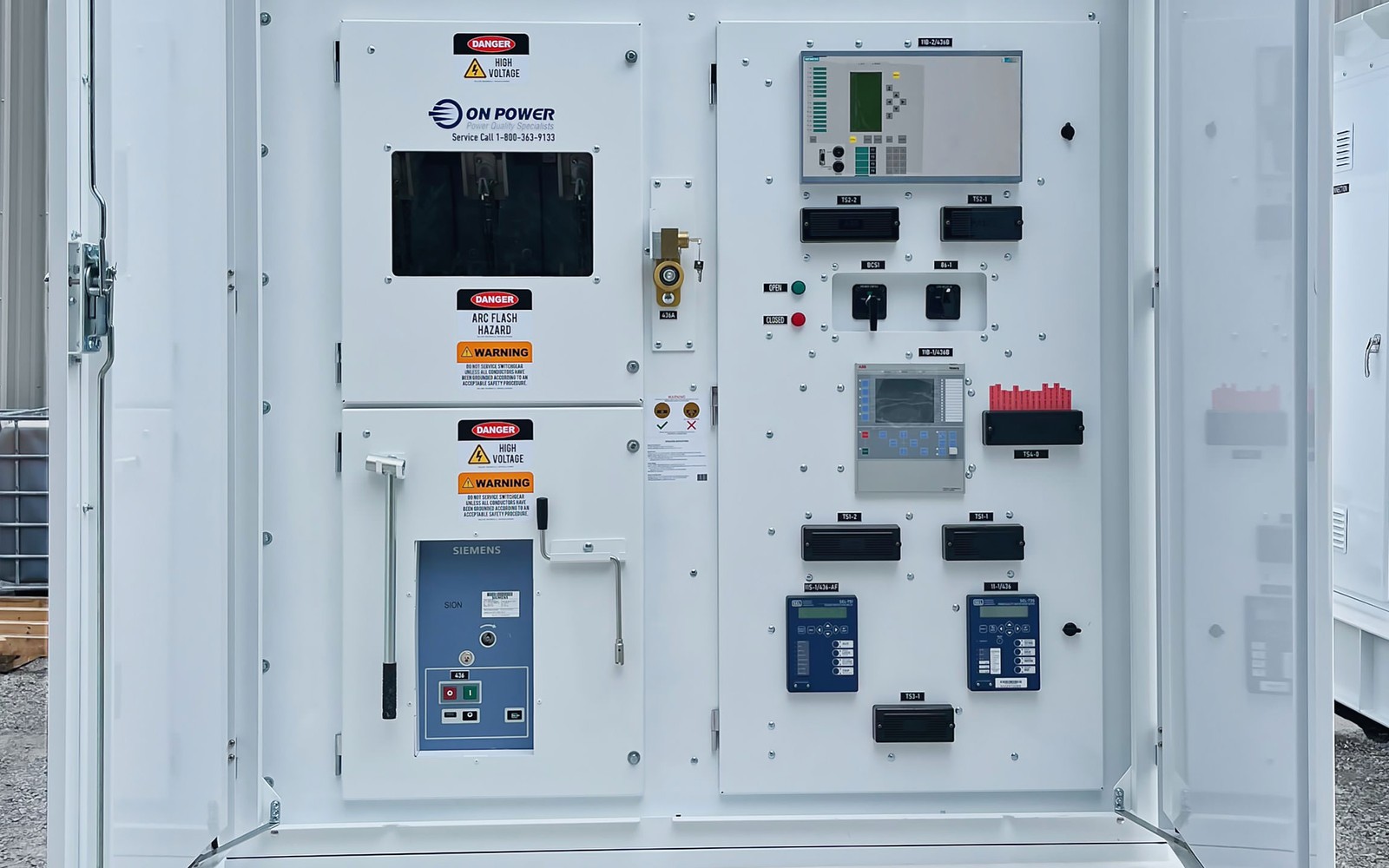
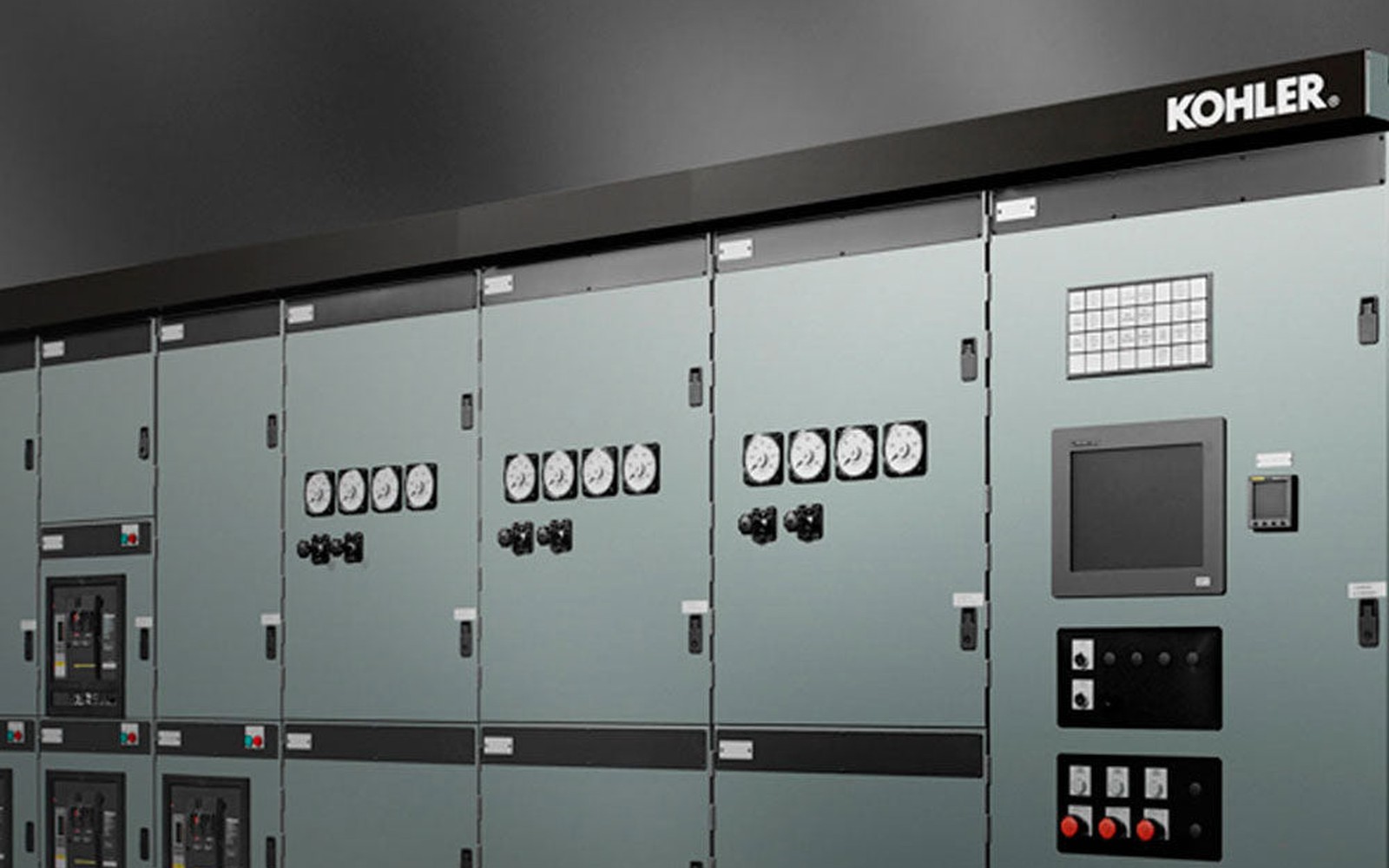
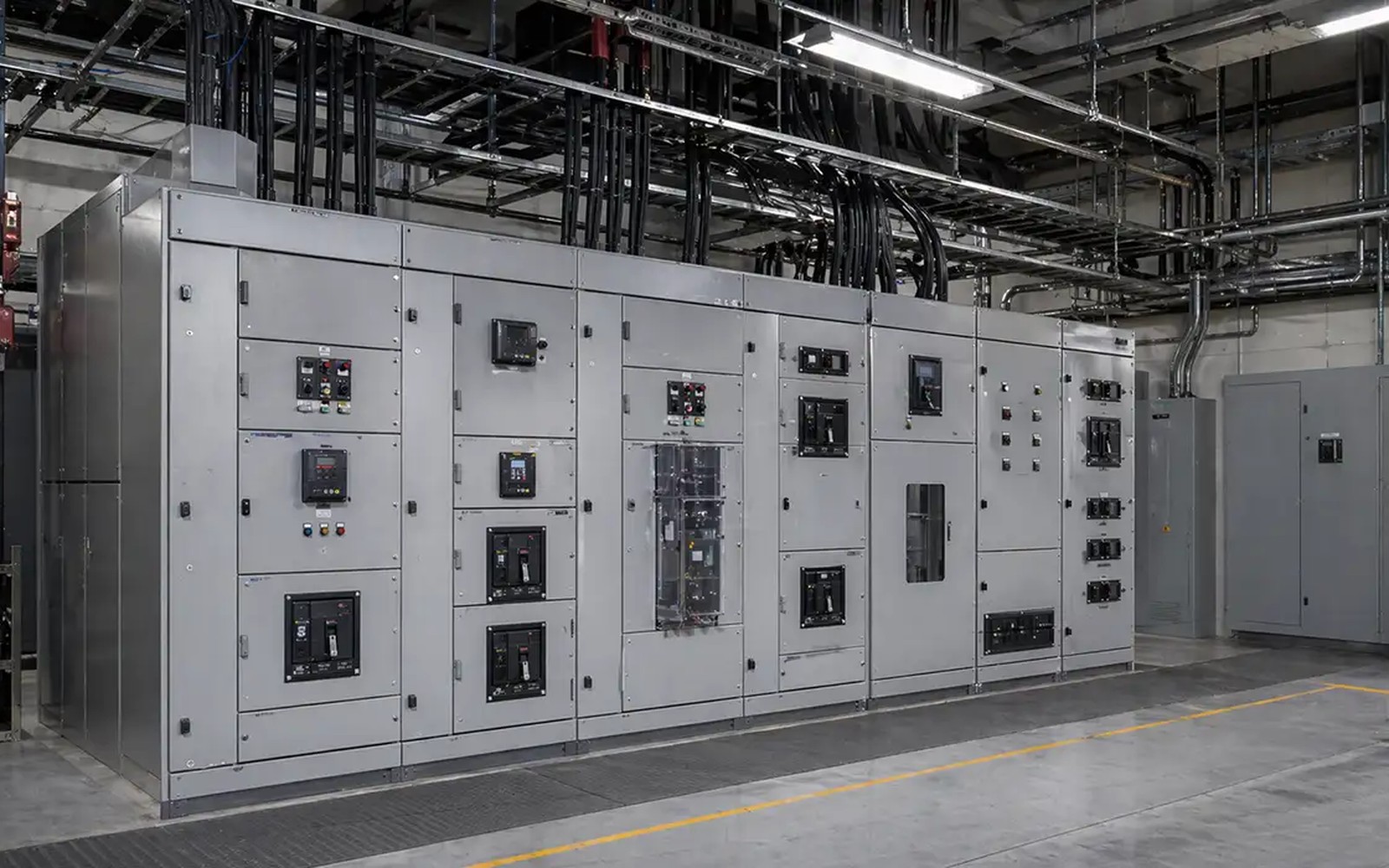
High-rise commercial buildings and government facilities in DC typically run medium-voltage service entrances with low-voltage distribution below. That combination means unit substations, switchboards, and panelboard distribution packages are the core of most projects. We finance each component as a package or individually depending on how contracts are structured.
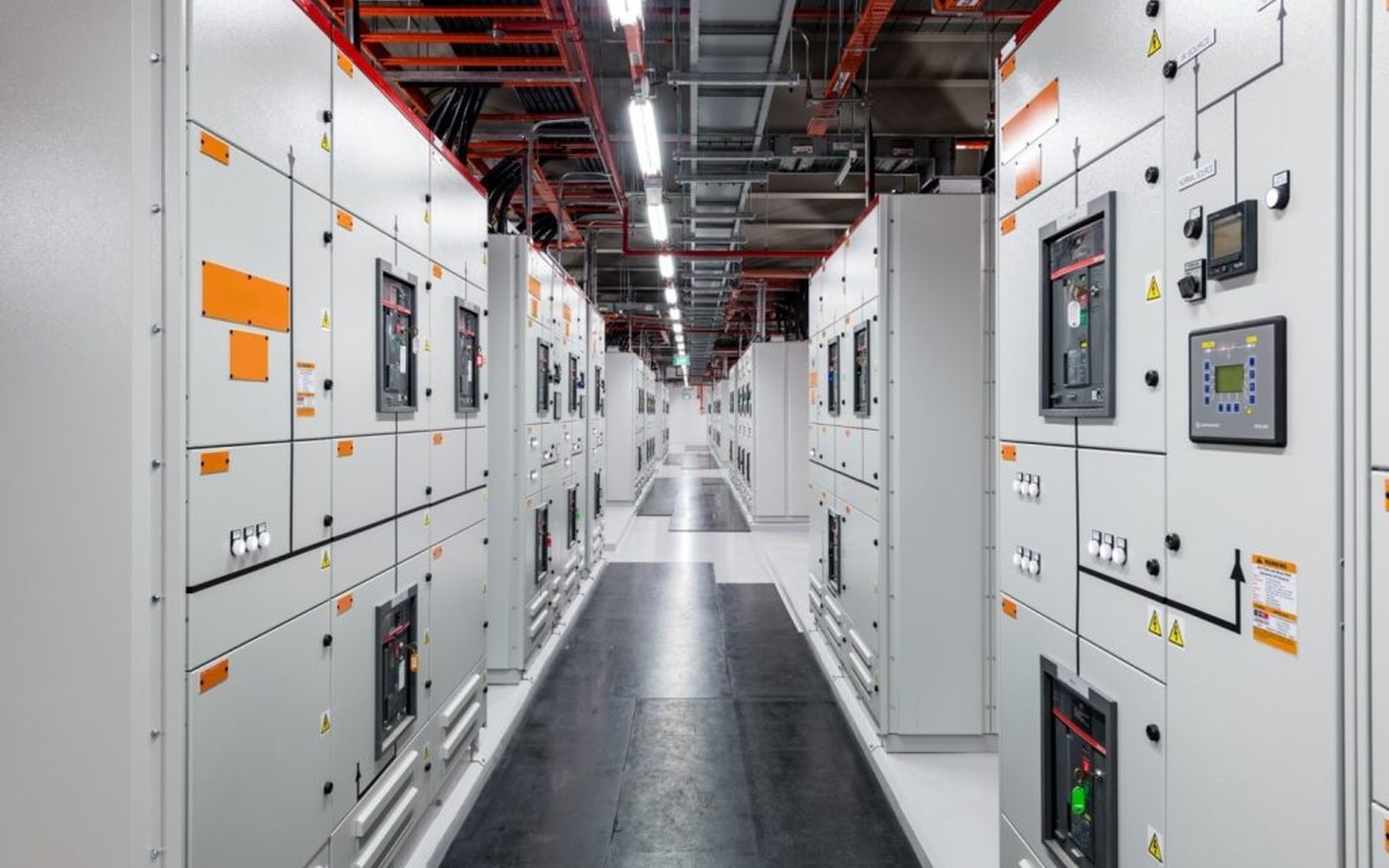
Critical facilities, including hospitals, data centers, and government command facilities, require paralleling switchgear for generator redundancy and ATS packages for automatic source switching. These are high-value, long-lead items that benefit most from financing that commits early and funds at delivery.
The DC market also has significant demand for UPS systems protecting critical loads in government buildings and financial institutions. Protective relay packages for substation protection and metering complete the picture for the utility-interface portions of large commercial projects.
For projects in the District itself, including those in historic buildings with constrained electrical rooms, gear specifications are often custom or non-standard. That does not complicate financing. We evaluate the asset's function and value, not whether it fits a standard shelf configuration. Custom switchgear assemblies for historic building retrofits in Georgetown or Capitol Hill finance the same as standard equipment elsewhere.
Documentation And Credit Requirements
For transactions up to roughly $400,000, the application and three months of bank statements cover it. Larger transactions add tax returns and possibly interim financials. We do not require appraisals on standard gear because we know the asset class well enough to underwrite without one.
Federal contractors often have strong contract backlog that does not show up cleanly in traditional credit metrics. We factor that in. A firm with a GSA schedule and active task orders looks different from a startup with no revenue, and we underwrite accordingly. If your credit profile is complex, call us before applying so we can give you an honest read on what is achievable.
B and C credit borrowers are welcome. We work with lenders who specialize in equipment financing rather than general commercial credit, and those lenders weight equipment collateral and cash flow more heavily than traditional banks. Equipment financing for B/C credit has different terms than investment-grade paper, but it gets projects funded when a traditional bank would take months to decline.
How Fast This Works In Practice
Day one: you submit the application and bank statements. Day two to three: we review and go to lenders with your file. Day five to seven: conditional approval. Day ten to fourteen: funding to vendor. That timeline assumes you have the vendor quote ready, which you almost certainly do if you are at the point of financing.
For contractors managing multiple active projects, we can set up a master facility that reduces the paperwork on each individual draw. Ask about this structure if you expect more than two or three transactions in a calendar year. It is common in high-volume DC and Northern Virginia markets.
Financing Terms For DC-Area Projects
Terms run 36 to 84 months with fixed monthly payments on loan structures. Lease structures are available for buyers who prefer off-balance-sheet treatment or who want an end-of-term upgrade option. We present both with real payment figures so you make an informed choice rather than defaulting to the structure we prefer.
Federal contractors and subcontractors often prefer to keep gear off their balance sheet during a project because government contract accounting has specific rules about how capital assets are treated in overhead rate calculations. A lease structure can address this for some types of federal contractors. Your contracts accountant should weigh in on which structure fits your FAR compliance requirements.
For DC-area transactions where depreciation benefits are a priority, bonus depreciation on financed switchgear placed in service during the tax year applies on loan structures. Current bonus depreciation percentages phase down over time, so the timing of when gear is placed in service matters. We do not give tax advice, but we flag this so you can raise it with your accountant before choosing between a loan and a lease.
Large transactions that require full financial documentation still close faster than a traditional bank process because we work with specialty equipment lenders who do not have the branch approval layers and committee schedules of a commercial bank. A $2 million switchgear package for a downtown DC commercial renovation takes additional documentation, but it closes in weeks, not months. Utility and co-op customers in the DC metro who need substation-class equipment have used this path successfully when utility procurement timelines required it.
Finance Your DC-Area Electrical Project
$50,000 minimum. Application-only to $400,000. Most transactions close in one to two weeks. Call or apply online to discuss your specific project and get a financing structure that fits your schedule and budget.
Price This Switchgear Financing Package
Send the quote, seller, lead time, deposit requirement, project location, and the electrical package scope. We will review the structure around the purchase schedule.
Review Switchgear TermsCommon Questions on Switchgear Financing in Washington, DC
Straight answers before you send the equipment file.
Can a federal subcontractor use equipment financing when the prime contract has slow progress-payment terms?
Yes, and this is one of the most common use cases we see. Financing the gear separately from the contract payment cycle means you are not waiting on a slow-paying prime to buy equipment you need now.
Does the government contractor status of my company affect the financing structure?
It can affect how we present your file to lenders, usually favorably. Contract backlog on government work is a legitimate indicator of revenue stability even when the cash has not arrived yet.
I need to finance both the switchgear and the installation crew. Can financing cover both?
Equipment financing covers the gear. Installation labor is harder to collateralize and typically falls outside the scope. Some soft costs attached to the gear, like freight and startup commissioning, can sometimes be included. We will tell you what applies to your transaction.
What if I need the financing commitment letter before the vendor will accept the PO?
We can issue a conditional commitment letter once you have an approval, usually within a week of application. That letter is typically sufficient for a vendor to confirm the order.
Is a lease structure available for equipment that might be replaced or upgraded within five years?
Yes. A fair market value lease gives you a buyout or return option at end of term, which makes sense for equipment you expect to upgrade on a predictable cycle. We can show you the cost difference versus a loan.
Review The Switchgear Financing in Washington, DC Package
Send the equipment quote, seller, lead time, deposit schedule, and project location. The finance desk will review the package against the actual procurement calendar.