
Service Areas
Switchgear Financing in Chicago, IL
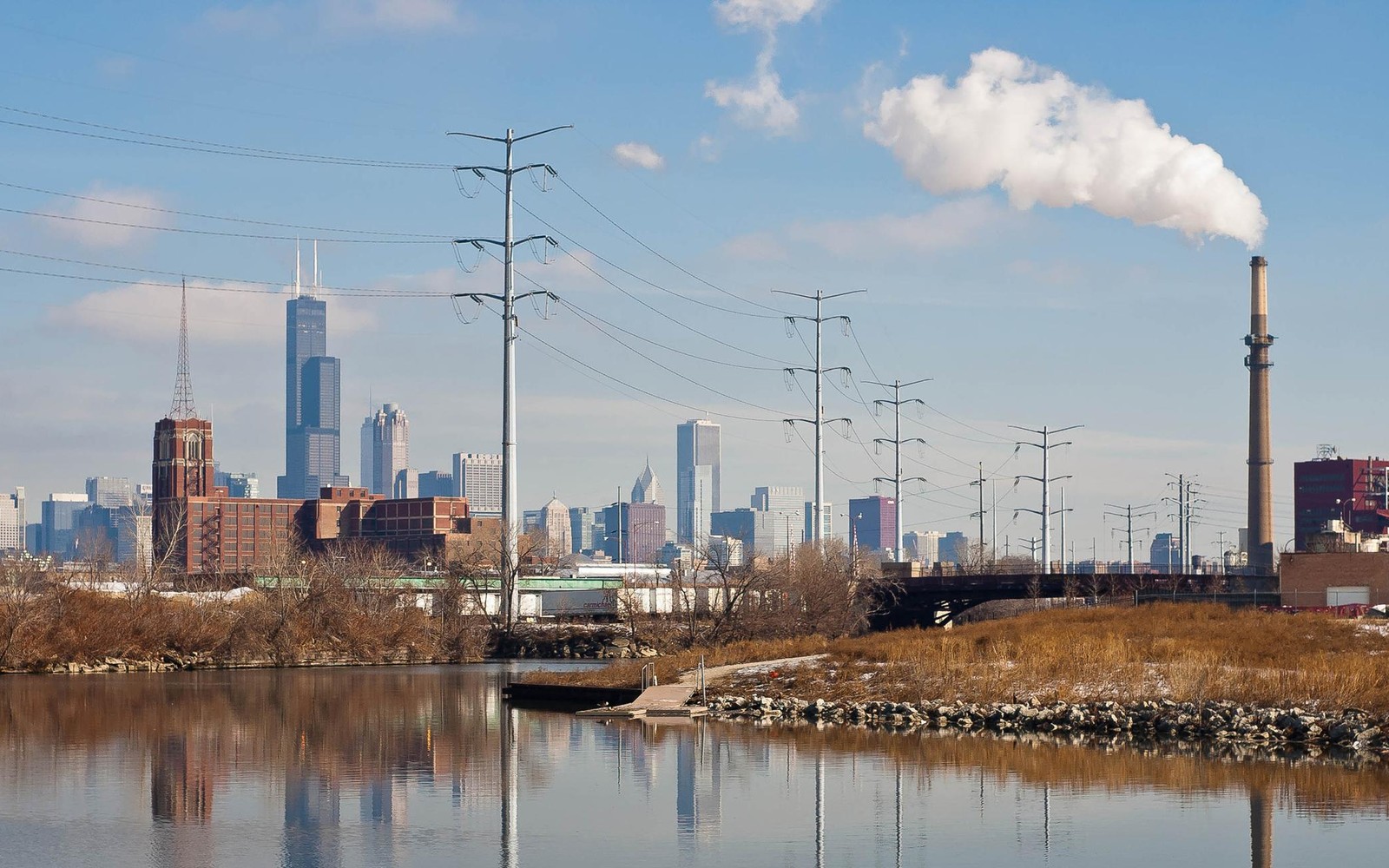
Chicago's steel industry legacy, dense manufacturing base along the I-55 and I-290 corridors, and one of the country's largest data center markets in the suburbs create constant demand for switchgear and power distribution equipment. An electrical contractor in this market moves from a cold storage facility expansion to a data center substation to a manufacturing plant MCC replacement without pausing. That pace requires financing that does not add schedule risk. We close most transactions in one to two weeks.
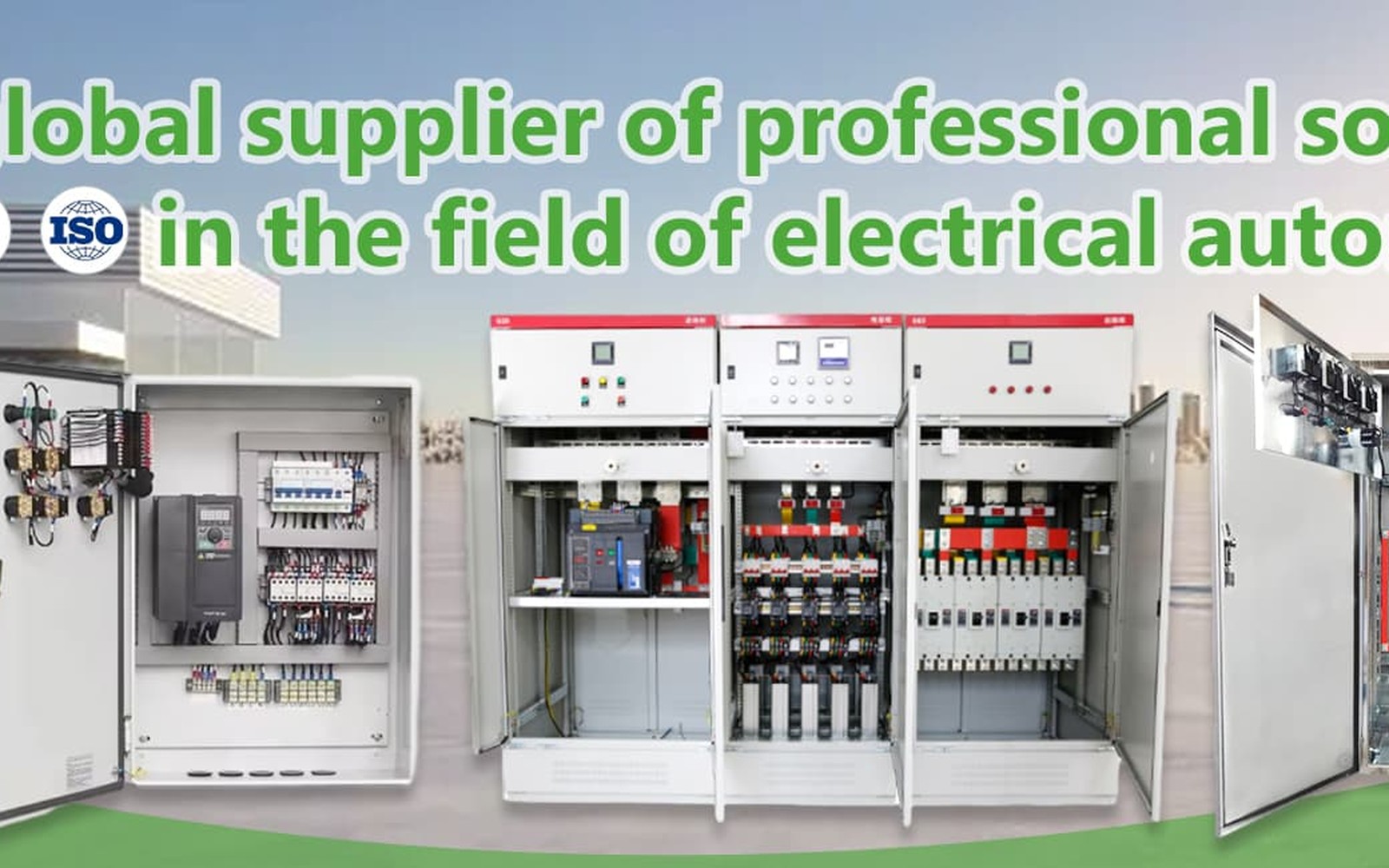
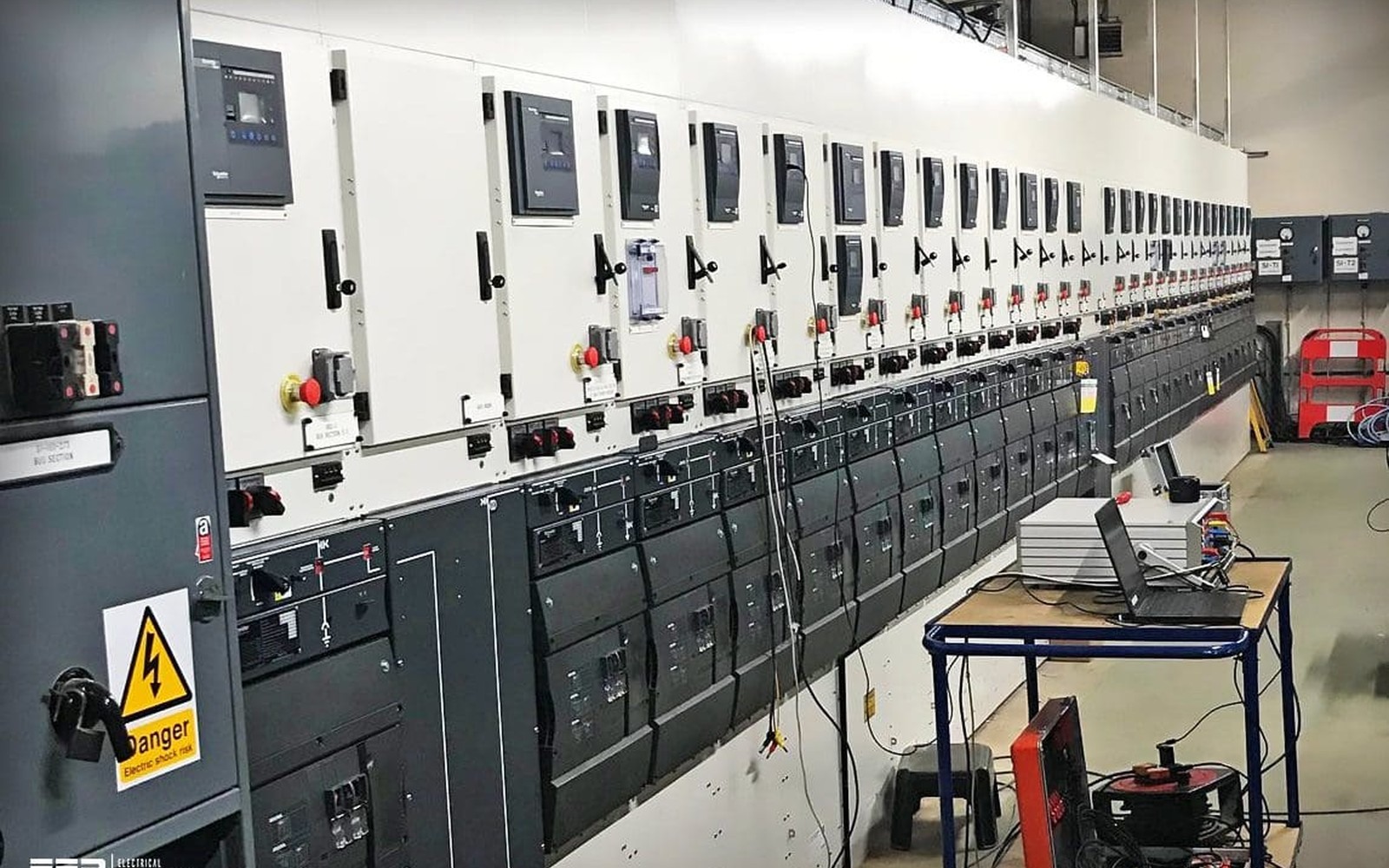
We finance motor control centers, medium-voltage switchgear, dry-type transformers, ATS packages, and the full distribution gear range across Chicago and the northern Illinois suburbs. $50,000 minimum. Application-only to $400,000. B and C credit considered.
Chicago's electrical market is large enough that a contractor can build a strong business serving just one segment: data centers, industrial manufacturing, or commercial construction. Each of those segments has specific gear requirements and financing dynamics. We serve all three and our lender relationships cover the full range of equipment values and project types that each segment generates. If you are growing into a new segment and want to know how financing works for that category, call before you apply and we will walk you through it.
Chicago's Switchgear Market
The northern and western Chicago suburbs, particularly the Elk Grove Village industrial park, the I-88 technology corridor, and the I-55 logistics belt, generate more industrial and commercial electrical contractor volume than almost any comparable metro in the country. Elk Grove Village alone is the largest industrial park in the United States by area, with hundreds of manufacturing and distribution facilities each running their own electrical distribution infrastructure.
Chicago's data center market is concentrated in the Elk Grove, Aurora, Bolingbrook, and Lisle corridors. These facilities require the same critical power infrastructure as major coastal data center markets: paralleling switchgear, medium-voltage distribution, and large UPS systems. Data center operators in the Chicago market have consistent financing needs tied to capacity expansion and redundancy upgrades.
The city's industrial base, including steel and metals processing, food manufacturing, chemical production, and plastics operations, runs substantial VFD packages and medium-voltage motor control centers for large process motors. These are high-value assets with long useful lives and strong collateral positions for financing.
Chicago's union labor environment means that electrical contractors in Cook, DuPage, and Lake Counties deal with specific wage and work rules that affect project cash flow timing. Prevailing wage rates and apprenticeship ratios are fixed by union agreement rather than negotiated per job. Financing the equipment scope separately from labor keeps the gear procurement moving on its own timeline rather than being held to the rhythm of the labor draw cycle on larger prevailing wage projects.
Who Uses Switchgear Financing In Chicago
Electrical contractors across Cook, DuPage, and Lake Counties carry some of the largest open purchase order books of any market in the country. Financing equipment purchases preserves credit line capacity for bonding and overhead, and keeps working capital available for payroll and materials that arrive before the gear does.
Cold storage and food processing operators in the Chicago area are on a continuous capital cycle. Refrigeration motor loads, conveyor systems, and processing equipment all run through MCC and VFD infrastructure that requires periodic replacement. These are not optional upgrades; they are required to keep the plant running to specification.
Commercial real estate owners and developers in the Chicago CBD and suburbs use equipment financing for building electrical upgrades tied to tenant requirements and system age. A tenant demanding 2,000-amp service in a 40-year-old building triggers a switchgear replacement that the building owner may not have budgeted for.
Illinois Application Process
Application plus three months of business bank statements for transactions under $400,000. Tax returns and interim financials for larger files. We submit to specialty lenders within 48 hours. Conditional approval in five to seven business days. Funding within 10 to 14 calendar days of a complete submission.
Illinois contractors dealing with prevailing wage and union labor requirements often have specific project cash flow structures. Financing the equipment separately from the labor cost gives them better cost control across the full project budget. We work with that project accounting structure regularly and understand how it affects timing.
For manufacturers and industrial operators, a Sale-Leaseback Financing on existing owned equipment can generate capital for a major upgrade without requiring new bank credit or hitting a capital budget ceiling. The existing gear stays in service and you fund the new scope with the equity it contains.
Terms For Chicago Equipment Transactions
Fixed-rate loans on 36 to 84 month terms are standard. Lease structures with end-of-term buyout or return options are available for buyers who prefer that structure. We outline the total cost difference in plain numbers, not rate comparisons that require a calculator to interpret.
Section 179 benefits apply to financed switchgear in the year it is placed in service. For Illinois businesses with a profitable tax year and a capital equipment purchase, the deduction is worth running through your accountant before choosing between a loan and a lease. We can explain the financing structure implications at a general level.
Who Uses Equipment Financing In Chicago
Electrical contractors in Elk Grove Village and across the Chicago suburbs carry the largest construction purchase order volumes in the Midwest. A contractor working an Elk Grove industrial park build-out, a downtown office renovation, and a data center expansion simultaneously manages a gear purchasing program that can easily exceed $1 million in open orders. Financing each project's gear separately from the others keeps working capital intact and the contractor's bonding capacity unaffected.
Food processing and cold storage operators in Chicago's industrial belt have continuous electrical upgrade requirements tied to production line changes and refrigeration system expansions. Cold storage and food processing facilities require motor control and VFD systems that are expensive and have specific lead times. When a production line change requires a new MCC section or a VFD replacement that was not in the capital budget, equipment financing is the right tool.
Commercial real estate owners in the Loop and the Chicago suburbs deal with aging electrical infrastructure in buildings constructed in the 1960s through 1980s that have reached or passed the end of their switchgear's useful life. Property owners managing planned and unplanned switchgear replacements in occupied buildings have used equipment financing to separate the electrical scope from the broader building capital budget.
Chicago's water and wastewater treatment infrastructure, managed by the Metropolitan Water Reclamation District, involves large pumping stations and treatment processes that depend on MCCs and VFDs for reliable operation. Contractors serving municipal utility projects in Chicagoland use equipment financing for gear purchases on contracts with slow public-entity payment cycles.
Finance Your Chicago Switchgear Project
$50,000 minimum. Application-only to $400,000. Transactions close in one to two weeks. Apply now or call to discuss your project scope and we will put a financing structure together quickly.
Price This Switchgear Financing Package
Send the quote, seller, lead time, deposit requirement, project location, and the electrical package scope. We will review the structure around the purchase schedule.
Review Switchgear TermsCommon Questions on Switchgear Financing in Chicago, IL
Straight answers before you send the equipment file.
I am an electrical contractor working in Elk Grove Village industrial park on multiple simultaneous jobs. Is there a facility structure that handles ongoing volume?
Yes. A revolving facility with a dollar ceiling that covers multiple draws as purchase orders are placed is the right answer for high-volume contractors. One approval, multiple draws, no fresh applications for each PO.
Can I finance a motor control center for a food processing plant that operates 24/7 and cannot be shut down for an extended period?
The operating schedule of the facility does not affect the financing. Installation sequencing is your concern, not ours. We finance the equipment; you and your customer coordinate the install window.
My company just moved from sole proprietorship to an LLC. Does the entity change affect financing?
An entity change can complicate the credit history trail. We look at the operating history of the underlying business regardless of entity structure. Document the continuity of the business through the change and we can present that context to lenders.
Does prevailing wage work affect how you underwrite my contractor file?
Not directly. Prevailing wage projects have different cost structures but they are still contracts with defined scope and payment terms. Your bank statements should reflect consistent revenue regardless of wage classification.
I have a ComEd interconnection upgrade requirement before I can expand my facility. Can I finance the switchgear required for that upgrade?
Yes. Utility interconnection infrastructure, including the customer-side switchgear required to meet ComEd's service requirements, qualifies as equipment financing the same as any other distribution gear.
Review The Switchgear Financing in Chicago, IL Package
Send the equipment quote, seller, lead time, deposit schedule, and project location. The finance desk will review the package against the actual procurement calendar.