

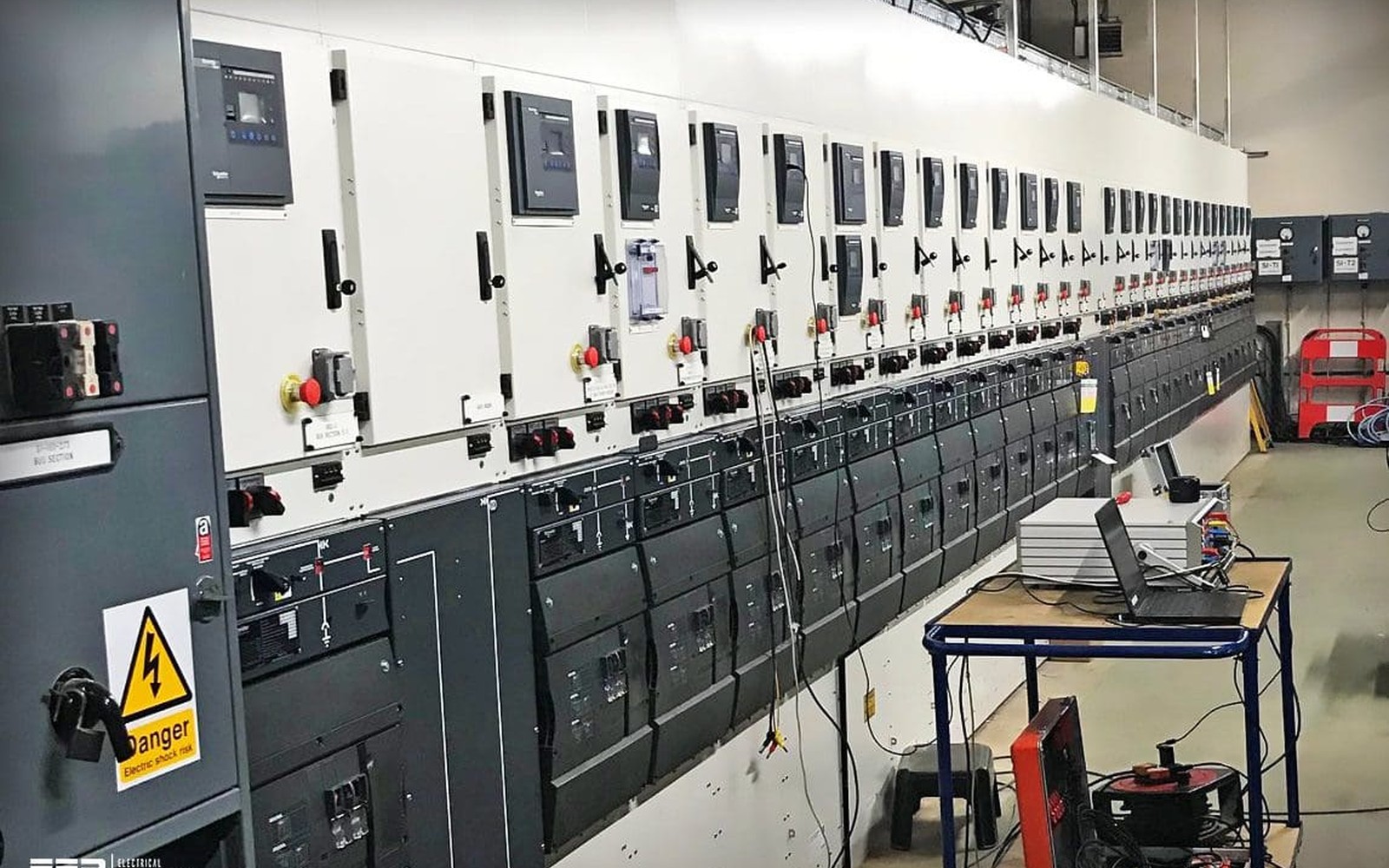
Switchgear Equipment
Medium-Voltage Circuit Breaker Financing
A medium-voltage circuit breaker sits at the point where the grid meets the facility, and its delivery date controls the energization date. These are not catalog items that ship from a warehouse shelf. Fabrication runs long, and locking in the order early is the only way to protect the schedule. Financing that confirms in days, not months, is what makes that possible.
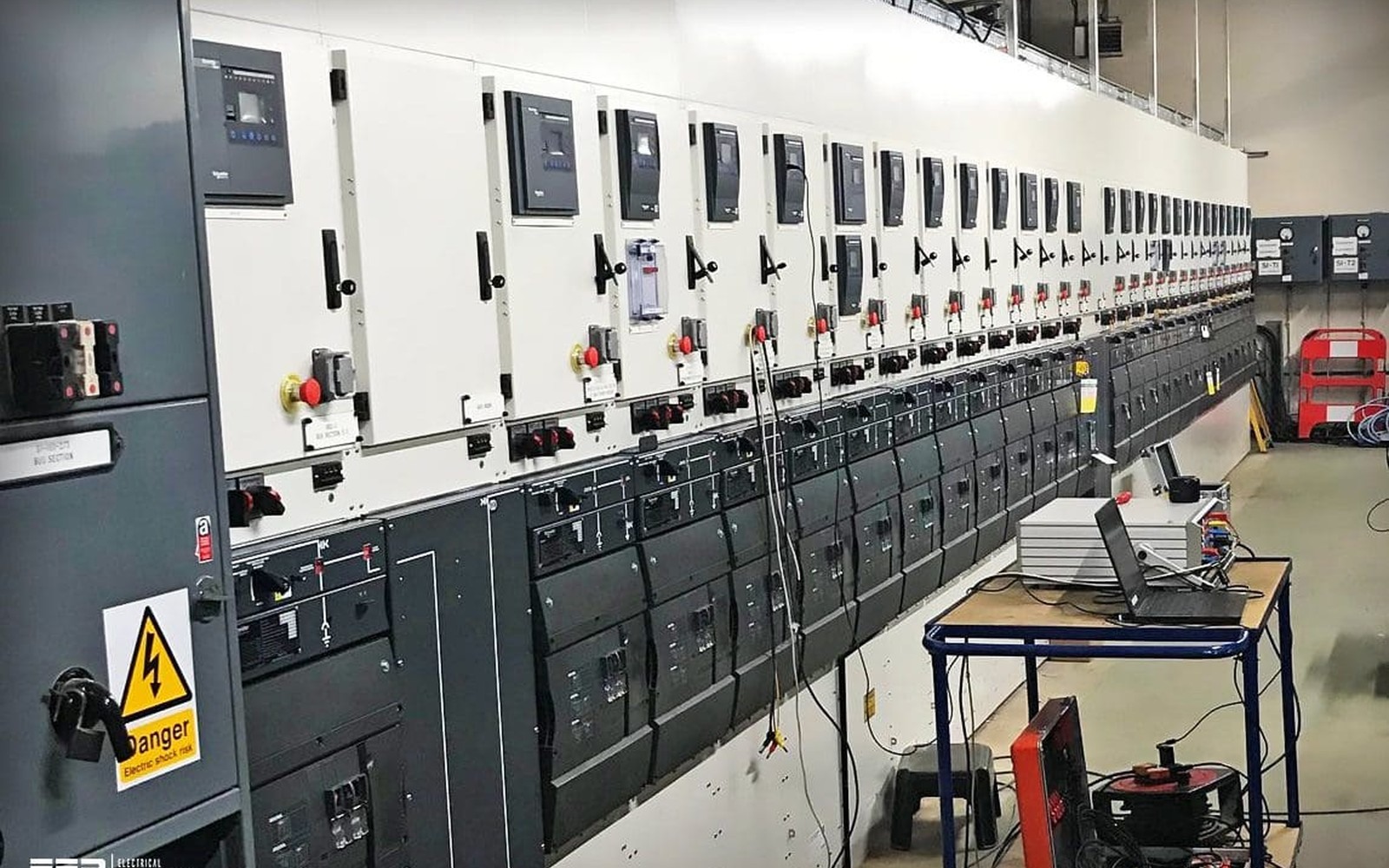
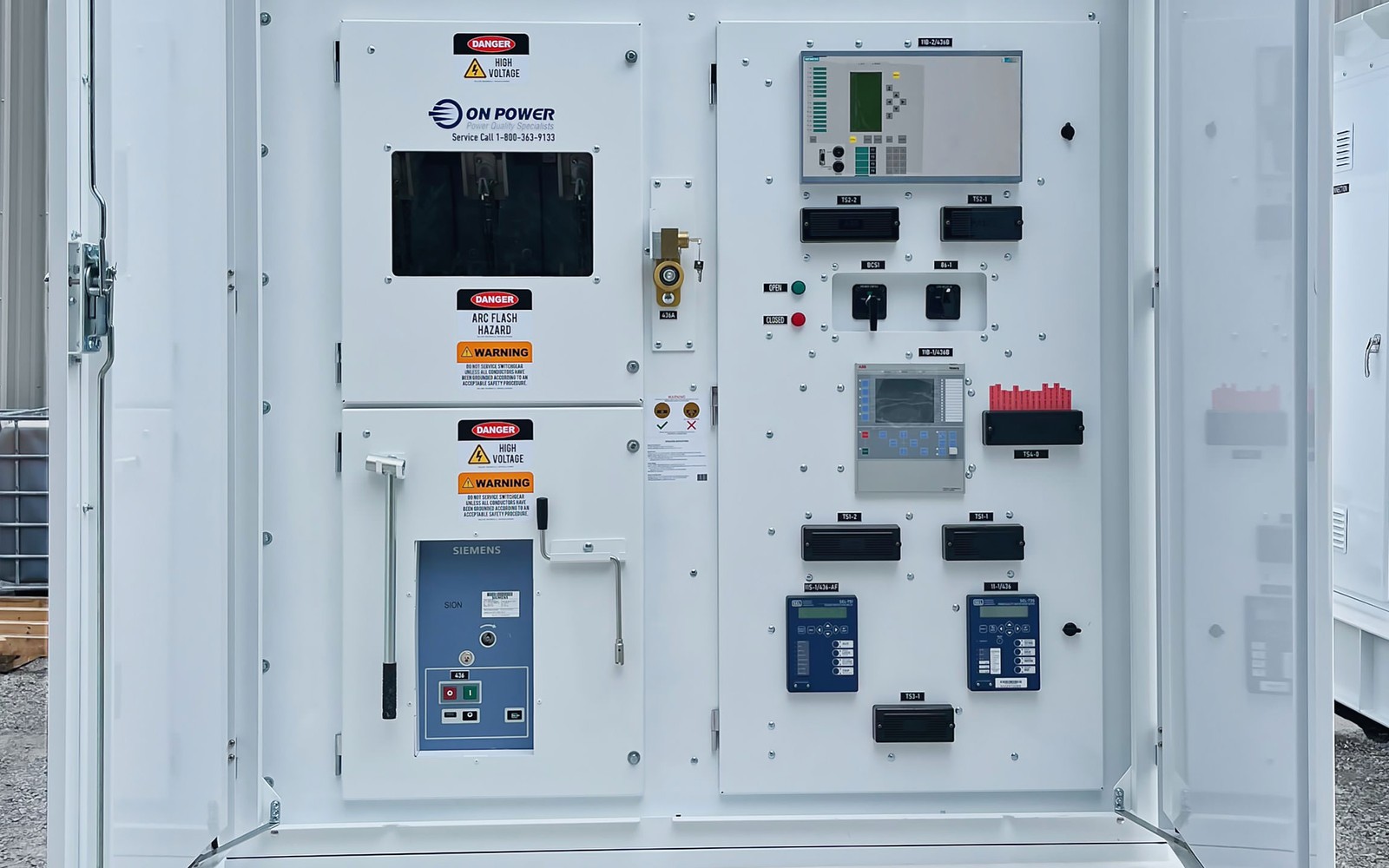
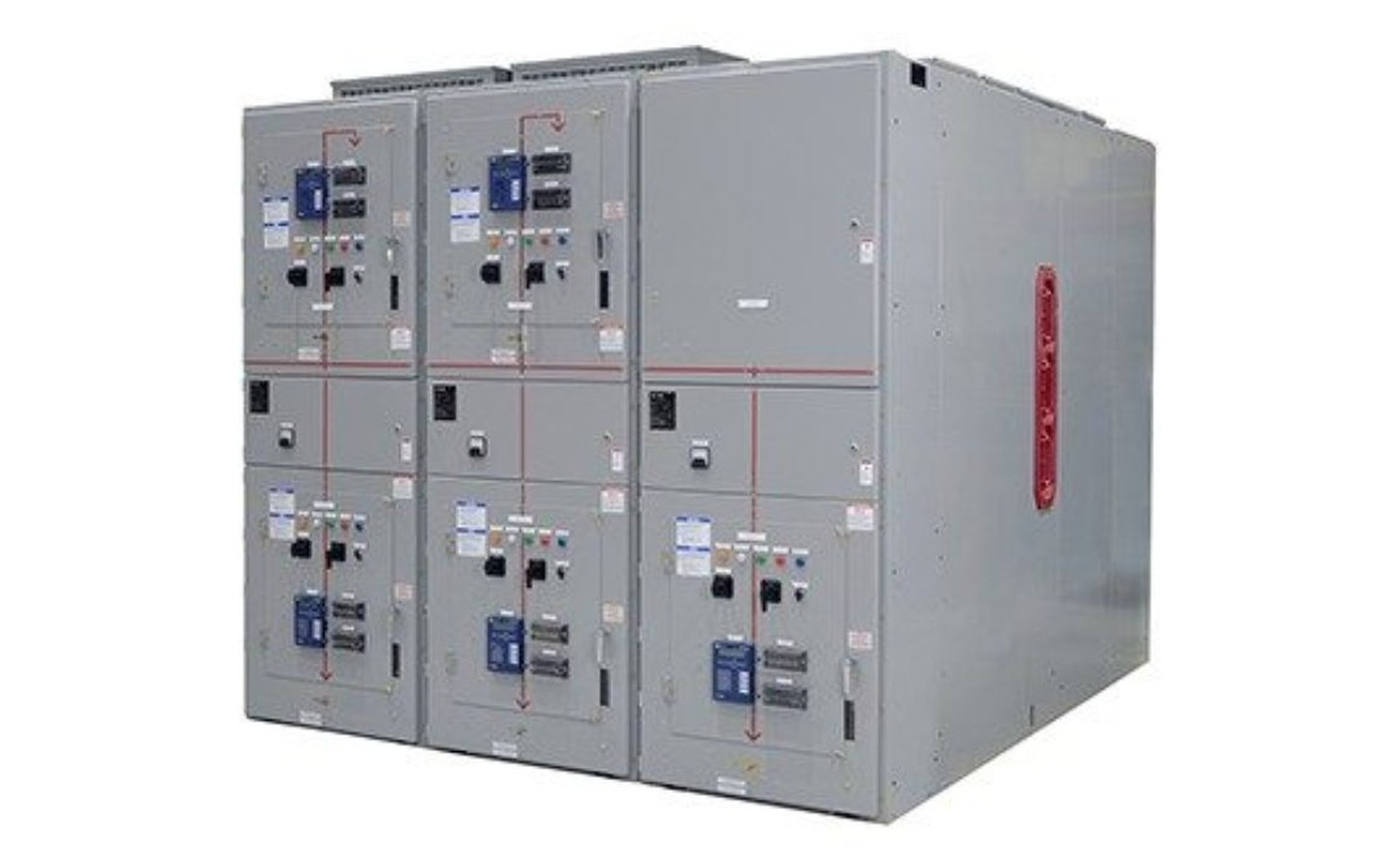
Medium-voltage circuit breakers cover the range from 5 kV through 38 kV, with the most common service voltages in commercial and industrial applications being 5 kV, 15 kV, and 27 kV. They appear inside medium-voltage switchgear lineups as draw-out components, in unit substations as primary-side protection, and in utility distribution systems as feeder or tie breakers. Per-unit costs typically run from $30,000 to $100,000 for standard vacuum designs and higher for specialized ratings or arc-resistant configurations. A full medium-voltage lineup with multiple breakers frequently totals $200,000 to $800,000. Our minimum is $50,000 and application-only financing is available to $400,000.
Vacuum Vs. SF6 And What It Means For Financing
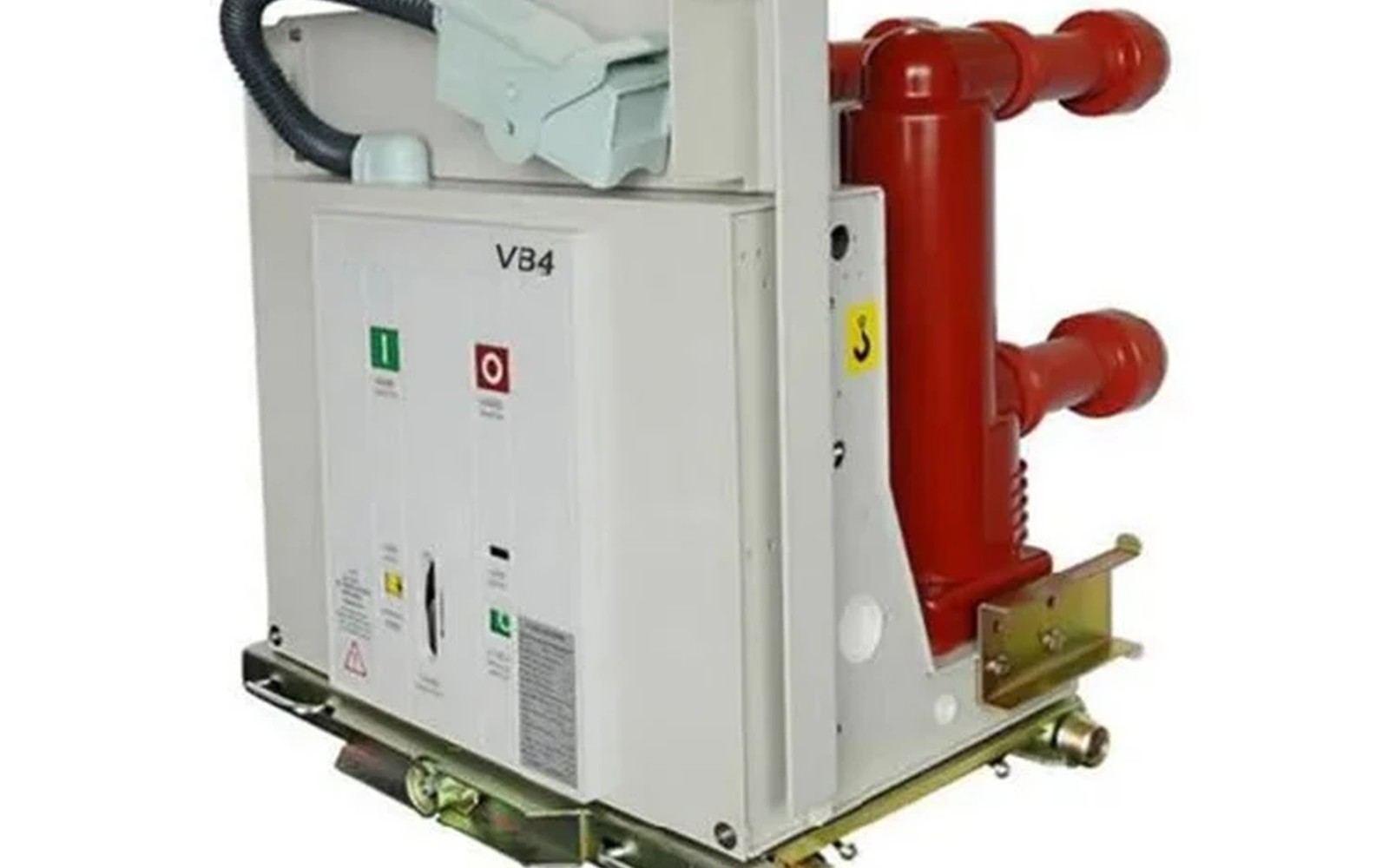
Vacuum circuit breakers (VCBs) are the dominant technology in medium-voltage switchgear manufactured in North America today. They use a vacuum interrupter to quench the arc when a fault is interrupted. VCBs have largely replaced older air-magnetic designs in new builds and refurbishment projects. Vacuum circuit breakers are well-understood by lenders, carry strong residual value, and are among the most liquid secondhand assets in the electrical equipment market.
SF6 (sulfur hexafluoride) circuit breakers are common in gas-insulated switchgear and in some utility applications above 38 kV. They are also found in older substation gear. Financing SF6-equipped breakers is straightforward for new units, but older SF6 breakers face tightening regulatory scrutiny around the gas itself, which can affect secondary market value and therefore collateral treatment on used-equipment deals.
Draw-out breakers, the kind that can be racked out of the switchgear cubicle while the bus remains energized, are the most valuable from a collateral perspective because they are individually replaceable and have an established resale market. Fixed-mounted designs are less liquid as standalone assets but still qualify when financed as part of a complete switchgear assembly.
Who Finances Medium-Voltage Breakers
Industrial plants in manufacturing and petrochemical processing are the largest volume buyers. A plant upgrading primary distribution gear after decades of service, or adding a new process line that requires a new primary feeder, is the prototypical deal. These are planned capital investments with defined project scopes, and financing fits cleanly into the project budget.
Utilities and electric cooperatives finance breakers for substation upgrades, feeder extensions, and reliability projects. Municipal utilities often face procurement constraints that make third-party financing attractive, particularly when capital budgets are appropriated before equipment lead times are locked in.
Renewable energy developers use medium-voltage breakers at the collector system level, switching individual feeders from wind turbine strings or solar array groups. These are often large quantities of identical breakers, and financing the full batch as a single package makes the most sense.
Electrical contractors who specify and procure gear for design-build or design-assist projects also finance medium-voltage breakers directly, using the project contract as supporting documentation.
Deal Structures And Term Lengths
Medium-voltage circuit breakers have long service lives, often 25 to 40 years with periodic contact replacement and maintenance. Financing terms of 60 to 84 months are common for new equipment, matching a reasonable payback period without over-extending into a term that outlasts the value of the protection structure. Shorter terms are available for buyers who want lower total interest cost and have the cash flow to support higher monthly payments.
For projects financed through a loan structure, the buyer takes title at funding and the lender holds a security interest. For buyers who prefer to keep the equipment off the balance sheet, an operating lease accomplishes that. The lease versus loan comparison is worth reviewing before committing to a structure, particularly for organizations with GAAP lease accounting implications.
Progress and deposit financing is available for orders that require an upfront payment to begin fabrication. This is common on custom-specified lineups where the manufacturer will not start work without a confirmed deposit, typically 25 to 40 percent of the order value. Our progress and deposit program advances the deposit payment as the first installment of the financing, so you are not using working capital to fund the fabrication queue.
Lead Time Reality And Why It Changes The Procurement Decision
The lead time situation on medium-voltage switchgear has tightened considerably over the past several years. Data center construction, grid reliability spending, and industrial manufacturing reshoring have all driven switchgear demand higher than North American production capacity can absorb on short notice. A standard 15 kV draw-out lineup that previously delivered in 12 to 16 weeks now commonly quotes 28 to 52 weeks from a major manufacturer.
This changed reality makes financing decision-making a front-loaded activity rather than a back-end one. Buyers who wait to confirm capital approval before requesting a fabrication slot lose their place in the queue and end up facing a later commissioning date or a premium for expedited production. Buyers who confirm financing early, place the order, and let the fabrication clock run while budget approvals proceed end up on schedule.
For large industrial facilities and utilities, the cost of a delayed energization is not abstract. A manufacturing plant that cannot power a new production line for an extra six weeks bears that lost production directly. A utility that misses its planned energization for a new substation feeder deals with reliability metrics and potentially customer dissatisfaction. The cost of financing is consistently smaller than the cost of the delay it prevents.
Price This Switchgear Financing Package
Send the quote, seller, lead time, deposit requirement, project location, and the electrical package scope. We will review the structure around the purchase schedule.
Review Switchgear TermsCommon Questions on Medium-Voltage Circuit Breaker Financing
Straight answers before you send the equipment file.
I need to replace obsolete air-magnetic breakers in an existing lineup. The gear is 40 years old. Can I finance the retrofit breakers?
Yes. Replacement vacuum breakers engineered to retrofit into older switchgear frames are a standard financing item. Provide the manufacturer quote for the retrofit units and we will evaluate the deal.
My project is in a petrochemical facility that requires Class I Division 2 rated switchgear. Does the classified-area rating affect financing?
Hazardous-location ratings affect specification and cost but not financing eligibility. The gear qualifies the same way standard medium-voltage switchgear does.
Can I finance the entire switchgear lineup, including the breakers, bus, and enclosure, as a single package?
Yes. A complete switchgear lineup is the most common way we finance medium-voltage gear. The full assembly, breakers and all, is treated as one collateral item with one application.
What happens if the breaker fails or needs replacement during the financing term?
The financing obligation stays in place regardless of equipment condition. This is why warranty coverage on new breakers and documented inspection history on refurbished breakers matter. You own the risk on the equipment; we own the credit risk on the payment stream.
Are there programs for municipalities that cannot easily borrow through conventional channels?
Municipal financing programs exist and operate differently from commercial programs. Contact us directly to discuss your municipality's situation and we will identify the most appropriate structure.
Review The Medium-Voltage Circuit Breaker Financing Package
Send the equipment quote, seller, lead time, deposit schedule, and project location. The finance desk will review the package against the actual procurement calendar.