

Switchgear Equipment
Vacuum Circuit Breaker Financing
Vacuum circuit breakers are the workhorse of modern medium-voltage distribution, and the lead times on new units are not forgiving. An order that misses the fabrication window by two weeks can push energization by a month. Getting financing confirmed early closes that gap before it opens.
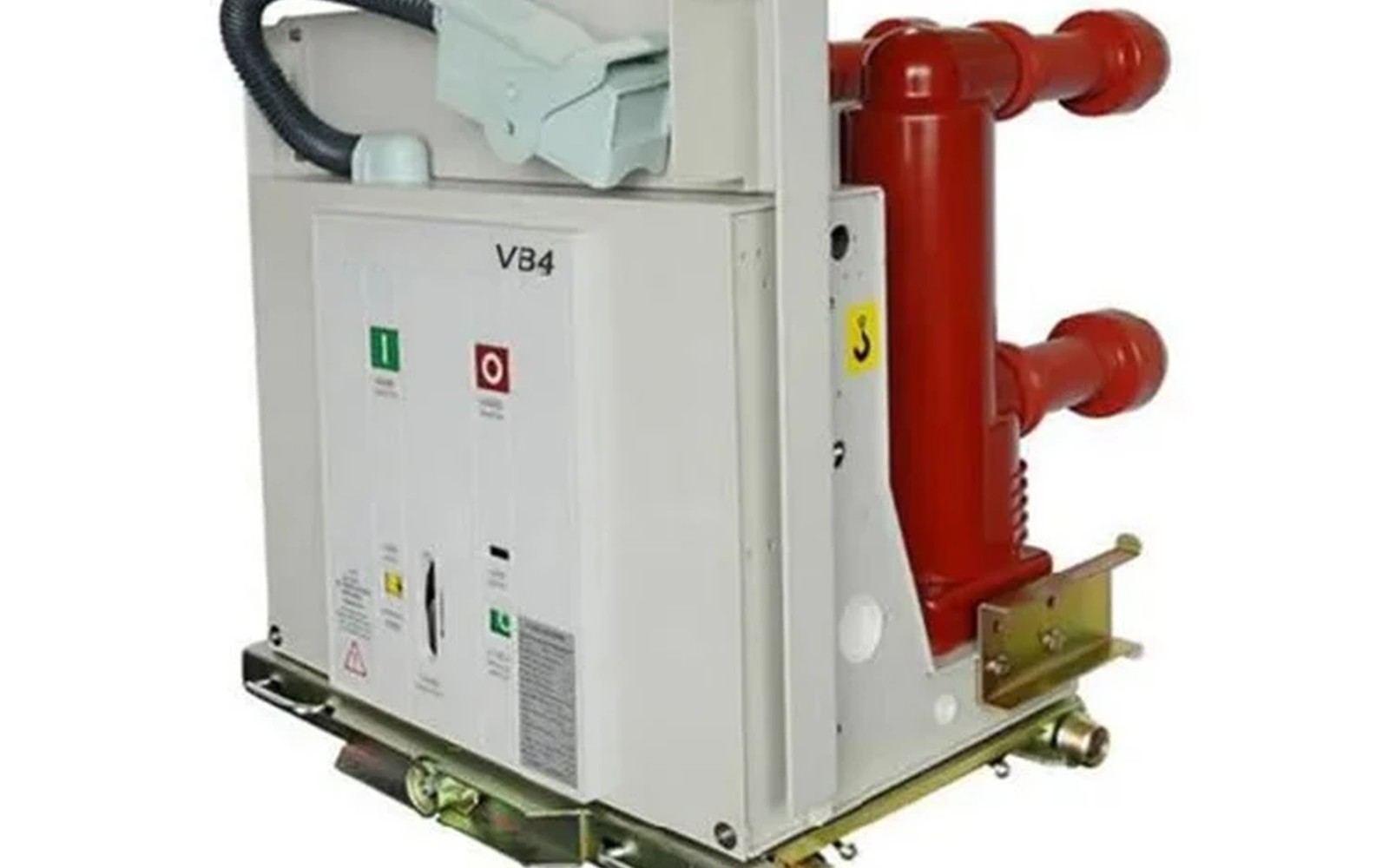
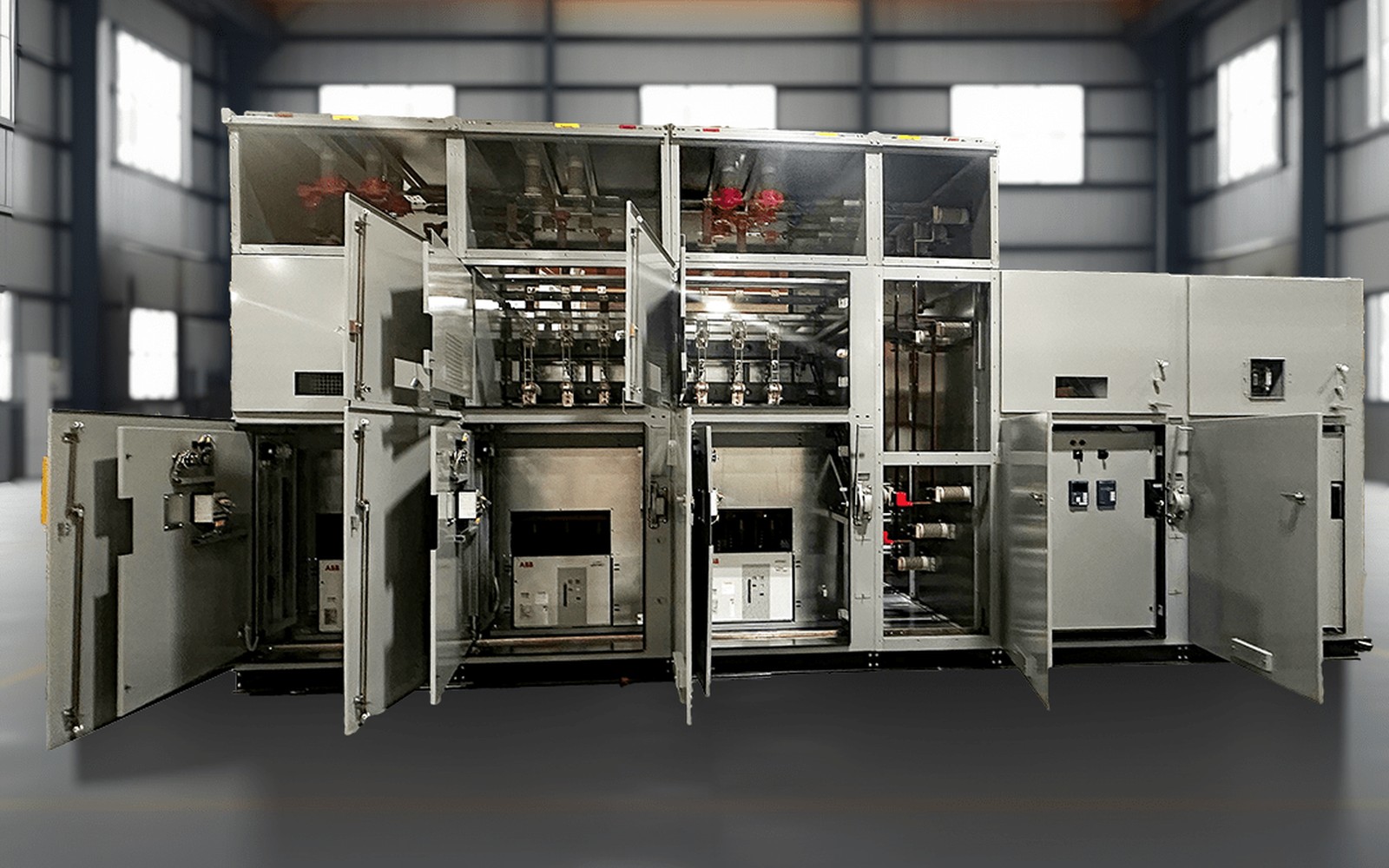
Vacuum circuit breakers (VCBs) use sealed vacuum interrupters to extinguish the arc that forms when a circuit is interrupted under load or fault conditions. They are the dominant medium-voltage switching technology in new North American switchgear, covering 5 kV through 38 kV applications. Because the interrupter is sealed and maintenance-free for most of its life, VCBs have long service cycles and strong residual value, making them solid collateral for equipment financing. Individual VCBs for standard 15 kV lineups run from $15,000 to $60,000 per unit depending on current rating and features; complete draw-out assemblies with cell wiring, relaying, and metering push significantly higher. We work on deals from $50,000 to well over $1 million, with application-only processing available to $400,000.
Vacuum Interrupter Technology And What Drives Value
The vacuum interrupter is the heart of the VCB. It consists of two contacts inside a highly evacuated envelope, typically ceramic and metal. When the contacts separate, the arc forms in metal vapor and quenches rapidly as the current crosses zero, because there is no medium to sustain it. This mechanism gives vacuum breakers very low maintenance requirements compared to older oil or air-magnetic designs, which is why they command premium residual values.
The major specifications that matter for financing purposes are the voltage class (5 kV, 15 kV, 27 kV, or 38 kV), the continuous current rating (typically 1200A, 2000A, or 3000A), the interrupting rating in kA symmetrical, and whether the breaker is draw-out or fixed. Draw-out VCBs are individually removable from the switchgear lineup without de-energizing the bus, which makes them more valuable on the secondary market and easier to underwrite as collateral.
Many VCBs are specified with integral or separate protective relays that monitor current, voltage, and frequency and command the breaker to trip on abnormal conditions. Relay packages significantly increase the per-unit cost but do not complicate financing. We finance the complete cell, including the breaker, relay, and wiring, as one package. Our separate page on protective relays and controls covers relay-only financing for projects that need to upgrade the relay without replacing the breaker.
Projects And Buyers That Drive VCB Demand
Industrial manufacturers replace aging oil-filled or air-magnetic breakers with modern vacuum units as part of planned maintenance programs or capacity upgrades. A plant that has been running a 30-year-old switchgear lineup eventually faces the point where spares are unobtainable and the risk of catastrophic failure outweighs the cost of replacement. Financing that spreads the capital cost over five to seven years makes the upgrade project a manageable capital line item rather than an emergency spend.
Electric cooperatives deploy VCBs in distribution substation upgrades, replacing older reclosers and air-magnetic breakers with modern vacuum technology. Financing through a third-party lender can be faster and more flexible than a cooperative's internal capital budget process.
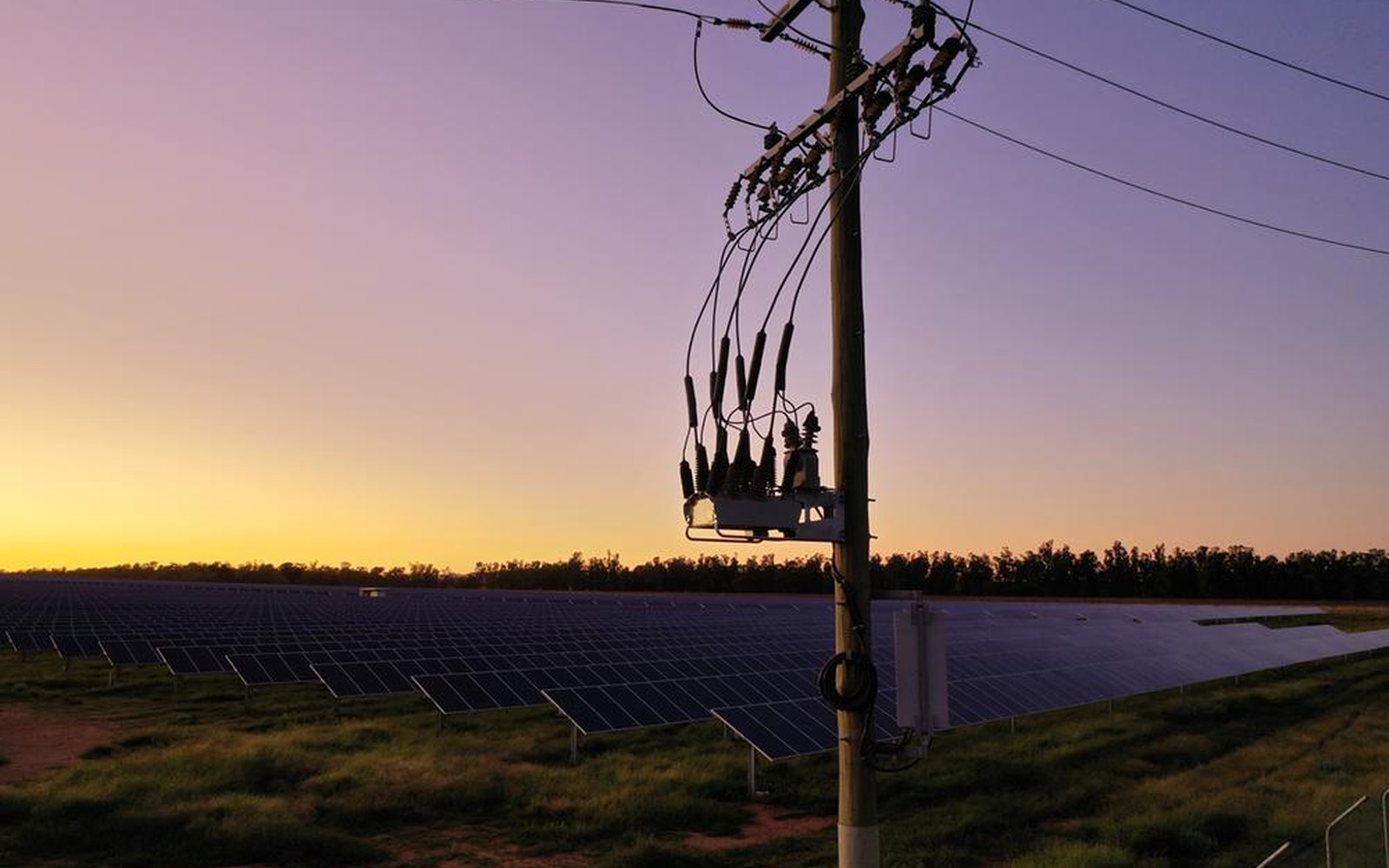
Data centers require VCBs at the utility service entrance and in medium-voltage distribution gear. Data center operators on tight commissioning schedules cannot wait for capital budget cycles, and pre-approved equipment financing is often the mechanism that keeps the electrical installation on schedule. Renewable energy project developers in solar and wind also use VCBs extensively in collector-level switchgear and point of interconnection equipment.
New Factory Units Vs. Rebuilt Vacuum Breakers
New VCBs from manufacturers like Eaton, Siemens, ABB, and GE ship with current interrupter technology, full warranty, and compliance with the latest ANSI/IEEE standards. They are the easiest financing to structure because the condition and value are clear.
Rebuilt vacuum breakers from reputable electrical rebuilders are a cost-effective alternative for retrofit applications, particularly when the specific frame size and racking mechanism must match an existing lineup. A rebuilt VCB with new vacuum interrupters, refurbished operating mechanism, and a documented ANSI acceptance test is a legitimate asset for financing. We finance rebuilt VCBs under our used equipment financing program with the rebuild certification as supporting documentation.
Surplus new VCBs purchased from distributors or project overstock are treated the same as factory-new units, provided the original manufacturer documentation is available. This is an often-overlooked source of cost savings for buyers who are flexible on specification details.
Getting To An Approval Fast
The application process starts with the vendor quote and basic business information. For deals up to $400,000, no tax returns or audited financials are required. A straightforward VCB purchase can have a credit decision in two to three business days and fund within two weeks. Compare that to an internal capital approval process that might run three to six months for a mid-size organization.
For large switchgear lineups with VCBs as the primary component, a complete specification package from the manufacturer or electrical engineer helps underwriting move faster. The one-line diagram, the bill of materials, and the vendor quote together tell the underwriter exactly what they are financing and support a clean collateral picture.
Buyers who want to compare loan and lease structures should look at our FMV versus dollar buyout lease comparison before deciding. VCBs are long-lived assets, so the end-of-term ownership question matters. A dollar buyout lease gives ownership at term end for a nominal payment; an FMV lease gives the option to return or renew, which some buyers prefer.
Price This Switchgear Financing Package
Send the quote, seller, lead time, deposit requirement, project location, and the electrical package scope. We will review the structure around the purchase schedule.
Review Switchgear TermsCommon Questions on Vacuum Circuit Breaker Financing
Straight answers before you send the equipment file.
Can I finance just the vacuum interrupter replacements for an existing breaker, not the whole breaker?
Interrupter replacements are typically a maintenance expense rather than a capital item, so they usually fall below our $50,000 minimum and are not financed as equipment. However, if a complete VCB overhaul including mechanism rebuild and interrupter replacement is quoted as a capital project, it may qualify.
I need to retrofit vacuum breakers into an existing 1970s-era oil-circuit-breaker lineup. Is that financeable?
Yes. Retrofit VCBs engineered to replace older OCB designs in existing frames are a standard financing item. The engineer's specification and the manufacturer's retrofit quote provide the documentation we need.
The spec calls for VCBs with a specific interrupting rating of 40 kA symmetrical. Is that rating unusual enough to affect financing?
Higher interrupting ratings increase per-unit cost but do not affect financing eligibility. The breaker's specification determines what it costs; the financing terms are based on the cost and the buyer's credit, not the interrupting rating.
My business has been operating for five years but had a difficult year during a project slowdown. Will that year hurt my application?
One difficult year in a five-year track record is something underwriters can contextualize. The full picture, including the reason for the decline, current revenue, and backlog, is reviewed. Apply and let the underwriters assess the complete profile.
Can I finance VCBs and the switchgear enclosure as a single package, or do they need to be separate applications?
A complete switchgear package, including enclosures, buses, breakers, relays, and meters, is financed as one application. You do not need separate submissions for each component.
Review The Vacuum Circuit Breaker Financing Package
Send the equipment quote, seller, lead time, deposit schedule, and project location. The finance desk will review the package against the actual procurement calendar.