

Switchgear Equipment
Surge Protection Equipment Financing
Surge protective devices protect the rest of the electrical system from the voltage spikes that destroy equipment without warning. A lightning strike, a utility switching event, or an internal fault can generate transient voltages that damage drives, relays, controls, and communication systems in milliseconds. The protection has to be in place before the event, and the lead time on industrial-grade SPDs is not zero.
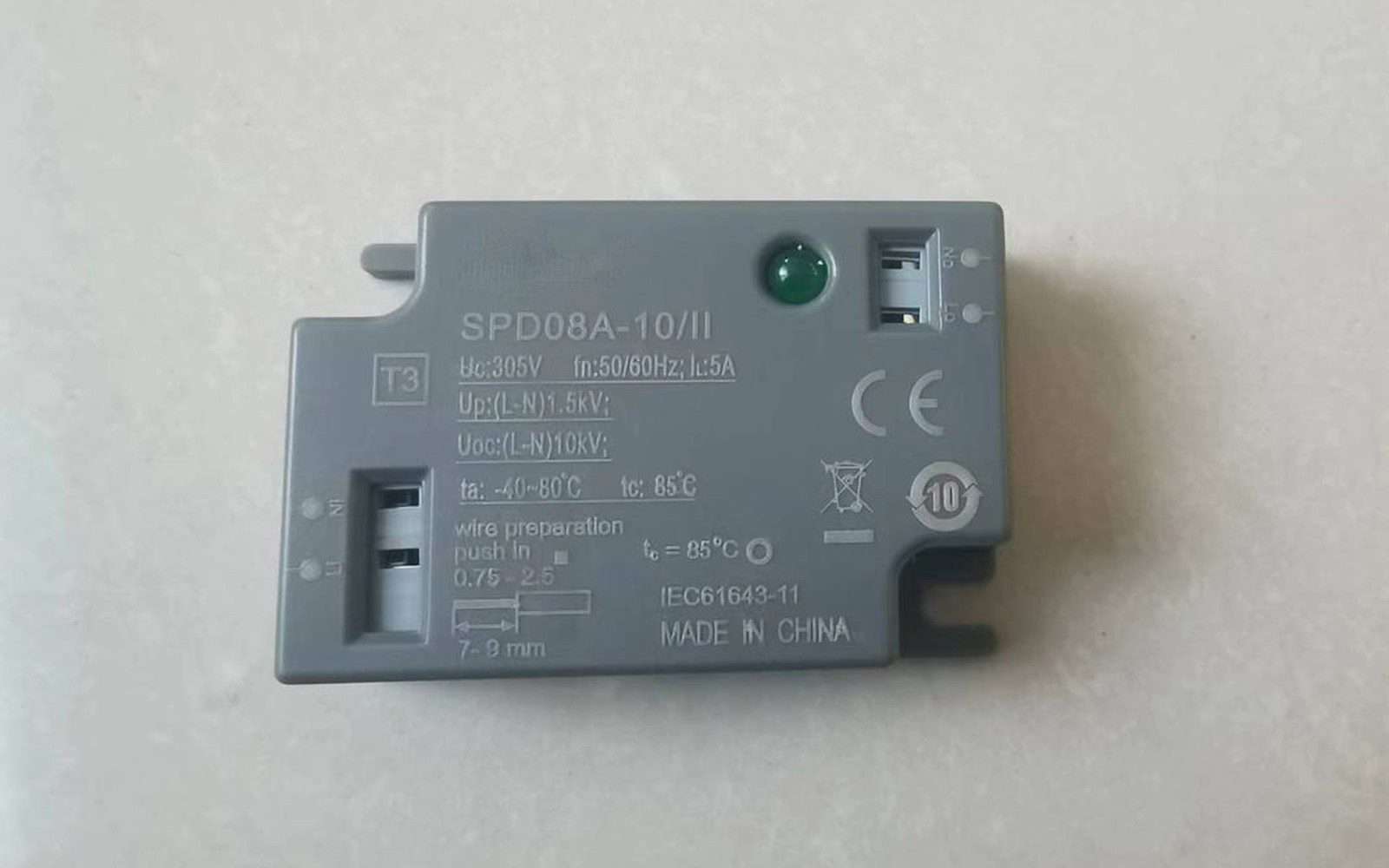
Surge protection equipment (SPE) encompasses Type 1, Type 2, and Type 3 surge protective devices under UL 1449, along with coordinated protection systems for facilities with multiple distribution levels. For industrial plants with extensive drive systems and process controls, a coordinated SPD installation can run $80,000 to $400,000 when every service entrance, distribution panel, and critical load panel is protected. Data center and telecom facilities with sensitive IT infrastructure often spend similarly on coordinated protection. Our minimum is $50,000, with application-only processing available to $400,000.
We finance SPE as part of a broader electrical infrastructure package alongside Switchboard Financing, Panelboard Financing, and UPS systems, or as standalone surge protection projects where the SPDs are the primary scope.
Understanding SPD Classifications And Installation Points
Type 1 SPDs are installed at the service entrance, ahead of the main breaker, and are designed to handle large lightning-current events defined in IEEE C62.41. They are the first line of defense and carry the largest energy ratings, measured in kilowatt-amps or kiloamperes of discharge capability. Type 1 devices must be able to conduct surge currents that a direct or near-direct lightning strike injects into the service entrance without failing catastrophically.
Type 2 SPDs are installed inside the service entrance, at distribution panels and critical equipment panels. They handle the residual surge energy that gets past the Type 1 device and the internally generated transients from switching operations. Every distribution panel in an industrial plant or a data center can benefit from a Type 2 device. The cost per panel is modest, but a plant with 40 distribution panels and MCCs adds up to a significant total project scope.
Type 3 SPDs are point-of-use devices installed at individual loads, particularly sensitive electronic equipment. They are the last line of defense in a coordinated system. Coordinating all three types correctly, with matched voltage protection ratings and energy coordination between levels, is an engineering task that most industrial electrical engineers handle as part of the project scope.
Who Installs And Finances Surge Protection Equipment
Industrial manufacturers with high-value drives and controls are the largest buyers. A factory floor with dozens of variable frequency drives and programmable controllers has hundreds of thousands of dollars in equipment that is vulnerable to transient damage. An insurance claim pays some replacement cost but does not recover lost production time. Surge protection is preventive capital spending, and financing makes it possible to do the complete installation rather than a partial one.
Data centers install coordinated SPD systems because the cost of a single server room failure from a transient event can far exceed the entire SPD installation cost. Hyperscale operators specify Type 1 and Type 2 protection across every PDU feed and every critical circuit as a standard build specification.
Agricultural operations, water treatment facilities, and rural facilities are particularly vulnerable to lightning strikes because they tend to be isolated, with long overhead distribution runs and limited protection from nearby structures. Water and wastewater treatment plants finance SPD installations as part of SCADA and controls upgrade projects, because the control panels and instrumentation are the most vulnerable assets on site.
Financing Surge Protection Projects
Most SPD installation projects are structured as equipment loans, with the SPDs and installation materials financed over 36 to 60 months. The equipment is identified by manufacturer, model, and installation location in the financing documents. Title passes to the buyer at funding, and the lender holds a security interest in the equipment until the loan is paid off.
Application-only financing up to $400,000 covers the majority of industrial and commercial SPD installations. The process requires the vendor quote detailing the SPD types, quantities, and installation points, along with basic business information. No tax returns or financial statements are required at this threshold.
Buyers comparing the total cost of financing against the risk cost of an unprotected installation almost always find the math favors protection. A $200,000 SPD installation financed over five years at market rates adds a modest monthly cost. A single VFD failure from a surge event in an unprotected plant can cost $30,000 to $80,000 in equipment replacement and production downtime. The numbers do not require a spreadsheet to understand.
Surge Protection As Part Of A Broader Electrical Package
Surge protective devices rarely stand alone as the only capital investment on a project. They most often appear alongside other electrical infrastructure upgrades, and financing the complete package in one deal simplifies both the procurement and the accounting. The most common pairings we see include SPDs alongside new panelboard installations, alongside motor control center replacements where the drives and controls are the assets being protected, and alongside generator paralleling and transfer switch projects where the SPDs protect the load served by the critical power system.
For buyers in the cold storage and food processing sector, where refrigeration controls and processing automation represent significant capital, coordinated surge protection is a straightforward insurance investment. A compressor rack control failure from a transient event in a food storage facility has immediate product loss consequences that are easily quantifiable. Financing the SPD installation as part of the controls upgrade package captures the protection value at the same time the protected asset is deployed.
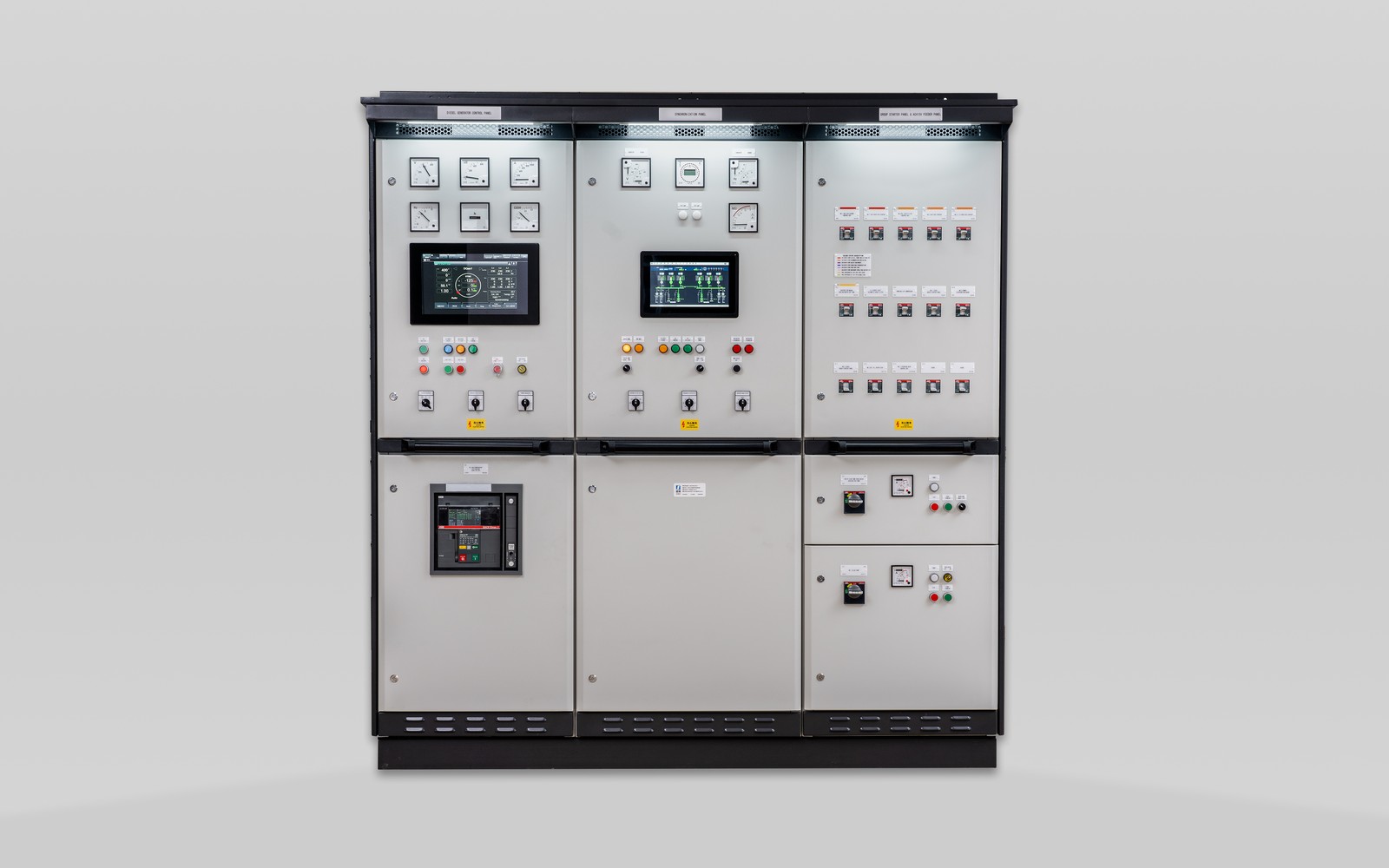
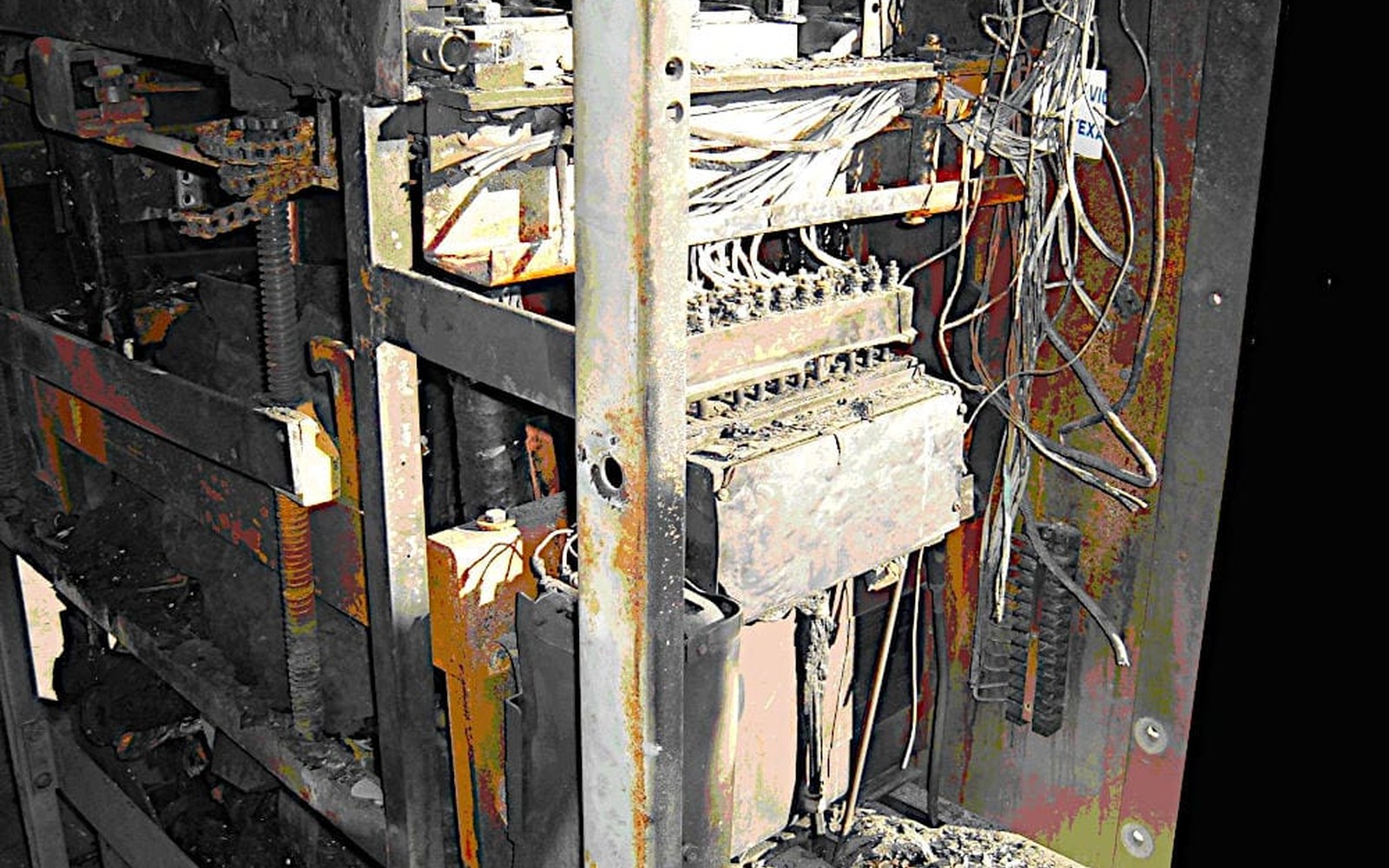
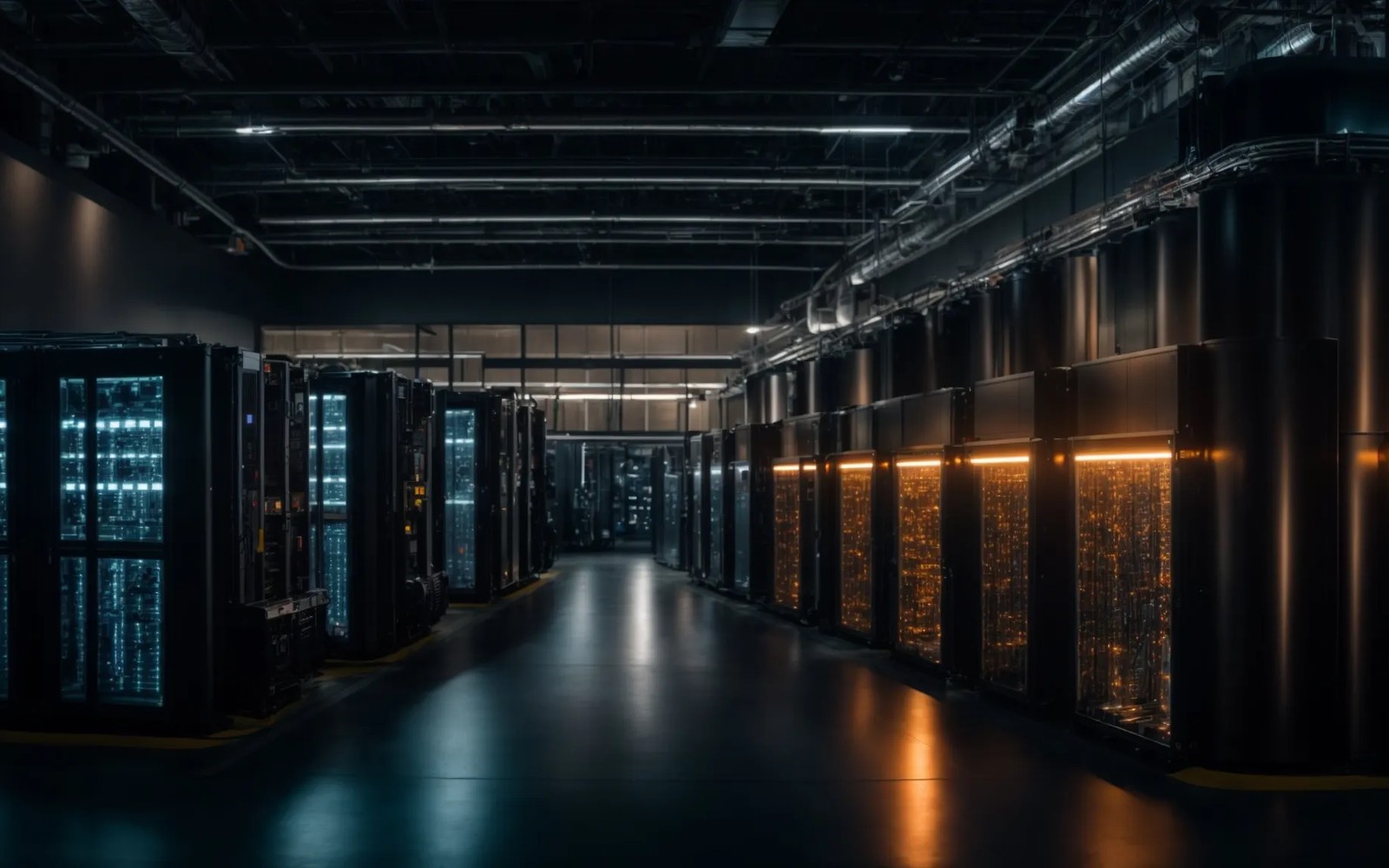
Price This Switchgear Financing Package
Send the quote, seller, lead time, deposit requirement, project location, and the electrical package scope. We will review the structure around the purchase schedule.
Review Switchgear TermsCommon Questions on Surge Protection Equipment Financing
Straight answers before you send the equipment file.
Can I include the electrical contractor's installation labor in the financed amount?
Some programs include soft costs like installation up to a percentage of the total financed amount. Ask about soft cost eligibility when applying and we will match you with a program that covers it.
I want to protect a facility that was previously unprotected after a near-miss event. How quickly can this close?
Application-only deals under $400,000 can receive credit decisions within a few business days and fund in about two weeks. After a near-miss event, most buyers want to move quickly and this timeline supports that.
Is there a resale market for removed SPDs if we relocate or close a facility?
Name-brand Type 1 and Type 2 devices from established manufacturers have some secondary market value. The resale value depends on the manufacturer, the age, and the condition. It is lower than switchgear but not zero.
My plant has 50 distribution panels that all need Type 2 SPDs. Can I finance all 50 as a single package?
Yes. The total project value is what drives the underwriting, not the number of individual units. A 50-panel SPD project is financed as a single deal based on the total quote.
Do SPDs qualify for Section 179 tax treatment?
Surge protective devices installed as building infrastructure may or may not qualify for Section 179 depending on how they are classified. Consult your tax advisor on the specific treatment for your project. We finance the equipment regardless of the tax outcome.
Review The Surge Protection Equipment Financing Package
Send the equipment quote, seller, lead time, deposit schedule, and project location. The finance desk will review the package against the actual procurement calendar.