
Brands
Russelectric Transfer Switch & Paralleling Financing
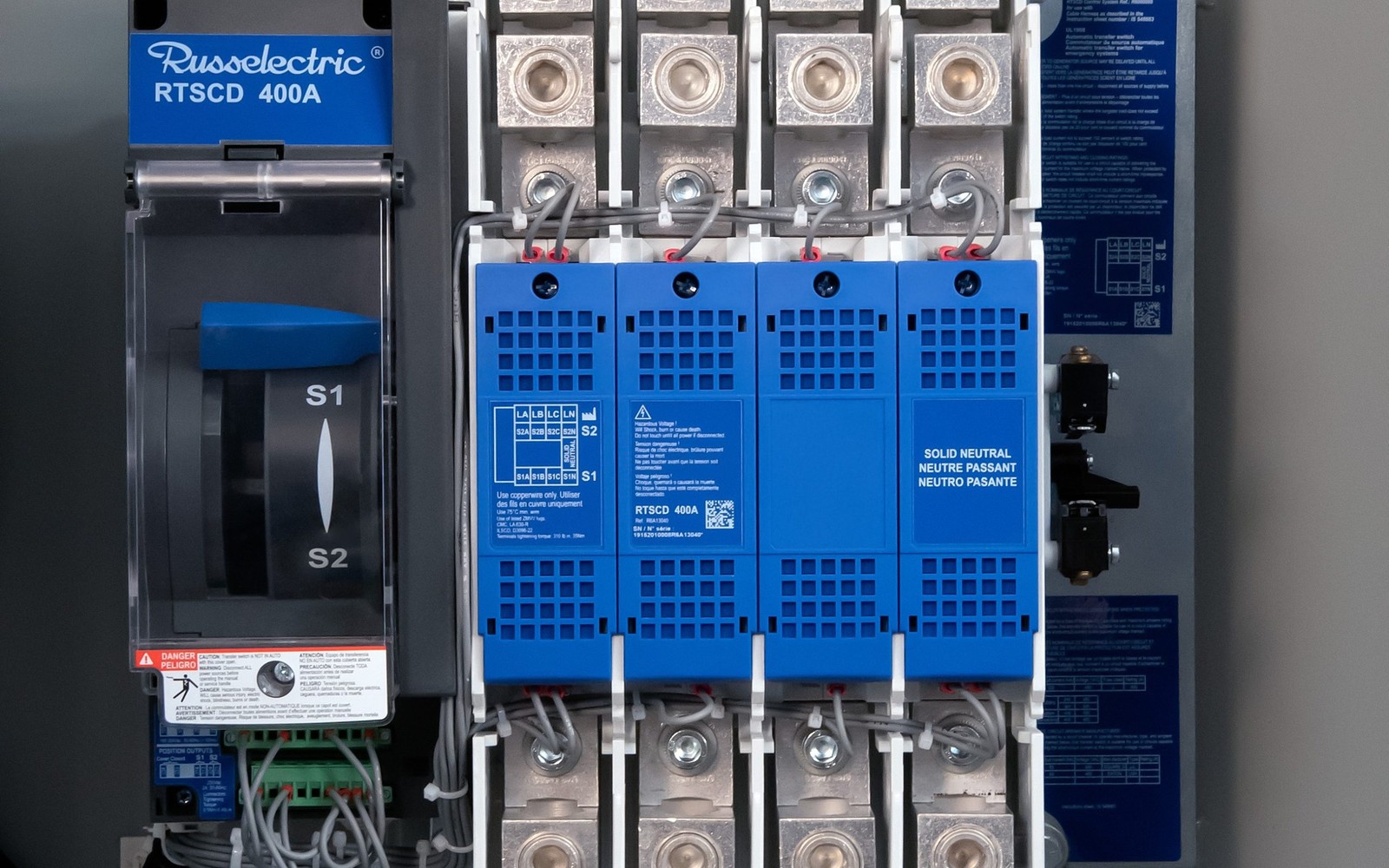
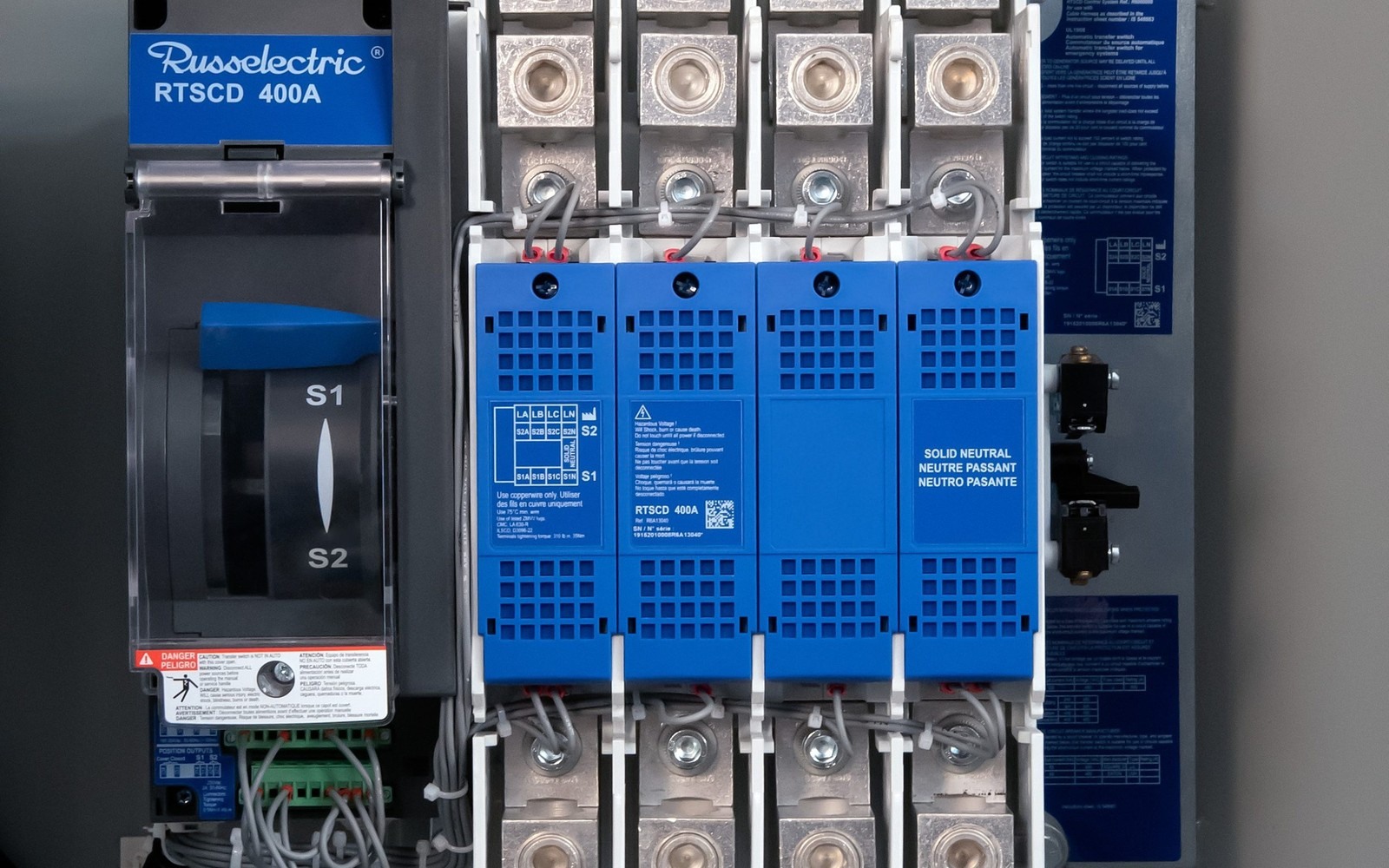
Russelectric builds automatic transfer switches and generator paralleling controls for critical facilities that cannot afford ambiguity in a power outage. Hospital systems, data centers, and mission-critical commercial facilities have specified Russelectric because the transfer switch is where the utility-to-generator handoff happens, and that moment has to be right every time. The RMT switch is not an off-the-shelf contactor; it is an engineered critical component in an essential electrical system.
We finance Russelectric RMT automatic transfer switches and paralleling assemblies for healthcare systems, data center operators, critical facilities managers, and the contractors who build these systems. Our minimum is $50,000, and Russelectric critical facility packages, particularly hospital-grade bypass-isolation systems, often run well above that threshold.
Application-only financing is available up to roughly $400,000. Larger Russelectric packages, such as a full hospital essential electrical system transfer switch lineup, require three months of bank statements. Funding runs one to two weeks from application. B and C credit are reviewed on a case-by-case basis.
Russelectric Equipment We Finance
Russelectric's product line is focused on transfer switch and paralleling applications at the critical facility end of the market:
- RMT Automatic Transfer SwitchesRusselectric's RMT series covers closed-transition, open-transition, and bypass-isolation ATS configurations for critical facility applications. RMT switches are specified in hospital essential electrical systems, data centers, mission-critical commercial buildings, and anywhere the transfer switch is a critical node in the power system. Frame sizes from 100A to 5000A for system voltages up to 600V.
- Bypass-isolation ATS AssembliesThe bypass-isolation configuration allows the transfer switch to be taken offline for maintenance or replacement without removing the load from the source. This is a key specification for Joint Commission-accredited hospitals where the essential electrical system must be available for maintenance without disconnecting critical medical loads.
- Closed-transition Transfer SwitchesClosed-transition or make-before-break transfer provides a momentarily paralleled transfer without a power interruption, used in facilities where a brief transfer gap is not acceptable. Common in data center and healthcare applications where ride-through time is critical.
- Generator Paralleling AssembliesRusselectric builds paralleling switchgear for multi-generator applications, coordinating automatic paralleling, load sharing, and protection for redundant generator plants in hospitals and critical facilities.
Why Russelectric Gets Specified
Russelectric competes in a segment of the transfer switch market that prioritizes quality and specification compliance over price. A hospital system engineering team that writes a spec for a bypass-isolation ATS in an essential electrical system is not looking for the lowest-cost option. The Russelectric RMT specification is driven by reliability history, available configurations, and the factory support network.
Healthcare systems represent Russelectric's strongest specification base. NFPA 99, the Joint Commission, and CMS conditions of participation all impose specific requirements on hospital essential electrical system design and maintenance. Bypass-isolation capability, closed-transition transfer options, and the ability to perform maintenance without service interruption are features that drive Russelectric into hospital specifications.
Data centers and colocation operators specify Russelectric where the transfer switch is a critical path component in a Tier III or Tier IV power system. A transfer switch failure in a data center is a PDU-level outage. The redundancy and bypass capability of the Russelectric product family reduces that risk.
Mission-critical commercial buildings, financial data facilities, and government and municipal sites with critical power requirements also specify Russelectric in applications where the transfer switch is a long-term infrastructure component rather than a commodity purchase. Equipment loans with fixed 60 to 84-month terms are the most common structure for Russelectric ATS purchases, since these are permanent infrastructure assets with service lives measured in decades.
Financing Process And Timing
Russelectric ATS and paralleling equipment is made to order. Factory lead times on RMT assemblies run 12 to 20 weeks depending on configuration and current backlog. The deposit is typically required at order placement, and the balance is due on shipment or delivery.
Progress and deposit financing is the most natural fit for Russelectric purchases. We fund the deposit when the purchase order goes to the factory, and fund the balance when the gear ships. You do not sit on a large deposit in working capital for the duration of the build.
Application-only under $400,000. Bank statements above that. The credit review adds project documentation on larger hospital or data center installations where the project context supports the transaction. One to two weeks from application to funding commitment on standard deals.
For hospital systems replacing aging transfer switches on an essential electrical system maintenance program, multiple Russelectric switches can often be packaged into a single financing transaction. Financing a full hospital ATS replacement program under one agreement simplifies the administration compared to a separate transaction for each switch.
Price This Switchgear Financing Package
Send the quote, seller, lead time, deposit requirement, project location, and the electrical package scope. We will review the structure around the purchase schedule.
Review Switchgear TermsCommon Questions on Russelectric Transfer Switch & Paralleling Financing
Straight answers before you send the equipment file.
Russelectric RMT switches have a 14 to 20-week lead time. How does deposit financing work with that timeline?
Progress and deposit financing funds the deposit when the purchase order goes to Russelectric. The balance funds when the gear ships or is delivered, depending on the order terms. You are not holding a five- or six-figure deposit in your working capital for months while the factory builds the switch.
Our hospital needs bypass-isolation ATS for an essential electrical system upgrade. Can a multi-switch project be one financing transaction?
Yes. A hospital ATS replacement program covering several Russelectric bypass-isolation switches can be structured as a single financing transaction. This is often more efficient than separate deals for each switch and may result in better terms on the combined amount.
We need a Russelectric closed-transition ATS for a data center where any transfer gap is unacceptable. Does the transfer switch specification affect financing?
No. The closed-transition vs. open-transition specification is a technical and application decision. For financing, a Russelectric closed-transition ATS is the same asset class as any other Russelectric switch. We finance it the same way regardless of the transfer configuration.
Can we refinance existing Russelectric transfer switches that we own outright?
Equipment refinancing on installed Russelectric ATS equipment is available if the switches are in service and have verifiable value. Russelectric switches have long service lives in well-maintained essential electrical systems, and paid-off assets can be refinanced to release capital for other purposes.
Does Russelectric financing require a healthcare-specific lender or industry specialization?
No. Russelectric ATS equipment is electrical capital equipment and finances through the same process as other switchgear and distribution assemblies. Industry specialization in healthcare is helpful for understanding the project context, but the underwriting process itself is equipment-focused rather than industry-specific.
Review The Russelectric Transfer Switch & Paralleling Financing Package
Send the equipment quote, seller, lead time, deposit schedule, and project location. The finance desk will review the package against the actual procurement calendar.