
Models
Russelectric RMT Automatic Transfer Switch Financing
Transfer switch lead times rarely leave margin in the schedule. The Russelectric RMT series is a custom-built, draw-out construction transfer switch used in the most demanding critical-power applications, and the build cycle reflects that. When a hospital, data center, or water treatment plant needs an RMT on site to meet a commissioning date, the purchase order has to go out early. Financing the switch as a standalone item keeps the capital free and the schedule intact.
We structure financing for Russelectric RMT automatic transfer switches across the full current rating spectrum, from 400-amp service-entrance configurations to 4000-amp main-tie-main assemblies. Our minimum transaction is $50k; most RMT projects fall between $80k and $400k for a single switch, and multi-switch facilities go well above that. We work with both the end facility and the electrical contractor holding the purchase order.
The RMT Construction And Why It Matters For Financing
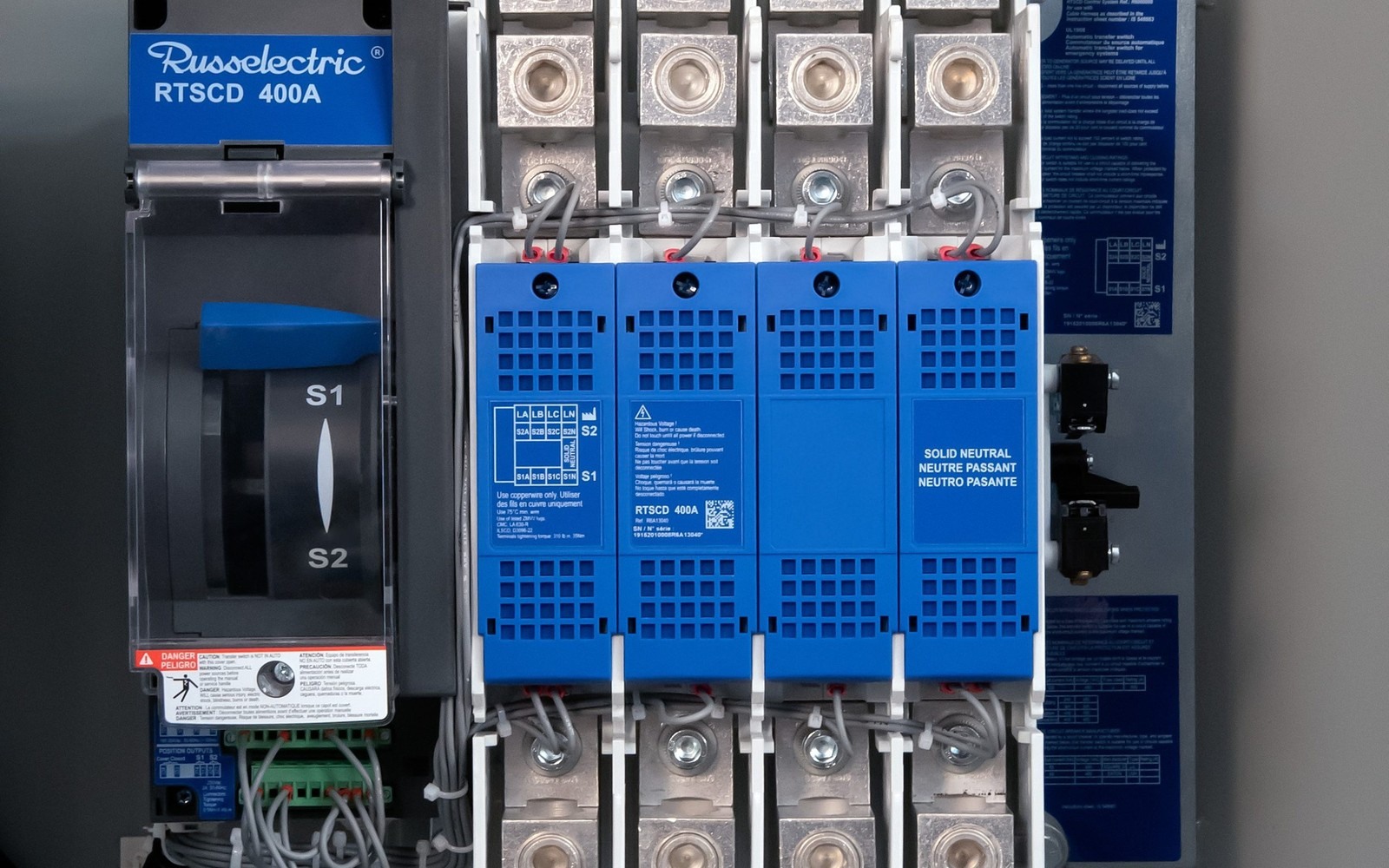
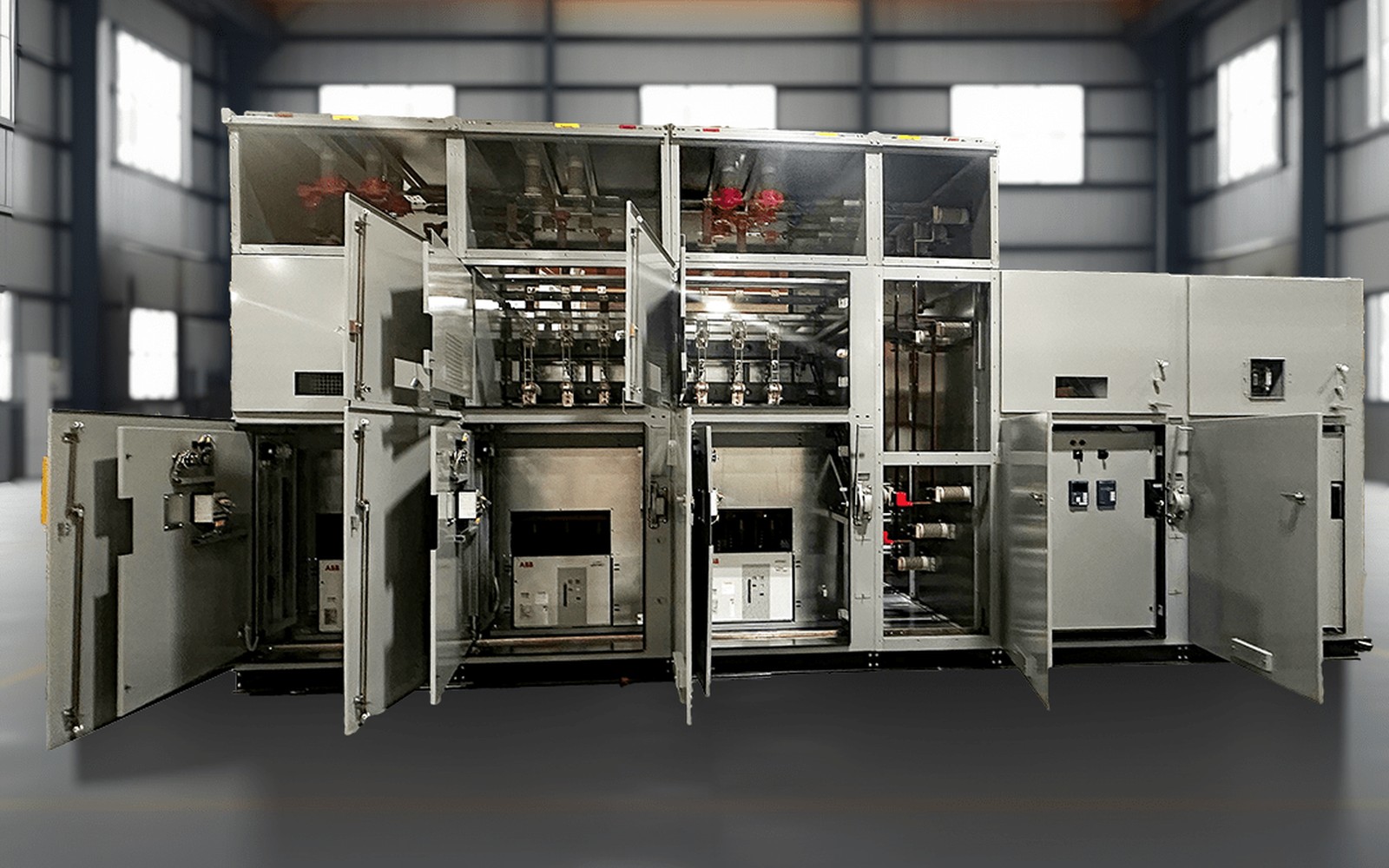
The Russelectric RMT uses a draw-out main contactor construction. Each power pole rides on a carriage that withdraws from the line and load buses without live-bus exposure, a safety feature that matters in facilities where maintenance crews have to test and service the switch under load pressure. The mechanical interlock prevents both sources from being connected simultaneously. This is not a molded-case device; it is a metal-enclosed assembly with copper bus, arc chutes, and a control system that ties into the facility SCADA or generator controller.
From an underwriting standpoint, draw-out construction transfer switches retain value longer than equivalent sealed-contact alternatives. Replacement carriages and control boards are available for decades of service life. That residual value supports better loan-to-value ratios and longer term structures. Lenders who understand electrical infrastructure are comfortable holding an RMT as collateral because it is identifiable, serialized, and has a clear replacement cost benchmark in the market.
Applications where we see RMT financing most frequently include large hospital campuses operating under NFPA 99 and NFPA 110 requirements, data centers with generator-backed critical loads, municipal water and wastewater treatment facilities where a loss of power means a regulatory event, and utility substations with transfer requirements across redundant feeders.
Getting The Credit File To Closing Before The PO Deadline
The typical Russelectric RMT order starts with a submittal package: nameplate data, one-line, and the Russelectric factory drawing. That same package is the core of the financing file. We use it to confirm the asset identity and verify the purchase price against the quote. On deals up to approximately $400k, the underwriting is application-only, meaning we do not pull tax returns or audited statements. The application plus three months of business bank statements and the signed PO moves the file through.
Approval in three to five business days is realistic for application-only deals. Funded in one to two weeks from application submission is the normal timeline. That schedule fits inside the typical window between when a buyer signs the RMT order and when Russelectric requires the deposit. We can also structure deposit and progress financing if the factory schedule requires payment milestones during manufacturing.
For larger multi-switch or multi-site transactions, the file goes deeper but the process is the same. We present a credit submission package and respond with a term sheet. No application fee, no commitment until you sign the documents.
What The Numbers Look Like
Russelectric RMT pricing depends on current rating, number of poles, voltage class, and control options. A service-entrance rated 800-amp three-pole 480V unit typically runs in the low to mid five-figure range. A 2000-amp or 4000-amp main-tie-main assembly with full logic controls is a six-figure purchase. Both of those fall comfortably into the financing ranges we work with every day.
Terms range from 24 to 84 months depending on the asset life and the buyer's preference. A facility that wants to align the payment with the transfer switch's expected service life often takes a 60 or 72-month term. A contractor who wants to pay off the switch after the project completes and the end-customer settles the final invoice might choose a 24 or 36-month term. Both are available.
On the structure side, buyers can choose between a straight equipment loan that passes title at closing and a capital lease with an end-of-term buyout. For facilities that want operating expense treatment, an FMV lease is worth reviewing. The lease-vs-loan comparison page covers the accounting and cash-flow tradeoffs in detail.
Related Equipment Worth Financing Alongside The RMT
A transfer switch project rarely ends at the switch. The RMT ties into the upstream source and the downstream critical load. The upstream side may require a new or upgraded generator set with a paralleling controller. The downstream side may need panelboard replacements, new feeder overcurrent protection, or bus duct to the critical distribution panel.
We can package financing for the full scope of work on a single credit file or split it across separate facilities to give each asset its own payoff schedule. The ASCO 7000 series is a commonly specified alternative to the RMT on the same projects; if a facility is specifying both brands across multiple buildings, we finance both. Our sibling page on ASCO 7000 Series transfer switch financing covers that product in detail.
For facilities with existing paid-off transfer switches, a sale-leaseback transaction on the installed gear can generate cash toward the new RMT purchase. The economics work best when the existing gear is in good condition and carries a clear lien-free title.
Price This Switchgear Financing Package
Send the quote, seller, lead time, deposit requirement, project location, and the electrical package scope. We will review the structure around the purchase schedule.
Review Switchgear TermsCommon Questions on Russelectric RMT Automatic Transfer Switch Financing
Straight answers before you send the equipment file.
Can the contractor finance the RMT directly rather than passing the cost to the owner?
Yes. Contractors routinely finance equipment they are purchasing for a job, with the intent to pay off the facility when the final invoice is settled. The project contract and the end-customer's creditworthiness can support the file alongside the contractor's own credit profile.
Russelectric requires a deposit before they start the factory build. Can financing cover that before delivery?
We can structure progress and deposit financing to release funds according to the manufacturing milestone schedule in your purchase agreement. This means the deposit goes out from the financing facility, not from your working capital.
The RMT I need is rated 2500 amps at 480V. Will lenders actually finance a single transfer switch at that price point?
Yes. High-amperage transfer switches are exactly the asset class this financing is designed for. The unit's serialized identity, clear replacement cost, and draw-out construction make it straightforward to underwrite. We finance single switches from $50k up through seven figures on larger critical-facility projects.
We already own two Russelectric RMTs on our campus. Can we refinance them to fund a third?
A sale-leaseback on the existing switches is one way to do that. The two switches serve as collateral, you receive a lump-sum cash payment, and the lease payments on the existing gear offset some of the new purchase cost. We can model both transactions together.
How does the bank know the RMT is what we say it is?
The Russelectric quote, submittal drawing, and serial number provide the asset identity. After delivery, the energization report and commissioning record confirm the installation. For large transactions, lenders may also verify the asset through an inspection or insurance endorsement.
Review The Russelectric RMT Automatic Transfer Switch Financing Package
Send the equipment quote, seller, lead time, deposit schedule, and project location. The finance desk will review the package against the actual procurement calendar.