

Service Areas
Switchgear Financing in Denver, CO
Denver sits at the intersection of oil and gas, renewable energy buildout, and a growing data center and tech sector that creates one of the more diverse electrical equipment financing markets in the Mountain West. Midstream operators managing Wattenberg and DJ Basin infrastructure, solar and wind developers building out the Eastern Plains grid, and data center operators in the Aurora corridor all need gear on schedule. Lead times are long and capital is expensive. Financing that closes in one to two weeks is the practical solution.
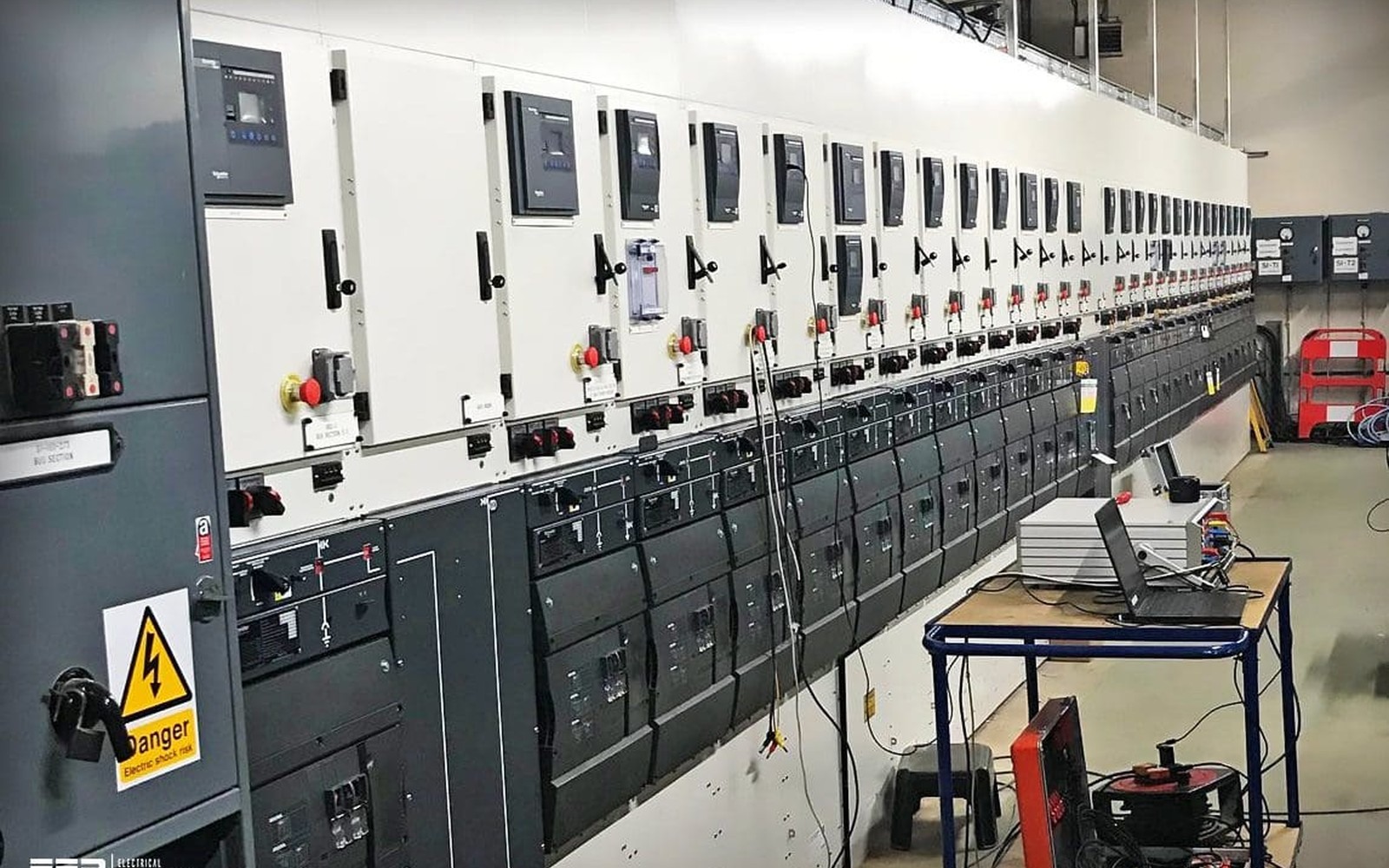
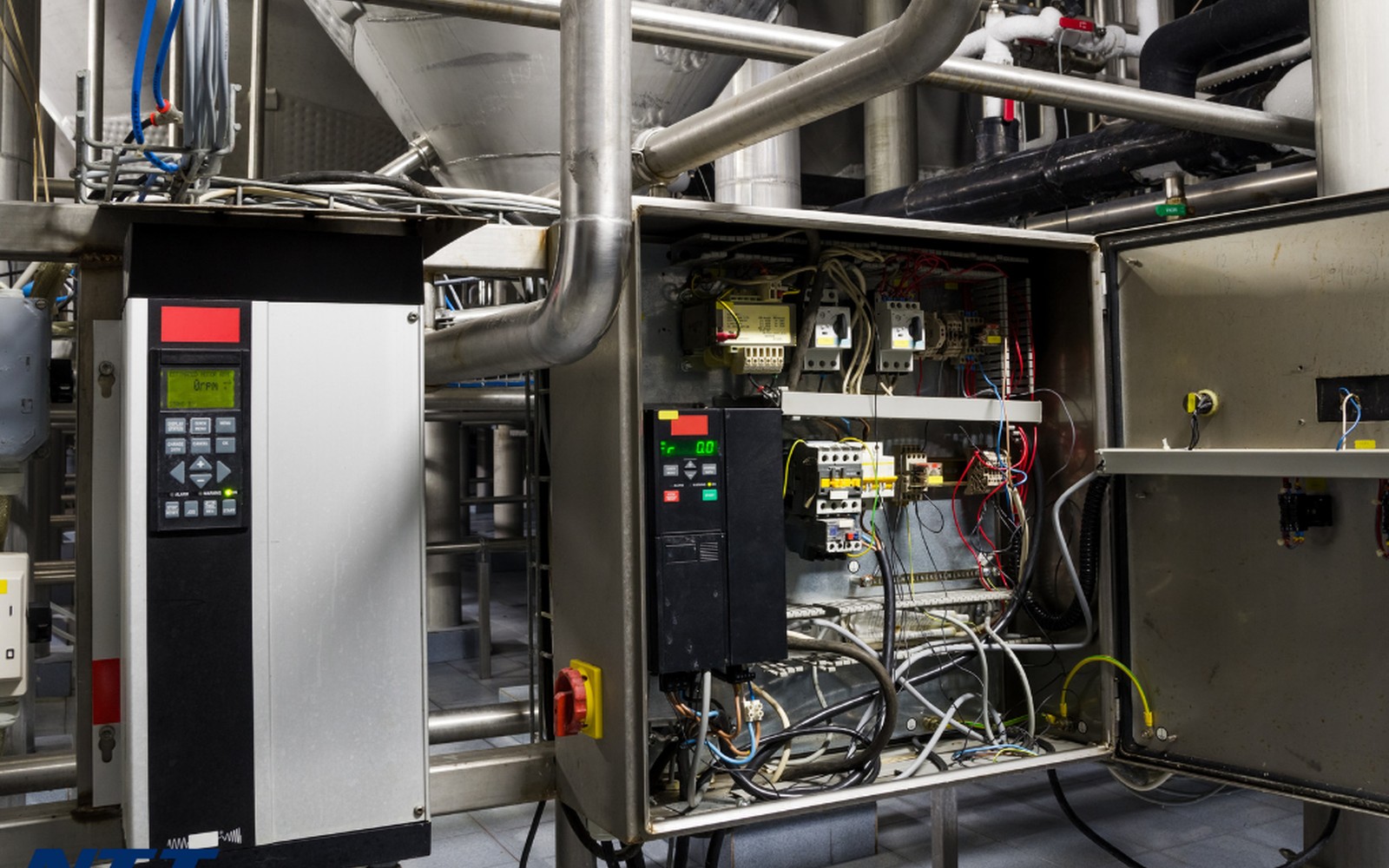
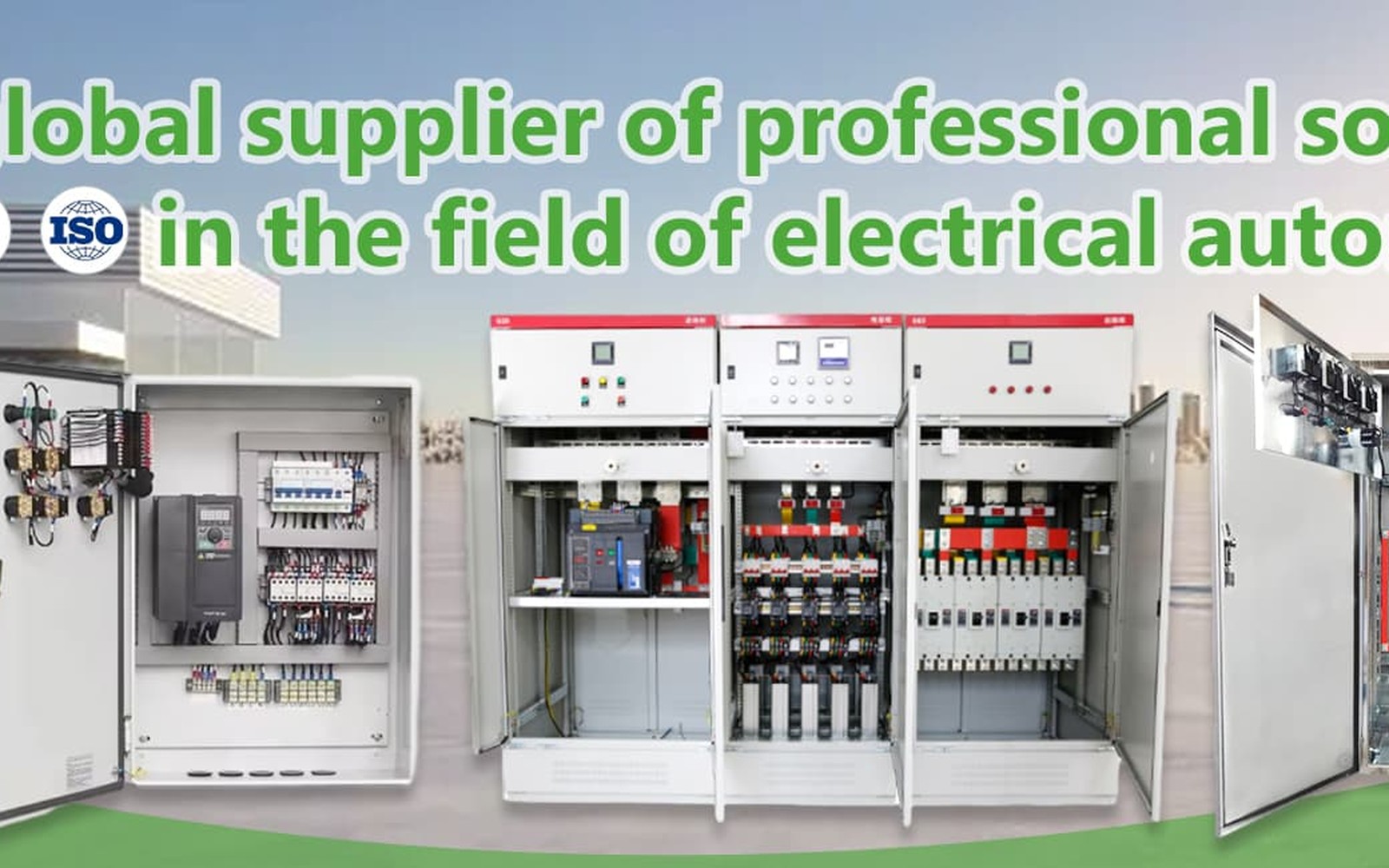
We finance medium-voltage switchgear, variable frequency drives, motor control centers, and the full range of electrical distribution gear used in Denver's energy, data center, and commercial projects. $50,000 minimum. Application-only to $400,000. B and C credit considered.
Colorado's Front Range is running construction and infrastructure investment at a level that reflects both the oil and gas recovery and the renewable energy buildout happening simultaneously. Electrical contractors who work both sides of that market are as busy as they have been in years. Equipment financing that moves at the speed of an active construction market is what those contractors need, and it is what we provide. Start the conversation with your vendor quote and we will have options back quickly.
Denver's Energy And Tech Electrical Demand
Colorado's oil and gas sector, operating primarily from the DJ Basin north of Denver through Weld County, drives substantial demand for industrial electrical gear at compressor stations, processing facilities, and pipeline pump stations. Large VFD packages for compressor control and high-amperage MCCs for processing motors are the primary categories. Oil and gas operators in the DJ Basin run an intermittent capital cycle that benefits from equipment financing when projects move faster than budget processes.
Colorado's renewable energy buildout on the Eastern Plains is creating a new layer of electrical infrastructure demand. Solar and wind installations require substantial medium-voltage distribution and substation equipment. Renewable energy and solar developers and their EPC contractors are financing gear packages for projects that have tight interconnection deadlines and long equipment lead times.
The Aurora and Colorado Springs data center corridors house major cloud provider and enterprise data center capacity. Data center operators expanding capacity in Colorado face the same critical power infrastructure requirements as any coastal market: paralleling gear, ATS systems, and medium-voltage distribution.
Equipment Denver Projects Finance
Oil and gas facilities in the DJ Basin typically use large VFDs for compression, MCCs for production and processing motors, and outdoor switchgear for remote and rural field installations. These are durable, high-value assets with long useful lives. The outdoor and weather-hardened specifications for field-deployed gear do not complicate financing.
Renewable energy projects use pad-mounted transformers, medium-voltage switchgear, and substation equipment for interconnection. These are large-dollar items on projects with defined schedules driven by interconnection agreements with Xcel Energy or other utilities. Progress financing is particularly relevant here because equipment deposits and milestone payments often need to be paid months before the project reaches the interconnection date.
Data center builds in Aurora and Centennial use paralleling switchgear, large ATS systems, and unit substations. Commercial construction across the Denver metro runs standard distribution switchboards and panelboard assemblies for office, industrial, and retail projects.
Denver contractors who are expanding from the oil and gas sector into renewable energy and data center work find that the same financing process covers all three segments. The gear specifications differ significantly between a VFD package for a DJ Basin compressor station, a substation transformer for a solar farm, and paralleling switchgear for a data center in Aurora. The financing process does not. Application, bank statements, approval, funding. Same steps, same timeline, regardless of which segment the project is in.
Financing Process For Denver Projects
Application and three months of bank statements for transactions under $400,000. Tax returns and financials for larger files. We submit to lenders within 48 hours. Conditional approval within five to seven business days. Funding to vendor within 10 to 14 calendar days of complete submission.
For oil and gas operators with lumpy cash flow tied to production and commodity pricing, we present the file with context. Strong backlog, existing infrastructure value, and operating history matter. A company that has been running successfully through price cycles is a different credit story than one that has not yet been tested.
Energy sector operators who own substantial electrical infrastructure can access that equity through a Sale-Leaseback Financing on installed equipment. This is useful when the next phase of a development program needs capital that the company does not want to source from bank credit or new equity.
Terms For Colorado Projects
Fixed-rate loans over 36 to 84 months are standard. Lease structures are available for buyers who want off-balance-sheet treatment or end-of-term refresh options. Colorado's energy sector is familiar with both structures from other equipment categories; the same principles apply to switchgear and electrical distribution.
Bonus depreciation on financed switchgear placed in service during the tax year applies on loan structures. For renewable energy projects specifically, federal tax credits and depreciation benefits interact in ways your tax advisor should confirm. We describe the financing structure and let your advisors handle the tax specifics.
Who Uses Switchgear Financing In Denver
Oil and gas operators in the DJ Basin and along the Front Range are the highest-value segment. EPC contractors managing compressor station and processing facility projects carry large VFD and MCC packages through production cycles that run 12 to 24 months from award to commissioning. Financing gear at order placement keeps working capital available for the procurement and construction spending that happens before the gear arrives.
Renewable energy EPC contractors building solar projects on the Eastern Plains and wind projects in the eastern Colorado corridors use financing for interconnection equipment and medium-voltage distribution gear. These projects have interconnection deadlines driven by utility agreements, and equipment that needs to be at the project site before the interconnection window is a clear case for progress financing that covers deposits and milestone payments.
Colorado's growing data center presence in Aurora, Broomfield, and Colorado Springs generates consistent paralleling gear and critical power infrastructure demand. Data center operators in the Front Range corridor are served by the same electrical contractors and distributors as the oil and gas sector, creating a diverse project mix for contractors who work both segments.
Healthcare systems including UCHealth, SCL Health, and Centura Health manage electrical infrastructure across dozens of Colorado hospital and clinic campuses. Healthcare facilities teams dealing with aging switchgear and transformer replacements use equipment financing when the capital budget cycle does not align with the maintenance timeline. University campuses including CU Boulder and CSU Fort Collins have large electrical infrastructure programs that benefit from the same approach.
Finance Your Denver Electrical Project
$50,000 minimum. Application-only to $400,000. Closings in one to two weeks. Apply now or call to discuss your project. Energy sector, data center, and commercial projects all welcome.
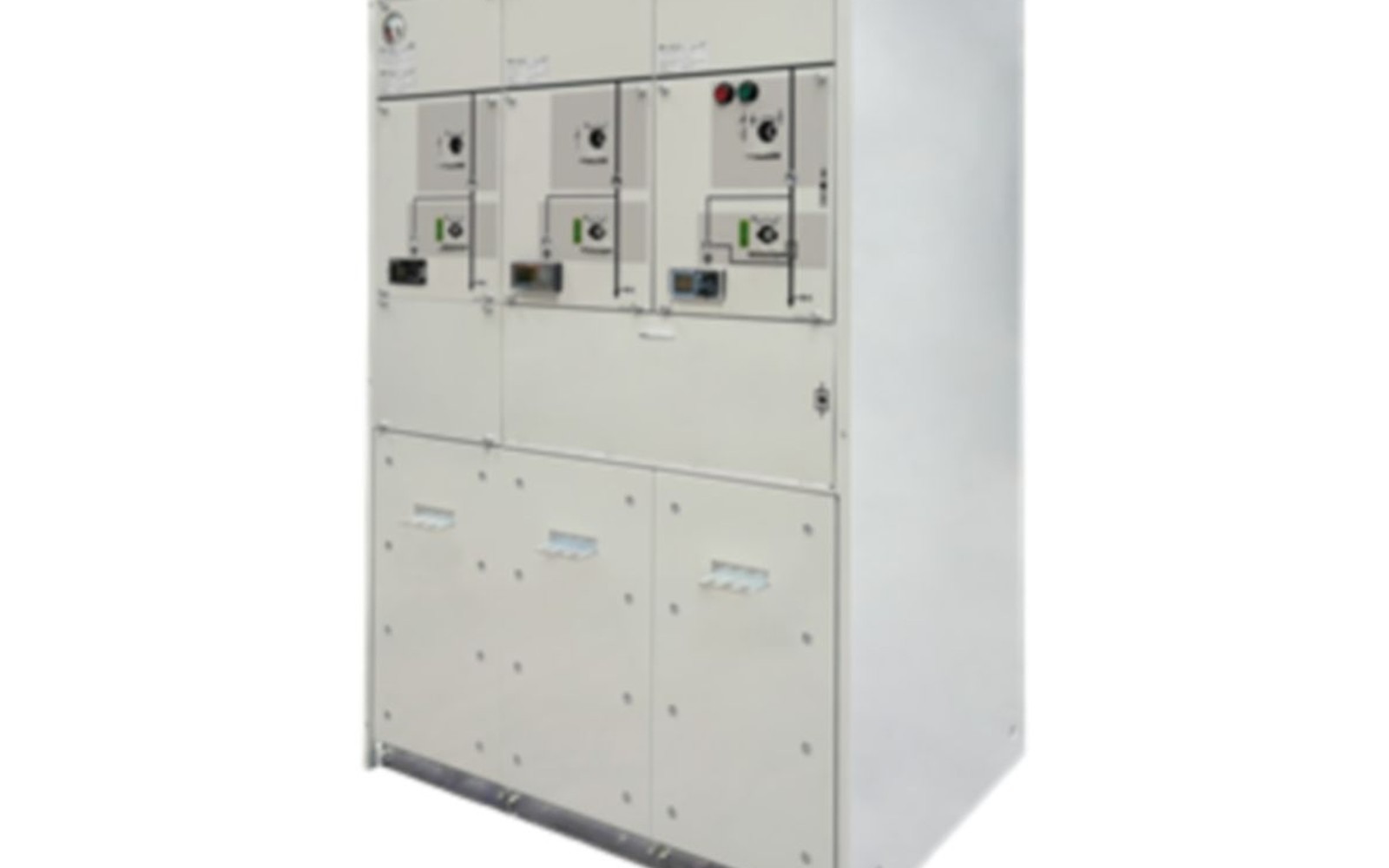
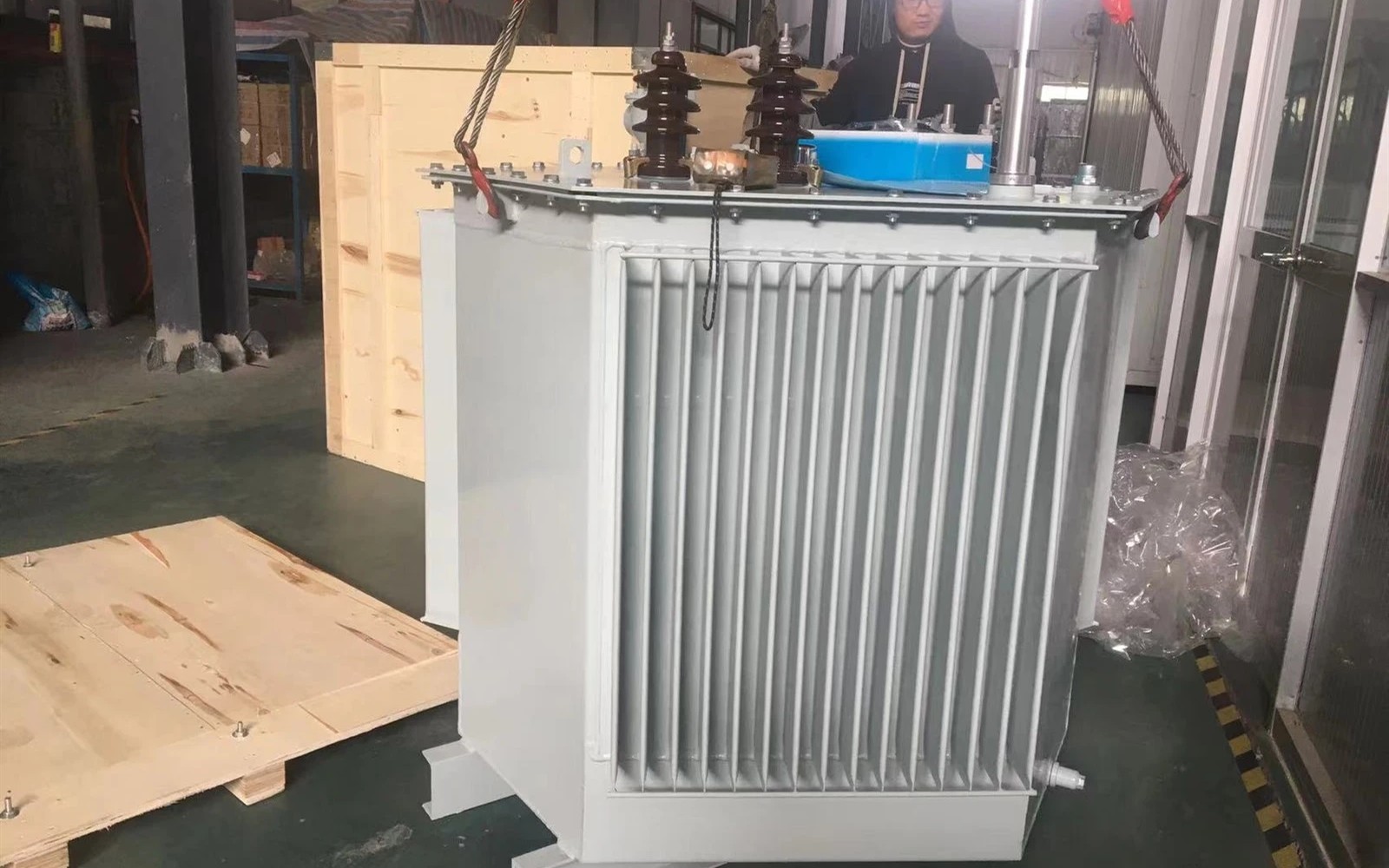
Price This Switchgear Financing Package
Send the quote, seller, lead time, deposit requirement, project location, and the electrical package scope. We will review the structure around the purchase schedule.
Review Switchgear TermsCommon Questions on Switchgear Financing in Denver, CO
Straight answers before you send the equipment file.
Can I finance VFD and MCC equipment for a compressor station in Weld County?
Yes. Industrial and oilfield equipment at rural Colorado locations qualifies. The asset value and the borrower's profile are what we evaluate. Remote installation location is noted in the documentation but does not restrict financing.
My solar EPC company has a project with an interconnection deadline. Can I finance the substation equipment before the PTO letter is issued?
Yes. Equipment financing is based on the purchase and the borrower, not on the project's final regulatory approval. We finance gear for projects in development regularly. The interconnection deadline is your project schedule concern, not a financing condition.
Can I finance outdoor switchgear that will be installed at a remote field location with no permanent structure?
Yes. Outdoor-rated switchgear and field-deployed equipment qualifies when properly specified for the application. We note the installation location and the asset specification. Remote locations are evaluated on a case-by-case basis.
My oil and gas company has a good operating history but the last year was thin because of pricing. How does that affect the file?
One thin year in a cycle-aware industry is a known pattern. We present the full picture: operating history, asset base, current backlog, and the current pricing environment. Lenders who specialize in energy sector equipment understand cycles better than general commercial lenders.
Does Xcel Energy's service territory in Colorado affect how utility-interconnect switchgear is financed?
The utility serving the area does not affect the financing. Utility-interconnect switchgear on the customer side of the meter is customer equipment and qualifies for financing the same as any other distribution gear.
Review The Switchgear Financing in Denver, CO Package
Send the equipment quote, seller, lead time, deposit schedule, and project location. The finance desk will review the package against the actual procurement calendar.