

Industries Served
Switchgear and Electrical Infrastructure Financing for EV Charging
DC fast chargers and Level 2 charging arrays pull more power than most existing electrical infrastructure was designed to deliver. A 150-kW DCFC needs a dedicated 480V feeder, appropriate overcurrent protection, and a distribution panel sized for the load. A 20-unit Level 2 commercial array requires similar upstream distribution. Multiply that across a large fleet depot or a highway charging corridor, and the service entrance switchgear, pad-mounted transformers, and distribution equipment represent capital investment that rivals the chargers themselves. That electrical backend is what we finance.
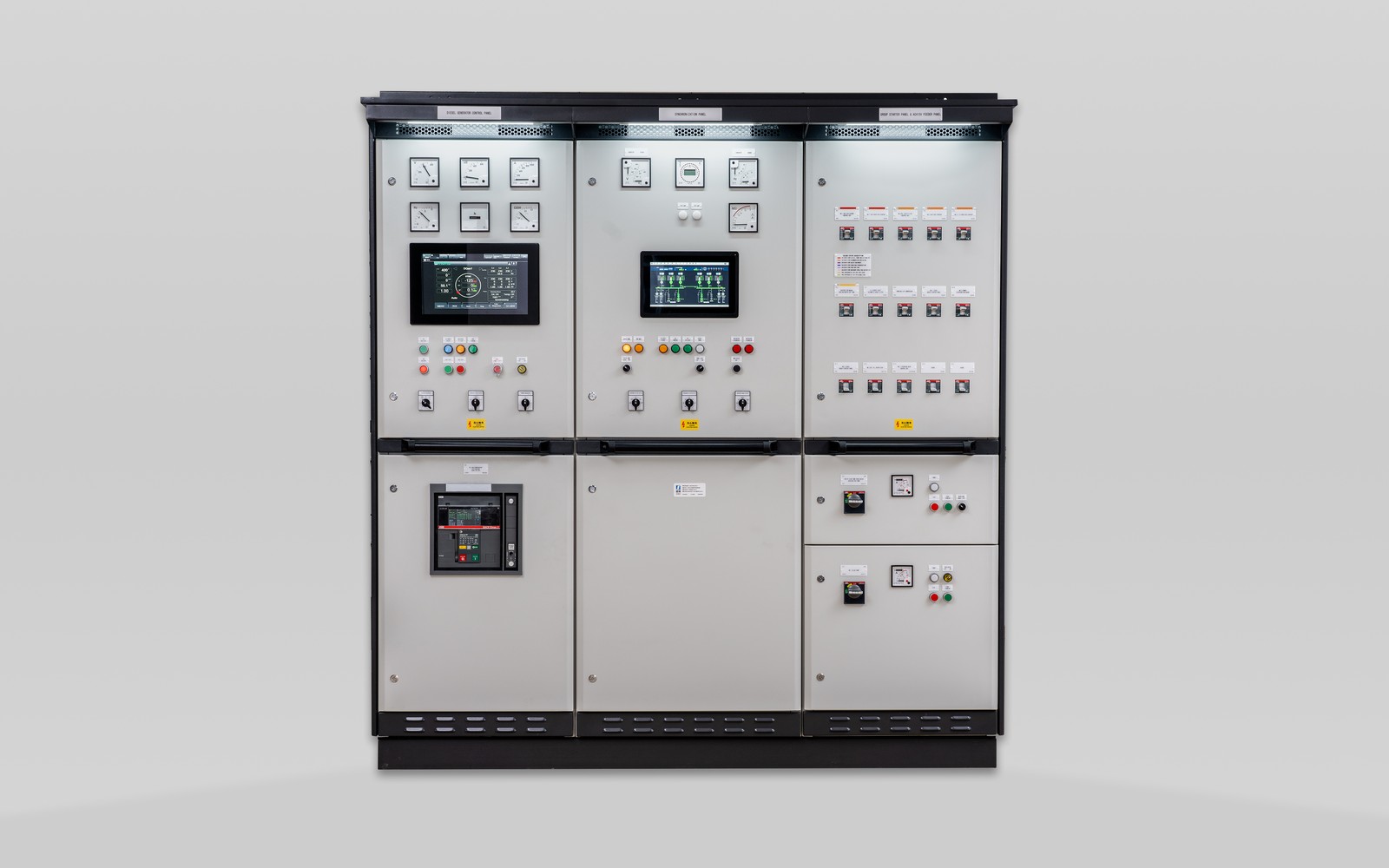
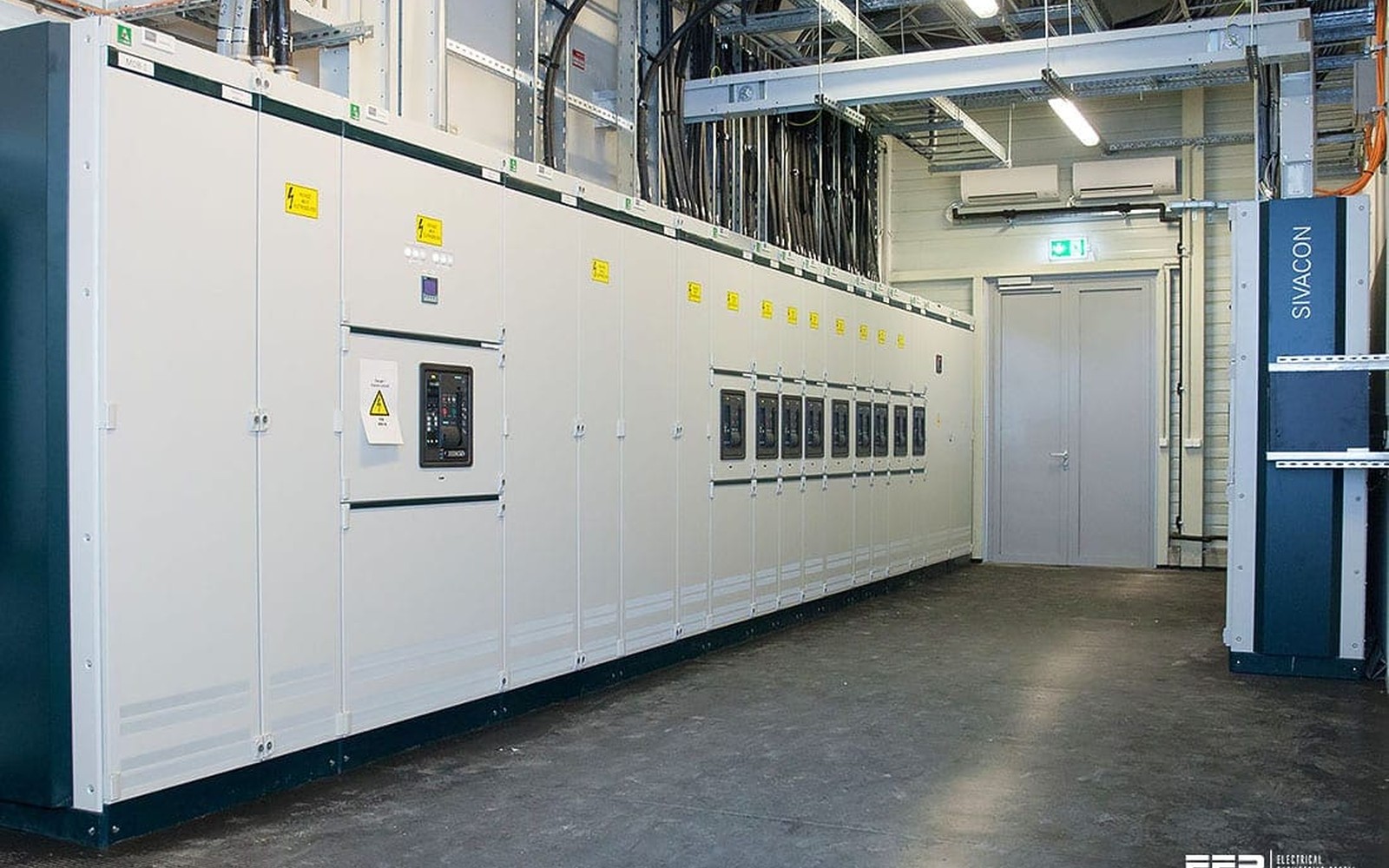
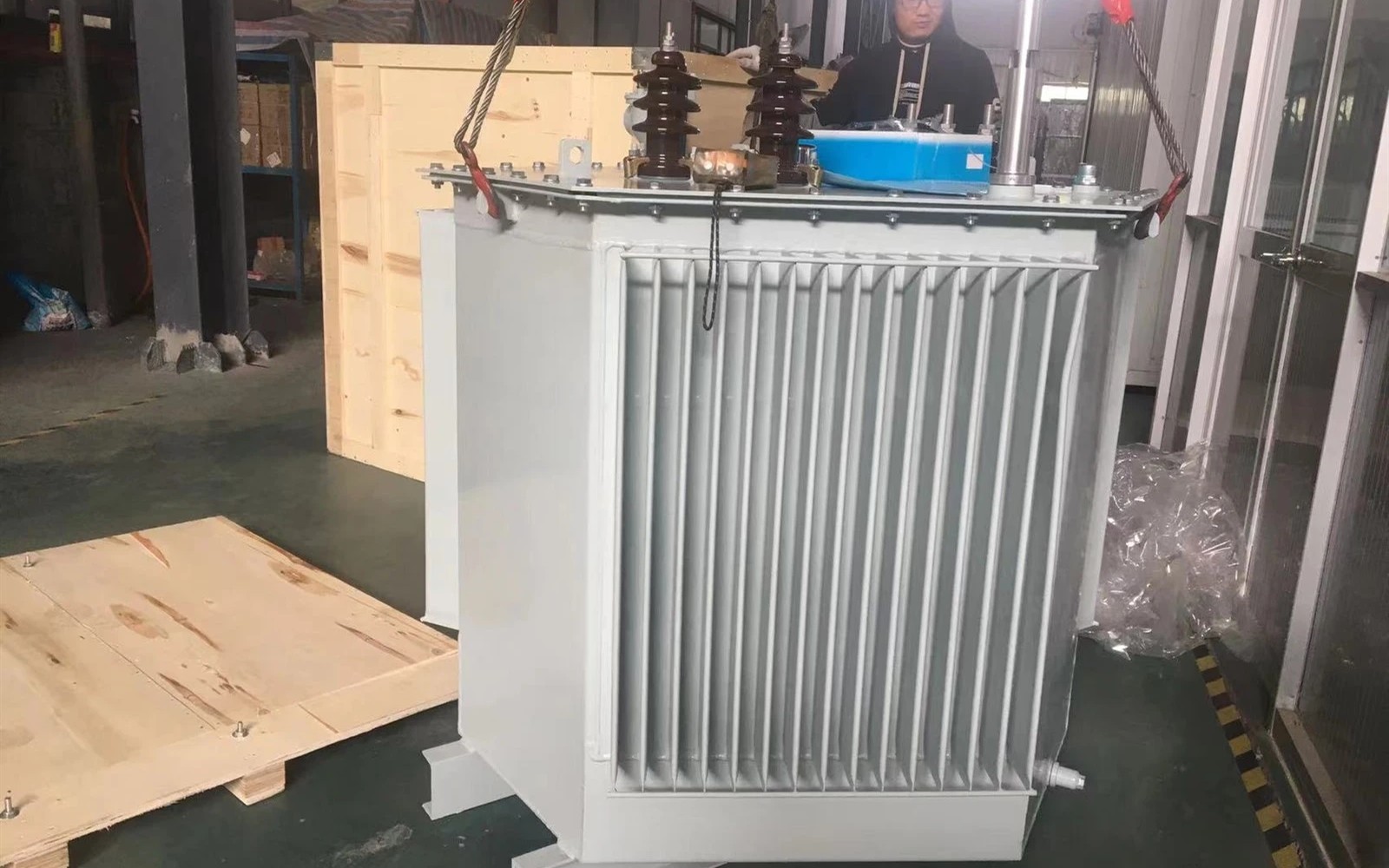
We finance the electrical infrastructure supporting EV charging deployments for fleet operators, commercial property owners, municipalities, and EVSE network developers. Equipment financed includes service entrance switchboards and main distribution switchgear with capacity for charging loads, pad-mounted transformers stepping utility voltage to site distribution voltage, distribution panelboards serving charging circuits, and the power distribution units managing branch circuits to individual chargers. The chargers themselves can also be included in the package.
The Electrical Infrastructure Behind EV Charging
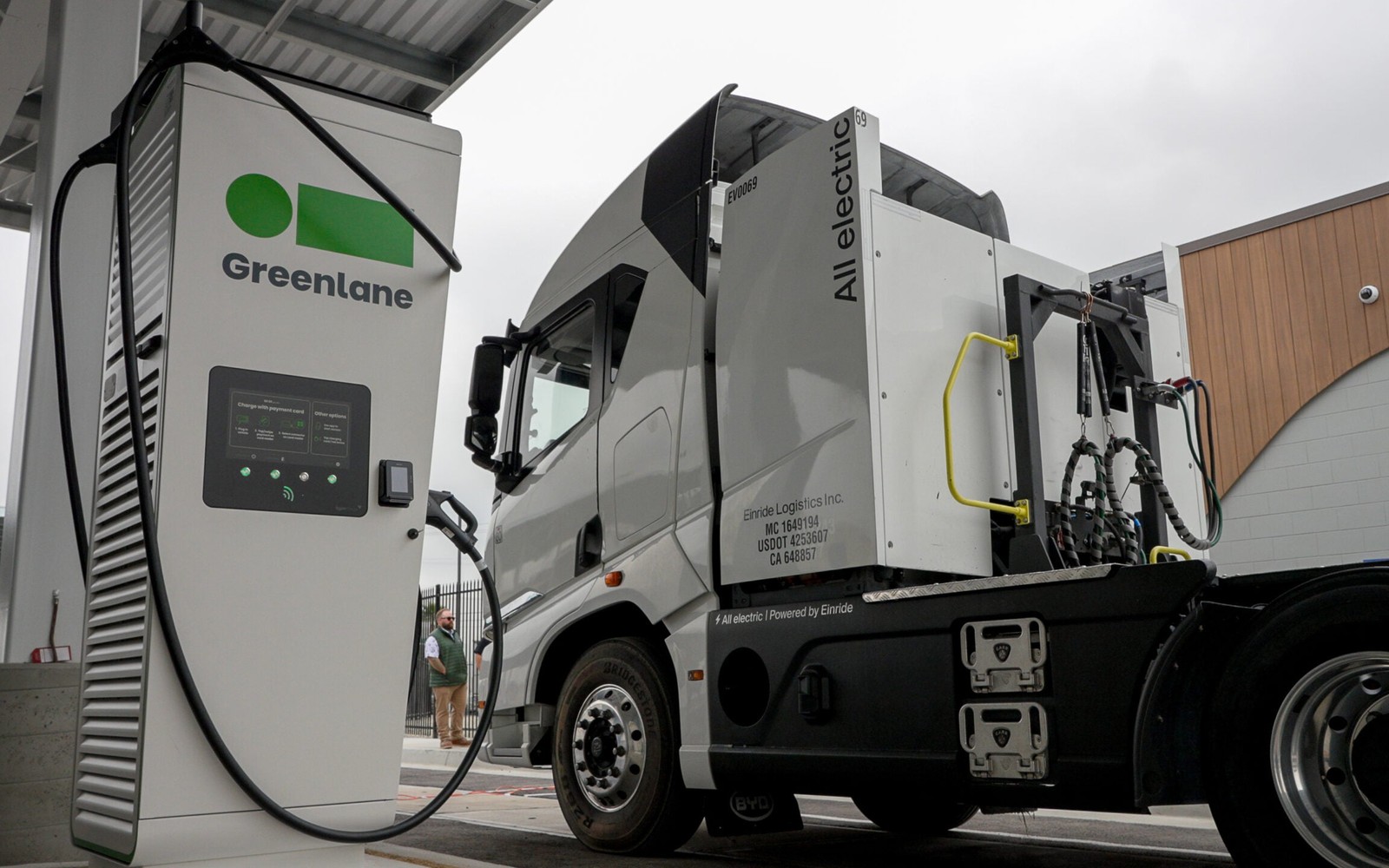
Fleet depot charging is the highest-load application. A commercial trucking terminal, transit bus depot, or school bus yard converting a fleet of 50 to 200 vehicles to electric needs a service entrance upgrade that can deliver hundreds of kilowatts of simultaneous charging capacity. That typically means a new or upgraded utility service, a pad-mounted step-down transformer, and a new main switchboard sized for the full charging load with room for future expansion.
DC fast charging corridors along highways and retail centers are lower total load per site but face the same infrastructure challenge. A site with four 150-kW DCFC units needs roughly 700 kW of service capacity after load diversity and demand factors. That may require a new service entrance, a dedicated transformer, and distribution gear that most existing retail or highway rest stop sites do not have.
Workplace and commercial real estate charging is the fastest-growing application for Level 2 installations. Office campuses, retail centers, and multifamily properties adding 20 to 100 Level 2 chargers often find their existing electrical panels are at or near capacity. The electrical upgrade required, new distribution panels, a subpanel or new switchboard, and service entrance expansion, can be the largest cost in the charging project and is the scope this program is designed to cover.
Load break switches and circuit breakers rated for the charging feeder circuits, along with surge protection on the distribution serving sensitive charger electronics, complete the typical EV infrastructure electrical package. All of it is financeable here.
EV Infrastructure Operators And Developers
Fleet operators converting to electric vehicles face the largest single electrical infrastructure investment in the shortest timeline. A logistics company converting a 100-truck depot to electric needs depot electrical infrastructure in place before the trucks arrive. Financing the electrical backend separately from the vehicle purchase allows both to move on the same timeline without tying up capital across both programs simultaneously.
EVSE network developers deploying public charging sites at commercial properties often use a project financing model where the electrical infrastructure is financed at the site level. We work with site hosts, network developers, and electrical contractors to structure financing that matches the project's economics.
Commercial real estate owners and warehouse and logistics operators adding tenant charging amenities qualify under this program on the same terms as their general electrical infrastructure upgrades.
Getting The Electrical Infrastructure Funded Quickly
EV charging timelines are driven by vehicle delivery dates and grant award periods. Neither waits for a slow financing process. Complete applications return decisions within 24 to 48 hours. For transactions under approximately $400,000, application-only processing is often available. Larger infrastructure packages require bank statements and basic financials, but the overall process stays fast.
Federal grants from NEVI and other EV infrastructure programs sometimes require matching capital. Equipment financing is a recognized form of matching capital in most grant structures. We can provide documentation confirming the financing commitment for grant compliance purposes. The progress payment structure also allows deposit funding before the utility interconnection is finalized, which is a common need on DCFC corridor projects.
Terms And Structure For EV Infrastructure
EV charging infrastructure has a longer operating life than the charging equipment itself. The service entrance switchgear, transformers, and distribution panels installed today will likely outlast the first and second generation of chargers they serve. Loan terms can reflect that asset life, running from 36 to 84 months depending on transaction size and the organization's cash flow preferences. Longer terms reduce monthly payments, which is useful for fleet operators managing vehicle financing simultaneously with infrastructure financing.
Both equipment loans and equipment leasing are available for EV infrastructure. Operators who anticipate future upgrades, such as a fleet operator who expects to increase charging capacity in three to five years, sometimes prefer a lease structure with an upgrade option. Those planning a permanent installation prefer loan ownership. For a comparison of the structures, see the lease versus loan overview.
Section 179 and bonus depreciation on eligible electrical infrastructure financed through a loan may allow full or accelerated expensing in the year of installation. That tax benefit applies even though the asset is financed rather than purchased with cash. Your tax advisor should confirm the eligibility of specific components.
Price This Switchgear Financing Package
Send the quote, seller, lead time, deposit requirement, project location, and the electrical package scope. We will review the structure around the purchase schedule.
Review Switchgear TermsCommon Questions on Switchgear and Electrical Infrastructure Financing for EV Charging
Straight answers before you send the equipment file.
Can we finance both the electrical infrastructure and the EV chargers in one loan?
Yes. Combined packages covering infrastructure and charger hardware are financed under a single facility when they are part of the same project.
Can equipment financing count as matching capital for a NEVI or state EV grant?
In most grant programs, confirmed financing commitments are accepted as matching capital. We provide documentation confirming the commitment for grant compliance.
Can a municipality or transit agency finance a fleet depot charging buildout?
Yes. Municipal and transit entities qualify. Board authorization documents and purchase orders are the key requirements.
Can we finance the service entrance upgrade before the charger models are selected?
Yes. The electrical infrastructure can be financed independently before charger procurement is finalized.
What if the utility interconnection is delayed past the expected date?
Utility interconnection delays do not affect the equipment financing. The loan is secured by the electrical equipment, not the utility approval.
Review The Switchgear and Electrical Infrastructure Financing for EV Charging Package
Send the equipment quote, seller, lead time, deposit schedule, and project location. The finance desk will review the package against the actual procurement calendar.