
Financing Programs
TRAC Lease for Switchgear and Power Equipment
A TRAC lease, Terminal Rental Adjustment Clause lease, is a structure that applies primarily to over-the-road vehicles and mobile equipment where the lessee and lessor agree upfront on a residual value that will be adjusted at the end of the lease based on the actual sale proceeds from the asset. The clause is what makes it a TRAC: the lessee participates in the upside if the asset sells for more than the agreed residual, and bears the downside if it sells for less.
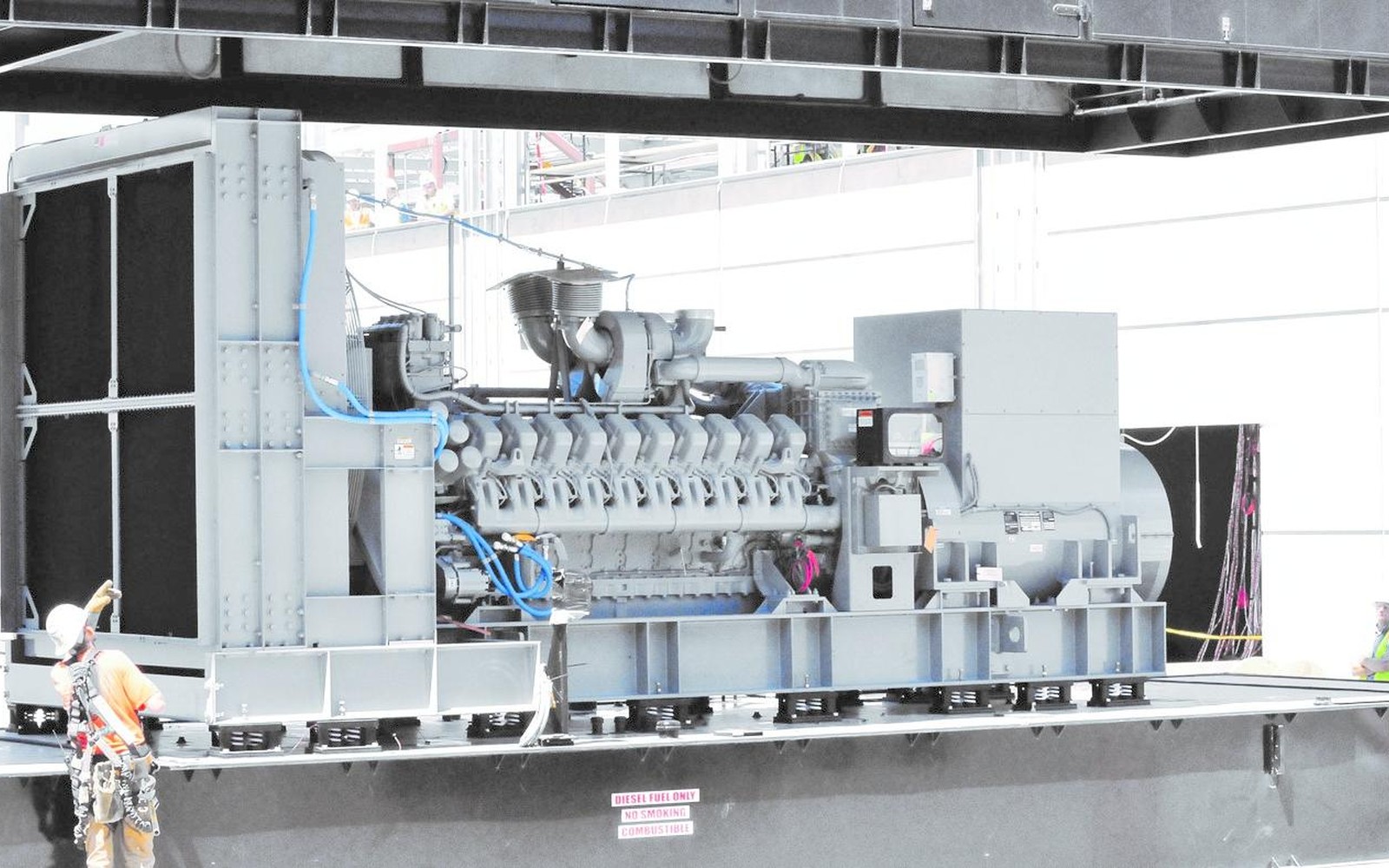
For most fixed switchgear and power distribution equipment, a TRAC lease is not the primary structure. The TRAC framework was designed for titled vehicles and mobile assets. Where it becomes relevant in the electrical industry is for mobile and transportable equipment: mobile substations, generator sets on trailers, modular e-house switchgear, and outdoor switchgear assemblies that are trailer-mounted and operate similarly to vehicles for lease classification purposes.
When A TRAC Lease Applies To Electrical Equipment
The IRS has specific rules about which assets qualify for TRAC treatment. The key criterion is that the equipment must be registered or used over-the-road. In the electrical industry, the most common qualifying assets are:
- Mobile substation transformers mounted on semi-trailers for utility or emergency power applications
- Portable generator sets on wheeled trailers with titles
- Modular power systems in containerized or transportable enclosures that are plated as vehicles
- Aerial lifts, cable reels, and utility work trucks used in electrical construction
Fixed equipment, meaning a medium-voltage switchgear lineup bolted to a floor or a unit substation grouted into a pad, does not qualify for TRAC treatment. For that gear, the standard FMV lease or dollar buyout lease is the right structure. The FMV vs. $1 Buyout Lease page covers those options in detail.
How A TRAC Lease Works
The TRAC clause sets a guaranteed residual value at lease origination. At the end of the lease, the equipment is sold. If the sale price exceeds the guaranteed residual, the lessee receives the surplus. If the sale price falls short, the lessee makes up the difference.
This structure has two tax consequences that make it attractive for qualifying mobile assets:
- The lessor is treated as the tax owner during the lease term because the TRAC clause creates a conditional interest, allowing the lessor to take depreciation deductions.
- The lessee's payments are generally deductible as operating expenses, similar to an operating lease.
The practical effect is lower monthly payments than a dollar buyout lease because the lessor carries some residual risk, combined with a defined exposure at term end based on market conditions. Compared to a standard FMV lease, the TRAC lessee has more certainty about the range of end-of-term outcomes because the adjustment mechanism is specified in the lease agreement.
TRAC Leases In Electrical Construction And Utility Work
The buyers who use TRAC leases in the electrical industry are generally operating fleets of mobile equipment rather than buying fixed gear. Common situations:
- Utilities and electric cooperatives maintaining fleets of service trucks, aerial lifts, and cable equipment who want operating lease treatment and defined end-of-term economics.
- Electrical contractors with significant truck and mobile equipment fleets who want to match the financing structure to their vehicle replacement cycle.
- Emergency power providers and rental companies operating mobile generator or substation fleets where end-of-term sale and replacement is part of the business model.
If you are evaluating both mobile and fixed gear purchases simultaneously, the financing structures may differ. Mobile and over-the-road assets can go on a TRAC; fixed distribution equipment goes on a standard equipment loan or lease. We handle both and can structure a package that uses the right tool for each asset class in a single transaction.
When To Use TRAC Vs. Other Structures
If your primary need is financing fixed electrical infrastructure, a TRAC lease is not the answer. Move directly to a conventional equipment loan or a standard lease. See the pages on equipment loans and equipment leasing for those options.
If you are buying a mix of mobile and fixed gear for a large project or for renewable energy or oil and gas work where mobile substations and permanent distribution gear are both part of the package, ask us about structuring a transaction that uses a TRAC for the qualifying mobile assets and a conventional structure for the fixed gear.
TRAC leases also interact with Section 179 and bonus depreciation differently from conventional leases because of the ownership and tax treatment rules. Your tax advisor needs to confirm the depreciation treatment for any mobile equipment in a TRAC structure before closing.
Price This Switchgear Financing Package
Send the quote, seller, lead time, deposit requirement, project location, and the electrical package scope. We will review the structure around the purchase schedule.
Review Switchgear TermsCommon Questions on TRAC Lease for Switchgear and Power Equipment
Straight answers before you send the equipment file.
Does a mobile substation automatically qualify for a TRAC lease?
It depends on how it is titled and used. A trailer-mounted transformer with an over-the-road title qualifies. A substation that is trailer-transported to site but then permanently installed and de-titled does not. The titling and intended use determine eligibility.
What happens at the end of a TRAC lease if the equipment is worth less than the guaranteed residual?
You make up the shortfall. That is the defining feature of a TRAC. Unlike an FMV lease where you can simply return the equipment, a TRAC puts you on the hook for the residual guarantee. Factor that risk into your end-of-term plans, especially if the equipment is subject to rapid value decline.
Can I use a TRAC lease for a fleet of service trucks used in switchgear installation?
Yes. Service trucks and work vehicles used in electrical construction are a common TRAC application. Fleet financing structures for multiple vehicles can often be packaged together for simpler administration.
Is a TRAC lease the same as a full-payout lease?
No. A full-payout lease (dollar buyout) amortizes the full cost of the equipment over the term with no residual risk to either party. A TRAC involves a guaranteed residual and adjustment at end of term. They are different structures with different payment profiles and tax treatments.
Can a TRAC be used outside of transportation equipment?
The IRS has specific guidance that limits formal TRAC treatment to qualified motor vehicles. For non-vehicle equipment, other lease structures (FMV, dollar buyout) are more appropriate. Some lenders use TRAC-like mechanisms informally for non-vehicle assets, but the strict tax benefits of TRAC apply to qualifying vehicles.
Review The TRAC Lease for Switchgear and Power Equipment Package
Send the equipment quote, seller, lead time, deposit schedule, and project location. The finance desk will review the package against the actual procurement calendar.